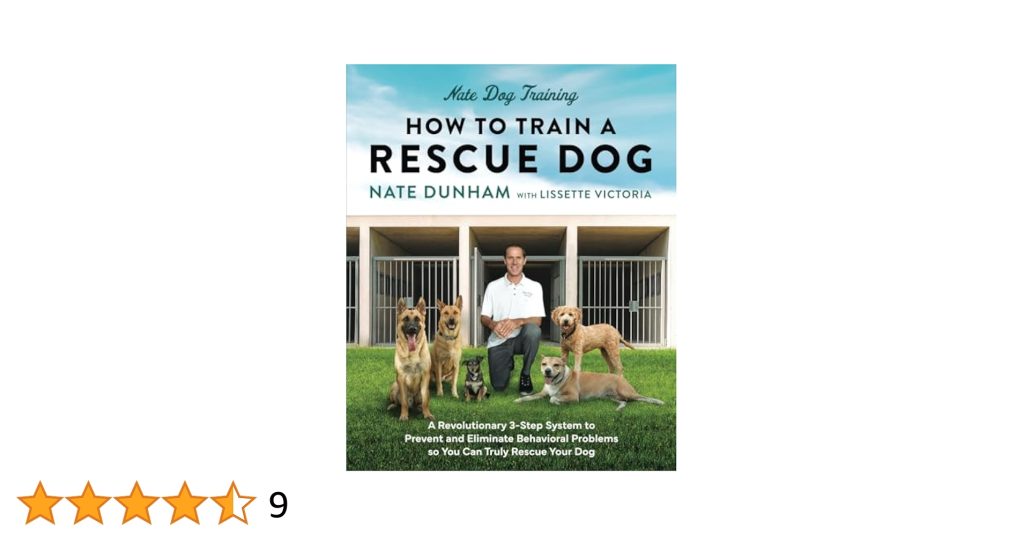
Bringing a rescue dog into your life is a wonderful decision, but training them can feel challenging. You might wonder how to build trust, teach good habits, and help your new friend feel safe and happy.
The good news is, with the right approach, you can turn your rescue dog into a well-behaved companion. In this guide, you’ll discover simple, effective steps that make training easier for both of you. Ready to unlock your dog’s full potential and create a strong bond?
Keep reading to find out how.

Credit: www.youtube.com
Choosing The Right Rescue Dog
Choosing a rescue dog takes thought and care. Each dog has a unique story and needs.
It is important to find a dog that fits your home, lifestyle, and experience.
Assessing Temperament And Behavior
Temperament shows how a dog reacts to people and other animals. Behavior tells about their daily actions.
- Look for calmness or nervousness around strangers
- Check how the dog plays with other pets
- Notice if the dog shows signs of fear or aggression
- Ask about the dog’s history and training
- Spend time with the dog before deciding
Considering Age And Breed Traits
Age affects energy, training needs, and health. Breed can hint at behavior and care needs.
| Age Group | Common Traits | Training Tips |
| Puppy | High energy, curious, needs socialization | Short sessions, lots of patience |
| Adult | More settled, some training done | Focus on reinforcement and new skills |
| Senior | Lower energy, may have health issues | Gentle routines, simple commands |
Evaluating Health And Medical Needs
Health affects a dog’s happiness and your care duties. Check medical history and current needs.
Ask these questions to understand health needs:
- Does the dog have any allergies?
- Are there ongoing treatments?
- Is the dog spayed or neutered?
- What vaccinations has the dog received?
- Does the dog need special diets or medicines?
Preparing Your Home
Bringing a rescue dog into your home needs careful planning. You must prepare a safe and calm space for your new friend.
Setting up your home will help your rescue dog feel secure and loved from day one.
Creating A Safe Environment
Check your home for hazards that can harm your dog. Remove sharp objects, toxic plants, and small items that dogs can swallow.
- Keep electrical cords out of reach
- Secure trash cans with lids
- Block off stairs or unsafe areas
- Store cleaning supplies in locked cabinets
- Remove fragile or valuable items
Gathering Essential Supplies
Get all the supplies your rescue dog needs before they arrive. This will help you care for them easily.
| Supply | Purpose |
| Dog bed | Comfort and rest |
| Food and water bowls | Feeding |
| Leash and collar | Walking and safety |
| Chew toys | Teething and play |
| Dog food | Nutrition |
| Cleaning supplies | Accident cleanup |
Setting Up A Comfortable Space
Make a quiet and cozy area for your rescue dog to relax. This space helps them feel safe as they adjust.
- Choose a low-traffic area in your home
- Use soft blankets or dog beds
- Keep the space clean and dry
- Place familiar toys or items with your scent
- Ensure easy access to water
Building Trust And Bonding
Training a rescue dog takes time and care. Building trust is the first step. Bonding helps your dog feel safe and loved.
Each dog is different. Patience and gentle methods help create a strong connection.
Approaching With Patience
Approach your rescue dog slowly. Let the dog come to you. Avoid sudden moves or loud noises. Give the dog time to get used to your presence.
Watch the dog’s body language. If the dog shows fear, step back. Speak softly and avoid direct eye contact. Respect their space to build trust.
Using Positive Reinforcement
Positive reinforcement means rewarding good behavior. Use treats, praise, or toys. This helps your dog learn what you want them to do.
- Give a small treat when the dog follows a command.
- Use a happy voice to praise the dog.
- Offer a favorite toy for playing after training.
- Avoid punishment or harsh words.
Establishing Consistent Routines
Dogs feel safe when their day has a routine. Feed, walk, and train your dog at the same times each day. This helps reduce anxiety.
| Activity | Suggested Time |
| Morning walk | 7:00 AM |
| Feeding | 8:00 AM and 6:00 PM |
| Training session | 5-10 minutes after meals |
| Evening play | 7:00 PM |
Basic Training Techniques
Training a rescue dog needs patience and kindness. Use simple steps to teach your dog good behavior.
Basic training builds trust and helps your dog adjust to a new home. Consistency is very important.
Teaching Commands And Obedience
Start with easy commands like sit, stay, and come. Use treats and praise to encourage your dog.
Keep training sessions short and fun. Repeat commands clearly and reward good behavior right away.
- Use a calm voice for commands
- Show the dog what you want
- Reward with treats or pets
- Practice daily for best results
Housebreaking Tips
Take your dog outside often, especially after eating or waking up. Praise them when they go potty outside.
Watch for signs your dog needs to go, like sniffing or circling. Be patient and consistent with bathroom breaks.
- Set a regular bathroom schedule
- Use the same outdoor spot
- Clean accidents with enzyme cleaner
- Never punish for accidents indoors
Addressing Common Behavioral Issues
Some rescue dogs may be shy or scared. Use gentle words and calm movements to help them feel safe.
Barking, chewing, or jumping can happen. Redirect your dog’s attention and offer toys or activities instead.
- Ignore unwanted barking, then reward quiet
- Provide chew toys to stop destructive chewing
- Teach “off” to stop jumping on people
- Spend time building trust and routine
Socializing Your Rescue Dog
Socializing a rescue dog helps them feel safe with people and other animals. It builds trust and reduces fear.
Start slow and be patient. Every dog learns at its own pace during socialization.
Introducing To People And Pets
Introduce your rescue dog to new people and pets carefully. Use calm voices and gentle movements.
- Keep meetings short and positive
- Allow your dog to approach at their own speed
- Use treats to reward calm behavior
- Watch for signs of stress like growling or hiding
- Separate pets if tensions rise
Managing Fear And Anxiety
Fear can stop your dog from socializing well. Learn to spot anxiety early to help them calm down.
| Sign of Anxiety | What to Do |
| Shaking | Give space and speak softly |
| Hiding | Let them come out when ready |
| Whining | Offer comfort but avoid forcing contact |
| Avoiding eye contact | Do not stare; blink slowly |
Encouraging Positive Experiences
Help your rescue dog enjoy social moments. Positive experiences build confidence and trust.
Try this simple reward plan:
- Give a treat when your dog meets someone new calmly.
- Use praise and petting for good behavior.
- End visits on a happy note.
- Repeat often to build good memories.

Credit: wagabonding.com
Advanced Training Strategies
Training a rescue dog can be rewarding and challenging. Advanced strategies can help your dog learn faster. Consistency and patience are key to success.
In this guide, we will explore essential training strategies. These include leash training, crate training, and mental stimulation.
Leash Training And Recall
Leash training helps your dog walk calmly beside you. Recall ensures they return when called. Both are crucial for safety.
- Use a comfortable harness or collar.
- Practice in a quiet area first.
- Reward your dog with treats for staying close.
- Practice recall with a long leash.
- Call your dog’s name and reward them for returning.
Crate Training Benefits
Crate training gives your dog a safe space. It can reduce anxiety and prevent destructive behavior.
| Benefit | Description |
| Safety | Prevents accidents when unsupervised |
| Comfort | Provides a personal space |
| Travel | Makes transport easier |
Incorporating Mental Stimulation
Mental stimulation is as important as physical exercise. It keeps your dog’s mind active and engaged.
Consider these activities for mental enrichment:
- Puzzle toys that release treats
- Interactive games like hide and seek
- Basic obedience training sessions
Maintaining Long-term Success
Training a rescue dog requires commitment and dedication. You must focus on creating a stable environment for your pet. This guide will help you maintain long-term success in training your rescue dog.
By following a few essential guidelines, you can ensure your dog learns and grows positively. Let’s explore these important areas.
Consistency And Patience
Consistency and patience are key in dog training. Your rescue dog needs clear signals and regular routines to understand what is expected.
- Set a daily schedule for feeding and walks.
- Use the same commands for specific actions.
- Reward good behavior with treats or praise.
Regular Exercise And Play
Exercise and play keep your dog healthy and happy. It also helps reduce anxiety and destructive behavior in rescue dogs.
Consider these activities:
- Daily walks or jogs in the park
- Interactive games like fetch or tug-of-war
- Socializing with other dogs at a dog park
Monitoring Progress And Adjusting Training
Regularly assess your dog’s progress to ensure they are on the right track. Make adjustments to training techniques as needed.
| Behavior | Action |
| Excessive barking | Introduce calming exercises |
| Chewing furniture | Provide chew toys |
| Ignoring commands | Refocus on basic training |

Credit: www.dwdogtraining.com
Frequently Asked Questions
How Long Does It Take To Train A Rescue Dog?
Training duration varies by dog and method but usually takes weeks to months. Consistent daily sessions speed learning and build trust. Patience and positive reinforcement are key for success. Rescue dogs may need extra time due to past trauma or unknown history.
What Are The Best Training Methods For Rescue Dogs?
Positive reinforcement techniques like treats, praise, and play work best. Avoid punishment-based training as it harms trust and slows progress. Consistent routines and gentle corrections help rescue dogs feel safe and learn effectively. Socialization is also important for well-rounded behavior.
How Can I Build Trust With My Rescue Dog?
Spend quality time together doing calm activities. Use soft tones and gentle petting to comfort. Respect their boundaries and avoid forcing interactions. Consistency in feeding, walking, and training creates a secure environment, fostering trust over time.
Should I Seek Professional Help For Rescue Dog Training?
Yes, professional trainers experienced with rescue dogs can provide tailored guidance. They help address behavioral issues and trauma effectively. Early intervention improves training outcomes and strengthens the human-dog bond, making life easier for both.
Conclusion
Training a rescue dog takes time and patience. Each dog learns at its own pace. Consistent, gentle guidance builds trust and good behavior. Small steps lead to big progress. Celebrate every success, no matter how small. Your efforts create a happy, confident companion.
Rescue dogs bring joy and love in return. Keep training simple and positive every day. The bond you build lasts a lifetime.

Emily Barker is the founder of ChillDogLife.com, a space dedicated to helping pup parents discover the best dog products, lifestyle tips, and cozy ideas for happier homes.
A lifelong dog lover, Emily combines her passion for pets with a knack for research to share trusted recommendations on everything from toys and furniture to health and everyday care.
Her goal is simple: to make life easier, stylish, and more joyful for dogs and the people who love them.




