Bringing a rescue dog into your home is a wonderful decision, but it can also come with challenges—especially when it comes to crate training. You might wonder how to make your new furry friend feel safe and comfortable in a crate without causing stress or fear.
The good news is, with the right approach, you can turn the crate into a cozy, secure space your dog will love. You’ll discover simple, effective steps to crate train your rescue dog, helping both of you build trust and enjoy a happier, calmer life together.
Keep reading to learn how to create a positive crate experience that works for your unique dog.
Benefits Of Crate Training Rescue Dogs
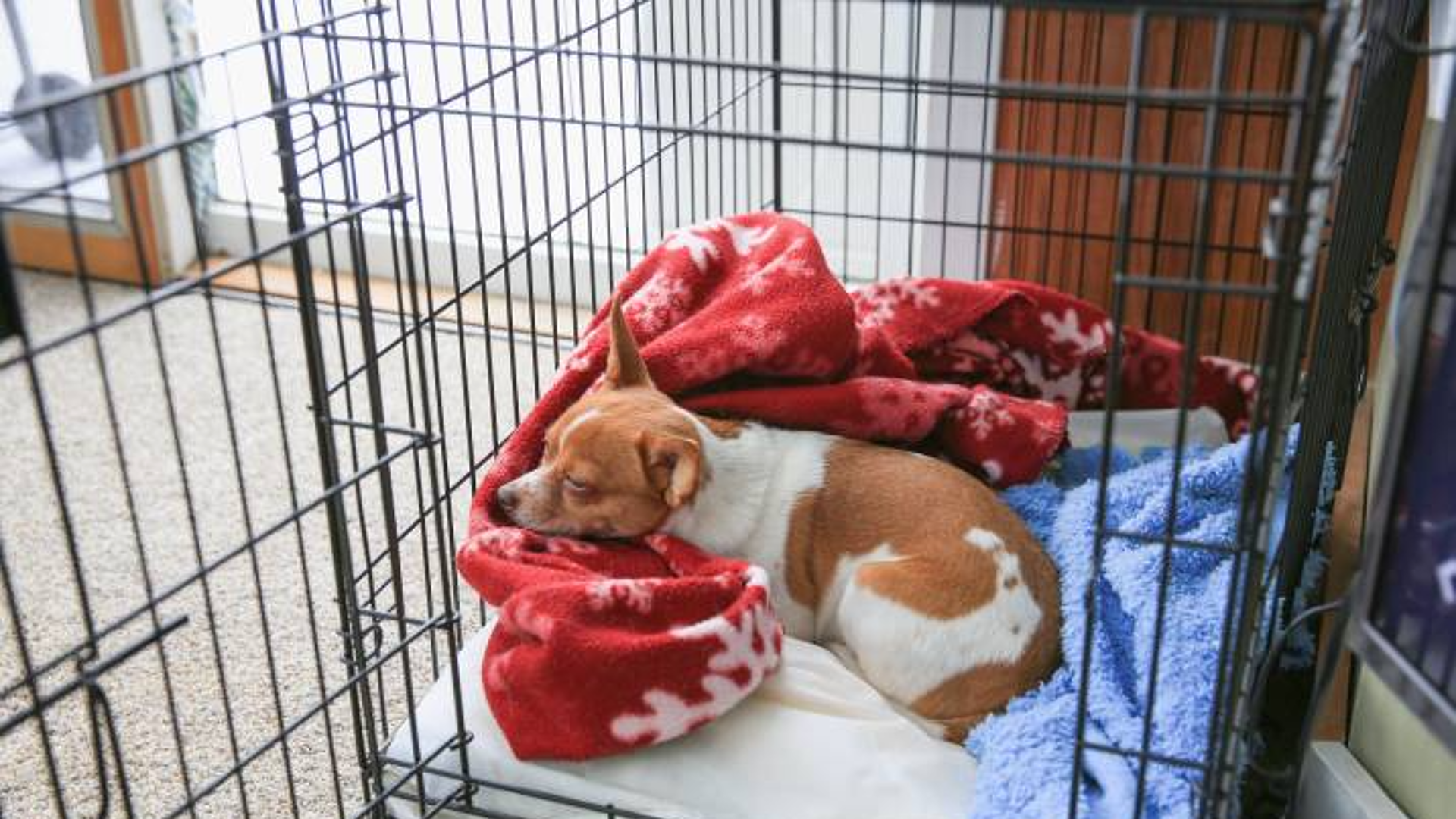
Crate training rescue dogs offers many benefits. It helps build trust and creates a safe space for your new companion. Rescue dogs often face stress from their past. A crate becomes their personal den. It supports their emotional and physical well-being during adjustment.
Safety And Security
A crate keeps your dog safe inside the home. It prevents them from chewing dangerous items or escaping. Rescue dogs may feel vulnerable in new environments. The crate acts as a secure shelter where they can rest and feel protected. This sense of safety reduces risky behaviors.
Easing Anxiety
Many rescue dogs suffer from anxiety. A crate offers a quiet place to calm down. It helps reduce stress during loud noises or busy times. Using a crate regularly teaches your dog to relax alone. This independence lowers separation anxiety and improves confidence.
House Training Aid
Crate training supports effective house training. Dogs naturally avoid soiling their sleeping area. The crate encourages them to hold their bladder and wait for outdoor breaks. This routine helps rescue dogs learn good bathroom habits faster. It also makes cleaning easier for you.
Credit: www.airtasker.com
Choosing The Right Crate
Choosing the right crate for your rescue dog is crucial for successful crate training. The right crate can make your dog feel safe and secure, aiding in their transition to their new home. Let’s explore the key factors in selecting the perfect crate for your furry friend.
Size And Comfort
The size of the crate is essential for your dog's comfort. A crate should be large enough for your dog to stand up, turn around, and lie down comfortably. However, it shouldn’t be too large, as this can lead to anxiety or accidents.
Measure your dog’s length from nose to tail and their height from floor to head. Add a few inches to these measurements to ensure a snug fit. A properly sized crate will become a cozy den for your dog.
Material Options
Crates come in various materials, each offering unique benefits. Wire crates are highly ventilated and allow your dog to see their surroundings, which can be calming. They’re also foldable, making them easy to store and transport.
Plastic crates offer more privacy and can double as travel carriers. They’re lightweight and durable. If aesthetics are important, consider wooden or decorative crates, which blend seamlessly with home decor.
Location Tips
Where you place the crate can influence how your dog perceives it. Choose a quiet spot where your dog can relax without too much foot traffic. Avoid areas with direct sunlight or drafts.
Consider placing the crate in a common area where your dog can feel part of the family, but still have their own space. This balance helps them feel included yet secure.
Think about your own daily routine. Will your dog feel lonely if the crate is tucked away in a distant room? Placing it near your usual hangout spots can help them feel your comforting presence.
Preparing Your Rescue Dog
Preparing your rescue dog for crate training is an essential first step that sets the tone for success. Rescue dogs often carry past fears and uncertainties, so your approach needs to be gentle and patient. Establishing a strong foundation of trust and comfort will make introducing the crate a positive experience.
Building Trust
Trust is the cornerstone of any training, especially with rescue dogs. Spend time sitting quietly with your dog, offering gentle petting and speaking softly to create a calm environment. Notice how your dog reacts—does it lean in or pull away? Respect their boundaries and let them come to you on their own terms.
Your consistency matters. Try to keep daily routines predictable so your dog feels secure. Even small actions like feeding at the same time each day help build reliability in their eyes. Have you noticed how your dog responds to calm versus hurried interactions?
Introducing The Crate
The crate should never feel like a punishment. Start by placing it in a common area where your dog already feels comfortable. Leave the door open and toss in some soft bedding along with a few tasty treats.
Let your dog explore the crate at their own pace. You might even sit nearby and read or watch TV, showing your dog that the crate is a safe spot. Avoid forcing them inside; instead, reward any curiosity with praise or treats.
Using Positive Reinforcement
Positive reinforcement is your best tool to encourage your rescue dog to accept the crate. Every time your dog shows interest or enters the crate voluntarily, reward them immediately with treats, toys, or affection.
Be consistent with rewards but avoid overfeeding. Use a variety of treats to keep your dog motivated and engaged. Consider small training sessions throughout the day rather than long, overwhelming periods.
Have you tried pairing crate time with your dog’s favorite activities or toys? This can create a strong, positive association that makes the crate a place your dog looks forward to visiting.

Credit: www.monsterk9.com
Step-by-step Crate Training Process
Crate training a rescue dog requires patience and clear steps. This process helps your dog feel safe and secure in their new space. Follow a simple, gradual plan to build trust and comfort with the crate.
Short Initial Sessions
Start with very short crate sessions. Let your dog enter the crate freely with the door open. Use treats or toys to encourage entry. Close the door for a few seconds only. Open it before your dog gets anxious. Repeat this several times a day.
Gradual Time Increase
Slowly increase the time your dog spends inside the crate. Add a few seconds or minutes every session. Stay close to comfort your dog if needed. Keep the environment calm and quiet. Make sure the crate stays a positive place.
Handling Resistance
Some dogs may resist the crate at first. Do not force your dog inside. Try to understand their fear or discomfort. Use gentle praise and rewards for calm behavior near the crate. Give your dog breaks and try again later. Patience helps build trust over time.
Common Challenges And Solutions
Crate training a rescue dog often comes with challenges. Many dogs feel unsure or stressed in a new space. Understanding common problems helps you guide your dog better. Patience and clear solutions make the process smoother for both.
Excessive Barking
Barking in the crate shows your dog wants attention or feels scared. It can disturb your peace and slow training progress. Try these tips:
- Ignore the barking to avoid rewarding it.
- Use calm, soft tones to reassure your dog.
- Give a favorite toy to keep them busy.
- Gradually increase crate time to build comfort.
Chewing And Scratching
Rescue dogs may chew or scratch the crate out of stress or boredom. This behavior can damage the crate and hurt your dog. Try these solutions:
- Provide chew toys to redirect their energy.
- Exercise your dog before crate time to reduce restlessness.
- Cover crate walls with a crate pad or blanket.
- Check for any health issues causing discomfort.
Separation Anxiety
Some dogs panic when left alone in the crate. Signs include whining, pacing, or trying to escape. To ease anxiety:
- Start with short crate periods while you stay nearby.
- Use treats to create positive crate associations.
- Practice leaving and returning calmly to reduce stress.
- Consider calming aids like pheromone sprays or vet advice.
Maintaining Long-term Success
Maintaining long-term success in crate training your rescue dog takes more than just initial effort. It requires ongoing attention to how your dog interacts with the crate and adapting to their changing needs. Staying consistent while making the crate a positive space helps your dog feel safe and comfortable over time.
Routine And Consistency
Dogs thrive on routine, especially rescue dogs who may have experienced chaos before. Keeping regular crate times builds trust and predictability for your dog. Try to crate your dog at similar times each day, such as during meals or bedtime, so they know what to expect.
Consistency means sticking to the rules you set. If the crate is for resting, avoid turning it into a punishment zone. This clear message helps your dog see the crate as a safe retreat rather than a place to fear.
Adjusting Crate Time
As your rescue dog grows more comfortable, gradually adjust the time they spend in the crate. Avoid sudden long periods that may cause stress or anxiety. Instead, increase crate time in small steps, observing your dog’s reactions closely.
If your dog seems restless or starts whining, it might be a sign to shorten crate sessions or add more breaks. Remember, every dog is different—your rescue’s past experiences will influence how they handle crate time.
Keeping The Crate Inviting
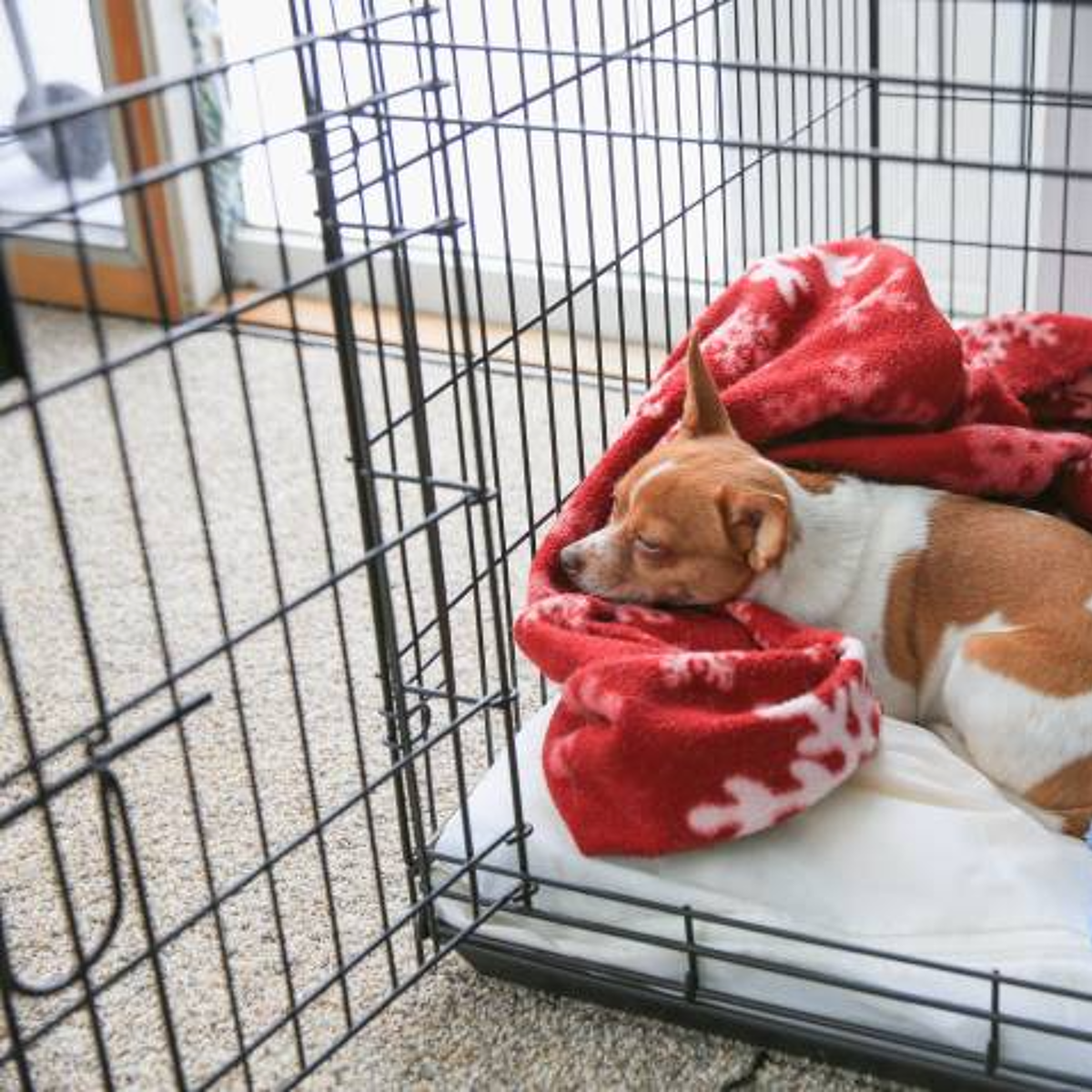
Make the crate a place your dog wants to be. Add soft bedding, favorite toys, or even treats to create positive associations. Changing up the items inside can keep the environment fresh and interesting for your dog.
Think about scents, too. Placing an old t-shirt with your scent inside the crate can comfort a nervous rescue dog. How could you make the crate feel more like a cozy corner rather than a cage?
Credit: www.airtasker.com
Frequently Asked Questions
How Long Does Crate Training A Rescue Dog Take?
Crate training duration varies but usually takes 2-4 weeks. Consistency, patience, and positive reinforcement speed up progress. Each dog adapts differently based on age, past experience, and temperament.
What Size Crate Is Best For Rescue Dogs?
Choose a crate large enough for your dog to stand, turn, and lie down comfortably. Avoid oversized crates to prevent misuse as a bathroom area. Proper sizing ensures comfort and safety.
How To Introduce A Rescue Dog To A Crate?
Make the crate inviting with soft bedding and toys. Encourage your dog to enter voluntarily using treats and praise. Start with short periods, gradually increasing crate time to build trust.
Can Crate Training Reduce Anxiety In Rescue Dogs?
Yes, crate training provides a safe, den-like space that helps reduce stress and anxiety. It offers structure and security, especially for dogs adjusting to new environments.
Conclusion
Crate training a rescue dog takes patience and love. Start slow and keep sessions short. Always use positive words and treats. Watch your dog’s comfort and progress carefully. A calm crate becomes a safe, happy space. Your rescue will learn trust and feel secure.
Small steps lead to big success over time. Enjoy the bond you build together each day.

Emily Barker is the founder of ChillDogLife.com, a space dedicated to helping pup parents discover the best dog products, lifestyle tips, and cozy ideas for happier homes.
A lifelong dog lover, Emily combines her passion for pets with a knack for research to share trusted recommendations on everything from toys and furniture to health and everyday care.
Her goal is simple: to make life easier, stylish, and more joyful for dogs and the people who love them.




