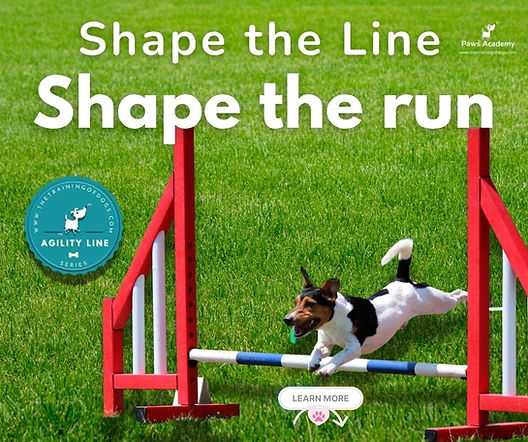
Have you ever watched a dog gracefully sprint through tunnels, leap over hurdles, and weave around poles with incredible speed and focus? That’s agility dog training in action.
If you want your dog to be more active, sharp, and happy, agility training might be just what you need. This fun and exciting activity can boost your dog’s confidence, improve obedience, and strengthen the bond between you two. Curious about how agility training works and what it can do for your dog?
Keep reading to discover everything you need to know to get started.
Agility Dog Training Basics
Agility dog training is a fun and active way to build a strong bond with your dog. It teaches your dog to move quickly and follow commands while navigating different obstacles. The basics focus on understanding key principles, getting familiar with common obstacles, and knowing the equipment needed.
Core Principles
Agility training relies on clear communication between you and your dog. Timing and consistency help your dog learn faster. Positive reinforcement, like treats and praise, motivates your dog to perform well. Patience is important as every dog learns at its own pace.
Common Obstacles
- Jumps – simple bars your dog must leap over.
- Tunnels – enclosed tubes your dog runs through.
- Weave Poles – a series of poles your dog weaves around.
- Contact Obstacles – ramps or seesaws your dog must walk on carefully.
Each obstacle challenges different skills like speed, balance, and focus.
Required Equipment
| Equipment | Description |
|---|---|
| Jumps | Adjustable bars for safe jumping heights. |
| Tunnels | Flexible tubes that bend or stay straight. |
| Weave Poles | Set of poles spaced evenly for weaving. |
| Contact Obstacles | Ramps and seesaws with safe surfaces. |
| Leash and Collar | Used during training for control and safety. |
Good equipment keeps your dog safe and confident.
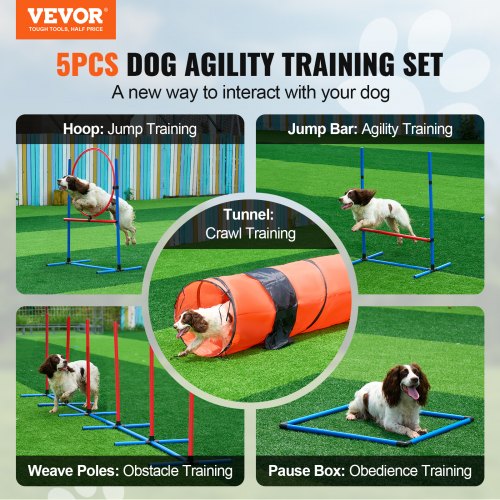
Credit: www.vevor.ca
Benefits For Dogs
Agility dog training offers many benefits for dogs. It helps dogs stay healthy and happy. The training keeps dogs active and sharp. Dogs enjoy the challenges and praise. This section explains key benefits for dogs.
Physical Fitness
Agility training improves a dog’s physical health. It builds strong muscles and joints. Dogs run, jump, and climb during sessions. This exercise helps maintain a healthy weight. It also improves coordination and balance. Regular activity reduces the risk of obesity and related diseases.
Mental Stimulation
Agility training challenges a dog’s mind. Dogs learn to follow commands quickly. They solve problems while navigating obstacles. This mental workout prevents boredom and anxiety. It keeps their brain active and alert. Dogs feel more confident and focused.
Behavior Improvement
Agility training encourages good behavior. Dogs learn to listen and obey commands. It reduces destructive habits like chewing or barking. Training creates a stronger bond between dog and owner. Dogs become more disciplined and calm. This leads to a happier home environment.
Benefits For Owners
Agility dog training offers a range of benefits that go beyond just teaching your dog to navigate obstacles. As an owner, you gain more than just a well-trained pet; you build a stronger relationship and enjoy quality time together. These advantages make agility training a rewarding experience for both you and your dog.
Strengthening Bond
Training sessions create moments where you and your dog rely on each other. This trust grows as your dog learns to follow your cues and you become more attuned to their behavior.
One owner shared how their dog used to be shy and distant, but through agility training, they became inseparable partners. Have you noticed how working towards a common goal deepens your connection with your pet?
Enhancing Communication
Agility training sharpens your ability to give clear commands and your dog’s skill in understanding them quickly. This back-and-forth improves everyday communication beyond the training ground.
You’ll start picking up subtle signals from your dog that you may have missed before. How often do you think about the ways your dog tries to tell you something?
Fun And Engagement
Agility training turns exercise into an enjoyable game for both you and your dog. It breaks the monotony of routine walks and adds excitement to your daily interactions.
Many owners find themselves looking forward to training days as a highlight of their week. What new activities could you add to your routine to keep your dog happy and active?
Getting Started With Training
Starting agility dog training can be an exciting journey for both you and your dog. It’s not just about speed or jumping; it’s about building a strong connection and communication. Before you dive in, there are key steps to prepare yourself and your dog for success.
Choosing The Right Breed
Not every dog is naturally suited for agility training. Breeds like Border Collies, Australian Shepherds, and Jack Russell Terriers tend to excel because of their energy and intelligence. However, any dog can enjoy agility if they’re healthy and motivated.
Think about your dog’s size, temperament, and health. Does your dog enjoy being active and learning new things? If you’re unsure, try observing how your dog reacts to basic play and commands. This can tell you a lot about their potential for agility training.
Basic Commands To Master
Before tackling complex agility courses, your dog needs to master fundamental commands. Focus on “sit,” “stay,” “come,” and “heel.” These commands build the foundation of control and safety during training.
Training these basics might seem simple, but consistency is key. Practice in short, frequent sessions and use positive reinforcement like treats or praise. Have you noticed how your dog responds better to certain types of rewards? Use that to your advantage.
Setting Up A Training Area
Creating a safe, distraction-free space makes a big difference in your dog’s learning. Start with a flat area, either indoors or outdoors, where you can set up basic obstacles like tunnels, low jumps, or weave poles.
Space doesn’t have to be large, but it should be secure. Consider flooring that won’t slip and avoid noisy or busy environments at first. How can you make your training spot inviting and fun for your dog? Sometimes adding their favorite toy nearby can help.
Techniques To Improve Performance
Improving your dog's agility performance is about more than just running through obstacles. It requires careful techniques that build skills, confidence, and responsiveness. These techniques help you and your dog work as a team, making training sessions productive and enjoyable.
Positive Reinforcement
Rewarding your dog immediately after they perform a desired action encourages them to repeat it. Use treats, praise, or toys that your dog loves to keep motivation high. I noticed my dog learned faster when I gave a small treat right after completing a tunnel, rather than waiting until the end of the course.
Positive reinforcement creates a positive association with the obstacles. It shifts your dog’s focus from fear or confusion to excitement and eagerness. Have you tried using different types of rewards to see which your dog responds to best?
Timing And Patience
Timing your rewards precisely is crucial. If you wait too long to reward, your dog may not connect the treat with the specific action. Patience is key, especially when your dog struggles with a new obstacle or command.
During one session, I had to step back and break down a complicated sequence into smaller steps. This helped my dog succeed little by little without feeling overwhelmed. What small steps can you break your training into today?
Consistency In Practice
Regular and consistent practice helps your dog retain skills and build muscle memory. Try to train at the same time and place to create a familiar routine. Even short daily sessions can lead to steady progress.
Consistency also means using the same commands and signals every time. Changing words or hand gestures confuses your dog and slows learning. How can you make your training routine more consistent starting now?
Common Challenges And Solutions
Agility dog training is fun but not without its challenges. Dogs and trainers often face obstacles that slow progress. Knowing common challenges helps trainers prepare and improve results. Solutions make training smoother and more enjoyable for both dogs and owners.
Overcoming Fear
Some dogs feel scared of new obstacles or loud noises. Fear can stop them from trying agility tasks. Patience is key to help dogs gain confidence. Start with easy obstacles and praise often. Use treats and gentle encouragement to create positive feelings.
Make training sessions short to avoid stress. Repeat tasks slowly until the dog feels safe. Gradually introduce new challenges to build courage. Avoid forcing dogs to do things they fear. Respect their pace and celebrate small wins.
Managing Distractions
Agility courses have many distractions like noises and other animals. Dogs must focus despite these interruptions. Begin training in quiet places to build attention. Use clear commands and consistent signals to guide dogs. Reward focus immediately to encourage good behavior.
Increase distractions step-by-step as dogs improve. Practice around other dogs or people to build tolerance. Keep sessions engaging but controlled. Teaching the “look” or “focus” command helps dogs ignore distractions.
Handling Physical Limitations
Not all dogs have the same physical abilities. Some may have joint issues or less stamina. Adapt training to fit each dog’s health and strength. Avoid high-impact obstacles for dogs with sensitive joints. Shorter sessions prevent exhaustion and injury.
Consult a vet before starting agility training. Use low-impact exercises to build strength safely. Monitor the dog for signs of pain or discomfort. Adjust exercises as needed to keep dogs happy and healthy.
Advanced Training Tips
Advanced agility dog training pushes your dog’s skills beyond basic commands. It helps improve speed, precision, and confidence. These tips focus on refining techniques to prepare dogs for real challenges.
Increasing Speed And Accuracy
Speed and accuracy require practice and patience. Use short bursts of training with clear commands. Reward your dog immediately for fast, correct responses. Break complex tasks into smaller parts. Practice each part until your dog performs it flawlessly. Gradually increase speed while keeping accuracy high. Avoid rushing too fast or mistakes will grow.
Combining Obstacles
Combining obstacles trains your dog to think quickly and follow sequences. Start with two obstacles, then add more step-by-step. Guide your dog through each obstacle smoothly. Use consistent signals for each obstacle type. Practice changes in direction and obstacle order. This builds your dog’s confidence and adaptability on the course.
Preparing For Competitions
Competition prep focuses on focus, endurance, and calmness. Simulate competition settings during practice. Use timed runs and add distractions like noise or people. Keep training sessions short but frequent. Teach your dog to stay calm before and during runs. Provide plenty of positive reinforcement to build excitement and confidence.

Credit: www.youtube.com
Resources And Community
Agility dog training grows stronger with the right resources and community support. These elements help both dogs and owners learn faster and enjoy the process. Access to quality materials and a supportive network builds confidence and skill. Training becomes more fun and effective when shared with others who love agility.
Training Classes
Training classes offer hands-on learning with expert guidance. They provide structured lessons that cover basic to advanced agility skills. Classes help dogs and owners practice in real settings. Trainers give immediate feedback to improve performance. Group classes also build social skills for dogs and owners.
Online Tutorials
Online tutorials provide flexible learning anytime, anywhere. Videos and articles break down agility steps into easy parts. They suit different skill levels and training goals. Owners can revisit lessons as needed. Many tutorials include tips for common challenges and safety.
Local Agility Clubs
Local agility clubs create a strong community for training and events. Members share knowledge, advice, and encouragement. Clubs organize practice sessions and competitions to test skills. They offer a space for dogs to socialize and play. Joining a club connects owners with like-minded people and ongoing support.
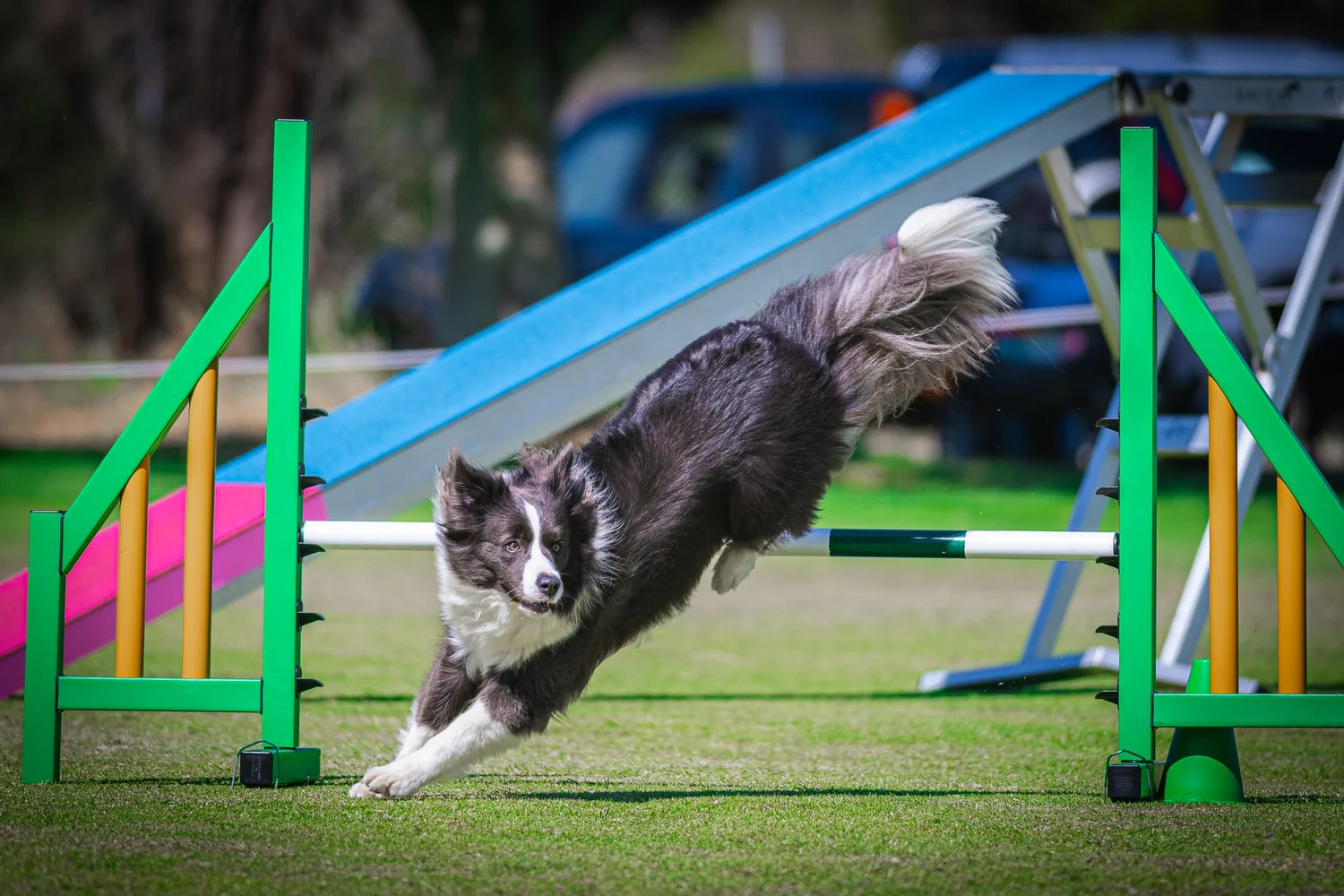
Credit: www.northernsuburbsdogclub.org
Frequently Asked Questions
What Is Agility Dog Training?
Agility dog training involves teaching dogs to navigate obstacle courses. It enhances their physical skills and mental focus. Dogs run through tunnels, jump over hurdles, and weave through poles. This training strengthens the bond between pet and owner. It’s a fun and rewarding activity for both.
How To Start Agility Training With My Dog?
Begin with basic obedience training to build a foundation. Introduce simple obstacles like tunnels and low jumps. Use positive reinforcement to encourage and reward your dog. Gradually increase the complexity of obstacles as your dog becomes more confident. Ensure training sessions are short and fun.
What Breeds Excel In Agility Training?
Breeds like Border Collies, Shelties, and Australian Shepherds excel in agility. These dogs are known for their intelligence and energy. However, many breeds can succeed with dedication and training. Ensure your dog is healthy and enjoys the activity for the best results.
Why Is Agility Training Beneficial For Dogs?
Agility training improves a dog’s physical fitness and mental sharpness. It boosts their confidence and strengthens the bond with the owner. The activity provides an outlet for high-energy dogs. It’s also a great way for dogs to socialize and engage in a stimulating environment.
Conclusion
Agility dog training builds a strong bond between you and your dog. It keeps dogs active and happy. Training helps dogs learn to follow commands quickly. It also improves their focus and confidence. This fun activity suits many dog breeds and sizes.
Start with small steps and be patient. Consistent practice leads to better skills. Enjoy the journey with your furry friend. Agility training brings joy and teamwork to your daily routine.

Emily Barker is the founder of ChillDogLife.com, a space dedicated to helping pup parents discover the best dog products, lifestyle tips, and cozy ideas for happier homes.
A lifelong dog lover, Emily combines her passion for pets with a knack for research to share trusted recommendations on everything from toys and furniture to health and everyday care.
Her goal is simple: to make life easier, stylish, and more joyful for dogs and the people who love them.




