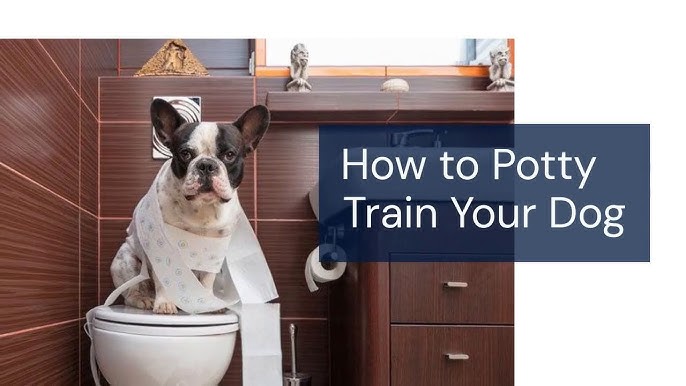
Have you ever wondered if your dog could use the toilet just like a person? Imagine the convenience of no more messy accidents or constant trips outside.
Training your dog to use the toilet might sound surprising, but it’s not impossible. You’ll discover practical tips and surprising facts that could change the way you handle your dog’s bathroom habits forever. Ready to explore a new way to keep your home cleaner and your dog happier?
Keep reading—you won’t want to miss this!

Credit: medium.com
Benefits Of Toilet Training Dogs
Training a dog to use the toilet can bring many benefits. It helps keep your home clean and your pet healthy.
Toilet training also makes daily life easier for dog owners. It can reduce waste and help the environment.
Hygiene Improvements
Toilet training helps prevent accidents inside the house. This reduces bad smells and germs. Dogs that use the toilet often stay cleaner and healthier.
Convenience For Owners
Owners save time and effort by not cleaning up after their dogs indoors. It also means fewer trips outside in bad weather.
- Less cleaning of floors and carpets
- Reduced need for training pads or litter boxes
- More freedom to leave the house without worry
Environmental Impact
| Benefit | Explanation |
| Less Plastic Waste | Fewer disposable training pads or bags |
| Reduced Water Use | Less cleaning of soiled areas |
| Cleaner Outdoors | Dogs trained to use toilets reduce waste on grass and sidewalks |

Credit: sikumi.lv
Assessing Your Dog’s Suitability
Training a dog to use the toilet requires careful thought. Not all dogs are good candidates for this type of training.
Before starting, you should check if your dog’s breed, age, health, and behavior make toilet training a good idea.
Breed Considerations
Some breeds learn new habits faster than others. Smaller dogs may find toilet training easier. Larger dogs might struggle with balance and space.
- Small breeds like Chihuahuas adapt well.
- Medium breeds like Beagles can learn but need patience.
- Large breeds like Great Danes may find toilet training difficult.
- Working breeds may be too active to focus.
Age And Health Factors
Young puppies and older dogs may have trouble with toilet training. Health issues can also affect success.
| Age Group | Suitability |
| Puppies (under 6 months) | May lack bladder control |
| Adults (1-7 years) | Best candidates |
| Seniors (over 7 years) | May have health problems |
| Dogs with Health Issues | Not recommended |
Behavioral Traits
Dogs that are calm and focused usually do better with toilet training. Nervous or hyperactive dogs may resist the process.
- Calm dogs learn routines faster.
- Dogs that obey commands help the training.
- Fearful dogs may avoid the toilet area.
- Active dogs might get distracted easily.
Essential Supplies And Setup
Training a dog to use the toilet takes patience and the right supplies. Setting up the area correctly helps your dog learn faster.
You need to prepare carefully before starting the training. This guide covers the main supplies and setup tips.
Choosing The Right Toilet
Selecting a suitable toilet for your dog is important. It must be safe, comfortable, and easy for your dog to use.
Some dogs may prefer a small dog toilet, while others might learn to use a human toilet with adjustments.
- Use a dog-specific toilet tray or pad for beginners
- Choose a toilet with a sturdy seat and non-slip surface
- Consider a step stool if training on a human toilet
- Make sure the toilet is easy to clean
Training Aids And Tools
Using the right training aids can help your dog understand what to do. These tools make the process smoother and clearer.
Keep your training aids nearby to reward and guide your dog throughout the lessons.
- Clicker or marker to signal correct behavior
- Treats to reward your dog immediately
- Potty training pads for transition periods
- Step stools or ramps for toilet access
- Cleaning supplies for accidents
Creating A Safe Environment
Safety is key when training your dog to use the toilet. The area should be free of hazards and comfortable for your dog.
Make sure your dog feels secure and relaxed to reduce stress during training.
- Place non-slip mats around the toilet area
- Remove sharp or dangerous objects nearby
- Keep the toilet lid secure but easy to open
- Provide good lighting so your dog can see well
- Supervise your dog during training sessions
Step-by-step Training Process
Training a dog to use the toilet takes time and patience. It involves teaching your dog new habits and routines. This guide breaks down the process into clear steps.
Follow each part carefully to help your dog adjust smoothly. Consistency is key for success.
Introducing The Concept
Start by explaining the idea to your dog. Use a special spot in the bathroom where the toilet training will happen. Let your dog explore this area calmly.
Use treats and praise to make this place feel safe and positive. Show your dog the toilet area often to build familiarity.
Transitioning From Outdoors
Move your dog’s bathroom habits from outside to inside slowly. Use a potty tray or a training seat near the toilet.
- Place a potty tray close to the toilet.
- Encourage your dog to use the tray regularly.
- Gradually raise the tray height to match the toilet seat.
- Replace the tray with a dog toilet seat over the toilet.
- Reward your dog for using the new toilet spot.
Reinforcing Good Habits
Keep your dog motivated by giving treats and praise each time it uses the toilet correctly. Consistent rewards help build good habits.
| Action | Reward |
| Using toilet seat without hesitation | Favorite treat |
| Waiting calmly for permission | Verbal praise |
| Signaling the need to go | Extra playtime |
| Avoiding accidents inside | Petting and attention |
Common Challenges And Fixes
Training a dog to use the toilet can be tricky. Some dogs show fear or anxiety during training. Others have accidents or setbacks. Keeping the training consistent is also important.
This section explains common problems and how to fix them. Understanding these helps make training easier for both you and your dog.
Fear Or Anxiety Issues
Some dogs feel scared or anxious about toilet training. They may avoid the toilet or show stress signs. This slows down the training progress.
- Give your dog time to adjust to the new toilet area.
- Use calm, soft voices to reassure your dog.
- Offer treats and praise when your dog approaches the toilet.
- Do not force your dog to use the toilet quickly.
- Watch for stress signs like barking or hiding.
Accidents And Setbacks
Accidents happen during toilet training. Setbacks can be frustrating. Dogs might go in the wrong spot or miss the toilet completely.
| Cause | Fix |
| Dog too young or untrained | Start with basic commands first |
| Toilet area not clean | Keep the area clean and fresh |
| Inconsistent training times | Train at regular times daily |
| Distractions nearby | Choose a quiet, safe toilet spot |
Maintaining Consistency
Consistency is key for toilet training success. Irregular routines confuse dogs and slow progress.
Tips to keep training consistent:
- Set specific times for toilet breaks.
- Use the same toilet spot every time.
- Reward your dog immediately after success.
- Keep training sessions short and frequent.
- Be patient and stay positive.
Credit: dogs.thefuntimesguide.com
Alternatives To Toilet Training
Training a dog to use the toilet can be challenging. Luckily, there are other options. These alternatives can help keep your home clean and your dog comfortable.
Consider these methods if toilet training is not suitable for your pet. They are easier and often more effective for many dog owners.
Litter Box Training
Dogs can learn to use a litter box. This method is similar to how cats are trained. Choose a box that fits your dog’s size.
Fill the box with special dog litter. Place it in a quiet, accessible spot. Encourage your dog to use the box with treats and praise.
- Choose a low-sided box for easy access
- Use dog-specific litter for better results
- Reward your dog for using the box
Outdoor Potty Training
Outdoor potty training is a popular choice. It involves teaching your dog to go outside to relieve itself. This method uses consistency and routine.
Take your dog out regularly. Use a specific spot in the yard. Reward them when they do their business outside.
- Set regular times for outdoor trips
- Choose a consistent potty spot
- Provide treats for successful potty breaks
Using Pee Pads
Pee pads are convenient for indoor potty training. They are absorbent and easy to use. This option suits small dogs and apartments.
Place the pad in a designated area. Guide your dog to the pad when needed. Reward them for using it correctly.
- Use pads with a scent to attract dogs
- Change pads regularly to maintain hygiene
- Provide positive reinforcement for pad use
Expert Tips For Success
Training a dog to use the toilet is a unique challenge. It requires consistency and dedication from the owner. With expert tips, you can guide your dog successfully.
Let’s explore effective techniques to help your dog become toilet-trained. These methods focus on positive reinforcement, patience, and monitoring.
Positive Reinforcement Techniques
Positive reinforcement is key in dog training. Reward your dog with treats when they use the toilet correctly.
Praise is just as important. Use kind words and pet your dog to show approval.
- Give treats immediately after correct toilet use
- Use encouraging words like “good job”
- Pet your dog to reinforce positive behavior
Patience And Timing
Training takes time. Be patient with your dog. Do not rush the process or expect instant results.
Consistency in timing is crucial. Take your dog to the toilet at regular intervals.
- Set a routine for toilet breaks
- Be patient and gentle during training
- Never scold your dog for mistakes
Monitoring Progress
Keep track of your dog’s progress. Note the times when they successfully use the toilet.
Adjust your training methods based on your dog's behavior. Every dog is different and may require unique approaches.
- Record toilet use times and patterns
- Modify techniques if progress is slow
- Celebrate small achievements to boost confidence
Frequently Asked Questions
Can Dogs Be Trained To Use A Human Toilet?
Yes, dogs can be trained to use a human toilet with patience. It requires consistent training and positive reinforcement over weeks or months.
How Long Does Toilet Training A Dog Take?
Toilet training a dog usually takes several weeks to a few months. The timeline varies depending on the dog’s age and learning ability.
What Are The Benefits Of Toilet Training A Dog?
Toilet training a dog reduces indoor accidents and keeps your home clean. It also minimizes the need for outdoor potty breaks.
Is Toilet Training Suitable For All Dog Breeds?
Toilet training can work for many breeds, but some may find it harder. Smaller breeds often adapt more easily than larger ones.
Conclusion
Training a dog to use the toilet takes time and patience. Not all dogs learn this skill easily. It requires consistent practice and clear commands. Some dogs may prefer traditional potty methods. Consider your dog’s size and behavior before starting.
Success depends on your commitment and your dog’s comfort. This training can save cleaning time but is not for every pet. Think about what works best for you both. Remember, every dog is different and learns at their own pace.

Emily Barker is the founder of ChillDogLife.com, a space dedicated to helping pup parents discover the best dog products, lifestyle tips, and cozy ideas for happier homes.
A lifelong dog lover, Emily combines her passion for pets with a knack for research to share trusted recommendations on everything from toys and furniture to health and everyday care.
Her goal is simple: to make life easier, stylish, and more joyful for dogs and the people who love them.




