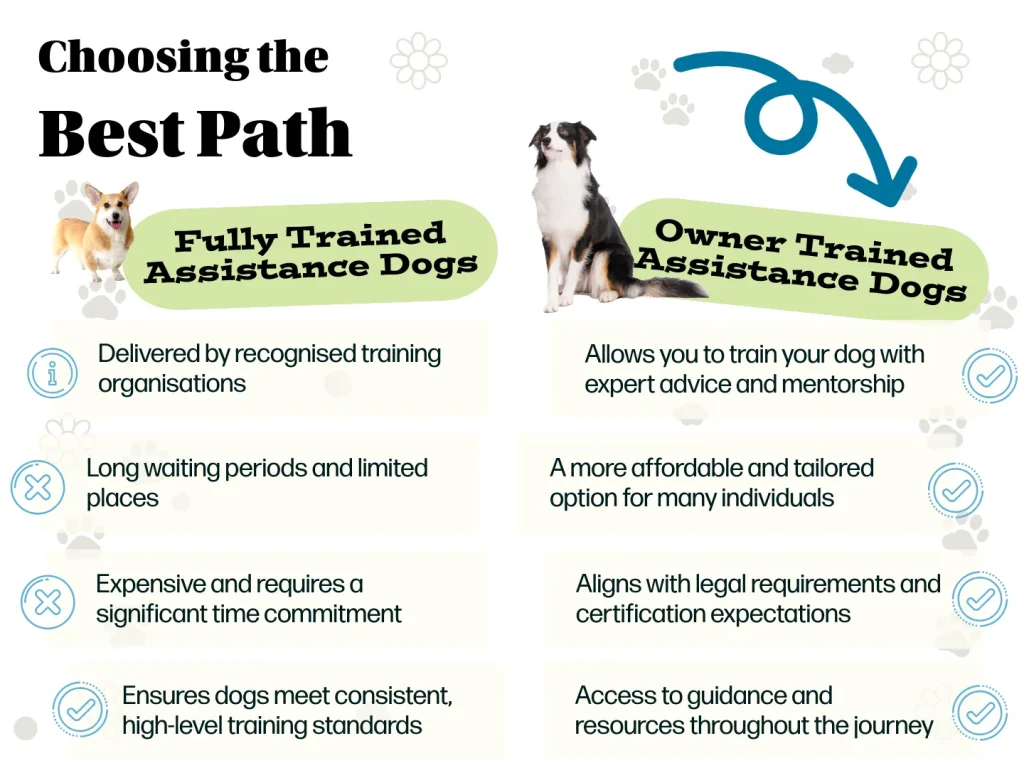
Have you ever wondered how you can make a real difference in someone’s life by training service dogs? Becoming a dog trainer for service dogs is more than just teaching commands—it’s about giving independence and confidence to people who need it most.
If you want to turn your love for dogs into a meaningful career, this guide will show you exactly what steps to take. Keep reading to discover how you can start your path to becoming a skilled service dog trainer and change lives one paw at a time.

Credit: www.animalbehaviorcollege.com
Skills Needed For Service Dog Training
Training service dogs requires special skills and qualities. These skills help trainers guide dogs to assist people.
Good trainers understand both the dogs and the people they serve. They use careful methods to teach important tasks.
Key Personal Traits
Successful service dog trainers have certain personal traits. These traits help them work well with dogs and clients.
Being patient, calm, and observant is very important. Trainers must stay positive and handle challenges with care.
- Patience to work through training slowly
- Calmness to keep dogs relaxed
- Good observation to notice small changes
- Empathy for both dogs and handlers
- Consistency in training routines
Essential Training Techniques
Trainers use specific techniques to teach service dogs. These methods help dogs learn tasks safely and clearly.
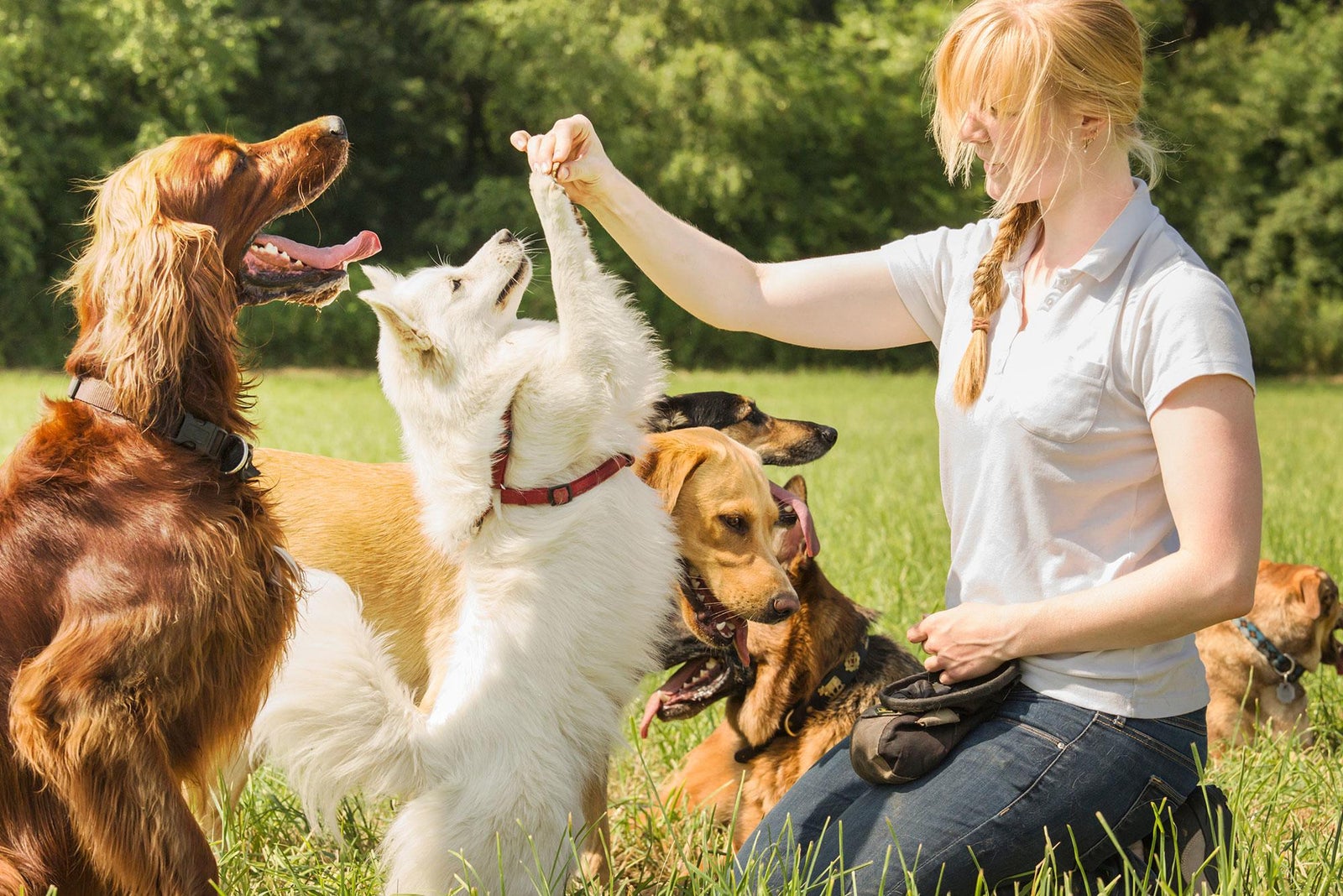
Positive reinforcement is the main approach. Trainers reward good behavior to encourage dogs to repeat it.
- Using treats or praise as rewards
- Breaking tasks into small steps
- Repeating commands with clear signals
- Practicing in different environments
- Gradually increasing task difficulty
Communication And Patience
Clear communication helps dogs understand what is expected. Trainers use body language and voice tones carefully.
Patience is needed because dogs learn at different speeds. Trainers must stay calm and keep training consistent.
- Use simple commands with clear tone
- Watch the dog’s reactions closely
- Allow time for the dog to respond
- Repeat training without frustration
- Adjust methods based on the dog’s needs
Credit: www.training.com.au
Education And Certification Options
Becoming a dog trainer for service dogs requires specific education and training. You need to learn about dog behavior and training methods. Certification helps prove your skills to clients and employers.
There are many paths you can take. Some focus on formal education. Others offer professional certificates. Continuing education keeps your knowledge current.
Relevant Courses And Degrees
You can start with courses in animal science, psychology, or veterinary studies. Many colleges offer degrees related to animal behavior. These courses teach you about dog health, learning, and care.
- Associate or Bachelor’s degree in Animal Science
- Courses in Psychology or Behavior Science
- Veterinary Technician programs
- Workshops on dog training techniques
Popular Certification Programs
Certifications show you have met standards in service dog training. Different organizations offer these programs. They include tests and practical work.
| Certification | Provider | Focus | Requirements |
| Certified Professional Dog Trainer (CPDT) | Certification Council for Professional Dog Trainers | General dog training skills | Experience and exam |
| Service Dog Trainer Certification | International Association of Canine Professionals | Training service and assistance dogs | Practical training hours and test |
| Certified Service Dog Trainer | National Association of Dog Obedience Instructors | Service dog behavior and training | Coursework and evaluation |
Continuing Education
Training methods change over time. You should keep learning new skills. Many groups offer seminars and online classes. This helps you stay updated and improve your work.
- Attend workshops on new training techniques
- Join professional dog training organizations
- Subscribe to industry journals and magazines
- Take online courses on canine behavior
- Participate in conferences and networking events
Hands-on Experience
Becoming a dog trainer for service dogs requires real-world practice. Hands-on experience is crucial in training these special animals.
There are various ways to gain this experience, such as volunteering, internships, and apprenticeships. Each provides unique learning opportunities.
Volunteering Opportunities
Volunteering is a great way to start your journey. It allows you to work with dogs and learn basic training techniques.
- Volunteer at animal shelters to interact with different breeds.
- Join local service dog organizations to observe professionals.
- Participate in community dog training events.
Internships With Service Dog Organizations
Internships offer structured learning experiences. You can work closely with experienced trainers and understand the training process.
| Organization | Location |
| Paws for a Cause | California |
| Guide Dogs Inc. | New York |
| Helping Paws | Texas |
Apprenticeships And Mentorships
Apprenticeships and mentorships give you one-on-one guidance. Learning directly from an expert can fast-track your skills.
Building A Career Path
Becoming a dog trainer for service dogs requires more than love for animals. It involves skill, knowledge, and a clear career plan.
This guide covers ways to build your career by starting a business, working with nonprofits, and networking.
Starting Your Own Training Business
Starting a business lets you set your own rules and work directly with clients. It takes planning and dedication.
- Get certified in dog training and service dog skills.
- Create a business plan outlining your services and goals.
- Register your business and get any necessary licenses.
- Develop training programs specific to service dogs.
- Market your services through local ads and online platforms.
Working With Non-profit Organizations
Non-profits often train service dogs for people in need. Joining one can build your skills and reputation.
| Benefit | Details |
| Hands-on experience | Work with various service dog breeds and cases. |
| Networking | Connect with trainers and professionals in the field. |
| Community impact | Help people who rely on service dogs. |
| Training resources | Access to educational materials and workshops. |
Networking In The Industry
Building relationships with others helps you learn and find new opportunities.
- Attend dog training seminars and conferences.
- Join professional groups and online forums.
- Volunteer at dog training events or shelters.
- Connect with veterinarians and behaviorists.
- Share your experiences and ask for advice.
Legal And Ethical Considerations
Becoming a dog trainer for service dogs involves more than teaching skills. Trainers must follow laws and act ethically. This keeps dogs and clients safe.
Understanding legal rules and ethical duties helps trainers build trust. It also ensures service dogs perform well in public.
Understanding Service Dog Laws
Service dogs have special legal protections in many countries. Trainers need to know these laws to help clients.
Key laws cover where service dogs can go and what tasks they perform. Trainers must follow these rules strictly.
- Americans with Disabilities Act (ADA) allows service dogs in public places in the U.S.
- Service dogs must be trained to help with a specific disability.
- Trainers cannot misrepresent pets as service dogs.
- Some states have extra rules about certification and identification.
Ethical Training Practices
Ethical trainers use kind and safe methods. They avoid punishment or harsh tools.
Good trainers focus on the dog’s well-being and the client’s needs. They teach skills that help the dog work well.
- Use positive reinforcement like treats and praise.
- Train dogs to behave calmly in public.
- Be honest about what the dog can do.
- Keep training consistent and clear.
Client Confidentiality
Trainers often learn personal information about clients. Keeping this information private is very important.
Respecting privacy builds trust. Trainers should not share client details without permission.
- Store client records securely.
- Talk about client cases only with consent.
- Protect sensitive health information.
- Follow laws about data protection.

Credit: www.reddit.com
Tools And Resources For Trainers
Training service dogs requires the right tools and resources. These help trainers teach dogs important skills clearly and safely.
Using the best equipment and learning materials makes training more effective. Technology also plays a growing role in this field.
Training Equipment Essentials
Good equipment makes training easier and safer for service dogs. Trainers should have basic items ready before starting sessions.
- Leashes and collars designed for control and comfort
- Clickers for clear, consistent signals
- Treat pouches to reward dogs quickly
- Crates for safe rest and travel
- Harnesses suited for service dog work
- Target sticks to guide dog movements
Useful Books And Online Resources
Books and online guides offer valuable knowledge for service dog trainers. They cover training techniques and behavior management.
- “Service Dog Training Manual” – a step-by-step guide
- Websites with free tutorials and videos
- Online forums for advice and support
- Courses on dog psychology and obedience
- Articles about legal rules for service animals
Technology In Dog Training
Technology helps trainers track progress and communicate with dogs. New tools improve training accuracy and convenience.
- Apps for scheduling and training logs
- Remote treat dispensers for distance rewards
- Wearable devices to monitor dog health and activity
- Video cameras to review training sessions
- Electronic collars with safe vibration signals
Frequently Asked Questions
What Qualifications Are Needed To Train Service Dogs?
To train service dogs, you need knowledge of animal behavior and obedience training. Certification from recognized programs enhances credibility. Experience with disabilities and patience are essential. Some trainers pursue specialized courses in service dog training to improve skills and job prospects.
How Long Does It Take To Become A Service Dog Trainer?
Becoming a skilled service dog trainer typically takes 1 to 3 years. This includes gaining hands-on experience, completing certifications, and learning specialized techniques. Continuous education is crucial to stay updated on best practices and regulations in service dog training.
Can I Train Service Dogs Without Formal Education?
Yes, you can start training service dogs without formal education by gaining practical experience. However, certifications and formal training improve your skills and job opportunities. Volunteering or apprenticing with experienced trainers is highly recommended to build expertise.
What Skills Are Essential For Service Dog Trainers?
Key skills include patience, communication, and understanding canine behavior. Trainers must know how to teach obedience and assistive tasks. Problem-solving and empathy are vital when working with handlers with disabilities. Continuous learning and adaptability also play important roles.
Conclusion
Becoming a service dog trainer takes patience and dedication. You must learn about dog behavior and training methods. Gaining experience with service dogs is very important. Certification and ongoing education help improve your skills. Helping people through service dogs is a rewarding job.
Keep practicing and stay committed to your goals. This career can make a real difference in many lives. Start small, stay focused, and enjoy the journey ahead.

Emily Barker is the founder of ChillDogLife.com, a space dedicated to helping pup parents discover the best dog products, lifestyle tips, and cozy ideas for happier homes.
A lifelong dog lover, Emily combines her passion for pets with a knack for research to share trusted recommendations on everything from toys and furniture to health and everyday care.
Her goal is simple: to make life easier, stylish, and more joyful for dogs and the people who love them.




