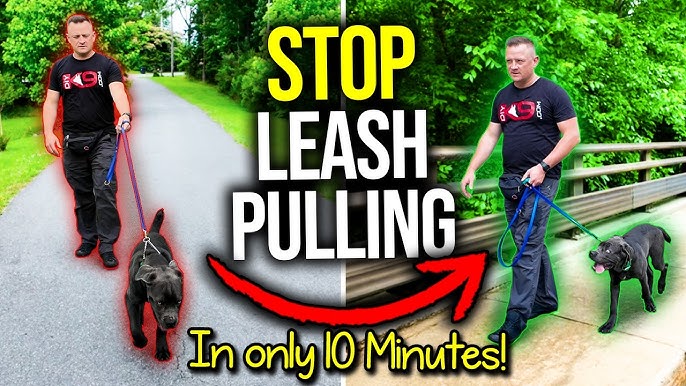
Does your dog pull on the leash every time you go for a walk? It can be frustrating, tiring, and even dangerous for both you and your furry friend.
But what if you could enjoy peaceful, relaxed walks without the constant tugging? You’re not alone, and the good news is that stopping leash pulling is completely possible. You’ll discover simple, effective techniques that will help your dog walk calmly by your side.
Keep reading—you’re just steps away from turning stressful walks into enjoyable moments you both look forward to.
Why Dogs Pull On Leash
Understanding why dogs pull on the leash is the first step toward changing this behavior. It’s not just about bad manners; there are real reasons behind the tugging that you need to recognize. Knowing these reasons can help you address the root causes effectively.
Natural Instincts
Dogs are built to explore and follow scents. Their natural curiosity drives them to pull forward, eager to investigate every smell and sound. Think about your own walks—have you ever rushed toward something interesting? Dogs feel the same urge, which can make leash walking a challenge.
Lack Of Training
Many dogs pull simply because they haven’t been taught how to walk politely on a leash. Without clear guidance, your dog doesn’t know that pulling is unwanted behavior. Consistent training can change this, but it requires patience and clear communication from you.
Overexcitement And Anxiety
Some dogs pull because they are excited to get outside or anxious about their surroundings. This emotional state can cause them to yank the leash in an attempt to control what’s happening. Have you noticed your dog’s body language before a walk? Understanding their mood can help you calm them down before stepping out.
Choosing The Right Equipment
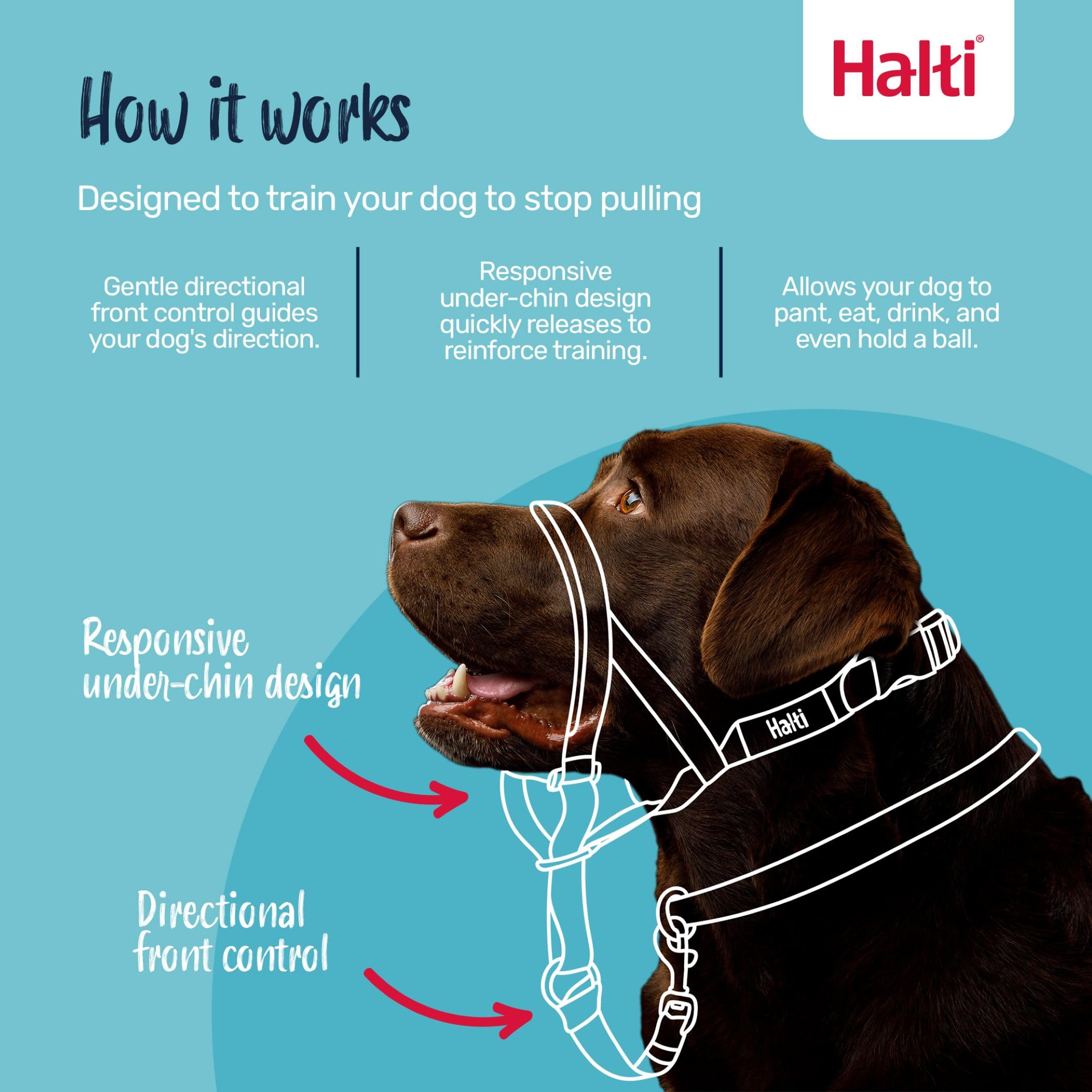
Choosing the right equipment can make a huge difference in stopping your dog from pulling on the leash. The right tools not only give you better control but also make walks more enjoyable for both of you. It’s worth investing time in finding gear that fits your dog’s size, strength, and behavior.
Best Leashes For Control
Leash choice affects how much control you have during walks. A standard 6-foot leash offers a good balance of freedom and control, but some dogs respond better to shorter leashes, around 4 feet, which keep them closer to you.
Consider leashes made from durable materials like nylon or leather. They provide a firm grip and don’t easily stretch or break. Some leashes come with padded handles, which can prevent hand strain if your dog pulls hard.
Have you tried a leash with multiple attachment points? They let you adjust length quickly or attach to a harness, giving you more flexibility depending on the walk.
Harness Options To Reduce Pulling
Harnesses can reduce pulling by distributing pressure more evenly across your dog’s body. Front-clip harnesses are especially effective because they steer your dog toward you when they pull.
Back-clip harnesses are more comfortable but don’t discourage pulling as well. If your dog is a strong puller, a no-pull harness with a front attachment might be the best choice.
Try harnesses with adjustable straps for a snug fit that doesn’t chafe. A well-fitted harness prevents your dog from slipping out and gives you confidence during walks.
Collars Vs. Harnesses
Deciding between a collar and harness depends on your dog’s behavior and health. Collars are simple and good for dogs that don’t pull much, but they can strain the neck and cause injury if your dog pulls hard.
Harnesses offer better control and safety, especially for small breeds or dogs with respiratory issues. Some owners worry harnesses encourage pulling, but with the right type, like front-clip models, pulling often decreases.
Think about your dog’s comfort first. Have you noticed your dog pulling less with a harness? That feedback can guide your choice more than any rule.
Basic Training Techniques
Stopping your dog from pulling on the leash begins with mastering some basic training techniques. These methods create a foundation that encourages your dog to walk calmly by your side. They are simple but require your patience and consistency to see real progress.
Teaching Loose Leash Walking
Loose leash walking means your dog walks beside you without pulling ahead. Start by holding the leash short enough to prevent pulling but not so tight it causes tension. If your dog begins to pull, stop walking immediately.
Wait until your dog returns to your side or the leash slackens, then start walking again. This teaches your dog that pulling stops the walk, while walking calmly keeps it going. You might be surprised how quickly your dog learns to stay by your side when you control the pace.
Using Treats And Rewards
Treats are a powerful tool to encourage good behavior. Carry small, tasty treats and reward your dog every time it walks without pulling. This positive reinforcement helps your dog associate walking calmly with something enjoyable.
Try giving treats at random intervals once your dog understands the behavior. This keeps your dog motivated and attentive. Remember, the reward doesn’t always have to be food—praise and affection work just as well.
Consistent Commands And Signals
Dogs respond best when commands and signals are clear and consistent. Choose simple commands like “heel,” “easy,” or “stop,” and use the same word every time. Pair your command with a hand signal so your dog knows exactly what you want.
Consistency is key. If you allow pulling sometimes, your dog will get confused. Ask yourself: Are you sending mixed signals that might be slowing your dog’s progress?

Credit: www.youtube.com
Advanced Training Tips
Advanced training tips can transform your walks with your dog from a tug-of-war into a smooth, enjoyable experience. These techniques require patience and consistency but can drastically reduce leash pulling. Let’s dive into three effective strategies that can help you regain control and build better communication with your furry friend.
Stopping And Waiting Method
This method is simple but powerful. The moment your dog starts pulling, stop walking immediately. Stand still and wait patiently until the leash slackens.
Your dog will quickly learn that pulling doesn’t get them anywhere. Once the leash is loose, start walking again. This teaches your dog that pulling delays the fun part of the walk.
It might feel frustrating at first, especially if your dog pulls a lot. But staying consistent will show your dog that pulling is pointless. Have you noticed how your dog’s behavior changes when you stop moving abruptly?
Changing Direction Technique
Try turning and walking in the opposite direction as soon as your dog pulls. This unexpected move catches your dog’s attention.
Your dog has to refocus on you to keep up. It also teaches your dog to pay closer attention to your movements.
Practice this in quiet areas before adding distractions. Do you think your dog notices the shift in power when you take charge of the walk?
Incorporating Distractions
Dogs pull more when excited or distracted. Add controlled distractions to your training to build focus.
- Start by training in a calm environment.
- Gradually introduce noises, people, or other dogs.
- Reward your dog for walking calmly near distractions.
This approach helps your dog learn to stay by your side, no matter what’s around. What distractions does your dog find hardest to ignore?
Managing Your Dog’s Energy
Managing your dog’s energy is key to stopping leash pulling. Dogs with excess energy often pull because they want to release that built-up excitement or frustration. Helping your dog burn off energy before a walk can make a huge difference in how calm and focused they stay on the leash.
Pre-walk Exercise
Giving your dog some exercise before you head out can reduce their urge to pull. A quick game of fetch or a short run in the yard works well. Even 10 to 15 minutes of playtime can tire them out enough to make walking more enjoyable for both of you.
Think about your dog’s breed and age—are they naturally high energy? Adjust the length and intensity of pre-walk activities accordingly. You might notice your dog walking calmly after a short sprint or some tug-of-war.
Calming Exercises Before Walks
Calming exercises help your dog settle their mind and body before stepping outside. Try simple training drills like “sit” and “stay,” rewarding calm behavior with treats. This shifts their focus from excitement to listening to you.
Another effective technique is gentle massage or deep pressure on your dog’s shoulders and chest. This can lower heart rate and reduce stress. Does your dog respond well to touch? Use this to your advantage before leash time.
By managing your dog’s energy through these exercises, you set the stage for a better walk. Have you noticed how a calmer dog on the leash makes your stroll more relaxing? It’s worth experimenting with these steps to see what works best for your furry friend.
Credit: www.amazon.com
Common Mistakes To Avoid
Stopping your dog from pulling on the leash takes patience and the right approach. Many dog owners make simple mistakes that slow progress or make pulling worse. Recognizing these common errors helps you train better and enjoy walks more.
Pulling Back On Leash
Pulling back hard on the leash can hurt your dog’s neck. It often increases pulling instead of stopping it. Your dog may try to pull more to escape the pressure. Use gentle guidance instead of force to teach proper walking.
Inconsistent Training
Training must be steady and regular. Skipping days or changing rules confuses your dog. They do not learn what you want. Keep commands and rewards consistent every walk. Patience and practice build good leash manners.
Ignoring Signs Of Stress
Dogs show stress by panting, whining, or avoiding eye contact. Ignoring these signs hurts learning and trust. Stop and give your dog a break if they seem upset. Calm walks help your dog feel safe and focus better.
When To Seek Professional Help
Knowing when to ask for professional help can save both you and your dog a lot of frustration. Some leash-pulling problems go beyond simple training techniques and require expert guidance. Recognizing the right moment to reach out ensures your dog’s safety and strengthens your bond.
Recognizing Persistent Pulling
If your dog keeps pulling despite consistent training efforts, it might be time to get help. Pulling that causes you to lose control or puts your dog at risk of injury should never be ignored.
Ask yourself these questions:
- Have you tried different training methods for several weeks without progress?
- Does your dog react aggressively or anxiously when on a leash?
- Is leash pulling causing dangerous situations during walks?
If you answered yes to any of these, persistent pulling is more than just bad behavior—it’s a sign that professional insight could make a big difference.
Finding A Trainer Or Behaviorist
Not all dog trainers are the same. Look for someone who specializes in leash training or behavior modification. Certified trainers or veterinary behaviorists bring knowledge that can address the root cause of pulling.
Here’s what to consider when choosing a professional:
- Check their certifications and reviews from other dog owners.
- Ask if they use positive reinforcement techniques rather than punishment.
- Ensure they offer a personalized plan tailored to your dog’s specific needs.
Working with the right expert can transform your walks into enjoyable experiences. Have you ever wondered why some dogs walk calmly while others don’t? The difference often lies in expert guidance tailored to each dog’s unique personality.

Credit: www.reddit.com
Frequently Asked Questions
How Can I Train My Dog To Stop Pulling?
Training your dog to stop leash pulling involves consistency and patience. Use positive reinforcement techniques like treats and praise. Practice walking in a quiet area without distractions. Gradually introduce more challenging environments. Short, frequent training sessions work best. Consider using a no-pull harness for added control and comfort.
What Leash Type Is Best For A Pulling Dog?
A no-pull harness is ideal for dogs that pull. It distributes pressure evenly across the body, reducing strain on the neck. Look for one with front clip attachments. This helps redirect your dog’s attention back to you. Avoid retractable leashes, as they can encourage pulling behavior.
Why Does My Dog Pull On The Leash?
Dogs pull on leashes for various reasons, including excitement, curiosity, or lack of training. They may want to explore their surroundings quickly. In some cases, pulling is a learned behavior that hasn’t been corrected. Understanding your dog’s motivation can help address the issue effectively.
Can Professional Training Help With Leash Pulling?
Yes, professional training can significantly help with leash pulling. Trainers offer personalized guidance and effective techniques. They can address specific behavioral issues and teach you how to communicate better with your dog. Investing in professional help can lead to quicker, more lasting results for leash training.
Conclusion
Stopping your dog from pulling on the leash takes time and patience. Practice daily with short walks and gentle corrections. Reward good behavior to encourage calm walking. Use the right equipment to help control your dog. Remember, consistency is key for success.
Every small step brings you closer to peaceful walks. Enjoy the journey with your furry friend. Walking should be fun for both of you. Keep trying, and soon leash pulling will be a thing of the past.

Emily Barker is the founder of ChillDogLife.com, a space dedicated to helping pup parents discover the best dog products, lifestyle tips, and cozy ideas for happier homes.
A lifelong dog lover, Emily combines her passion for pets with a knack for research to share trusted recommendations on everything from toys and furniture to health and everyday care.
Her goal is simple: to make life easier, stylish, and more joyful for dogs and the people who love them.




