Have you ever wondered what your dog is really trying to tell you? Dogs don’t speak with words, but their bodies send powerful signals every day.
Understanding your dog’s behavior and body language can deepen your bond and help you avoid misunderstandings. Imagine being able to tell when your dog is happy, scared, or stressed just by watching their tail or ears. If you want to connect better with your furry friend and keep them safe and comfortable, learning these simple signs is a game-changer.
Keep reading, and you’ll discover the key to unlocking your dog’s true feelings.
Common Dog Postures
Dogs use their bodies to show how they feel. Watching their posture helps us understand them better.
Each posture tells a different story about a dog’s mood or intentions. Let’s look at some common dog postures.
Relaxed And Calm Stance
A relaxed dog stands or sits with a loose body. Their tail may hang naturally or wag gently.
They have soft eyes and open mouths. This posture shows the dog feels safe and happy.
- Loose muscles
- Relaxed tail position
- Soft eyes and mouth
- Normal breathing
Alert And Attentive Position
In this posture, the dog stands tall and stiff. Their ears point forward and eyes focus on something.
The tail may be raised but still relaxed. Dogs use this pose to watch or listen closely.
- Straight body
- Ears up and forward
- Focused eyes
- Tail raised but loose
Fearful And Submissive Pose
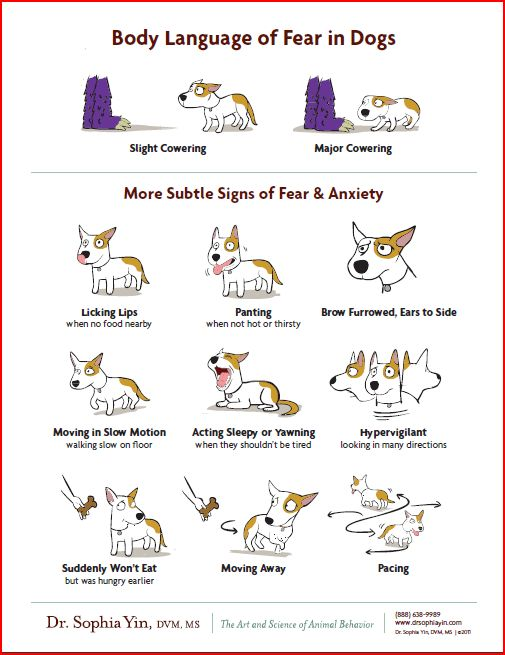
A fearful dog lowers its body and tucks the tail. They may avoid eye contact or look away.
They often flatten their ears back and may lick lips or yawn. This posture shows they feel scared.
- Body lowered or crouched
- Tail tucked or low
- Ears back or flat
- Avoids eye contact
Aggressive And Dominant Stance
An aggressive dog stands tall with stiff legs. Their tail is high and may wag stiffly or not at all.
The ears point forward or are raised. They may growl, bare teeth, or stare directly.
- Rigid body stance
- Tail high and stiff
- Ears forward or raised
- Direct stare or growling

Credit: tullystraining.com
Tail Movements And Meanings
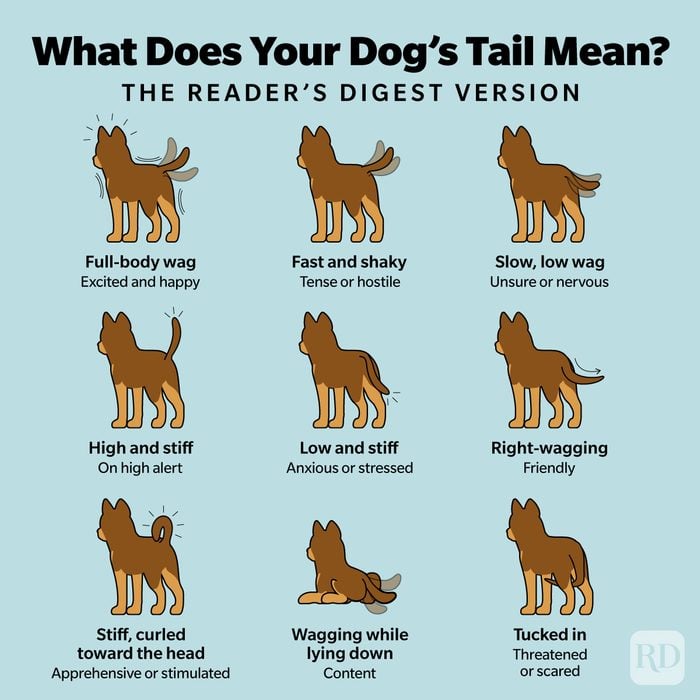
Dogs use their tails to express feelings and intentions. Watching tail movements helps understand their mood.
Each tail position and wagging pattern tells a different story. Learning these signs improves dog communication.
Wagging Patterns
A wagging tail usually shows excitement or friendliness. But the speed and direction of wagging matter.
- Fast wagging means the dog is happy or eager.
- Slow wagging can show caution or uncertainty.
- A wag more to the right signals positive feelings.
- A wag more to the left may mean the dog feels anxious.
- A stiff wag can warn of possible aggression.
Tail Position Signals
| Tail Position | Meaning |
| High and stiff | The dog feels alert or dominant. |
| Mid-level and relaxed | The dog is calm and comfortable. |
| Low or wagging loosely | The dog is submissive or friendly. |
| Raised but wagging | The dog is confident and happy. |
Tucked Tail Indications
A tucked tail usually means fear or stress. The dog tries to make itself smaller.
Signs of a tucked tail include:
- Tail pressed tightly against the belly
- Lowered body posture
- Avoiding eye contact
- Shaking or trembling
Facial Expressions
Dogs use their faces to show how they feel. Watching their facial expressions helps us understand their mood.
Facial signals include eyes, ears, mouth, and lips. Each part shows different feelings and intentions.
Eye Contact And Blinking
Dogs use eye contact to communicate. A soft gaze means calm and trust. Staring can mean challenge or fear.
Blinking often shows relaxation. Fast blinking or squinting can mean stress or discomfort.
- Soft eyes = friendly and calm
- Direct stare = warning or challenge
- Slow blinking = relaxed and comfortable
- Rapid blinking = nervous or stressed
Ear Positions
Dog ears change position to show feelings. Ears up mean alert or curious. Ears back mean fear or submission.
Floppy ears may move with mood. Watch ear direction to know if a dog feels safe or worried.
- Ears forward = interested or alert
- Ears flat back = scared or anxious
- Ears relaxed = calm and happy
- One ear up, one down = unsure or curious
Mouth And Lip Movements
Dogs show feelings with their mouth and lips. A relaxed mouth means the dog is happy or calm.
Tense lips or showing teeth can mean fear, aggression, or discomfort. Watch for lip licking or yawning too.
- Open, relaxed mouth = happy and calm
- Lips pulled back = fear or stress
- Showing teeth = warning or threat
- Lip licking = nervousness or appeasement
- Yawning = stress or trying to calm down
Credit: www.rd.com
Vocalizations And Sounds
Dogs use sounds to share their feelings and thoughts. These vocalizations help them talk to people and other dogs.
Listening to dog sounds can tell you if they feel happy, scared, or alert. Understanding these sounds helps improve your bond.
Barking Types
Barking is the most common way dogs make noise. Dogs bark for many reasons like warning, playing, or asking for attention.
Each bark sounds different. The tone and speed tell what the dog wants or feels.
- Alert Bark: Sharp and loud to warn of danger
- Playful Bark: Short and high-pitched during fun
- Demand Bark: Repeated to ask for something
- Fear Bark: Quick and nervous when scared
Whining And Whimpering
Whining is a soft, high-pitched sound. Dogs use it to show discomfort or ask for help.
Whimpering is like a quiet cry. It often means a dog feels sad, scared, or in pain.
- Attention Whine: Asking for petting or play
- Stress Whine: Feeling nervous or uneasy
- Pain Whine: Showing injury or sickness
Growling And Howling
Growling is a low, guttural sound. Dogs growl to warn others or show they feel threatened.
Howling is a long, drawn-out sound. Dogs howl to communicate with others over long distances or express loneliness.
- Warning Growl: Shows a dog wants space
- Playful Growl: Happens during rough play
- Lonely Howl: Calls for company or attention
- Territorial Howl: Marks the dog’s area
Body Movements And Gestures
Dogs use body movements to communicate feelings and intentions. Watching these signs helps us understand their mood.
Body language includes gestures like tail wagging, ear positions, and posture. These clues show if a dog feels happy, scared, or playful.
Play Bow And Inviting Play
The play bow is a common way dogs invite others to play. They lower their front legs and keep their rear end up.
- This gesture signals friendliness and fun.
- It often appears before running or chasing games.
- Dogs may repeat the bow to keep play going.
Pacing And Restlessness
Pacing means walking back and forth without stopping. Restlessness shows a dog feels anxious or excited.
| Behavior | Possible Meaning |
|---|---|
| Pacing | Nervousness, boredom, or waiting for something |
| Restlessness | Stress, anticipation, or need for exercise |
Licking And Nuzzling
Licking and nuzzling are gentle ways dogs show care or ask for attention. They use these to bond with people or other pets.
- Showing affection or love
- Seeking comfort or reassurance
- Exploring new smells or tastes
- Calming themselves or others
Contextual Clues In Behavior
Understanding your dog's behavior can help you know their feelings. Dogs use body language to communicate with us and other animals. Context matters when you interpret these signals.
By observing interactions and surroundings, you can better understand what your dog is trying to tell you. Let’s explore different scenarios to help you read your dog’s signals accurately.
Interactions With People
Dogs show different behaviors when interacting with people. They might wag their tail or lower their body when excited. Each gesture means something.
- Wagging tail: usually means happiness or excitement
- Raised hackles: might indicate fear or aggression
- Rolling over: often a sign of submission
Responses To Other Animals
When dogs meet other animals, they communicate through their body language. It is important to watch these interactions carefully.
| Behavior | Meaning |
| Play bow | Invitation to play |
| Growling | Warning or discomfort |
| Sniffing | Gathering information |
Environmental Triggers
Dogs react to changes in their environment. Loud noises or new places can affect their behavior. Understanding these triggers helps in managing their responses.
Note:Always consider the environment when assessing your dog’s behavior. This helps in providing the best care and response.
Reading Stress And Anxiety Signals
Dogs communicate stress and anxiety through body language. Understanding these signals helps you support your pet effectively.
Recognizing stress indicators can improve your dog’s well-being. Pay attention to specific behaviors that reveal discomfort.
Yawning And Lip Licking
Yawning in dogs can indicate stress rather than tiredness. Lip licking is another sign of anxiety or unease.
- Frequent yawning in calm situations
- Quick tongue flicks over lips
Panting And Shaking
Panting is normal after exercise but can indicate stress otherwise. Shaking can also be a sign of anxiety in dogs.
Avoidance And Hiding
When dogs are stressed, they might avoid people or hide. This behavior shows they feel threatened or uncomfortable.
| Behavior | Possible Cause |
| Hiding under furniture | Loud noises |
| Avoiding eye contact | Feeling threatened |
Improving Communication With Your Dog
Understanding your dog’s body language helps you communicate better. Dogs use their bodies to show feelings and needs.
Learning these signals can prevent problems and make your bond stronger. Let’s explore how to read and respond to your dog.
Recognizing Early Signs
Dogs show early signs before they act out. Watch their ears, tail, and eyes closely. These signs tell you how they feel.
- Ears pulled back may mean fear or stress.
- A wagging tail can show happiness or excitement.
- Yawning might signal tiredness or discomfort.
- Licking lips often means nervousness or uncertainty.
- Stiff body posture can signal alertness or aggression.
Responding Appropriately
When you see signs, act in ways that calm your dog. Use gentle tones and slow movements. Avoid sudden actions that may scare them.
| Dog Signal | Suggested Response |
| Ears back | Speak softly and give space |
| Tail wagging | Offer play or petting |
| Yawning | Check for stress; give rest time |
| Licking lips | Stay calm and observe closely |
| Stiff posture | Do not approach; wait patiently |
Building Trust And Bonding
Trust grows when you respect your dog’s feelings. Spend quiet time together. Let your dog come to you at their own pace.
Try these tips to build trust:
- Use treats to reward calm behavior
- Speak softly and avoid shouting
- Give your dog choices during walks
- Be patient and consistent in training

Credit: allisonsanimalacademy.com
Frequently Asked Questions
What Does A Wagging Tail Mean In Dog Behavior?
A wagging tail usually indicates happiness or excitement. However, tail speed and position also show different emotions. Slow wagging can mean caution. High, fast wagging shows friendliness. Understanding tail signals helps decode your dog’s mood accurately.
How Do Dogs Show Fear Through Body Language?
Fear in dogs appears as lowered body posture, tucked tail, and avoiding eye contact. They may also yawn or lick lips nervously. Recognizing these signs helps prevent stressful situations and supports your dog’s emotional well-being.
Why Do Dogs Lick Their Lips Often?
Lip licking can signal stress, anxiety, or submission. Sometimes, it occurs after eating or when anticipating food. Observing the context and other body signals helps determine if licking means nervousness or something else.
What Does A Dog’s Raised Hackles Indicate?
Raised hackles show arousal, which can mean excitement, fear, or aggression. It’s a warning sign that the dog is alert and may feel threatened. Pay attention to other behaviors to understand the exact emotion.
Conclusion
Understanding dog body language helps build trust and friendship. Watch their tail, ears, and eyes closely. These signs tell you how your dog feels inside. Respect their signals to keep them happy and safe. Every dog is unique, so learn their style.
Spend time observing and enjoy your bond growing. Communication is simple once you know the signs. This knowledge makes life better for both you and your dog. Keep practicing and stay patient. Your dog will thank you with love and loyalty.

Emily Barker is the founder of ChillDogLife.com, a space dedicated to helping pup parents discover the best dog products, lifestyle tips, and cozy ideas for happier homes.
A lifelong dog lover, Emily combines her passion for pets with a knack for research to share trusted recommendations on everything from toys and furniture to health and everyday care.
Her goal is simple: to make life easier, stylish, and more joyful for dogs and the people who love them.




