Does your dog growl or snap when meeting other dogs? It can be stressful and even dangerous for both you and your furry friend.
But here’s the good news: you can teach your dog to stay calm and friendly around other dogs. You’ll discover simple, effective steps to reduce your dog’s aggression. You’ll learn how to build trust, control your dog’s behavior, and create positive experiences.
Keep reading, and you’ll gain the tools to help your dog become more relaxed and happy during every encounter.
Causes Of Dog Aggression
Dog aggression can be hard to manage. Understanding what causes it helps in training.
Many things affect why a dog shows aggression. Some are natural, and some come from experience.
Genetic Factors
Some dogs are born with traits that make them more likely to be aggressive. These traits come from their parents.
Certain breeds have a higher chance of showing aggression. This is due to their genetics and history.
- Inherited temperament plays a role
- Some breeds are naturally protective
- Genetics affect how dogs react to threats
Environmental Influences
A dog’s surroundings impact its behavior. Stressful or dangerous environments increase aggression.
Dogs that face harsh treatment or poor care often become aggressive. Safe and calm places help reduce this.
- Neglect or abuse raises fear and anger
- Loud or chaotic homes cause stress
- Positive environments support better behavior
Fear And Anxiety
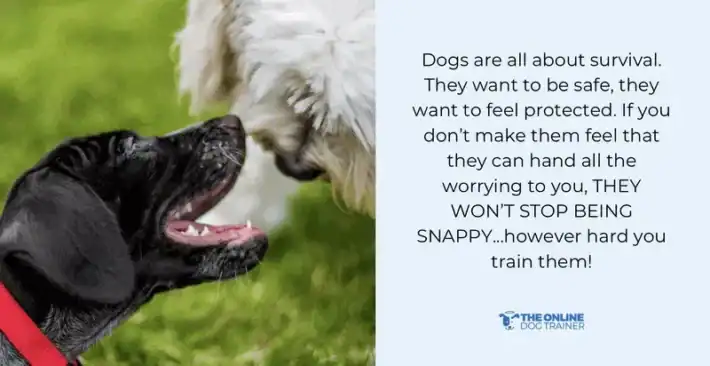
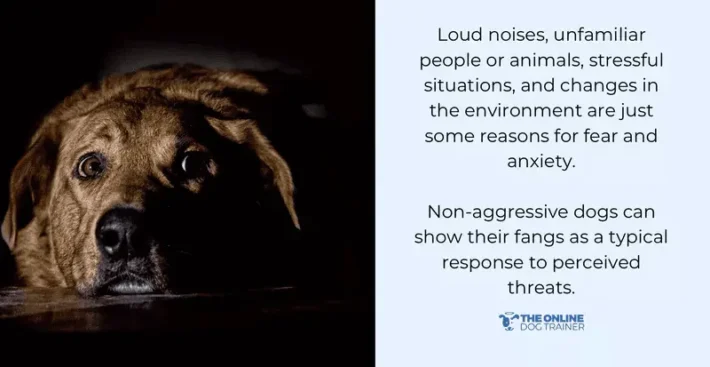
Fear is a common cause of aggression in dogs. When scared, dogs may bite or growl to protect themselves.
Anxiety can make dogs feel unsafe. This feeling can trigger aggressive actions to feel in control.
- Fear causes defensive aggression
- New or strange situations increase anxiety
- Calm training helps reduce fear responses
Lack Of Socialization
Dogs that do not meet other dogs or people early may act aggressively. They do not learn proper behavior.
Socialization teaches dogs how to behave around others. Without it, they may feel threatened easily.
- Puppies need early social experiences
- Regular meetings with other dogs reduce fear
- Exposure to different people helps friendliness
Signs Of Dog Aggression
Dog aggression shows in many ways. Recognizing these signs helps you keep your dog safe.
Signs of aggression come from how dogs look, sound, and act. Watch closely to spot these signs early.
Body Language Cues
Dogs use their bodies to show how they feel. Aggressive dogs often show tense muscles and stiff postures.
Look for raised fur, fixed staring, and a low or high tail. These are common signs of aggression.
- Stiff body and raised hackles
- Direct, hard stare
- Tail held high or tucked low
- Lips curled to show teeth
- Ears pinned back or standing up
Vocalizations
Dogs make different sounds to show anger or fear. Growling and barking are common warning signs.
Listen for low growls, sharp barks, or snarls. These sounds often mean your dog feels threatened.
- Low growling or snarling
- Loud, sharp barking
- Snapping or biting noises
- Whining or yelping in distress
Behavioral Patterns
Aggressive dogs may act in certain ways before or during aggression. Watch for these behavior patterns.
They might snap at people or other dogs, guard food, or refuse to obey simple commands.
- Snapping or lunging at others
- Guarding toys, food, or space
- Refusing to obey commands
- Sudden attacks without warning
- Showing fear or hiding before aggression
Preparing For Training
Training a dog to not be aggressive requires preparation. You need to plan and gather necessary tools for success.
Understanding the training process helps in reducing aggression in dogs. Preparation is key to making it easier.
Choosing The Right Trainer
A good trainer can guide you through the process effectively. They know how to handle aggressive dogs safely.
- Look for certified trainers with experience.
- Ask for recommendations from friends or veterinarians.
- Meet the trainer to ensure they understand your needs.
Essential Training Tools
Using the right tools can make training more efficient. It helps in communicating better with your dog.
| Tool | Purpose |
| Leash | Control and guidance |
| Treats | Positive reinforcement |
| Clicker | Marking good behavior |
Safety Measures
Safety is crucial during training. Proper measures protect both you and your dog from harm.
Ensure your dog is in a controlled environment during training.
Keep a safe distance from other dogs initially.
Use a muzzle if needed for additional safety.
Credit: theonlinedogtrainer.com
Socialization Techniques
Training a dog to reduce aggression starts with proper socialization. Socialization helps dogs feel safe and calm around others.
Using clear steps and patience, you can help your dog learn how to behave well with other dogs and people.
Controlled Introductions
Controlled introductions let your dog meet new dogs safely. Keep your dog on a leash and choose a quiet place. Start with calm dogs that do not show aggression.
- Keep both dogs on a leash and at a safe distance.
- Watch their body language carefully for signs of stress.
- Allow them to sniff and observe each other calmly.
- End the meeting if either dog shows signs of aggression.
- Repeat short meetings regularly to build comfort.
Positive Reinforcement
Use treats and praise to reward calm behavior. This helps your dog learn what is good during interactions. Reward your dog every time it stays calm near other dogs.
| Behavior | Reward |
| Calm sitting | Small treat |
| Ignoring other dogs | Verbal praise |
| Walking politely on leash | Petting |
| Not barking or growling | Favorite toy |
Gradual Exposure
Gradual exposure means slowly introducing your dog to new sights, sounds, and dogs. Start from a distance and get closer over time. This helps lower your dog’s fear and aggression.
Follow this plan for gradual exposure:
- Begin in a quiet area with few distractions.
- Show your dog other dogs from far away.
- Use treats to keep your dog calm.
- Slowly decrease the distance over several sessions.
- Stop if your dog shows stress or aggression.
- Repeat often to build confidence.
Behavior Modification Strategies
Training a dog to reduce aggression takes patience and clear steps. Behavior modification helps change how your dog reacts.
These strategies focus on changing your dog’s feelings and reactions. They help your dog stay calm around other dogs.
Desensitization
Desensitization means slowly exposing your dog to what makes it aggressive. You start with low levels of the trigger.
Over time, your dog gets used to the trigger and stops reacting badly. This helps reduce fear and anger.
- Begin at a distance where your dog stays calm
- Gradually bring the trigger closer over days or weeks
- Keep sessions short and positive
- Reward calm behavior with treats or praise
Counter-conditioning
Counter-conditioning changes how your dog feels about other dogs. You pair the trigger with something good.
This teaches your dog to expect treats or fun when it sees another dog. It builds positive feelings instead of fear.
- Give treats when your dog notices another dog
- Use toys or praise to make encounters fun
- Stay calm and relaxed yourself
- Repeat often to build new habits
Redirecting Aggression
Redirecting aggression means changing your dog’s focus away from the other dog. You guide your dog to a new action.
This helps stop aggressive behavior before it starts. You replace barking or lunging with a command or activity.
- Use commands like “sit” or “look at me”
- Offer a toy or chew to focus attention
- Practice these commands in calm settings first
- Reward your dog for following the new behavior
Consistency And Patience
Training a dog not to be aggressive towards other dogs takes time. Consistency and patience are key. Dogs learn best when they experience routines and clear expectations.
It’s important to remain calm during training. Your dog will sense your emotions. Stay positive and patient to help your dog feel secure and focused.
Establishing Routines
Creating a routine helps your dog know what to expect each day. This reduces anxiety and aggression. Consistent routines make training sessions more effective.
Set specific times for walks, meals, and play. Use the same commands for behaviors. This consistency helps your dog understand what’s expected.
- Walk your dog at the same time daily
- Use clear, simple commands
- Stick to a regular feeding schedule
Tracking Progress
Keep a record of your dog’s behavior during training. Note any changes or improvements. This helps you see what works and what needs adjustment.
Use a notebook or an app to track daily progress. Record any signs of aggression and positive interactions with other dogs.
| Date | Behavior | Notes |
| Monday | Calm on leash | Responded well to commands |
| Tuesday | Barked at dogs | Needs more practice |
Handling Setbacks
Setbacks are normal during training. Stay calm and do not get frustrated. Dogs need time to learn new behaviors.
If your dog shows aggression, pause the session. Give them time to relax. Return to training when they are calm.
- Stay patient and calm
- Take breaks if needed
- Reinforce positive behavior
When To Seek Professional Help
Training a dog to reduce aggression takes time and patience. Some situations need expert advice. Knowing when to get help keeps everyone safe.
If your dog shows strong aggressive behavior, it may be beyond basic training. A professional can guide you with the right approach.
Recognizing Limits
Watch your dog’s behavior closely. Signs of serious aggression include biting, lunging, or growling with no warning. If these happen often, stop training alone.
- Your dog attacks other dogs or people.
- Aggression worsens despite your efforts.
- You feel unsafe during training sessions.
- Your dog shows fear that triggers aggression.
- You cannot control your dog on a leash.
Types Of Professionals
Different experts help with aggressive dogs. Choose one based on your dog’s needs and your goals.
| Professional | Role |
| Veterinarian | Checks for health problems causing aggression |
| Certified Dog Trainer | Teaches obedience and behavior control |
| Animal Behaviorist | Studies causes and fixes of aggressive behavior |
| Veterinary Behaviorist | Combines medicine and behavior therapy |
Therapeutic Options
Professionals use various therapies to help aggressive dogs. These methods improve behavior over time.
- Behavior modification with reward-based training
- Desensitization to triggers that cause aggression
- Medication to reduce anxiety or aggression
- Controlled socialization with other dogs
- Management plans to avoid risky situations
Credit: theonlinedogtrainer.com
Credit: theonlinedogtrainer.com
Frequently Asked Questions
How Can I Stop My Dog’s Aggression Towards Other Dogs?
Start socializing your dog early with controlled, positive interactions. Use consistent training and reward calm behavior. Avoid punishment, as it worsens aggression. Consult a professional trainer if needed for personalized guidance.
What Are Common Triggers For Dog Aggression?
Common triggers include fear, territorial behavior, resource guarding, and lack of socialization. Stressful environments and pain can also provoke aggression. Identifying triggers helps tailor effective training and prevention strategies.
Is Professional Help Necessary For Aggressive Dogs?
Yes, professional help is often essential. Experts assess behavior accurately and create safe, effective training plans. They help owners manage risks and improve dog behavior faster and more safely.
How Long Does It Take To Train A Dog Not To Be Aggressive?
Training duration varies by dog and aggression severity. Consistent, daily training over weeks or months is typical. Patience and persistence are key for lasting behavior change.
Conclusion
Training a dog to avoid aggression takes time and patience. Stay calm and consistent in every step. Reward good behavior and ignore bad actions. Socialize your dog with others safely and slowly. Use clear commands and gentle corrections. Watch your dog’s body language closely.
This helps prevent aggressive situations early. Remember, kindness builds trust and confidence. With care, your dog can become calm and friendly. Keep practicing daily for best results. Your effort will create a happier, safer pet.

Emily Barker is the founder of ChillDogLife.com, a space dedicated to helping pup parents discover the best dog products, lifestyle tips, and cozy ideas for happier homes.
A lifelong dog lover, Emily combines her passion for pets with a knack for research to share trusted recommendations on everything from toys and furniture to health and everyday care.
Her goal is simple: to make life easier, stylish, and more joyful for dogs and the people who love them.




