
Are you ready to bring out the best in your pitbull puppy? Training your new furry friend can feel challenging, but with the right tips, you’ll build a strong bond and raise a happy, well-behaved dog.
Imagine having a pup that listens, responds, and grows confident every day. You’ll discover simple, effective training tips that make your life easier and your puppy’s world brighter. Keep reading to unlock the secrets to a great start with your pitbull puppy!
Credit: www.petscare.com
Choosing The Right Training Approach
Training a pitbull puppy requires using the right approach. The goal is to help your puppy learn good behavior.
Choosing the right training style makes learning fun and easy for your puppy.
Positive Reinforcement Techniques
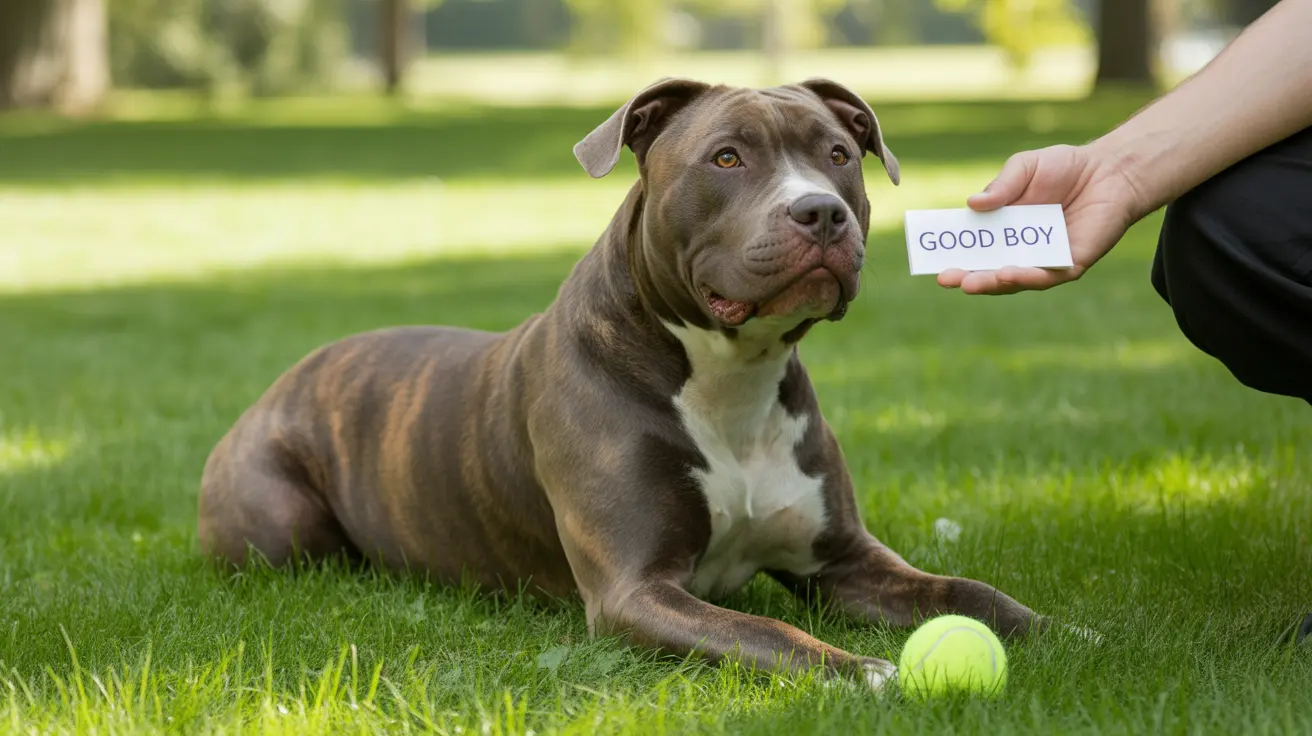
Positive reinforcement means rewarding good behavior. This helps your puppy know what you want.
Use treats, toys, or praise to encourage your pitbull puppy to repeat good actions.
- Give a treat when your puppy sits on command
- Use a happy voice to praise good behavior
- Offer a favorite toy for following instructions
Consistency And Patience
Training takes time and patience. Be consistent with your commands and rewards every day.
Repeat training sessions often to help your puppy remember the rules clearly.
- Use the same words for commands
- Train at the same time each day
- Stay calm if your puppy makes mistakes
Avoiding Harsh Methods
Harsh training can scare or confuse your puppy. Avoid yelling or hitting your pitbull.
Gentle guidance helps build trust and a strong bond between you and your puppy.
- Do not use physical punishment
- Never shout at your puppy
- Focus on teaching, not punishing
Credit: pethelpful.com
Setting Up A Training Routine
Training a pitbull puppy needs patience and a clear plan. A good routine helps your puppy learn faster.
Consistent training times build habits. Your puppy will expect and enjoy the training sessions.
Establishing Regular Sessions
Set fixed times each day for training. Short sessions work best for puppies.
Try training in the morning and evening. This helps your puppy stay focused and ready.
- Keep sessions 5 to 10 minutes long
- Train at the same times daily
- Use simple commands in each session
Balancing Training And Playtime
Pitbull puppies need both learning and fun. Playtime helps them release energy.
Mix training with short play breaks. This keeps your puppy happy and motivated.
- Train for a few minutes, then play for a few minutes
- Use toys as rewards during training
- End sessions with a fun activity
Creating A Distraction-free Environment
Choose a quiet place for training. Fewer distractions help your puppy focus.
Remove toys and noises that might divert attention. Keep the area simple and calm.
- Turn off TVs and radios
- Train in a small, quiet room
- Keep other pets away during sessions
Socialization Strategies
Socializing your pitbull puppy helps them grow into a friendly and confident dog. Early socialization teaches them how to behave around people and other animals.
Start socialization early and keep experiences positive. This builds trust and reduces fear as your puppy grows.
Introducing New People And Pets
Let your puppy meet new people calmly and gently. Allow them to approach at their own pace to avoid stress.
Introduce your puppy to other pets in a safe place. Watch their body language and separate them if either looks scared or aggressive.
- Keep meetings short and positive
- Use treats to reward calm behavior
- Avoid forcing contact
- Supervise all interactions closely
Exposure To Different Environments
Take your puppy to different places like parks, streets, and pet stores. New sights and sounds help them adapt to the world.
Start with quiet areas and slowly increase the level of activity. Always keep your puppy safe and comfortable.
- Walk on different surfaces like grass and pavement
- Let your puppy see cars, bicycles, and people
- Practice short trips to new places
- Bring toys or treats for comfort
Handling Fear And Aggression
Notice signs of fear or aggression early. These include growling, barking, or hiding. React calmly to avoid making fear worse.
Use gentle praise and treats to encourage good behavior. Avoid punishment, as it can increase aggression or fear.
- Stay calm and speak softly
- Remove your puppy from scary situations
- Reward calm and friendly actions
- Consult a trainer if aggression continues
Basic Obedience Commands
Training your pitbull puppy with basic commands helps build good behavior. It creates a strong bond between you and your dog.
Start training early and keep sessions short. Use treats and praise to encourage learning.
Teaching Sit, Stay, And Come
Teaching “sit” is the first step for many commands. It helps your puppy focus and wait calmly.
The “stay” command keeps your puppy in place. It is useful for safety and control in busy areas.
“Come” is an important recall command. It helps bring your puppy back to you quickly and safely.
- Sit:Hold a treat above the puppy’s nose and move it back. When the puppy sits, give the treat.
- Stay:Ask your puppy to sit, then say “stay” and take a step back. Reward if the puppy stays.
- Come:Use a happy voice to say “come” while gently pulling on the leash. Reward when the puppy reaches you.
Leash Training Tips
Leash training teaches your pitbull puppy to walk nicely by your side. It prevents pulling and helps control your puppy.
Start indoors or in a quiet place. Use a short leash and let your puppy get used to it first.
- Let your puppy sniff and explore on the leash.
- Stop walking if your puppy pulls. Wait until the leash is loose.
- Praise your puppy when walking beside you.
- Use treats to guide your puppy during training.
Crate Training Benefits
Crate training gives your pitbull puppy a safe space to relax. It helps with house training and reduces anxiety.
Make the crate comfortable with a soft bed and toys. Let your puppy enter the crate on their own at first.
- Use the crate for short periods during the day.
- Never use the crate as punishment.
- Feed meals inside the crate to create positive feelings.
- Gradually increase the time your puppy spends in the crate.
Addressing Common Behavioral Issues
Training a pitbull puppy can be fun but also challenging. Some behaviors need extra attention early on.
Common issues like chewing, barking, and separation anxiety can be managed with simple tips.
Managing Chewing And Biting
Puppies explore the world by chewing and biting. This can cause damage or hurt people.
Give your pitbull safe chew toys. When biting happens, say “no” firmly and offer a toy.
- Provide plenty of chew toys
- Redirect biting to toys
- Use firm, calm commands
- Reward gentle play
Reducing Excessive Barking
Excessive barking can bother neighbors and cause stress. Understand why your puppy barks.
Ignore barking for attention. Praise quiet behavior and use distractions to calm your puppy.
- Identify barking triggers
- Ignore attention-seeking barks
- Use toys or treats to distract
- Reward calm, quiet moments
Handling Separation Anxiety
Separation anxiety makes puppies nervous when alone. This can lead to whining or destruction.
Start by leaving your puppy alone for short times. Give toys and keep arrivals low-key.
- Practice short separations
- Use puzzle toys for distraction
- Keep greetings calm and quiet
- Build up alone time slowly
Nutrition And Health For Training Success
Pitbull puppies need the right care to grow strong and healthy. Good nutrition and health practices play a vital role in their training success.
Understanding what your puppy needs will help them learn quickly and stay energetic.
Balanced Diet Importance
A balanced diet gives your puppy the nutrients they need. Proteins, fats, and carbohydrates are important for growth and energy.
- Proteins: Support muscle development.
- Fats: Provide energy and support skin health.
- Carbohydrates: Offer energy for play and learning.
Exercise And Mental Stimulation
Exercise keeps your puppy fit and helps them learn better. Mental stimulation is also key for their development.
- Daily walks to burn energy.
- Interactive toys to challenge their minds.
- Training sessions to teach commands.
Regular Vet Check-ups
Vet visits help ensure your puppy stays healthy. Vaccinations and check-ups detect issues early.
| Check-Up Type | Frequency |
| Vaccinations | Every few months |
| Physical Exam | Annually |
| Dental Check | Annually |

Credit: www.thepuppyacademy.com
Frequently Asked Questions
How Do I Start Training My Pitbull Puppy?
Begin training your Pitbull puppy early with simple commands like sit and stay. Use positive reinforcement like treats and praise. Consistency and patience are key to building good habits and trust.
What Are The Best Socialization Tips For Pitbull Puppies?
Expose your Pitbull puppy to different people, animals, and environments safely. Early socialization reduces fear and aggression. Use calm, controlled settings and reward good behavior to build confidence.
How Often Should I Train My Pitbull Puppy Daily?
Train your Pitbull puppy for 10 to 15 minutes, two to three times daily. Short, frequent sessions keep your puppy engaged and prevent boredom. Consistency helps reinforce commands effectively.
Which Training Methods Work Best For Pitbull Puppies?
Positive reinforcement methods like treats, praise, and play work best. Avoid harsh punishments as they can harm trust. Reward-based training encourages good behavior and strengthens your bond.
Conclusion
Training pitbull puppies takes patience and kindness. Start early and keep sessions short. Use treats and praise to encourage good behavior. Consistency helps your puppy learn faster. Remember, every puppy learns at their own pace. Stay calm and positive during training.
This builds trust and a strong bond. With time and effort, your puppy grows into a well-behaved dog. Enjoy the journey together. Good habits today create a happy dog tomorrow.

Emily Barker is the founder of ChillDogLife.com, a space dedicated to helping pup parents discover the best dog products, lifestyle tips, and cozy ideas for happier homes.
A lifelong dog lover, Emily combines her passion for pets with a knack for research to share trusted recommendations on everything from toys and furniture to health and everyday care.
Her goal is simple: to make life easier, stylish, and more joyful for dogs and the people who love them.




