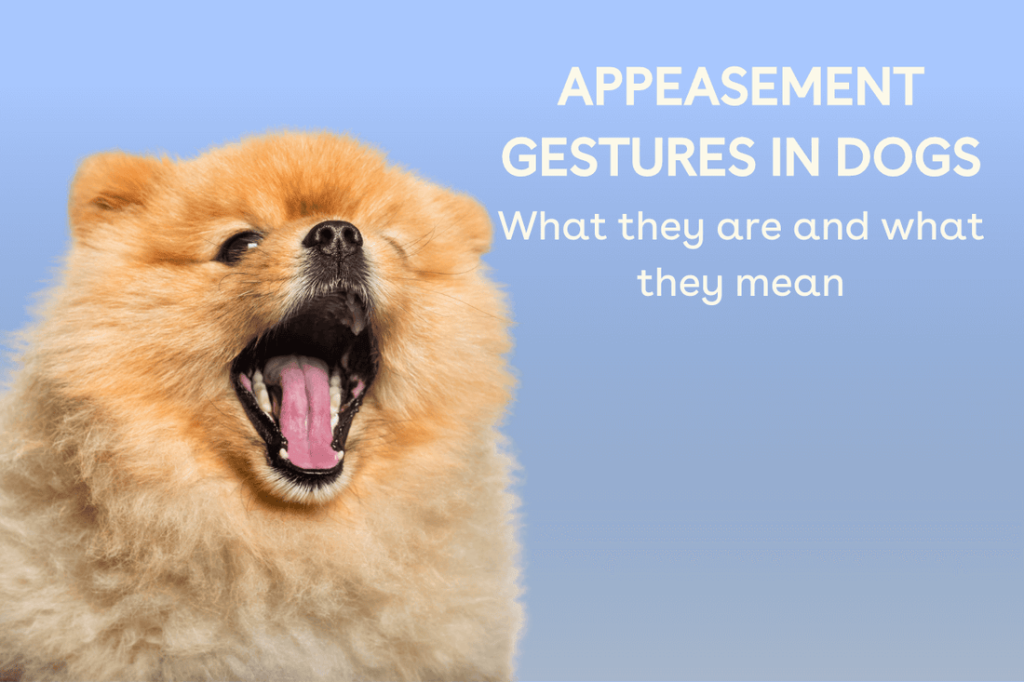
Have you ever noticed your dog licking their lips, yawning, or turning their head away when you’re nearby? These actions might seem small, but they hold a powerful message.
Your dog uses appeasement behavior to show peace, avoid conflict, and keep your bond strong. Understanding these subtle signals can transform the way you communicate with your furry friend. Keep reading to discover how recognizing and responding to these behaviors can make your relationship happier and healthier.
Calm Signals In Dogs
Dogs use body language to communicate with each other and with people. Calm signals are a type of body language that helps dogs stay peaceful.
These signals help dogs avoid fights and show they mean no harm. Understanding calm signals can improve your relationship with your dog.
What Are Calm Signals
Calm signals are small actions dogs do to show they want to keep things calm. These actions are quiet ways to say, “I am not a threat.”
Some common calm signals include looking away, licking lips, yawning, and slow body movements. Dogs use these signals to avoid conflict.
- Turning the head or body away
- Licking their lips or nose
- Yawning slowly
- Sitting or lying down calmly
- Sniffing the ground
Why Dogs Use Them
Dogs use calm signals to keep peace with other dogs and people. These signals help stop fights before they start.
They also use calm signals to reduce stress and feel safer in new or tense situations. Calm signals help dogs show respect and friendliness.
- To avoid aggression and fights
- To show they are friendly and relaxed
- To calm themselves and others
- To communicate respect to other dogs
- To feel safer in new places or around strangers
Common Appeasement Behaviors
Dogs use appeasement behaviors to show they mean no harm. These actions help calm tense situations. Understanding these signs can improve your bond with your dog.
Recognizing common appeasement signals helps you read your dog’s feelings better. It also guides you to respond kindly and respectfully.
Yawning And Lip Licking
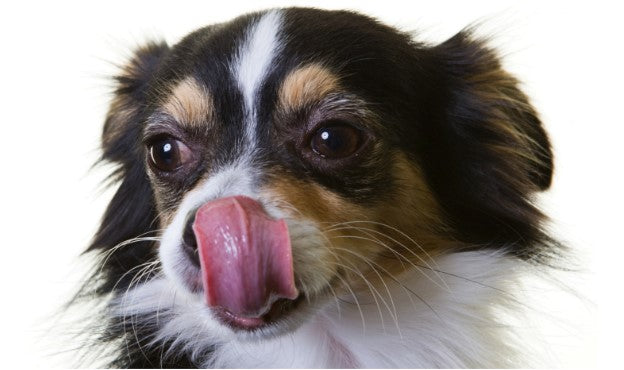
Dogs yawn or lick their lips to reduce stress. This shows they feel uneasy or want to calm others. It is not always about tiredness or hunger.
- Yawning can mean anxiety or nervousness.
- Lip licking signals discomfort or submission.
- Both help avoid conflict or aggression.
Turning Away
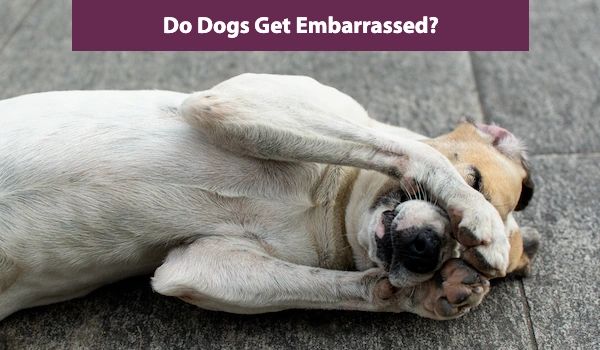
Turning the head or body away is a way dogs avoid direct confrontation. It is a gentle sign that they want peace. This behavior can stop a situation from getting tense.
Soft Eye Contact
Soft eye contact means looking without staring. Dogs use it to show they are relaxed and friendly. Intense staring can seem threatening, but soft looks calm others.
| Type of Eye Contact | Meaning |
| Soft Eye Contact | Calm and friendly signal |
| Staring | Challenge or threat |
| Looking Away | Submission or discomfort |
Sniffing The Ground
When dogs sniff the ground during encounters, they avoid direct focus. This action shows they want to stay calm and not cause trouble. It also helps them gather information safely.
- Watch for yawns and lip licks to spot stress.
- Notice if your dog turns away to avoid conflict.
- Soft eye contact means friendliness.
- Ground sniffing shows a calm approach.
Reading Your Dog’s Body Language
Understanding your dog’s body language helps you know how they feel. Dogs use their bodies to show emotions and intentions.
Paying attention to signals like tail position, posture, and facial expressions can prevent misunderstandings.
Tail And Ear Positions
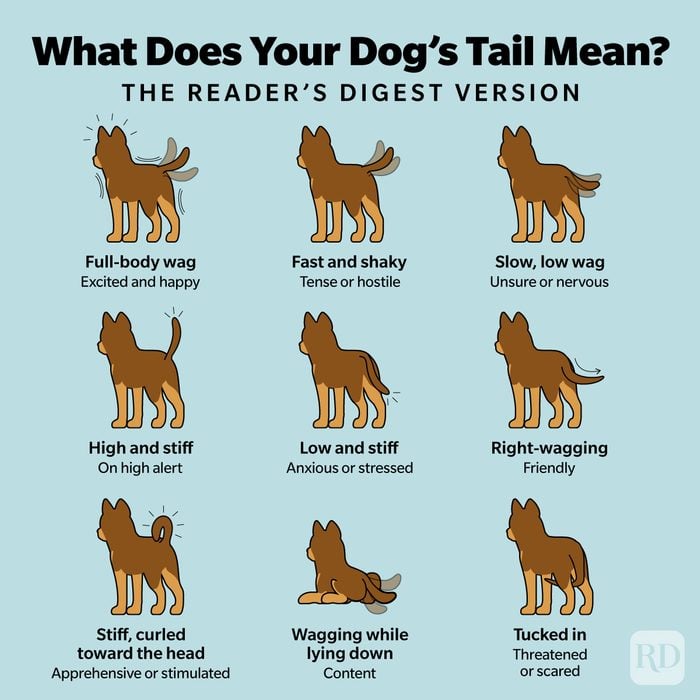
The tail and ears show many emotions. A wagging tail can mean happiness, but the position matters too.
- Tail high and wagging:Dog is happy and confident.
- Tail low or tucked:Dog feels scared or submissive.
- Ears forward:Dog is alert and interested.
- Ears pinned back:Dog may feel nervous or frightened.
Posture And Movement
How a dog stands and moves tells a lot. Look at their body shape and speed.
| Posture | Meaning |
| Standing tall and stiff | Alert or possibly aggressive |
| Relaxed body | Calm and comfortable |
| Crouching low | Fearful or submissive |
| Slow, cautious movement | Uncertain or anxious |
Facial Expressions
A dog’s face shows feelings clearly. Watch their eyes, mouth, and forehead.
Eyes:Soft eyes mean calmness. Wide eyes show fear or surprise.
Mouth:A relaxed mouth or slight open mouth means happy. Lips pulled back can mean stress.
Forehead:Wrinkled forehead shows focus or worry.
Credit: angelstotheanimals.org
Responding To Calm Signals
Dogs use calm signals to show they want peace and comfort. These signals help avoid conflict and stress.
Learning to respond to these signs helps build trust between you and your dog. It creates a calm, happy environment.
Respecting Your Dog’s Space
Give your dog room when it shows calm signals like looking away or yawning. This shows you respect their feelings.
Do not force interaction if your dog steps back or moves away. Let them come to you when ready.
- Step back if your dog looks away
- Avoid reaching over your dog’s head
- Let your dog rest or move freely
Avoiding Misinterpretation
Watch your dog closely to understand their calm signals. Misreading signs can cause stress or fear.
Not every dog shows calm signals the same way. Learn your dog’s unique body language to avoid mistakes.
- Look for signals like lip licking or turning head
- Notice changes in tail or ear position
- Observe breathing and eye contact
Encouraging Positive Interactions
Reward your dog when they use calm signals. This helps them feel safe and confident around you.
Use soft voices and slow movements to keep your dog relaxed. Positive interactions build a strong bond.
- Praise calm behavior with gentle words
- Offer treats during quiet moments
- Pet your dog softly and slowly
Calm Signals In Stressful Situations
Dogs use body language to show how they feel. Calm signals help them handle stress. These signals keep them safe and comfortable.
Understanding calm signals helps us support our dogs. It makes them feel secure in new or stressful situations.
Meeting New People
Dogs often feel nervous with new people. They might use calm signals like yawning or sniffing. These actions show they mean no harm.
Allow your dog to approach new people slowly. Let them sniff and explore at their own pace.
- Yawning to show relaxation
- Sniffing the ground to appear non-threatening
- Turning their head away to avoid direct eye contact
During Vet Visits
Vet visits can be scary for dogs. They may lick their lips or wag their tails low. These signals help them cope with stress.
Give your dog treats and speak softly. This reassurance helps them feel safe.
- Lip licking to reduce anxiety
- Low tail wagging as a sign of submission
- Slow movements to show calmness
Around Other Dogs
Dogs use calm signals when meeting other dogs. They might lie down or roll over. These actions show friendliness and trust.
Watch for these signals to understand your dog’s interactions. It helps prevent conflicts.
- Lying down to show submission
- Rolling over to display trust
- Turning their body to avoid confrontation
Credit: www.rd.com
Training To Enhance Calm Behavior
Training your dog to stay calm helps create a peaceful home. Using gentle methods builds good habits over time.
Dogs respond well to clear signals and positive experiences. Training can reduce stress and improve behavior.
Positive Reinforcement Techniques
Reward your dog when it shows calm behavior. This encourages your dog to repeat the good actions.
- Give treats for sitting quietly
- Use gentle praise and petting
- Offer toys during calm moments
- Ignore unwanted behavior instead of punishment
- Keep training sessions short and frequent
Building Trust And Confidence
Trust helps your dog feel safe and less anxious. Confidence grows when your dog understands what you want.
| Action | Effect |
|---|---|
| Consistent commands | Helps dog know what to expect |
| Calm voice tone | Reduces dog’s stress |
| Gentle handling | Builds comfort and safety |
| Regular routines | Creates predictability |
Practicing Calm Scenarios
Practice calm behavior in different places and times. This helps your dog stay relaxed everywhere.
- Start in a quiet room without distractions
- Ask your dog to sit or lie down calmly
- Give a reward for calmness
- Slowly add small distractions like soft sounds
- Gradually practice outside or in new places
Credit: www.laylopets.com
Frequently Asked Questions
What Is Dog Appeasement Behavior?
Dog appeasement behavior is a set of calming signals dogs use. It helps avoid conflict and shows submission or friendliness. These signals include yawning, lip licking, and turning away. Understanding these helps improve communication with dogs and reduce stress in interactions.
Why Do Dogs Show Appeasement Gestures?
Dogs show appeasement gestures to communicate peace and prevent aggression. These behaviors signal that the dog means no harm. It helps maintain harmony within their social group and with humans. Recognizing these signs can improve your bond with your dog.
How To Recognize Appeasement Behaviors In Dogs?
Look for yawning, lip licking, turning head away, and crouching. These are common appeasement signals dogs use to calm situations. Dogs may also avoid eye contact or sniff the ground. Identifying these helps interpret your dog’s emotional state accurately.
Can Appeasement Behavior Reduce Dog Aggression?
Yes, appeasement behaviors can help reduce aggression by calming tense situations. Dogs use these signals to de-escalate conflicts with other dogs or people. Encouraging calm responses supports peaceful interactions and lowers chances of aggressive incidents.
Conclusion
Dogs use appeasement behaviors to show peace and avoid fights. These actions help them live well with other dogs and people. Understanding these signs improves your bond with your dog. It also keeps both of you safe and happy. Watch your dog closely to learn what they need.
Respect their feelings and give them space when needed. This simple care makes your dog feel loved and calm. Small steps lead to a stronger friendship with your pet.

Emily Barker is the founder of ChillDogLife.com, a space dedicated to helping pup parents discover the best dog products, lifestyle tips, and cozy ideas for happier homes.
A lifelong dog lover, Emily combines her passion for pets with a knack for research to share trusted recommendations on everything from toys and furniture to health and everyday care.
Her goal is simple: to make life easier, stylish, and more joyful for dogs and the people who love them.




