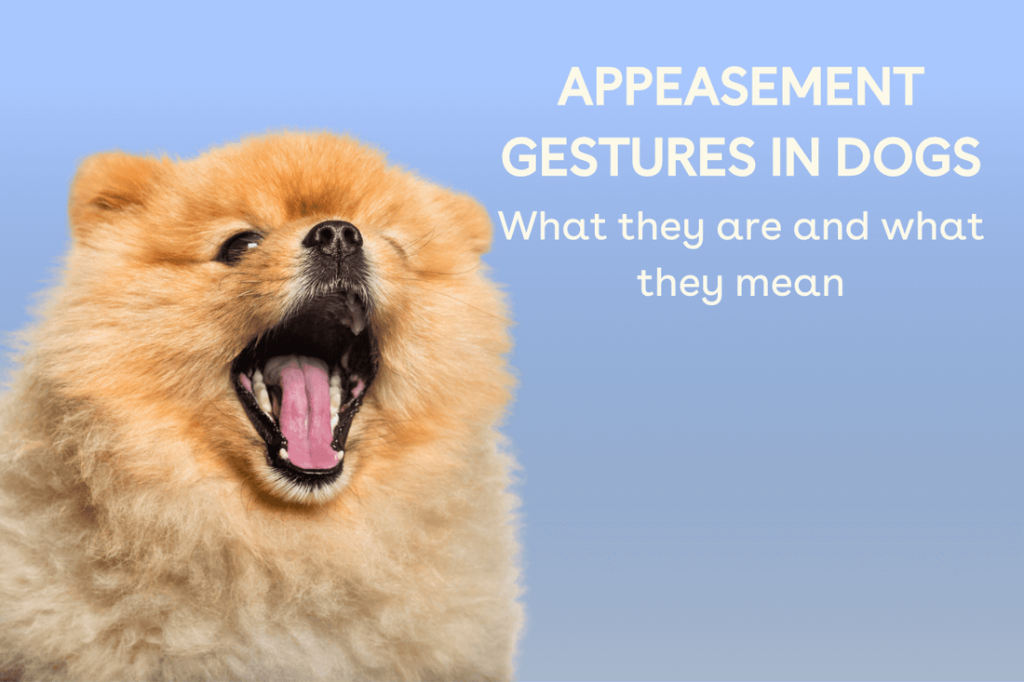
Have you ever noticed your dog lowering its head, licking its lips, or turning away when you’re around? These actions might seem small, but they say a lot about how your dog feels.
This is called appeasement behavior, and it’s your dog’s way of keeping peace and avoiding conflict. Understanding these signals can help you build a stronger bond with your furry friend and prevent misunderstandings. Keep reading to discover what appeasement behavior really means and how you can respond to your dog’s quiet messages.
Credit: www.laylopets.com
Calm Signals In Dogs
Dogs use calm signals to show they are not a threat. These signals help avoid fights and keep peace.
Understanding these signs helps owners read their dogs better. Calm signals are a part of appeasement behavior.
Common Signs Of Appeasement
Appeasement signs show a dog wants to calm others. Dogs use these signs to stop tension and avoid conflict.
- Turning the head or body away
- Slow blinking or squinting
- Yawning without tiredness
- Sniffing the ground
- Lowering the body or crouching
Body Language Cues
Dogs show calmness with their body to ease tension. These cues help them stay safe in tricky situations.
- Loose and relaxed posture
- Walking slowly or pausing
- Turning sideways or backing away
- Lowering the tail gently
- Rolling over to show the belly
Facial Expressions
Facial signs also tell when a dog is calm and friendly. These help avoid fights and show peaceful intent.
- Soft eyes with slow blinking
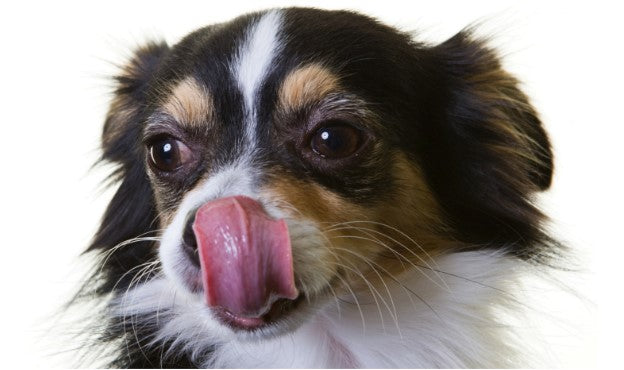
- Licking lips without food nearby
- Relaxed mouth, sometimes slightly open
- Lowered ears or ears turned sideways
- Showing the whites of the eyes (whale eye)
Purpose Of Appeasement Behavior
Appeasement behavior in dogs is a way they act to keep peace. These actions help avoid fights and stress.
Dogs use these behaviors to show they mean no harm. It helps them live well with other dogs and humans.
Avoiding Conflict
Dogs show appeasement to stop fights before they start. They use calm body language to show they are not a threat.
Actions like lowering their head or looking away tell others they want peace. This stops tension from growing.
- Lowering the head or body
- Avoiding direct eye contact
- Showing the belly or turning sideways
- Slow blinking or soft eyes
Building Social Bonds
Appeasement helps dogs make friends and keep good relationships. It shows respect and trust to other dogs.
By using these signals, dogs can live in groups without fighting. It helps them feel safe and happy.
- Gentle body movements
- Soft tail wagging
- Play bows and relaxed postures
Communication With Humans
Dogs use appeasement to talk to people too. They show they respect humans and want to be friendly.
These signals help dogs avoid punishment or tension. They also build trust with their owners.
- Licking lips or nose
- Looking away during stress
- Lowering the body or crouching
- Yawning when nervous
Examples Of Peaceful Traits
Dogs use peaceful traits to show they mean no harm. These signs help keep calm and avoid fights.
Learning these traits helps us understand dogs better. It improves how we interact with them.
Gentle Postures
Gentle postures show a dog is calm and friendly. They lower their bodies or turn their heads to seem less scary.
- Lowered body stance
- Slow blinking or soft eyes
- Turning the head or body away
- Relaxed tail held low or wagging gently
- Soft, loose ears
Non-threatening Movements
Dogs use slow and smooth movements to show peace. Quick or stiff moves can seem threatening.
| Movement Type | What It Shows |
| Slow approach | Friendliness and calm |
| Turning away | Avoiding conflict |
| Soft body shake | Relaxation and comfort |
| Gentle paw lift | Playful and non-aggressive |
Soothing Vocalizations
Dogs make soft sounds to calm others. These sounds show they do not want to fight.
Common soothing sounds include:
- Soft whining
- Gentle whimpering
- Low-pitched, calm barking
- Quiet growling during play

Credit: johinds.com
How Dogs Learn Appeasement
Dogs show appeasement behavior to make peace and avoid conflict. They use signals like lowering their body, licking lips, or turning away. These behaviors are learned through experiences and interactions.
Learning appeasement is important for dogs to communicate safely with humans and other animals. Dogs develop these skills from a young age, influenced by various factors.
Role Of Early Socialization
Early socialization plays a crucial role in how dogs learn appeasement. Puppies exposed to different environments and experiences learn to read social cues better. They understand which behaviors reduce tension and create positive interactions.
Socializing puppies with other dogs and people helps them practice these behaviors. They learn to use body language and signals to communicate effectively.
Influence Of Environment
A dog’s environment greatly impacts their appeasement behavior. In a calm and stable environment, dogs feel safer and more secure. They are more likely to use appeasement signals appropriately.
Stressful environments can make dogs anxious, affecting their ability to communicate well. Providing a peaceful setting helps dogs learn and use appeasement behaviors more effectively.
Genetic Factors
Genetic factors also play a role in how dogs learn appeasement. Some breeds may naturally exhibit more appeasement behaviors due to their genetic makeup. These traits can influence how they interact with others.
Understanding a dog's breed traits helps in recognizing their natural behavior tendencies. This knowledge can guide training and socialization efforts.
Recognizing Stress And Anxiety
Dogs use appeasement behaviors to show they feel stressed or anxious. These actions help them avoid conflict and calm themselves.
Understanding these signs can help you support your dog better. You can spot when your dog needs a break or feels overwhelmed.
Misinterpreting Signals
Appeasement behaviors can be subtle and easy to miss. Sometimes people think a dog is being rude or disobedient, but the dog is actually scared or nervous.
Common signs like lip licking or turning away are often seen as ignoring commands. They are really ways dogs try to calm themselves or others.
- Lip licking can mean the dog feels uneasy.
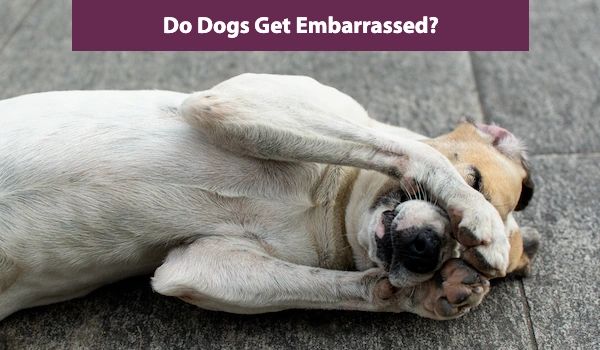
- Turning head or body away shows discomfort.
- Yawning may signal stress, not tiredness.
Signs Of Overwhelm
When stress builds up, dogs may show stronger appeasement behaviors. These signs mean the dog feels overwhelmed and needs space.
Look for repeated or intense signals. These can help you know when to give your dog a break or calm environment.
- Avoiding eye contact for long periods
- Lowering body or crouching
- Excessive paw lifting or shifting weight
- Freezing or slow movements
When Appeasement Escalates
If stress continues, dogs may show stronger or faster appeasement behaviors. This can lead to nervous actions or even defensive reactions.
Recognizing these escalated signs helps prevent fear turning into aggression. It is a signal to stop or change the situation quickly.
- Whining or barking nervously
- Pacing or trying to escape
- Showing teeth or growling as warning
- Shaking or trembling
Credit: angelstotheanimals.org
Training To Encourage Calmness
Dogs show appeasement behavior to express calm and avoid conflict. Training your dog to stay calm helps build trust and reduces stress. Calm dogs enjoy better social interactions and feel safer.
This guide covers positive reinforcement, creating peaceful spaces, and managing reactive dogs. Use these tips to encourage your dog’s calm behavior every day.
Positive Reinforcement Techniques
Reward calm behavior with treats, praise, or play. Positive reinforcement helps dogs learn what you want them to do. It makes training fun and effective.
- Give treats when your dog stays relaxed
- Use a calm voice to praise good behavior
- Ignore attention-seeking when your dog is excited
- Practice short training sessions daily
- Repeat commands calmly and clearly
Creating A Peaceful Environment
A calm space helps dogs feel safe and relaxed. Avoid loud noises and sudden movements. Provide a quiet spot with a comfortable bed or blanket.
| Environment Factor | How It Helps |
| Soft Lighting | Reduces stress and eyestrain |
| Quiet Room | Limits distractions and noise |
| Comfortable Bed | Encourages rest and relaxation |
| Calming Scents | Lavender or chamomile relax dogs |
Handling Reactive Dogs
Reactive dogs may bark or lunge in stressful situations. Stay calm yourself. Avoid punishment, which can increase fear. Teach your dog to focus on you instead.
Tips for Managing Reactivity:
- Use treats to redirect attention
- Practice controlled exposure to triggers
- Keep distance from stressful stimuli
- Reward calm behavior immediately
- Consult a professional trainer if needed
Frequently Asked Questions
What Is Appeasement Behavior In Dogs?
Appeasement behavior in dogs is a calming signal to reduce conflict. Dogs use body language like yawning, licking lips, or turning away to show submission and avoid aggression. This helps maintain peace in social interactions with humans and other dogs.
Why Do Dogs Show Appeasement Behavior?
Dogs show appeasement behavior to communicate they mean no harm. It helps them avoid fights and builds trust with others. This behavior is instinctual and promotes peaceful coexistence within their social group or family.
How Can I Recognize Appeasement Signals In My Dog?
Look for signs like lip licking, yawning, avoiding eye contact, or turning the head. These subtle gestures indicate your dog is trying to calm a situation or show submission. Recognizing these helps you understand your dog’s feelings better.
Does Appeasement Behavior Mean My Dog Is Scared?
Not always. Appeasement behavior often shows respect or a desire to avoid conflict, not just fear. It’s a way for dogs to communicate peace and prevent misunderstandings in social settings.
Conclusion
Dogs show appeasement behavior to keep peace and avoid fights. These actions help them feel safe and calm. Watching your dog’s body language can tell you a lot. Recognizing these signs builds trust between you and your pet. It also helps you respond kindly and wisely.
Every dog is different, so patience matters. Understanding appeasement helps create a happier, friendlier home. Keep learning about your dog’s needs and feelings. This knowledge makes your bond stronger every day. Simple steps lead to a peaceful life with your dog.

Emily Barker is the founder of ChillDogLife.com, a space dedicated to helping pup parents discover the best dog products, lifestyle tips, and cozy ideas for happier homes.
A lifelong dog lover, Emily combines her passion for pets with a knack for research to share trusted recommendations on everything from toys and furniture to health and everyday care.
Her goal is simple: to make life easier, stylish, and more joyful for dogs and the people who love them.




