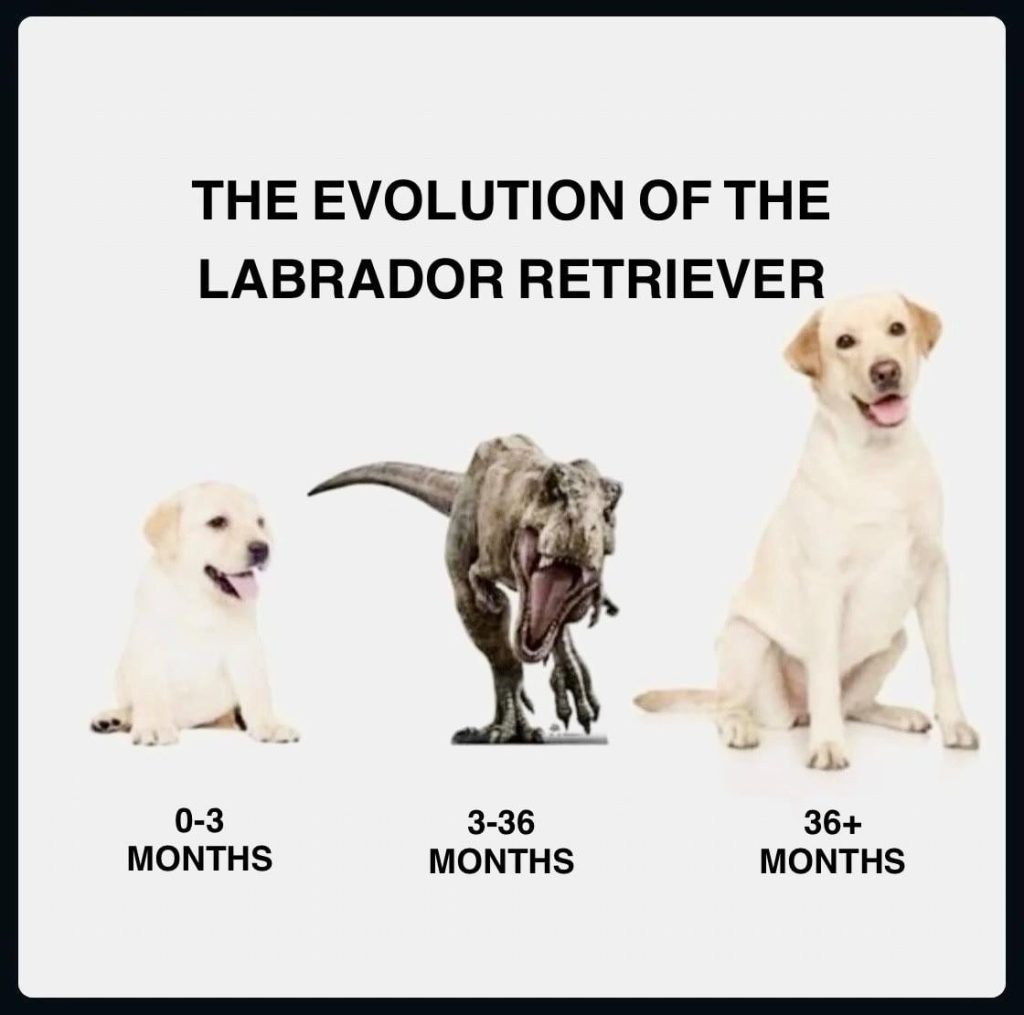
Have you ever wondered what makes a Lab’s behavior so unique? If you have a Labrador Retriever or are thinking about getting one, understanding their behavior can make a huge difference in your daily life.
Labs are known for being friendly and energetic, but they also have specific habits and instincts that influence how they act. You’ll discover key insights into Lab dog behavior that will help you connect better with your furry friend, prevent common problems, and enjoy a happier relationship together.
Keep reading, because what you learn here could change the way you see your Lab forever.
Common Lab Dog Behaviors
Labrador Retrievers show many behaviors that reflect their personality. Understanding these helps owners care for their Labs well.
This guide covers typical energy, social habits, play styles, and signs of anxiety in Labs. These points help with better training and bonding.
Typical Energy Levels
Labs are known for high energy, especially when young. They need daily exercise to stay happy and healthy.
- Young Labs often run and jump a lot.
- They enjoy long walks and games like fetch.
- Older Labs may slow down but still like playtime.
- Without enough activity, Labs can become restless or bored.
Social Interactions
Labradors are friendly and enjoy meeting people and other dogs. They rarely show aggression if properly socialized.
| Interaction Type | Behavior |
| With People | Wags tail, seeks attention, often follows owner |
| With Other Dogs | Playful, friendly, may invite play by bowing |
| With Strangers | Usually curious and calm but watchful |
Playfulness Patterns
Labs love to play and use toys. Their playfulness helps them learn and burn energy.
- They enjoy fetch with balls or sticks.
- Tug-of-war is a common favorite game.
- Puzzle toys can keep their mind active.
- Play often includes jumping and running.
Signs Of Anxiety
Labs can feel anxious in new or loud places. Owners should watch for these signs to help their dog feel safe.
- Excessive barking or whining
- Pacing or restlessness
- Hiding or avoiding people
- Chewing furniture or scratching doors
- Drooling or shaking
Reading Lab Dog Body Language
Lab dogs use their bodies to share feelings and thoughts. Watching their movements helps you understand them better.
Body language shows if a Lab is happy, scared, or calm. Learning these signs improves your bond with your dog.
Tail Movements
A Lab’s tail tells a lot about its mood. A wagging tail often means excitement or happiness.
A slow wag may show caution. A stiff, raised tail can mean alertness or tension.
- Fast wag = happy or excited
- Slow wag = unsure or cautious
- Tail between legs = scared or nervous
- Stiff tail = alert or tense
Ear Positions
Lab dogs move their ears to show feelings. Ears up mean the dog is curious or focused.
Flattened ears can show fear or submission. Relaxed ears mean the dog feels calm and safe.
- Ears forward = interested or alert
- Ears sideways = unsure or listening
- Ears back = scared or submissive
- Relaxed ears = calm and content
Eye Contact
Eye contact shows how your Lab feels. Soft eyes mean the dog is relaxed and trusts you.
Staring can be a sign of challenge or focus. Avoiding eye contact can mean fear or submission.
- Soft eyes = calm and happy
- Direct stare = alert or challenging
- Avoiding eyes = scared or submissive
- Blinking slowly = relaxed and friendly
Posture Signals
How a Lab stands or moves shows its mood. A relaxed body means the dog feels safe.
Tense muscles or raised hackles show stress or fear. A playful bow invites fun and play.
- Relaxed body = calm and comfortable
- Tense body = stressed or scared
- Play bow = ready to play
- Raised hackles = alert or nervous
Recognizing Stress And Discomfort
Lab dogs can feel stress or discomfort just like people. It is important to notice their signs early. This helps keep them healthy and happy.
Stress can affect a dog’s behavior and health. By watching closely, you can see when a dog needs help or a break.
Vocalizations To Watch
Dogs use sounds to show how they feel. Some noises mean stress or pain. Listen for changes in their usual sounds.
- Whining or whimpering often shows anxiety or discomfort
- Growling can mean fear or pain
- Excessive barking may signal stress
- Sudden silence might mean the dog is scared
Avoidance Behaviors
Lab dogs may try to avoid things that make them uncomfortable. This shows they feel stressed or scared.
- Turning their head away from people or objects
- Hiding or trying to run away
- Refusing to follow commands
- Backing up or crouching low
Changes In Appetite
Stress often changes a dog’s eating habits. Watch for sudden changes in how much they eat.
- Eating less or skipping meals
- Showing less interest in treats or food
- Eating more than usual can also be a sign of stress
Excessive Licking Or Scratching
Dogs may lick or scratch more when they feel uneasy. This can cause skin problems or sores.
- Licking paws or legs repeatedly
- Scratching certain spots often
- Chewing on their fur or skin
- Red or irritated skin from licking or scratching
Effective Training Techniques
Training your lab dog needs patience and the right methods. Effective techniques help your dog learn faster.
Use clear and simple ways to teach good behavior. This guide covers key methods for training labs well.
Positive Reinforcement
Positive reinforcement means giving rewards for good actions. It makes your dog want to repeat those actions.
- Praise your dog with kind words
- Give treats when your dog listens
- Use petting or toys as rewards
- Reward immediately after good behavior
- Keep training fun and encouraging
Consistent Commands
Use the same words and signals for each command. Consistency helps your dog understand what you want.
Everyone in the family should use the same commands. This avoids confusion and speeds up learning.
Short Training Sessions
Keep training sessions brief but frequent. Short sessions keep your dog focused and reduce boredom.
| Session Length | Number Per Day | Reason |
| 5 to 10 minutes | 2 to 3 | Maintains attention |
| 15 minutes | 1 to 2 | Good for new skills |
| Less than 5 minutes | Multiple | For quick reminders |
Using Treats And Toys
Treats and toys motivate your lab dog during training. Choose items your dog enjoys most.
- Use small, soft treats for quick rewards
- Select favorite toys to keep interest
- Switch between treats and toys to avoid boredom
- Avoid giving treats too often to keep value
Addressing Behavioral Challenges
Lab dogs often show behaviors that can be hard to manage. These behaviors need attention to keep dogs happy and safe.
Understanding common issues helps owners handle them well. This guide covers key challenges and ways to address them.
Dealing With Hyperactivity
Labs are active dogs and can get very hyper. They need plenty of exercise to release extra energy.
Short bursts of play and regular walks help calm hyper behavior. Training sessions can also focus their energy.
- Give daily walks or runs
- Use toys for interactive play
- Practice obedience commands
- Offer puzzle toys to engage the mind
Managing Separation Anxiety
Labs may feel stressed when left alone. Signs include barking, chewing, or pacing.
Owners can reduce anxiety by creating a safe space and leaving familiar items. Gradual alone time helps dogs adjust.
- Give a favorite toy or blanket
- Practice short separations first
- Keep departures calm and quiet
- Use calming sounds or music
Handling Aggression
Aggression can be a serious problem in labs. It may happen from fear or protectiveness.
Owners must stay calm and avoid punishment. Positive training and socialization reduce aggressive behavior.
- Identify triggers causing aggression
- Use reward-based training
- Socialize dogs with people and pets
- Seek help from a professional trainer if needed
Correcting Chewing And Digging
Labs often chew or dig to explore or relieve boredom. This can damage property.
Provide safe toys and a designated digging area. Redirect unwanted chewing and praise good behavior.
- Offer chew toys regularly
- Block access to off-limit areas
- Create a digging pit in the yard
- Give attention and exercise to reduce boredom

Credit: www.youtube.com
Enhancing Communication With Your Lab
Labradors are friendly dogs, known for their intelligence and loyalty. Communicating well with them strengthens your bond. Understanding their behavior improves your relationship.
Effective communication helps you and your Lab understand each other. It leads to a happier and more fulfilling companionship.
Building Trust
Trust is the foundation of any strong relationship. Spend quality time with your Lab. Show them you care and are reliable.
Consistency in your actions makes your Lab feel secure. Trust grows when they know what to expect from you.
Reading Subtle Cues
Labradors communicate through body language. Pay attention to their tail wagging, ear positions, and eye contact. These cues tell you how they feel.
Understanding these signals helps you respond appropriately. It makes your Lab feel heard and understood.
Encouraging Calm Behavior
Calm behavior in Labs is crucial for a peaceful home. Teach them to relax through gentle commands and positive reinforcement.
Provide a quiet space where they can unwind. Regular exercise also helps them stay calm and happy.
Strengthening The Bond
A strong bond with your Lab is rewarding. Engage in activities they enjoy, like fetch or swimming. This makes your time together enjoyable.
Show affection through petting and kind words. Your Lab will feel loved and valued, deepening your connection.
- Play together daily
- Use treats for training
- Explore new places with your Lab
Creating A Supportive Environment
Creating a supportive environment for your lab dog is essential. It helps them feel safe and happy at home.
Focus on their physical and mental needs to ensure they thrive. Let’s explore some key areas to enhance their environment.
Safe Spaces At Home
Safe spaces help your lab dog relax. These areas should be cozy and away from noise.
- Create a quiet corner with a soft bed
- Ensure the space is free from hazards
- Provide access to fresh water
Regular Exercise Routines
Exercise is vital for your lab dog’s health. Regular routines keep them fit and reduce stress.
| Activity | Duration |
| Walk | 30 minutes |
| Fetch | 20 minutes |
| Swimming | 15 minutes |
Mental Stimulation Activities
Mental exercises are as important as physical ones. They keep your lab dog engaged and happy.
- Interactive toys
- Puzzle feeders
- Training sessions
Consistent Daily Schedules
Consistency helps your lab dog feel secure. A regular schedule for feeding and playtime is key.

Credit: news.asu.edu
Credit: pethelpful.com
Frequently Asked Questions
What Are Common Behaviors Of Lab Dogs?
Lab dogs are friendly, energetic, and highly social. They enjoy play, exercise, and human interaction. Labs often show loyalty and intelligence, making them excellent companions and working dogs.
How To Manage Lab Dog Hyperactivity?
Regular exercise and mental stimulation reduce hyperactivity. Structured playtime and training sessions help channel energy positively. Consistent routines and interactive toys also promote calm behavior.
Why Do Lab Dogs Chew Frequently?
Chewing is natural for labs, especially puppies. It helps relieve teething discomfort and boredom. Providing chew toys and supervision prevents destructive behavior and satisfies this instinct safely.
How Do Lab Dogs Communicate With Humans?
Labs use body language like tail wagging, eye contact, and vocalizations. They express emotions through posture, facial expressions, and sounds. Understanding these signals improves bonding and training success.
Conclusion
Lab dogs show unique behaviors shaped by their breed and training. They are friendly, smart, and active pets. Understanding their habits helps build a stronger bond. Regular exercise and mental games keep them happy. Paying attention to their signals prevents problems.
Labs thrive on love and clear guidance. Treat them with care and patience every day. This makes your lab dog a joyful part of your family.

Emily Barker is the founder of ChillDogLife.com, a space dedicated to helping pup parents discover the best dog products, lifestyle tips, and cozy ideas for happier homes.
A lifelong dog lover, Emily combines her passion for pets with a knack for research to share trusted recommendations on everything from toys and furniture to health and everyday care.
Her goal is simple: to make life easier, stylish, and more joyful for dogs and the people who love them.




