Have you ever wondered why your dog wags its tail, barks suddenly, or stares intently at something you can’t see? Understanding animal behavior, especially in dogs, can change the way you connect with your furry friend.
When you learn what your dog’s actions really mean, you can strengthen your bond, reduce stress, and make your time together even more enjoyable. Keep reading to discover the secrets behind your dog’s behavior and how you can respond in ways that make both of you happier.

Credit: avsab.org
Dog Communication
Dogs use many ways to talk to each other and to humans. They show how they feel through body actions and sounds.
Understanding dog communication helps us care for them better. It also builds trust and friendship between dogs and people.
Body Language Signals
Dogs use their whole bodies to send messages. Their posture, eyes, and mouth show how they feel inside.
A relaxed dog has soft eyes and a loose body. A scared dog may lower its body and avoid eye contact.
- Raised hackles mean the dog feels threatened or alert
- Yawning can show stress or tiredness
- Licking lips often means nervousness or submission
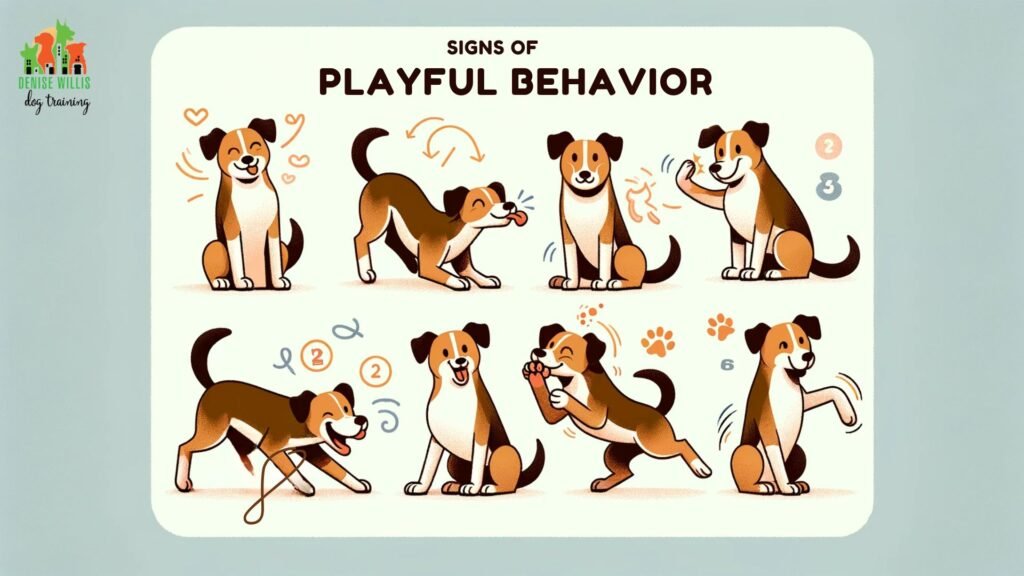
- Play bow invites fun and playtime
Vocalizations And Their Meanings
Dogs use different sounds to express themselves. Barking, growling, whining, and howling all have meanings.
Each sound can show feelings like excitement, fear, or warning. Listening carefully helps understand what a dog wants to say.
- Barking can mean alert, play, or demand attention
- Growling warns others to stay away
- Whining shows stress or desire for something
- Howling can signal loneliness or call to others
Reading Tail And Ear Movements
The tail and ears tell a lot about a dog’s mood. Their position and movement give clues about feelings.
A wagging tail can mean happiness or excitement, but watch the speed and height. Ears that stand up or fall back show alertness or fear.
- High, stiff tail means alert or confident dog
- Low or tucked tail shows fear or submission
- Ears forward signal interest or curiosity
- Ears pinned back often mean fear or anxiety
Instincts And Drives
Dogs have natural instincts that guide their behavior. These instincts come from their ancestors and help them survive. Different dogs show different drives based on their breed and history.
Understanding these instincts helps owners care for dogs better. It also explains why dogs act in certain ways around people and other animals.
Hunting And Herding Behaviors
Many dog breeds have strong hunting or herding instincts. These drives push them to chase, catch, or move animals. Hunting dogs may track scents or bark to alert their owners. Herding dogs control groups of animals by guiding their movements.
- Chasing moving targets
- Using nose to track scents
- Barking or nipping to control animals
- Working closely with humans during tasks
Social Hierarchy And Pack Mentality
Dogs often live in groups with clear social ranks. This pack mentality helps reduce fights and keeps order. Dogs communicate with body language, growls, and barks to show their place. Leaders guide the group, while others follow.
| Role | Behavior |
| Alpha | Leads and protects the pack |
| Beta | Supports alpha, keeps peace |
| Omega | Lowest rank, often a peacekeeper |
Common Breed Traits
Each dog breed has traits shaped by its history and use. Some breeds are loyal and calm. Others are energetic and alert. These traits affect how dogs behave daily.
- Retrieverslove fetching and carrying objects.
- Terriersenjoy digging and hunting small animals.
- Shepherdsare skilled at guarding and herding livestock.
- Houndstrack scents for long distances.
Learning Methods
Dogs learn from their environment and experiences. Training helps guide their behavior. Different methods work for different dogs.
Using clear and kind ways to teach dogs builds trust. This helps dogs feel safe and eager to learn.
Positive Reinforcement
Positive reinforcement rewards good behavior. Dogs get treats, praise, or play for doing the right thing.
- Gives dogs a clear reason to repeat good actions
- Strengthens the bond between dog and owner
- Encourages learning in a happy way
- Works well for all dog ages and breeds
Clicker Training
Clicker training uses a small sound device. The click marks the exact moment the dog does something right.
| Click | Reward |
| Dog sits | Give a treat |
| Dog stays | Praise warmly |
| Dog comes | Play with toy |
Avoiding Punishment
Avoid punishment to keep training positive. Punishing can make dogs scared or confused.
Instead of punishment, try these:
- Redirect bad behavior
- Use gentle commands
- Reward good choices
- Be patient and consistent
Behavioral Challenges
Dogs can show different behaviors that are hard to manage. These behaviors may cause stress for dogs and owners.
Understanding these challenges helps improve your dog’s life and your bond with them.
Separation Anxiety
Separation anxiety happens when a dog feels scared being alone. It can cause crying, chewing, or accidents inside.
This behavior shows the dog is stressed and wants company. It often starts if the dog is left alone suddenly.
- Signs include whining and pacing
- Destruction of furniture or doors
- Accidents inside the house
- Excessive drooling or panting
Aggression Triggers
Dogs may act aggressively when they feel scared, threatened, or protective. This can be dangerous for people and other pets.
Common triggers include loud noises, strangers, or other animals. Aggression is a way to defend themselves or their space.
- Fear of new people or animals
- Protecting food or toys
- Startled by sudden movements
- Feeling cornered or trapped
Excessive Barking
Dogs bark to communicate. Excessive barking can annoy neighbors and show stress or boredom.
It can happen when a dog is lonely, scared, or wants attention. Training can help reduce this behavior.
- Barking at strangers or other dogs
- Barking when left alone
- Alerting to noises or movements
- Seeking attention from owners
Improving Training Success
Training your dog takes time and effort. Understanding animal behavior helps you teach better.
Using clear signals and rewards makes learning easier for dogs. This guide explains key tips.
Consistency And Patience
Dogs learn best when training is consistent. Use the same commands and actions every time.
Patience is important because dogs need time to understand. Avoid rushing or getting upset.
- Use the same words for commands
- Practice regularly in short sessions
- Reward good behavior immediately
- Stay calm and positive
Setting Realistic Goals
Set small, clear goals for your dog’s training. Do not expect quick results for tough tasks.
Break down skills into easy steps. Celebrate each small success to keep training fun.
- Start with simple commands like “sit” or “stay”
- Increase difficulty slowly
- Focus on one skill at a time
- Be flexible with your dog’s pace
Using Environmental Cues
Use surroundings to help your dog learn. Different places can signal different behaviors.
Change cues like location or objects to teach your dog to respond well anywhere.
- Train in quiet and busy places
- Use toys or treats as signals
- Practice commands during walks or play
- Keep training sessions varied
Credit: drbillspetnutrition.com
Enhancing Bond With Dogs
Building a strong bond with your dog is essential for a happy relationship. It involves trust, play, and understanding their needs.
With patience and care, you can deepen your connection with your dog. Let’s explore ways to enhance your bond.
Building Trust
Trust is the foundation of any relationship with your dog. It starts with being consistent and reliable in your actions.
Respect your dog’s space and allow them to approach you first. Avoid sudden movements that may scare them.
- Use a calm voice
- Be patient and gentle
- Offer treats as rewards
Interactive Play
Playtime is crucial for bonding with your dog. It helps them stay active and strengthens your relationship.
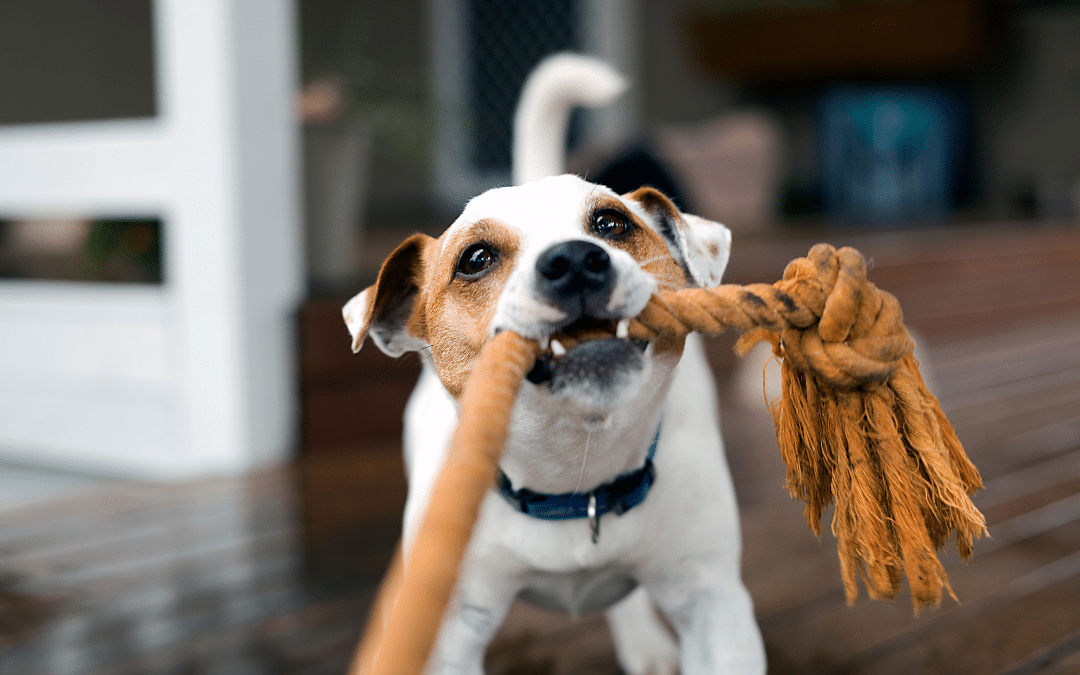
Engage in games that your dog enjoys. Fetch, tug-of-war, and hide-and-seek are great options.
- Use toys that are safe
- Set aside time each day
- Keep play sessions fun and short
Recognizing Emotional Needs
Dogs have feelings just like us. It’s important to recognize their emotional needs to keep them happy.
Watch for signs like wagging tails or drooping ears. These can tell you how your dog is feeling.
| Emotion | Sign |
| Happy | Wagging tail |
| Scared | Tucked tail |
| Relaxed | Soft eyes |

Credit: wefeedraw.com
Frequently Asked Questions
What Are Common Dog Behaviors Explained?
Common dog behaviors include barking, tail wagging, and chewing. These actions express emotions like excitement, anxiety, or boredom. Understanding these helps owners respond properly and strengthen their bond.
Why Do Dogs Bark Excessively?
Dogs bark excessively due to boredom, fear, or attention-seeking. It can signal stress or alert to danger. Training and exercise reduce this behavior effectively.
How Do Dogs Communicate With Humans?
Dogs communicate through body language, vocalizations, and facial expressions. Tail wagging, growling, or licking convey feelings. Recognizing these cues enhances human-dog interaction.
What Causes Aggressive Behavior In Dogs?
Aggression may stem from fear, territorial instincts, or pain. Early socialization and training help manage or prevent aggressive tendencies in dogs.
Conclusion
Dogs show many behaviors that tell us how they feel. Watching their actions helps us understand their needs and moods. Every dog is different, so paying attention is key. Learning about dog behavior builds a stronger bond between you and your pet.
It also helps keep dogs happy and healthy. Caring for them means listening to what they try to say. Simple actions can make a big difference in their lives. Enjoy the special connection you share with your dog every day.

Emily Barker is the founder of ChillDogLife.com, a space dedicated to helping pup parents discover the best dog products, lifestyle tips, and cozy ideas for happier homes.
A lifelong dog lover, Emily combines her passion for pets with a knack for research to share trusted recommendations on everything from toys and furniture to health and everyday care.
Her goal is simple: to make life easier, stylish, and more joyful for dogs and the people who love them.




