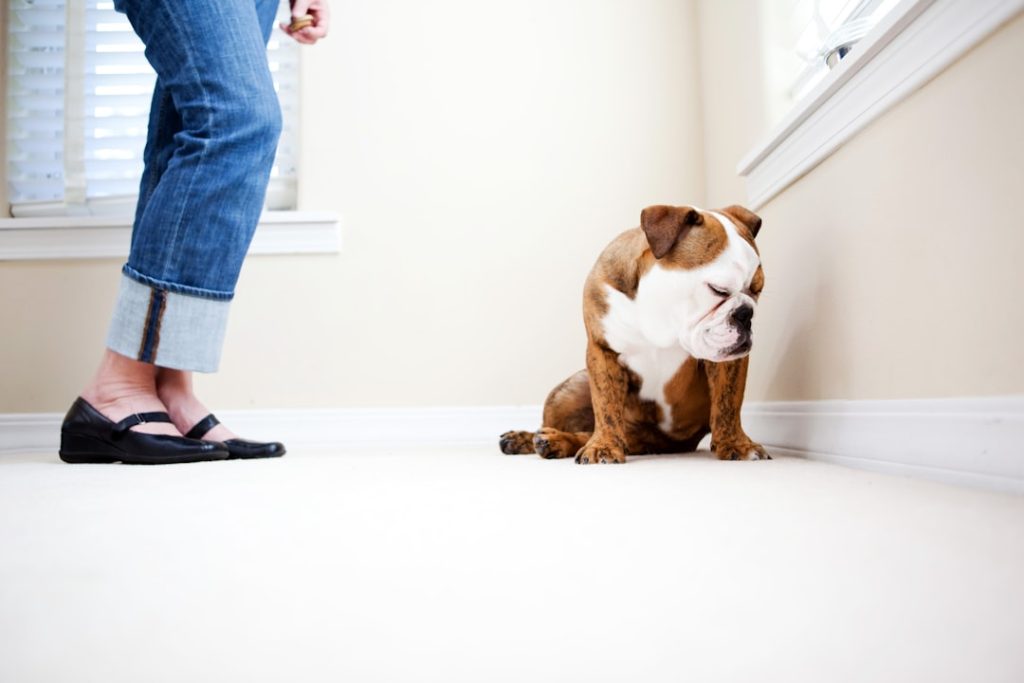
Is your dog urinating in the house, leaving you frustrated and unsure of what to do next? You’re not alone, and the good news is that this behavior often has clear reasons behind it.
Understanding why your dog is acting this way is the first step to solving the problem. You’ll discover the common causes of indoor urination and practical tips to help you stop it for good. Keep reading, because your home—and your dog—deserve a fresh start.
Common Reasons For Indoor Urination
Dogs urinating inside the house is a problem many owners face. It can be confusing and frustrating. Understanding the reasons helps find the right solution.
Indoor urination can happen for many reasons. Some are health-related, while others are about behavior or training.
Medical Issues To Consider
Health problems can cause dogs to urinate indoors. Urinary tract infections, bladder stones, or kidney issues are common causes. Older dogs may have weak bladder control.
It is important to visit a vet if your dog suddenly starts peeing inside. Medical checks can rule out serious problems or provide treatment.
Marking Territory Behavior
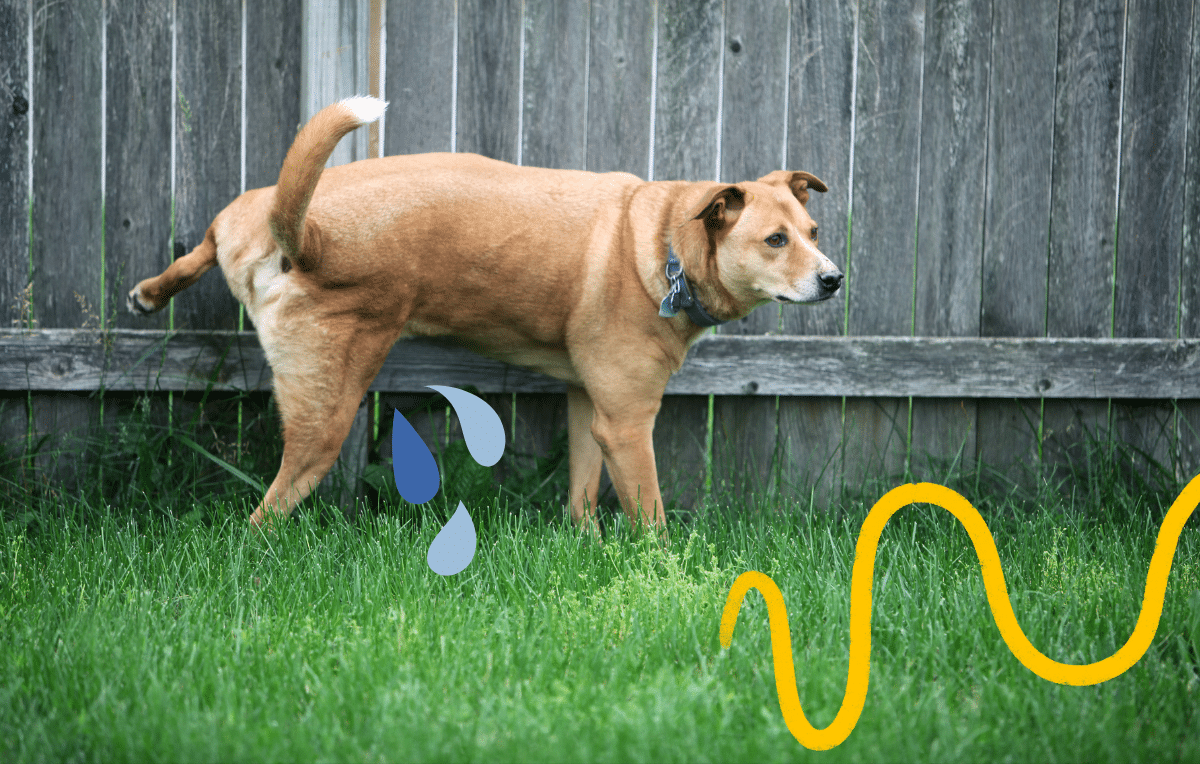
Dogs often urinate indoors to mark their territory. This behavior is more common in unneutered males but can occur in any dog. It is a way to show ownership or react to new smells.
- New people or pets in the home
- Changes in environment
- Stress from loud noises
- Presence of other animals nearby
Anxiety And Stress Factors
Stress or anxiety can make dogs urinate indoors. Separation anxiety, loud sounds, or changes in routine are triggers. Some dogs also urinate when excited or scared.
| Cause | Signs |
|---|---|
| Separation Anxiety | Whining, pacing, urinating when alone |
| Loud Noises | Shaking, hiding, indoor urination |
| New Environment | Restlessness, indoor accidents |
Lack Of Proper Training
Puppies and some older dogs may urinate inside due to lack of training. They need clear rules and consistent routines to learn where to go.
- Set a regular schedule for bathroom breaks
- Use positive reinforcement for outdoor urination
- Supervise dogs inside to prevent accidents
- Clean indoor accidents thoroughly to remove smell
Credit: www.dogtv.com
Identifying Your Dog’s Triggers
Dogs may urinate inside the house for many reasons. To help your dog, you need to find what causes this behavior. Understanding triggers is the first step to solving the problem.
Some triggers come from changes in the dog’s life. These changes can make your dog feel stressed or confused. Below, we look at common triggers and how to spot them.
Changes In Environment
Moving to a new home or rearranging furniture can upset your dog. New smells and sights may cause them to urinate indoors. Watch for any changes around your dog’s space.
- New furniture or room layout
- Different outdoor areas for bathroom breaks
- Strong cleaning smells or new scents
- Renovations or loud noises
New Pets Or Family Members
A new pet or a new person in the home can cause stress. Your dog may urinate inside to mark territory or show anxiety. Watch your dog’s behavior around newcomers.
| Trigger | Possible Dog Reaction |
|---|---|
| New pet | Urinate indoors to mark territory |
| New baby or child | Stress leading to accidents |
| New adult family member | Increased anxiety and urination |
Schedule Disruptions
Dogs like routine. Changes in feeding, walking, or playtime can confuse them. This confusion may lead to accidents indoors. Try to keep your dog’s schedule as steady as possible.
- Late or missed bathroom breaks
- Irregular feeding times
- Changed walking routes or times
- Less play or attention than usual
Effective Training Techniques
Dogs urinating inside the house is a common problem. It can be fixed with the right training.
Training helps your dog learn where to go and builds good bathroom habits.
Positive Reinforcement Methods
Reward your dog when it urinates outside. This makes your dog want to repeat the behavior.
Use treats, praise, or playtime to reward your dog immediately after it goes outside.
- Give a treat right after urinating outside
- Use calm, happy words to praise your dog
- Play with your dog briefly as a reward
- Avoid punishing accidents inside the house
Establishing A Routine
Set regular times for taking your dog outside. Dogs learn best with a consistent schedule.
Take your dog out first thing in the morning, after meals, and before bedtime.
- Take your dog out every 2-3 hours during the day
- Always go to the same outdoor spot
- Watch for signs your dog needs to go
- Be patient and consistent with timing
Using Crate Training
Crate training teaches your dog to hold its bladder. Dogs do not like to soil their sleeping area.
Use a crate that is just big enough for your dog to stand and turn around in.
- Introduce the crate as a safe, comfortable space
- Keep your dog in the crate for short periods
- Take your dog outside right after crate time
- Never use the crate as punishment
Credit: pethero.co.za
Managing And Cleaning Accidents
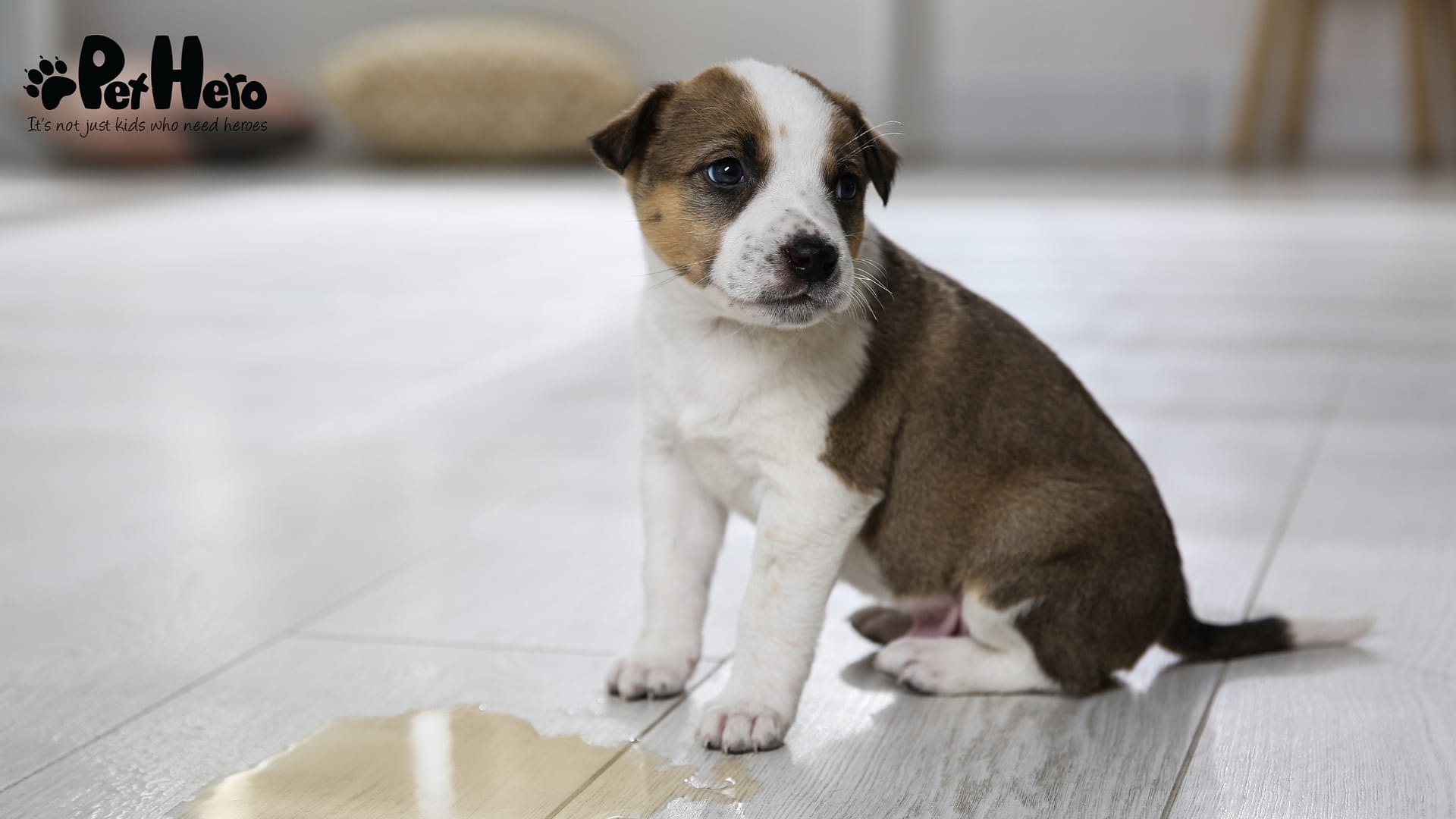
Dogs sometimes urinate inside the house. Cleaning these accidents quickly helps keep your home fresh. It also stops bad smells from staying.
Using the right cleaning products and methods can prevent your dog from urinating in the same spot again. This guide helps you manage and clean accidents well.
Choosing The Right Cleaning Products
Pick cleaning products that remove stains and smells. Avoid products with ammonia. Ammonia smells like urine and can attract your dog back.
- Use enzyme-based cleaners to break down urine molecules.
- Try pet-safe cleaning sprays made for accidents.
- Test a small area first to avoid damage.
- Do not mix cleaning products.
- Always follow product instructions for best results.
Preventing Repeat Incidents
Prevent your dog from urinating in the same spot by cleaning well and training your dog. Use barriers and praise good behavior.
| Method | How It Helps |
| Enzyme Cleaners | Remove urine smell fully |
| Physical Barriers | Block access to the spot |
| Positive Reinforcement | Encourages good bathroom habits |
| Regular Bathroom Breaks | Reduce indoor accidents |
| Consistent Cleaning | Stops return to old spots |
When To Seek Professional Help
Dogs urinating in the house can be a frustrating problem. Sometimes, it is more than just a bad habit.
If you notice your dog keeps urinating inside despite training, it might be time to get expert help.
Veterinary Evaluation
Medical problems can cause dogs to urinate indoors. A vet can check for infections or diseases.
Conditions like urinary tract infections or bladder stones need treatment to stop accidents.
- Urinary tract infection (UTI)
- Bladder or kidney stones
- Diabetes or hormonal issues
- Age-related problems
Behavioral Specialist Consultation
Sometimes, urinating inside is due to stress or behavior problems. A specialist can help find the cause.
They can offer training plans and advice to fix habits and reduce anxiety.
- Separation anxiety
- Territorial marking
- Lack of house training
- Stress from changes in home
Preventive Measures For Future
Dogs urinating in the house can be frustrating. Understanding preventive measures helps maintain a clean home.
Addressing this behavior involves regular exercise and consistent training. These methods help in reducing indoor accidents.
Regular Exercise And Mental Stimulation
Exercise and mental activities keep your dog healthy and focused. They reduce stress, which can lead to unwanted urination.
- Take daily walks to burn energy.
- Use interactive toys to engage their mind.
- Provide puzzle feeders during meal times.
Consistent Training Reinforcement
Training your dog helps establish good habits. Consistency is key to preventing accidents.
| Training Method | Frequency |
| Use of cue words | Daily |
| Reward-based training | Weekly |
| Scheduled bathroom breaks | Twice daily |
Credit: pottybuddy.co
Frequently Asked Questions
Why Is My Dog Urinating Inside The House?
Dogs may urinate indoors due to stress, anxiety, or medical issues. It can also be a sign of incomplete house training or territorial marking.
How Can I Stop My Dog From Urinating Indoors?
Consistent house training, regular bathroom breaks, and positive reinforcement help. Also, rule out medical problems by consulting a vet promptly.
Does Stress Cause Dogs To Urinate Indoors?
Yes, stress and anxiety often trigger indoor urination. Changes in routine, new pets, or loud noises can cause this behavior.
When Should I See A Vet For Indoor Urination?
If urination indoors starts suddenly or increases, consult a vet. It may indicate infections, bladder stones, or other health issues.
Conclusion
Dogs urinating in the house can feel frustrating and confusing. Understanding why it happens helps solve the problem faster. Training, patience, and gentle guidance are key to success. Watch for signs of stress or health issues in your dog. Consistent routines make your pet feel safe and calm.
Small changes create big improvements over time. Remember, your dog wants to learn and please you. Keep trying with kindness and care. Soon, your home will stay clean, and your dog will feel happier.

Emily Barker is the founder of ChillDogLife.com, a space dedicated to helping pup parents discover the best dog products, lifestyle tips, and cozy ideas for happier homes.
A lifelong dog lover, Emily combines her passion for pets with a knack for research to share trusted recommendations on everything from toys and furniture to health and everyday care.
Her goal is simple: to make life easier, stylish, and more joyful for dogs and the people who love them.




