Have you ever wondered what your dog is really trying to tell you? Every wag of the tail, every bark, and even those curious head tilts have a meaning.
Understanding dog behavior can transform your relationship with your furry friend. When you know why your dog acts a certain way, you can respond better, build trust, and avoid misunderstandings that cause frustration. Keep reading, and you’ll discover simple clues to decode your dog’s actions and emotions—making your bond stronger than ever.
Common Dog Signals
Dogs use their bodies to talk without words. They show feelings and thoughts through simple signs.
Understanding these signals helps us know what dogs want or feel. It keeps us safe and builds trust.
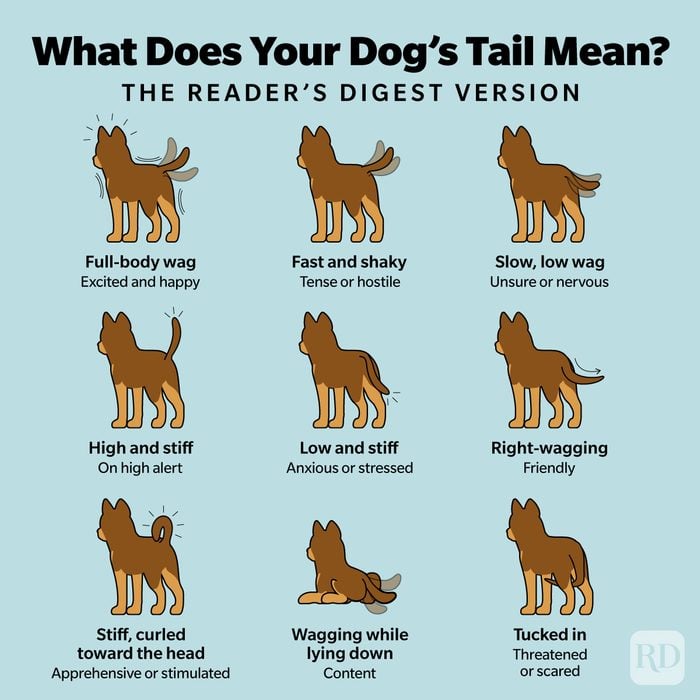
Tail Movements
A dog’s tail shows many emotions. The way it moves or stays still tells us what the dog feels.
A wagging tail does not always mean happiness. The speed and height of the wag are important.
- High, fast wag: Excited or happy
- Low, slow wag: Nervous or unsure
- Tucked tail: Fear or submission
- Stiff tail: Alert or agitated
Ear Positions
Dogs move their ears to catch sounds and show feelings. Ear positions give clues about their mood.
Relaxed ears mean calmness. Ears pulled back can mean fear or friendliness. Upright ears show attention.
- Ears forward: Alert or curious
- Ears sideways: Relaxed or unsure
- Ears back: Fear or submission
- One ear up, one down: Listening carefully
Eye Contact
Dogs use their eyes to communicate. The way they look at you or away shows how they feel.
Direct eye contact can be friendly or challenging. Avoiding eyes often means fear or stress.
- Soft eyes: Calm and relaxed
- Staring: Can be a threat or focus
- Looking away: Fear or submission
- Blinking slowly: Trust and comfort
Body Posture
A dog’s whole body shows how it feels. Posture tells if the dog is happy, scared, or ready to play.
Relaxed bodies mean the dog is comfortable. Stiff or raised bodies show alertness or aggression.
- Loose body: Happy and calm
- Crouched body: Fear or submission
- Raised hackles: Alert or aggressive
- Play bow: Invitation to play
Credit: www.lemon8-app.com
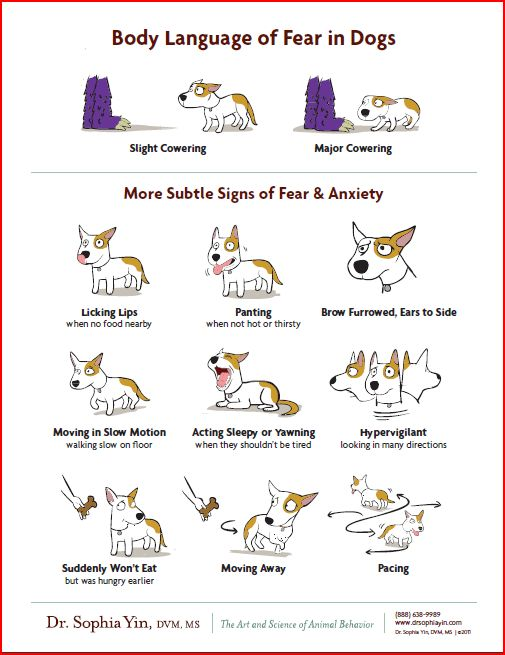
Signs Of Stress And Anxiety
Dogs show stress and anxiety in many ways. Recognizing these signs helps you care for your pet better.
Some behaviors may seem small but mean your dog feels uneasy or worried.
Yawning And Lip Licking
Yawning and lip licking are common signs of stress in dogs. These actions calm themselves when they feel nervous.
- Yawning often occurs even if the dog is not tired.
- Licking lips repeatedly may show discomfort or fear.
- Both can be subtle signals of anxiety.
Pacing And Restlessness
Restlessness shows your dog feels uneasy. Pacing is a clear sign they want to escape or find comfort.
| Behavior | Meaning |
| Pacing | Stress or trying to find a safe place |
| Restlessness | Discomfort or anxiety |
| Repeated movement | High stress levels |
Avoidance Behaviors
Avoidance is when a dog tries to stay away from what scares them. This can include turning their head or walking away.
Common avoidance signs include:
- Looking away from people or objects
- Hiding behind furniture or people
- Turning the body to escape a situation
Indicators Of Happiness And Comfort
Dogs show their feelings through their body and actions. Watching these signs helps us understand their mood.
Happy and comfortable dogs behave in certain ways. Recognizing these signs keeps your dog safe and loved.
Relaxed Body Language
A calm dog has loose muscles and soft eyes. Their tail may wag slowly or stay in a neutral position.
Relaxed ears and a gentle mouth show comfort. The dog might lie down with its body stretched out.
- Loose, wagging tail
- Soft, relaxed eyes
- Relaxed ears, not pinned back
- Loose body posture, not stiff
- Open mouth or slight panting
Playful Gestures
Playful dogs use their bodies to invite fun. They may bow with their front legs down and rear up.
Jumping, chasing, or gently mouthing shows happiness. These gestures tell you the dog wants to play.
- Play bow (front legs down, rear up)
- Tail wagging fast with excitement
- Running or chasing toys
- Gentle mouthing or nibbling
- Bouncing or jumping around
Vocalizations Of Joy
Dogs use sounds to show happiness. Soft barks, whines, or happy howls can mean joy.
These happy sounds are different from growling or loud barking. They usually come with a wagging tail.
- Soft, happy barks
- High-pitched whines
- Playful howls or yips
- Excited grunts or sighs
Credit: colabobio.medium.com
Warning And Aggression Signals
Dogs use body language to show how they feel. Some signals warn us they feel upset or scared.
Recognizing these signs helps keep people and dogs safe. Aggression signals mean the dog may act out.
Growling And Snarling
Growling is a clear warning. It tells others to stay away. Snarling adds a showing of teeth.
These sounds and looks mean the dog feels threatened or angry. Do not try to touch a growling dog.
Raised Hackles
Raised hackles mean the hair on the dog’s back stands up. This shows the dog is alert or scared.
This sign can mean excitement or aggression. Watch other signals to understand what the dog feels.
Stiff Posture
A stiff body means the dog is tense. The dog may feel threatened or ready to defend itself.
Look for a straight tail and fixed eyes. These signs warn the dog may act aggressively soon.
How To Respond To Your Dog’s Signals
Dogs use body language and sounds to tell us how they feel. Learning to read these signals helps you respond with care.
Understanding your dog’s signs can improve your bond and keep both of you safe and happy.
Reading Context
Look at the situation around your dog to know why they act a certain way. A wagging tail can mean excitement or nervousness.
- Check the dog’s ears and eyes for clues.
- Notice if the dog is relaxed or tense.
- Think about what just happened before the signal.
Calming Techniques
Use gentle actions to help your dog feel calm when they show signs of stress or fear.
- Speak softly and move slowly around your dog.
- Avoid direct eye contact if the dog seems scared.
- Offer a safe space like a crate or quiet room.
- Use a soft touch to pet them in preferred spots.
Encouraging Positive Behavior
Reward good behavior to help your dog learn what you want from them.
| Positive Behavior | How to Reward |
| Sitting calmly | Give a treat and praise |
| Coming when called | Use happy voice and petting |
| Not jumping on people | Ignore and reward when all paws are down |
Credit: www.rd.com
Training Tips To Improve Communication
Understanding dog behavior can help improve communication. Training your dog is key. It builds trust and enhances your bond.
Clear communication makes training easier. Dogs respond well to consistent methods. Patience is also important when training.
Positive Reinforcement
Positive reinforcement means rewarding good behavior. Dogs learn faster this way. Use treats, toys, or praise as rewards.
Rewards should be given immediately after the desired action. This helps dogs connect the reward with the behavior.
- Treats are quick and effective
- Toys make training fun
- Praise builds confidence
Consistency And Patience
Consistency is crucial in training. Use the same commands each time. This helps your dog understand what you want.
Patience is also needed. Dogs may take time to learn. Stay calm and repeat training sessions regularly.
- Use the same word for each command
- Practice commands daily
- Be patient with mistakes
Socialization Benefits
Socialization helps dogs behave better. Introduce your dog to different environments. This reduces fear and aggression.
Socialized dogs are happier and more confident. They interact well with people and other animals.
- Visit parks and public spaces
- Meet other dogs regularly
- Expose to various sounds and sights
Common Misinterpretations To Avoid
Understanding dog behavior can be tricky. Many people misinterpret their dogs’ actions, which leads to confusion. Let’s explore common mistakes and how to avoid them.
Recognizing the difference between fear, subtle signals, and vocalizations is key. This helps in building a stronger relationship with your dog.
Mistaking Fear For Aggression
Dogs often show fear by barking or growling. People may think this is aggression. It is important to look for body language cues.
- Look for signs of a tucked tail.
- Notice if the ears are flat against the head.
- Watch for trembling or avoidance behaviors.
Ignoring Subtle Signals
Dogs communicate with subtle signals. Missing these can lead to misunderstandings. Pay attention to what your dog is trying to tell you.
| Signal | Meaning |
| Licking lips | Anxiety or stress |
| Yawning | Discomfort or tiredness |
| Turning away | Desire to avoid interaction |
Overreacting To Vocalizations
Barking or whining can be alarming. But, not all vocalizations are bad. Learn the context to respond appropriately.
Frequently Asked Questions
What Does It Mean When A Dog Wags Its Tail?
Tail wagging usually signals happiness or excitement. However, the speed and position of the wag can indicate different emotions like nervousness or alertness.
Why Do Dogs Bark Excessively?
Excessive barking often means a dog is anxious, bored, or trying to alert you. It’s a form of communication and needs attention.
How Can I Read My Dog’s Body Language?
Observe ears, tail, and posture. Relaxed body means comfort, while stiff stance or growling signals stress or aggression.
What Does A Dog Licking Mean?
Licking can show affection, submission, or a way to seek attention. It’s also a natural grooming behavior.
Conclusion
Understanding dog behavior helps build a stronger bond with your pet. Dogs communicate through actions, not words. Watching their body language reveals their feelings and needs. This knowledge makes training and care easier. It also keeps your dog happy and safe.
Pay attention to signs like tail wagging or barking tone. Each behavior has a meaning you can learn. Caring owners grow closer to their dogs every day. Keep observing, learning, and enjoying the special connection. Your dog’s actions tell a story—listen carefully.

Emily Barker is the founder of ChillDogLife.com, a space dedicated to helping pup parents discover the best dog products, lifestyle tips, and cozy ideas for happier homes.
A lifelong dog lover, Emily combines her passion for pets with a knack for research to share trusted recommendations on everything from toys and furniture to health and everyday care.
Her goal is simple: to make life easier, stylish, and more joyful for dogs and the people who love them.




