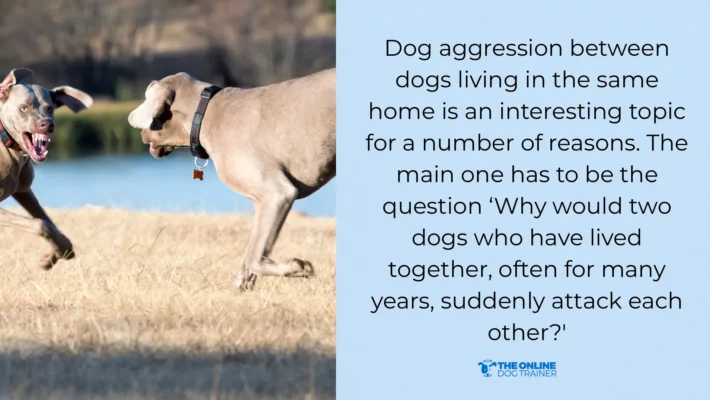
Is your dog showing signs of aggression? It can be scary and stressful to deal with a pet that growls, snaps, or even bites.
But you don’t have to feel helpless. Understanding why your dog acts this way is the first step to stopping aggressive behavior for good. You will discover simple, effective ways to calm your dog and keep everyone safe. Keep reading—because your dog’s happiness and your peace of mind depend on what you do next.
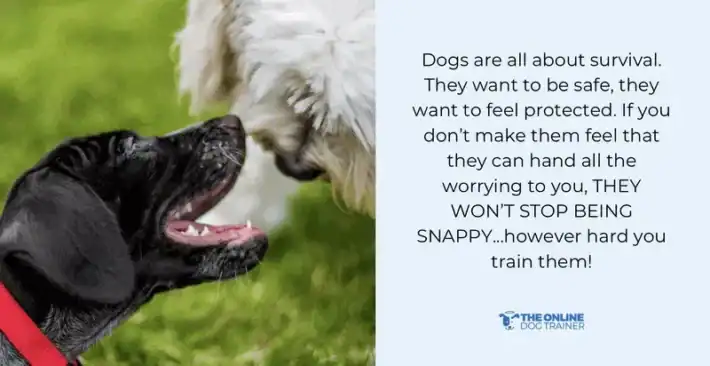
Credit: theonlinedogtrainer.com
Causes Of Aggression
Aggressive behavior in dogs can be a serious problem. Understanding what causes aggression helps control it better.
Many factors play a role in why a dog acts aggressively. These include genetics, surroundings, fear, and territory.
Genetic Factors
Some dogs inherit traits that make them more likely to be aggressive. Breeds may have different tendencies for aggression.
Genetics alone do not decide behavior. Training and environment also shape how a dog acts.
Environmental Triggers
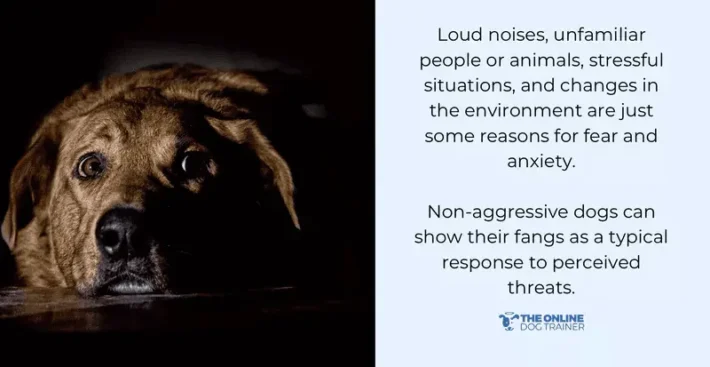
Things in a dog’s environment can cause aggression. Loud noises or new places may stress dogs and trigger bites.
Poor treatment or lack of socialization often leads to aggressive reactions in dogs.
- Sudden loud sounds
- Strange people or animals
- Harsh training methods
- Neglect or abuse
Fear And Anxiety
Fear is a common cause of aggression. Dogs bite to protect themselves if they feel scared or threatened.
Anxiety can make dogs nervous and defensive. This can lead to growling or snapping to keep others away.
Territorial Behavior
Dogs often protect their home or owner with aggression. They see intruders as threats and may attack.
Territorial dogs use barking, growling, or biting to warn others to stay away from their space.
Recognizing Warning Signs
Recognizing early warning signs can help manage aggressive dog behavior. It is important to understand these cues to ensure the safety of both dogs and people.
Dogs communicate in various ways. By observing their behavior, we can prevent potential aggressive incidents.
Body Language Cues
Dogs show aggression through body language. Watch for signs like stiff bodies and raised hackles.
Other cues include a direct stare and bared teeth. These signs indicate discomfort or a potential threat.
- Stiff body posture
- Raised hackles
- Bared teeth
- Direct eye contact
Vocalizations
Dogs use sounds to express their feelings. Growling and barking can signal aggression.
A low growl often means a warning. High-pitched barks can show excitement or fear, which might lead to aggression.
- Low growls
- Loud barking
- Snarling
Behavioral Patterns
Understanding a dog’s behavior patterns can help in recognizing aggression. Dogs might show possessiveness over toys or food.
They may also become aggressive if they feel cornered or threatened. Observing these patterns helps in managing aggressive tendencies.
- Possessiveness over objects
- Feeling threatened or cornered
- Resource guarding
Immediate Calming Techniques
Aggressive dog behavior can be scary and dangerous. It is important to calm your dog quickly to avoid harm.
Use simple techniques to reduce your dog’s stress and stop aggression right away.
Using Distraction
Distracting your dog helps shift their focus from the trigger. Use toys, treats, or sounds to get their attention.
Keep distractions ready to use when you see signs of aggression. This can stop the behavior before it gets worse.
- Throw a favorite toy nearby
- Offer a tasty treat
- Make a sudden noise like clapping
Calm Voice Commands
Speak to your dog in a soft, calm voice. Avoid loud or sharp tones that might increase stress.
Simple commands like “sit” or “stay” can help redirect your dog’s behavior and focus.
- Use a gentle tone
- Repeat short commands clearly
- Stay relaxed to help your dog relax
Safe Space Setup
Create a quiet area where your dog feels safe. This space helps reduce anxiety and prevents aggressive reactions.
Make sure the safe space has familiar items like a bed or blanket. Keep it away from loud noises and strangers.
- Choose a quiet corner or room
- Add your dog’s favorite toys and bed
- Limit access to other pets or people
Credit: theonlinedogtrainer.com
Training Strategies
Stopping aggressive dog behavior takes patience and the right training. Using clear methods helps your dog feel safe and calm.
Training focuses on changing how your dog reacts to triggers. The goal is to build trust and reduce fear or anger.
Positive Reinforcement
Positive reinforcement rewards good behavior to encourage it more. Giving treats or praise helps your dog learn what is right.
This method avoids punishment and builds a strong bond. It teaches your dog to choose calm actions instead of aggression.
- Use treats or toys as rewards
- Praise your dog with kind words
- Reward immediately after good behavior
- Keep training sessions short and fun
Desensitization
Desensitization helps dogs face triggers in small, safe steps. This reduces fear or anger over time.
Start with low-level triggers and slowly increase intensity. Your dog learns to stay calm instead of reacting aggressively.
- Identify what causes aggression
- Expose your dog to low-level triggers
- Watch for calm behavior before increasing exposure
- Move at your dog’s pace, never rush
Obedience Commands
Teaching obedience commands helps control your dog in tense moments. Commands like “sit” or “stay” redirect their focus.
Practice commands daily to build strong habits. Clear commands and consistent rewards make training effective.
- Start with basic commands: sit, stay, come
- Use a calm, firm voice
- Reward correct responses quickly
- Practice in different places and situations
Environmental Adjustments
Stopping aggressive dog behavior often needs changes in the dog’s environment. Small changes can help the dog feel safe and calm.
Creating a peaceful space and routine can lower aggression. Dogs react to what is around them every day.
Reducing Stressors
Stress can make a dog act aggressively. Remove loud noises, crowded places, or other animals that scare your dog.
Keep the dog’s space quiet and safe. Use soft lighting and calm sounds to help them relax.
- Limit visits to busy parks
- Avoid sudden loud noises
- Separate from unknown dogs
- Provide a safe, quiet spot at home
Consistent Routine
Dogs feel safer with a regular daily schedule. Feed, walk, and play at the same times each day.
A steady routine helps the dog know what to expect. This lowers anxiety and aggressive reactions.
- Set fixed feeding times
- Walk your dog at regular hours
- Have consistent play and rest periods
Exercise And Mental Stimulation
Exercise helps burn extra energy that can cause aggression. A tired dog is usually calmer.
Mental games keep the dog’s mind busy and reduce stress. Use puzzles or training sessions to engage your dog.
- Daily walks or runs
- Play fetch or tug-of-war
- Use treat puzzles or hiding games
- Practice simple commands regularly
Professional Help
Aggressive dog behavior can be dangerous for both the dog and people. Seeking professional help is often the safest and most effective way to stop this behavior.
Experts can assess the dog’s needs and provide proper guidance to improve behavior over time.
When To Consult A Trainer
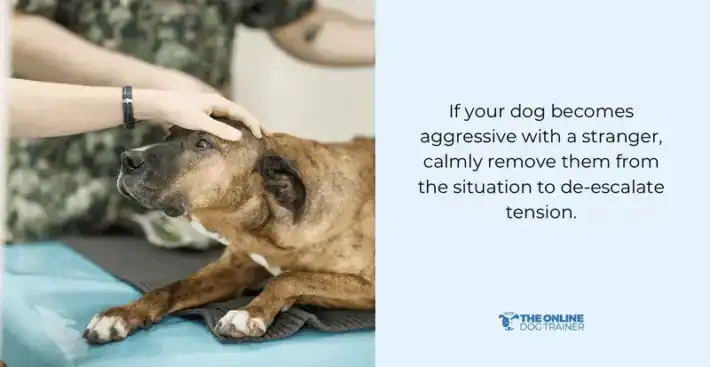
Consult a dog trainer if your pet shows signs of aggression like growling, snapping, or biting. Trainers have experience with behavior problems and can teach you how to manage your dog’s actions.
- Your dog reacts aggressively to strangers or other animals.
- You notice sudden changes in your dog’s behavior.
- Your dog’s aggression causes safety concerns at home or in public.
- You want to learn safe handling techniques.
Veterinary Behaviorists
Veterinary behaviorists are veterinarians with special training in animal behavior. They can diagnose medical causes of aggression and suggest treatments or medication.
| Role | Focus | When to See |
| Veterinary Behaviorist | Medical and behavioral issues | Aggression linked to illness or sudden change |
| Trainer | Behavior management and skills | Training and behavior correction |
Behavior Modification Programs
Behavior modification programs use techniques to change aggressive actions. These programs often combine training, environment changes, and sometimes medication.
- Identify triggers that cause aggression.
- Use positive reinforcement to encourage good behavior.
- Teach alternative responses to stress or fear.
- Apply consistent rules and commands.
- Monitor progress and adjust the plan as needed.
Preventing Future Aggression
Stopping aggressive dog behavior starts early. Training and care help keep dogs calm.
Owners must work on social skills, training, and health to avoid problems later.
Early Socialization
Introduce your dog to many people and animals when it is young. This helps it feel safe and less scared.
- Invite friends over to meet the dog
- Visit parks with other dogs
- Expose your dog to different sounds and places
- Reward calm and friendly behavior
Ongoing Training
Keep teaching your dog good manners. Training should be clear and consistent.
- Use simple commands like “sit” and “stay”
- Practice daily for short periods
- Reward calm behavior with treats or praise
- Avoid harsh punishments that cause fear
Monitoring Health
Health issues can cause pain and make dogs aggressive. Watch your dog’s health closely.
| Health Sign | Possible Cause | Action |
| Change in appetite | Illness or pain | Visit vet |
| Sudden aggression | Injury or discomfort | Check for wounds |
| Excessive licking | Skin issues | Consult vet |
Credit: theonlinedogtrainer.com
Frequently Asked Questions
What Are Common Signs Of Aggressive Dog Behavior?
Aggressive dogs may growl, snarl, snap, or bite. They often show stiff body posture, raised hackles, and intense staring. Early signs include lunging or excessive barking. Recognizing these signs helps prevent dangerous encounters and allows timely intervention.
How Can Training Reduce Aggressive Dog Behavior?
Consistent, positive reinforcement training improves behavior and builds trust. Teaching commands like “sit” and “stay” helps control reactions. Avoid punishment, as it can worsen aggression. Early socialization with people and dogs is crucial to reduce fear-based aggression.
What Causes Sudden Aggression In Dogs?
Sudden aggression can stem from pain, fear, or illness. Changes in environment or routine may also trigger it. Identifying the root cause through a vet checkup or behaviorist consultation is essential. Early detection helps manage and treat aggressive behavior effectively.
Can Neutering Reduce Aggressive Behavior In Dogs?
Neutering often lowers hormone-driven aggression in dogs. It can reduce roaming, dominance, and territorial behaviors. However, it is not a guaranteed fix. Combining neutering with proper training and socialization yields the best results in managing aggression.
Conclusion
Stopping aggressive dog behavior takes time and patience. Consistent training helps your dog feel safe and calm. Always reward good behavior to encourage positive habits. Watch your dog’s body language closely to prevent problems early. Stay calm and confident during training sessions.
Remember, every dog learns at its own pace. With care and effort, peaceful walks and happy moments will follow. Your bond with your dog will grow stronger every day. Keep trying—you can make a big difference in your dog’s life.

Emily Barker is the founder of ChillDogLife.com, a space dedicated to helping pup parents discover the best dog products, lifestyle tips, and cozy ideas for happier homes.
A lifelong dog lover, Emily combines her passion for pets with a knack for research to share trusted recommendations on everything from toys and furniture to health and everyday care.
Her goal is simple: to make life easier, stylish, and more joyful for dogs and the people who love them.




