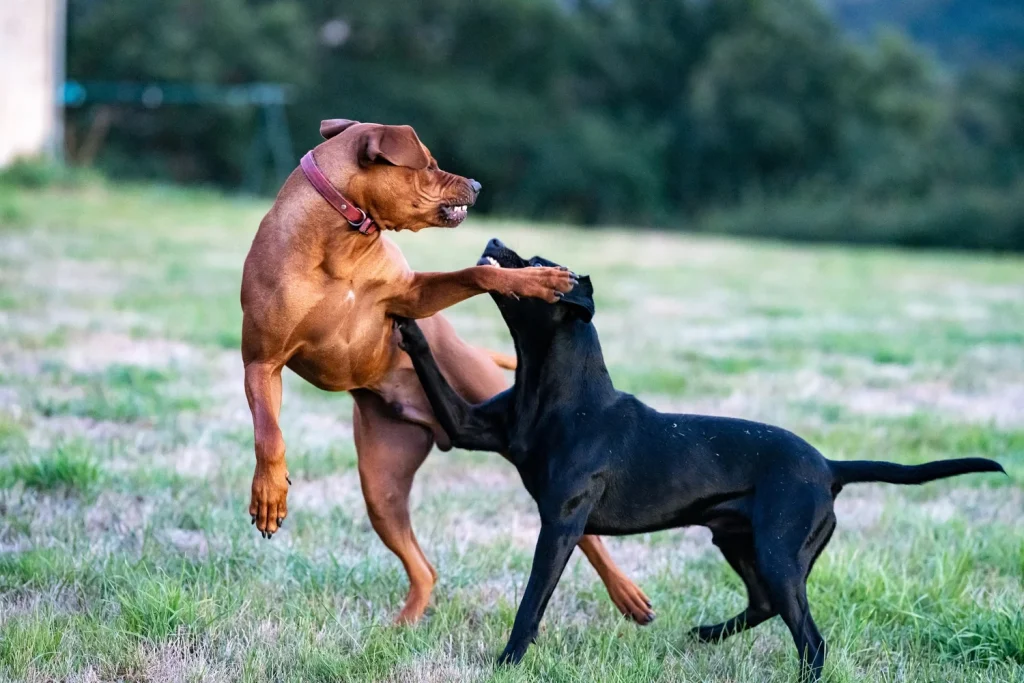
Is your dog showing aggressive behavior towards other dogs? It can be stressful and confusing to see your furry friend act this way.
You might wonder why it’s happening and, more importantly, how to stop it. Understanding the reasons behind your dog’s aggression is the first step to keeping your walks peaceful and safe. You’ll discover simple explanations and practical tips that can help you manage and reduce your dog’s aggressive behavior.
Keep reading to learn how you can make every dog encounter a better experience for both you and your pet.
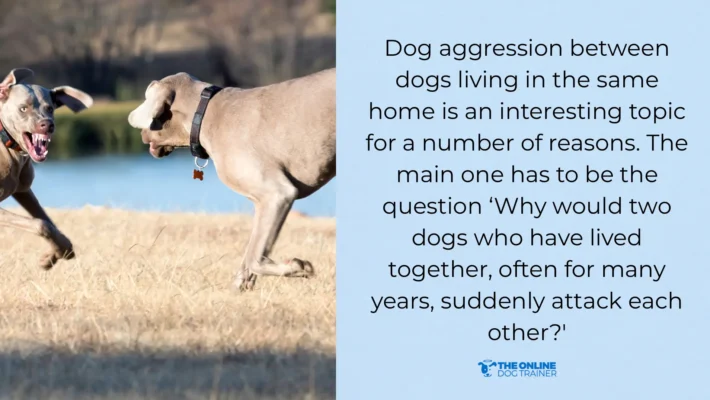
Credit: theonlinedogtrainer.com
Reasons For Aggression
Dogs may show aggression toward other dogs for different reasons. Understanding these causes helps owners manage and prevent fights.
Aggressive behavior often comes from feelings or situations that make a dog uncomfortable or scared. This guide covers the main reasons behind dog aggression.
Fear And Anxiety
Many dogs act aggressively because they feel afraid or anxious. They may bite or growl to protect themselves from a threat they see.
Fear can come from past bad experiences or from unfamiliar dogs and places. Anxiety can make a dog nervous and more likely to snap.
Territorial Behavior
Dogs may act aggressive to defend their space. This could be their home, yard, or even their owner.
- Guarding their home from strangers
- Protecting their favorite resting spots
- Stopping other dogs from entering their area
Resource Guarding
Some dogs growl or snap to keep others away from food, toys, or treats. This behavior is called resource guarding.
- Food bowls
- Chew toys
- Sleeping areas
- Human attention
Lack Of Socialization
Dogs that do not meet many other dogs may feel unsure or scared. This can lead to aggression when they meet new dogs.
Early socialization helps dogs learn how to behave around others. Without it, they may react with fear or anger.
Medical Issues
Some health problems cause pain or discomfort that makes dogs aggressive. Illness or injury can lower their patience.
| Medical Issue | Effect on Behavior |
| Arthritis | Increased irritability due to pain |
| Dental Problems | Snapping when touched near mouth |
| Neurological Disorders | Sudden aggression or confusion |
| Hormonal Imbalance | Heightened aggression during flare-ups |
Signs Of Aggression
Dogs show aggression in many ways. Recognizing these signs helps keep dogs safe.
Signs of aggression include changes in body language, sounds, and actions. Watch carefully to spot problems early.
Body Language
Aggressive dogs often use their body to warn others. Their stance and movements say a lot.
- Stiff posture with raised hackles
- Direct, hard stare without blinking
- Tail held high and stiff or tucked tightly
- Ears pinned back or standing straight up
- Lips curled to show teeth
Vocalizations
Sounds are a clear sign of aggression. Dogs use different noises to warn or threaten.
| Sound | Meaning |
| Growling | Warning to stay away |
| Snarling | Threatening attack |
| Barking | Alert or challenge |
| Whining | Stress or discomfort |
Physical Actions
Actions often show real aggression. Some moves are clear signs dogs want to fight.
- Snapping or biting at other dogs
- Lunging forward suddenly
- Blocking or trapping another dog
- Pawing aggressively or pushing
- Charging with raised body
Preventive Measures
Dog aggressive behavior towards other dogs can cause stress and danger. Preventing this behavior early is very important.
Using simple, consistent steps helps your dog stay calm and friendly around others.
Early Socialization
Start socializing your dog when it is a puppy. Let them meet other dogs in safe places.
Early socialization helps your dog learn good behavior and reduces fear or aggression later.
- Introduce your puppy to different dogs and people
- Visit dog parks or puppy classes
- Keep meetings short and positive
- Watch your puppy’s body language carefully
Positive Reinforcement
Reward your dog when it behaves well around other dogs. Use treats, praise, or toys.
Positive reinforcement teaches your dog that calm behavior earns good things.
- Give treats when your dog stays calm
- Use a happy voice to praise good behavior
- Avoid punishing aggressive actions
- Be consistent with rewards
Controlled Exposure
Expose your dog to other dogs slowly and in a controlled way. This helps them learn to stay calm.
Use leashes and calm settings to prevent sudden reactions and keep control.
- Keep your dog on a leash during meetings
- Start with quiet, calm dogs
- Gradually increase the time and closeness
- Stop if your dog shows signs of stress
Training Techniques
Dog aggression towards other dogs can be challenging. Effective training can help manage this behavior.
Training techniques focus on changing how dogs react to other dogs. Patience and consistency are key.
Desensitization
Desensitization involves exposing your dog to other dogs slowly. This helps reduce fear and aggression.
Start at a distance where your dog feels safe. Gradually decrease the distance over time.
- Begin in a controlled environment
- Use treats to reward calm behavior
- Increase exposure gradually
Counter-conditioning
Counter-conditioning changes your dog’s response to other dogs. It replaces negative reactions with positive ones.
Pair the sight of another dog with something your dog loves. This creates a positive association.
- Use favorite treats or toys
- Practice consistently over time
- Reward desired behavior immediately
Leash Training
Leash training helps you control your dog around other dogs. It teaches your dog to stay calm on walks.
Keep a short leash to guide your dog. Practice walking calmly beside you.
- Use a harness for better control
- Stop walking if your dog pulls
- Reward calm walking with treats
Managing Aggressive Episodes
Dogs may show aggression towards other dogs for many reasons. Managing these episodes carefully keeps everyone safe.
Understanding how to act during aggressive moments helps reduce stress and prevent harm.
Safe Interventions
Intervene only if it is safe for you and the dogs. Avoid putting your hands near their mouths.
Use barriers or loud noises to distract the dogs. Leash your dog calmly and move away slowly.
- Stay calm and avoid yelling
- Use a blanket or jacket to separate dogs
- Call your dog with a firm voice
- Do not try to pull dogs apart by their collars
Calming Methods
Help your dog calm down after an aggressive episode. Use gentle tones and slow movements.
Offer treats or toys to distract your dog. Create a quiet space where your dog can relax safely.
- Speak softly and avoid eye contact
- Give your dog time to settle down
- Use calming scents like lavender
- Practice deep pressure or gentle petting
When To Seek Professional Help
Look for help if aggression happens often or gets worse. A trainer or behaviorist can guide you.
Seek help if your dog hurts other dogs or people. Early advice can prevent serious problems later.
- Repeated aggressive attacks
- Fear or anxiety triggers aggression
- Difficulty controlling your dog
- Injury to dogs or humans
Role Of Environment
The environment plays a big part in dog aggressive behavior toward other dogs. Dogs react to what they see and feel around them. A calm, safe space helps reduce aggression.
Changing where and how your dog lives and moves can improve their behavior with other dogs. Small changes can make a big difference.
Home Setup
Your home is your dog’s main environment. A quiet, secure area can help your dog feel safe and less stressed. Remove things that cause anxiety or excitement near windows or doors.
- Provide a cozy, separate space for your dog to relax.
- Limit access to windows where your dog can see other dogs outside.
- Use barriers like baby gates to control interactions with visitors or other pets.
- Keep toys and chew items to reduce boredom and frustration.
Walk Routes And Timing
The places and times you walk your dog affect their mood and reactions. Avoid crowded or noisy areas. Choose quiet streets and parks with few dogs at first.
- Pick walk times when fewer dogs are outside, like early morning or late evening.
- Keep distance from other dogs during walks until your dog feels calm.
- Use treats to reward good behavior when passing other dogs.
- Change routes regularly to prevent your dog from getting defensive in familiar spots.
Dog Park Etiquette
Dog parks can be stressful for aggressive dogs. Knowing the rules helps keep everyone safe and calm.
| Rule | Reason |
|---|---|
| Keep your dog on a leash until inside the park | Prevents sudden fights or scares |
| Watch your dog closely at all times | Spot signs of aggression early |
| Separate your dog if it shows aggressive behavior | Protects other dogs and your dog |
| Avoid bringing toys or food | Reduces competition and guarding |
| Choose less busy times to visit | Less stress and fewer conflicts |
When To Consult Experts
Dog aggression towards other dogs can be distressing for owners. It’s important to know when to seek professional help. Experts can offer valuable guidance and strategies.
Understanding the role of different experts can help you decide who to consult. This can make a big difference in managing your dog’s behavior.
Behaviorists
Behaviorists specialize in understanding and modifying animal behavior. They can identify the root causes of aggression in dogs.
- Conduct detailed behavioral assessments
- Develop personalized behavior modification plans
- Teach techniques to manage and reduce aggression
Veterinarians
Veterinarians can rule out medical issues that might cause aggressive behavior. They provide important medical insights.
| Service | Description |
| Health Check | Identify any underlying health problems |
| Medication | Prescribe treatment if needed |
| Referral | Suggest other specialists |
Trainers
Trainers focus on teaching dogs specific skills and commands. They can help improve your dog’s response in various situations.
Training tips can include:
- Basic obedience training
- Socialization exercises
- Controlled exposure to other dogs
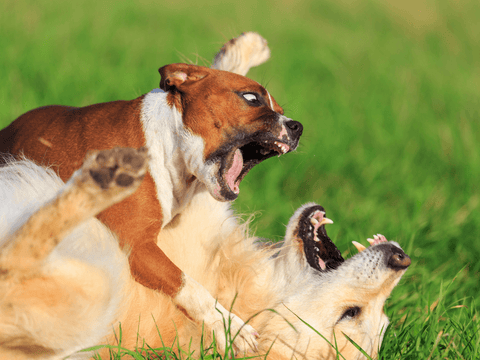
Credit: greensafaris.com

Credit: www.dwdogtraining.com
Frequently Asked Questions
What Causes Dog Aggressive Behavior Towards Other Dogs?
Dog aggression often stems from fear, territorial instincts, or poor socialization. It can also result from pain or past trauma. Understanding the root cause helps in managing and modifying this behavior effectively.
How Can I Safely Introduce My Dog To Other Dogs?
Introduce dogs gradually in a neutral space. Keep both dogs on leashes and observe body language closely. Reward calm behavior and separate them if aggression occurs to ensure safety.
Can Training Reduce My Dog’s Aggression Towards Other Dogs?
Yes, consistent training using positive reinforcement can reduce aggression. Teaching commands like “sit” and “leave it” helps control impulses. Professional trainers can provide tailored guidance for best results.
When Should I Seek Professional Help For Dog Aggression?
Seek professional help if aggression is severe, frequent, or causes injury. Early intervention prevents escalation. A certified trainer or behaviorist can develop a safe, effective treatment plan.
Conclusion
Aggressive behavior in dogs can cause stress and danger. Understanding why dogs act this way helps owners manage it better. Training and patience play key roles in reducing aggression. Socializing dogs early can prevent many problems later. Always stay calm and firm during interactions.
Seeking help from a professional trainer is wise. Safe, happy walks and playtimes become possible with effort. You can help your dog live peacefully with others. Consistency and care make a big difference every day.

Emily Barker is the founder of ChillDogLife.com, a space dedicated to helping pup parents discover the best dog products, lifestyle tips, and cozy ideas for happier homes.
A lifelong dog lover, Emily combines her passion for pets with a knack for research to share trusted recommendations on everything from toys and furniture to health and everyday care.
Her goal is simple: to make life easier, stylish, and more joyful for dogs and the people who love them.




