Have you ever wondered why your dog acts like they’re in charge? Understanding dominant behavior in dogs is key to building a better bond with your furry friend.
When your dog tries to take control, it can feel frustrating and confusing. But what if you knew exactly why they act this way and how to handle it calmly? You’ll discover clear signs of dominance and simple steps to guide your dog towards respectful and happy behavior.
Keep reading to unlock the secret to a balanced and peaceful relationship with your dog.
Credit: dogcaretips.mystrikingly.com
Signs Of Dominant Behavior
Dominant behavior in dogs shows how they try to control people and other animals. It helps to know the signs early.
Recognizing these signs can help you manage your dog’s behavior better. It keeps everyone safe and happy.
Posture And Body Language
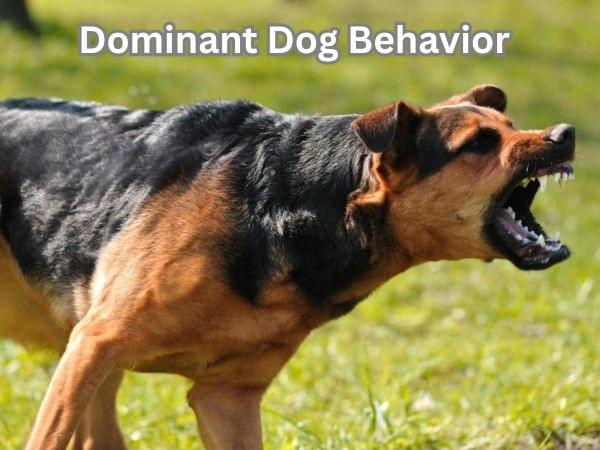
A dominant dog stands tall with a straight body. Their tail is high and stiff. They may hold their head up and stare directly.
They use their body to look bigger. This shows confidence and control over others.
- Raised tail and ears
- Direct, steady eye contact
- Standing tall and stiff
- Leaning forward towards others
Aggression And Intimidation
Dominant dogs may growl or snap to scare others. They use loud barks or lunging to show power.
This behavior warns others to keep away or obey their rules.
- Growling or snarling
- Snapping or biting
- Loud, deep barking
- Charging or lunging
Resource Guarding
Dominant dogs protect their food, toys, or resting spots. They may block access or show anger if you get close.
This behavior helps them keep control over valuable things.
- Growling when near food or toys
- Snapping if someone tries to take items
- Standing between people and resources
- Stiff body and alert eyes near possessions
Control Over Space And People
Dominant dogs decide who can enter their space. They may block doorways or push past people.
They often try to lead walks or control playtime. This shows they want to be in charge.
- Blocking paths or doorways
- Pushing past people
- Leading during walks or play
- Ignoring commands from others
Common Causes
Dominant behavior in dogs can come from several causes. Understanding these causes helps in managing the behavior better.
Some causes are linked to the dog’s genetics, while others come from training or environment.
Genetics And Breed Traits
Some dog breeds have strong natural instincts to lead. These traits come from their genetics. Dogs bred for guarding or herding often show dominant behavior.
Genetics alone do not cause dominance, but they can increase the chance of such behavior.
Lack Of Training Or Boundaries
Dogs without clear rules can try to take charge. Lack of consistent training or boundaries can lead dogs to show dominant acts.
- Inconsistent commands from owners
- No clear leadership shown to the dog
- Ignoring bad behavior instead of correcting it
- Not socializing the dog with other dogs
Fear And Anxiety
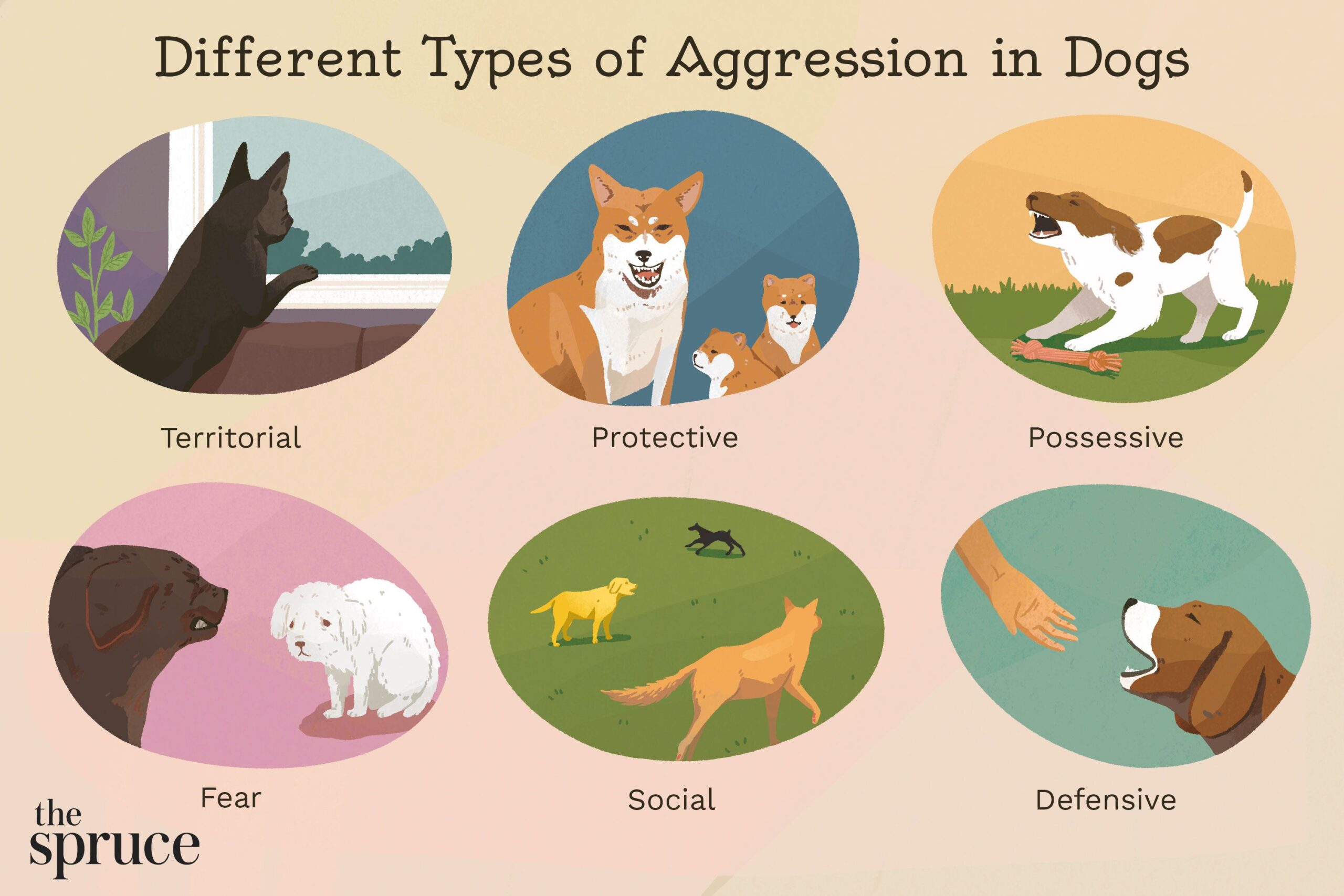
Some dogs act dominant because they feel scared or anxious. This behavior tries to protect them from threats.
Fear can make dogs more aggressive or controlling in their actions.
Environmental Factors
| Factor | Effect on Behavior |
|---|---|
| Living in crowded spaces | Increases stress and competition |
| Frequent changes in environment | Causes insecurity and dominance attempts |
| Lack of social interaction | Leads to poor social skills and control issues |
| Owner’s behavior | Can encourage or reduce dominant traits |
Assessing Your Dog’s Behavior
Understanding your dog’s behavior helps you build a better relationship. It also keeps your dog safe and happy.
Dominant behavior can cause problems if not handled well. Watching your dog closely is the first step.
Behavioral Observation Techniques
Watch your dog in different situations to notice patterns. Look at how your dog acts around people and other dogs.
Note body language like tail position, eye contact, and posture. These signs show if your dog feels confident or scared.
- Observe during play and rest times
- Check reactions to new people and animals
- Notice how your dog responds to commands
- Record any growling, barking, or biting
Identifying Triggers
Triggers are events or things that cause dominant behavior. Finding these helps you control your dog’s actions.
Common triggers include food, toys, space, or attention. Your dog might also react to loud noises or strangers.
- Notice what happens before your dog shows dominance
- Watch for specific people or animals that cause a reaction
- Look for times your dog feels protective or threatened
- Keep a journal of situations and responses
When To Seek Professional Help
Some dominant behaviors need expert attention. If your dog shows aggression often, get help from a trainer or vet.
Also seek help if your dog hurts people or other pets. Professionals can create a safe plan for your dog’s training.
- Frequent biting or snapping
- Refusing to follow basic commands
- Signs of fear or anxiety with aggression
- Conflicts with family members or other dogs
Credit: suburban-k9.com
Training Techniques
Dogs with dominant behavior need clear and gentle training. Training helps them learn proper ways to behave.
Using the right methods keeps your dog calm and responsive. These techniques build trust and respect.
Positive Reinforcement
Reward good behavior with treats, praise, or play. This encourages your dog to repeat positive actions.
- Give a treat immediately after good behavior
- Use a happy tone to praise your dog
- Offer extra playtime as a reward
- Ignore unwanted behavior instead of punishment
Establishing Leadership
Show your dog you are calm and in control. Dogs need to see you as a firm leader.
Lead by example and set clear rules. This helps your dog feel safe and respects your guidance.
Consistency And Patience
Train your dog at the same times every day. Use the same commands and rewards to avoid confusion.
| Training Tip | Why It Helps |
| Regular sessions | Keeps lessons clear |
| Repeat commands | Builds understanding |
| Stay calm | Reduces dog stress |
| Be patient | Allows learning time |
Avoiding Punishment Pitfalls
Do not use harsh punishments or yelling. This can make dominance worse or cause fear.
Instead, try these safe ways:
- Redirect bad behavior to good actions
- Use time-outs calmly and briefly
- Focus on teaching what to do
- Keep training sessions positive
Managing Dominance At Home
Dominant behavior in dogs can be challenging. It is important to manage it at home. With the right approach, you can help your dog feel secure and balanced.
Understanding your dog’s needs and setting clear guidelines is key. This guide will help you manage dominance through structure and routine.
Setting Clear Boundaries
Dogs need boundaries to understand their limits. Set rules that everyone in the house follows. Consistency helps your dog learn what is acceptable.
Use positive reinforcement to encourage good behavior. Reward your dog when they respect the boundaries you set.
- No jumping on furniture without permission
- Wait before eating until given the command
- Stay off certain areas like the kitchen
Structured Daily Routines
Routine gives dogs a sense of security. Establish a daily schedule for feeding, walks, and playtime. This helps reduce anxiety and dominance issues.
Stick to the routine as much as possible. Dogs thrive on predictability and knowing what to expect each day.
- Morning walk at the same time
- Mealtime consistency
- Regular play sessions
Socialization Strategies
Socialization is vital for reducing dominance. Introduce your dog to different people and pets. This helps them learn how to interact appropriately.
Organize playdates with other dogs. Keep these sessions supervised to ensure positive interactions.
- Visit dog parks regularly
- Enroll in obedience classes
- Invite friends with dogs for visits
Safe Spaces For Your Dog
Dogs need a place to relax and feel safe. Create a designated area where they can retreat. This helps reduce stress and dominant behavior.
Ensure the space is quiet and comfortable. It can be a bed or a crate, depending on your dog’s preference.
- Soft bedding for comfort
- Toys to keep them entertained
- Located away from high-traffic areas
Tools And Resources
Understanding dominant behavior in dogs requires the right tools and resources. These help owners manage and guide their dogs effectively.
Using proper equipment, learning from trusted sources, and seeking expert help can improve training results.
Training Aids And Equipment
Training aids help control and guide a dog's behavior safely. They support consistent lessons and reduce risks.
Common tools include collars, leashes, and harnesses designed to improve communication between owner and dog.
- Flat collars for everyday control
- Head halters to gently redirect attention
- Front-clip harnesses to discourage pulling
- Clickers for positive reinforcement
- Treat pouches for quick rewards
Books And Online Courses
Books and courses provide detailed knowledge about dog behavior and training methods. They explain how to handle dominant traits calmly.
Look for materials that focus on respect, consistency, and positive training techniques.
- Books on dog psychology and behavior
- Step-by-step training guides
- Video lessons from certified trainers
- Interactive online courses with quizzes
- Webinars on managing dominance issues
Professional Trainers And Behaviorists
Experts can assess your dog’s behavior and create a tailored training plan. They offer advice and hands-on help.
Choose trainers or behaviorists who use gentle, science-based approaches. They focus on building trust and respect.
- Certified dog trainers with experience in dominance issues
- Animal behaviorists with formal education
- Consultations for behavior evaluations
- Group classes and private sessions
- Follow-up support for ongoing progress
Credit: theonlinedogtrainer.com
Frequently Asked Questions
What Causes Dominant Behavior In Dogs?
Dominant behavior in dogs often stems from insecurity, lack of training, or social hierarchy instincts. It can also arise from inconsistent rules or unclear boundaries set by the owner.
How Can I Tell If My Dog Is Dominant?
Signs include guarding resources, stubbornness, ignoring commands, and challenging authority. Dominant dogs may also display mounting or growling to assert control.
Is Dominant Behavior In Dogs Dangerous?
Dominant behavior isn’t always dangerous but can lead to aggression if unchecked. Proper training and socialization help manage and reduce risks.
Can Training Reduce Dominant Behavior In Dogs?
Yes, consistent training with clear boundaries helps reduce dominance. Positive reinforcement and firm leadership build respect and improve behavior.
Conclusion
Dominant behavior in dogs can be challenging but manageable. Understanding why dogs act this way helps owners respond well. Consistent training and clear rules create a calm environment. Dogs need leadership, not harsh punishment, to feel secure. Watch for signs early and act with patience.
Every dog is different; adjust your approach as needed. Building trust is key to a happy relationship. Stay calm, stay firm, and enjoy your time together.

Emily Barker is the founder of ChillDogLife.com, a space dedicated to helping pup parents discover the best dog products, lifestyle tips, and cozy ideas for happier homes.
A lifelong dog lover, Emily combines her passion for pets with a knack for research to share trusted recommendations on everything from toys and furniture to health and everyday care.
Her goal is simple: to make life easier, stylish, and more joyful for dogs and the people who love them.




