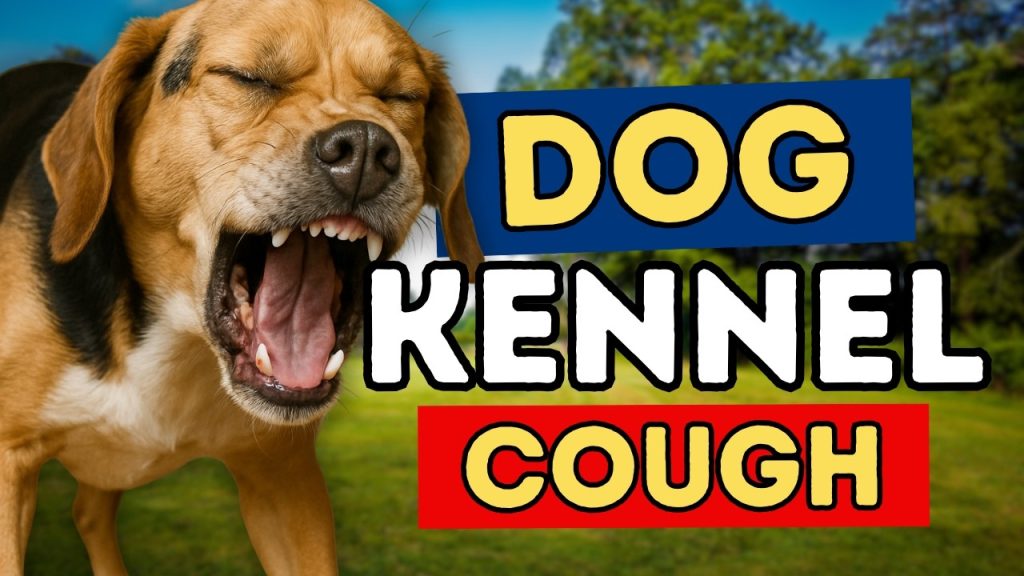
Have you ever heard your dog make a strange, persistent cough and wondered what it means? Kennel cough is a common illness that affects many dogs, but its sound can be confusing and worrying if you don’t know what to listen for.
Understanding what kennel cough sounds like can help you spot it early and get your furry friend the care they need. You’ll learn how to recognize the telltale signs of kennel cough just by the sound, so you can protect your dog’s health and avoid unnecessary stress.
Keep reading to discover what that cough really means and what you should do next.

Credit: www.rover.com
Common Kennel Cough Noises
Kennel cough makes several distinct sounds. Recognizing these noises helps spot the illness early. Dogs with kennel cough often show different cough patterns. Each sound tells about the severity and nature of the infection.
Dry, Hacking Cough
This cough is sharp and rough. It sounds like your dog is trying to clear its throat. The cough does not bring up mucus or spit. It often comes in fits, making the dog seem uncomfortable. This is the most common kennel cough noise.
Gagging And Retching Sounds
Sometimes coughing leads to gagging or retching. The dog may seem like it is choking or struggling to breathe. These sounds occur because the throat is irritated. They can be alarming but usually are part of the cough cycle. Watch for signs of distress or difficulty breathing.
Honking Or Goose-like Cough
This cough is unique and easy to spot. It sounds like a honk or a goose call. It happens because the dog’s windpipe is inflamed. The honking cough is a key sign of kennel cough. It often lasts several days before getting better.
Credit: www.goodrx.com
Identifying Severity By Sound
Recognizing how severe your dog's kennel cough is by its sound can help you decide when to seek veterinary care. The tone, frequency, and accompanying noises give important clues about your dog’s health. Paying attention to these subtle differences ensures your pet gets the right attention without unnecessary stress.
Mild Vs. Severe Coughing
A mild kennel cough often sounds like a soft, dry hacking or a gentle honking noise. It usually happens sporadically, and your dog seems otherwise comfortable and active.
Severe coughing, on the other hand, is louder, more forceful, and frequent. It might sound almost like a choking or gagging episode, and your dog may struggle to catch their breath afterward. If the cough persists for more than a week or worsens, it’s a warning sign.
Changes In Coughing Patterns
Watch for any changes in how your dog coughs. Does the cough become deeper, harsher, or more repetitive over time? These shifts can indicate worsening irritation or infection in the respiratory tract.
If your dog’s cough starts to interfere with eating, sleeping, or playing, it’s time to take notice. A sudden change from mild to severe coughing should prompt a veterinary check-up immediately.
Accompanying Breathing Noises
Listen carefully for any wheezing, whistling, or rattling sounds when your dog breathes. These noises often mean the infection is affecting the lower airways or lungs.
Labored or noisy breathing combined with coughing is a sign your dog may need urgent medical help. You might also notice your dog breathing faster than usual or showing signs of discomfort.
How closely do you listen to your dog’s cough? Small differences in sound can make a big difference in their care.
Other Signs Accompanying The Cough
The cough caused by kennel cough rarely appears alone. Dogs often show other signs alongside the cough. These signs help identify the illness early. Watching closely can make a big difference.
Nasal Discharge
Nasal discharge is common with kennel cough. The nose may drip clear or thick mucus. This discharge can be watery or sticky. It often signals irritation or infection in the respiratory tract.
Sneezing Episodes
Sneezing happens frequently during kennel cough. It is the body’s way to clear irritants. Sneezing may be dry or produce mucus. This symptom often comes before or after coughing fits.
Lethargy And Loss Of Appetite
Dogs with kennel cough often feel tired. Lethargy means less energy and less play. They may also eat less or refuse food. These signs show the dog is unwell and needs care.
When To Seek Veterinary Care
Knowing when to seek veterinary care for your dog’s kennel cough can make a big difference in their recovery. Some signs mean it’s time to get professional help right away. Paying close attention to changes in your dog’s cough or behavior can help you decide when to act.
Persistent Or Worsening Cough
If your dog’s cough lasts more than two weeks or seems to get worse, don’t wait to call your vet. A cough that sticks around might signal a deeper issue than kennel cough alone. Your vet can check for complications like pneumonia or other infections that need treatment.
Difficulty Breathing
Is your dog struggling to breathe or breathing faster than normal? This is a serious sign that needs immediate veterinary attention. Difficulty breathing could indicate airway obstruction or lung problems that require urgent care.
Coughing With Blood
Seeing blood when your dog coughs can be alarming and should never be ignored. This symptom can point to severe irritation or injury in the respiratory tract. Contact your vet right away to find out the cause and start appropriate treatment.
Preventing Kennel Cough
Preventing kennel cough is key to keeping your dog healthy and happy. This contagious respiratory infection can spread quickly, especially in places where dogs gather. Taking proactive steps can reduce your dog’s risk and give you peace of mind.
Vaccination Options
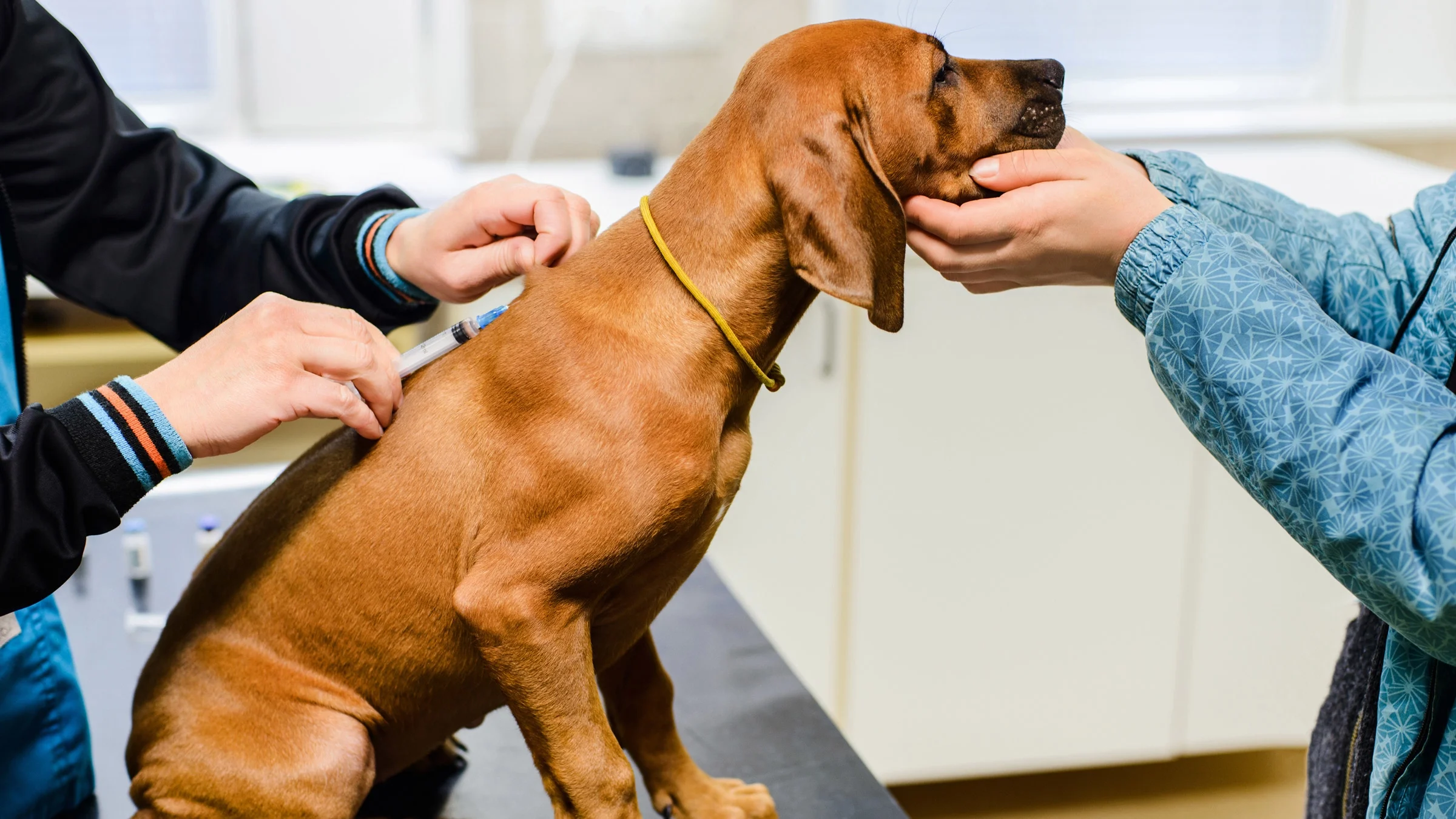
Vaccines are one of the most effective ways to protect your dog from kennel cough. There are different vaccines available, including injectable and intranasal types, each targeting common bacteria and viruses that cause the illness.
Ask your vet about the best vaccine schedule for your dog. Keep in mind that some vaccines require boosters to maintain strong protection. Have you checked if your dog’s vaccinations are up to date recently?
Avoiding High-risk Environments
Places like dog parks, boarding kennels, and grooming salons can expose your dog to kennel cough. Limiting visits to these areas during outbreaks or peak seasons can lower the chance of infection.
If your dog must visit these spots, watch for signs of illness in other dogs. Is there a way to socialize your dog safely without putting them at risk?
Maintaining Good Hygiene
Cleanliness plays a big role in preventing kennel cough. Regularly disinfect your dog’s bedding, toys, and feeding areas to kill germs that might cause illness.
Also, wash your hands before and after handling your dog, especially if you’ve been around other pets. Could small habits like these make a difference in your dog’s health?
.png)
Credit: drfrommdvm.com
Frequently Asked Questions
What Does Kennel Cough Sound Like In Dogs?
Kennel cough sounds like a dry, harsh, and persistent cough. It often resembles a honking noise. This cough is usually repetitive and may worsen with excitement or exercise.
How To Differentiate Kennel Cough From Other Dog Coughs?
Kennel cough is characterized by a strong, hacking cough without mucus. It often has a honking or gagging tone. Other coughs may sound wet or be accompanied by nasal discharge and fever.
Can Kennel Cough Cause Wheezing In Dogs?
Yes, kennel cough can sometimes cause mild wheezing. This happens due to airway irritation and inflammation. However, wheezing is less common than the characteristic dry cough.
How Long Does Kennel Cough Sound Last In Dogs?
Kennel cough sounds typically last 2 to 3 weeks. The cough may persist even after other symptoms improve. Persistent coughing beyond this period should be checked by a vet.
Conclusion
Kennel cough sounds like a harsh, dry cough. Almost like a goose honk. Identifying it early helps in treating your furry friend. Always consult a vet if you notice unusual coughing. Prompt action ensures your dog stays healthy and comfortable.
Remember, prevention is better than cure. Vaccinations can reduce the risk significantly. Keep your dog’s environment clean and avoid infected dogs. This protects them from kennel cough. Stay informed and attentive to any changes. Your dog deserves the best care possible.
A little attention goes a long way in keeping them happy and healthy.

Emily Barker is the founder of ChillDogLife.com, a space dedicated to helping pup parents discover the best dog products, lifestyle tips, and cozy ideas for happier homes.
A lifelong dog lover, Emily combines her passion for pets with a knack for research to share trusted recommendations on everything from toys and furniture to health and everyday care.
Her goal is simple: to make life easier, stylish, and more joyful for dogs and the people who love them.




