Is your dog showing signs of aggression that worry you? You’re not alone, and the good news is that this behavior can be changed.
Understanding why your dog acts aggressively is the first step toward creating a calmer, safer environment for both of you. You’ll discover simple, effective ways to modify your dog’s aggressive behavior. By applying these proven techniques, you can rebuild trust and bring peace back into your home.
Keep reading to learn how to transform your dog’s behavior and strengthen your bond like never before.
Credit: theonlinedogtrainer.com
Causes Of Aggressive Behavior
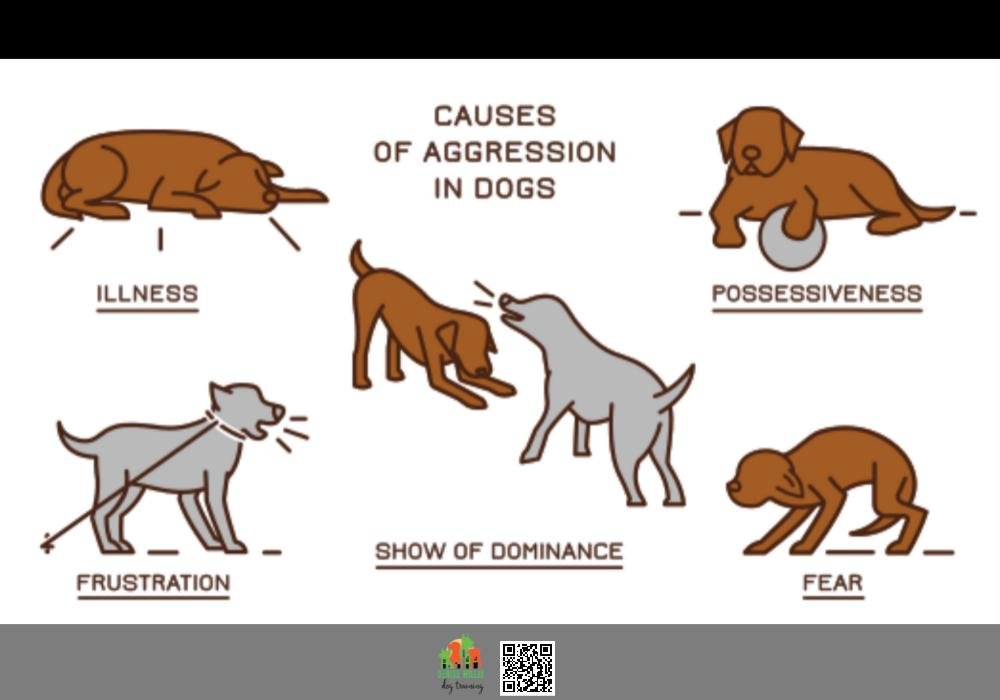
Aggressive behavior in dogs can be confusing and scary. Understanding the causes helps to manage and reduce aggression.
Many factors affect a dog’s temperament. These include genetics, environment, health, and emotions like fear.
Genetics And Breed Traits
Some dogs inherit traits that make them more prone to aggression. Breeds bred for guarding or protection often show this behavior.
- Guard dog breeds may have stronger protective instincts.
- Hunting breeds might show aggression when chasing or cornered.
- Mixed breed dogs can also inherit aggressive traits from parents.
Environmental Triggers
Things around a dog can cause sudden aggression. Loud noises, strange people, or new animals may trigger this behavior.
Common environmental triggers include:
- Strangers entering the home
- Other animals approaching quickly
- Unexpected loud sounds like fireworks
- Changes in daily routine or surroundings
Health Issues
Dogs in pain or with health problems may act aggressively. Illness can make them less tolerant and more defensive.
| Health Issue | Possible Aggression Cause |
| Arthritis | Pain when touched |
| Dental disease | Discomfort in mouth |
| Neurological problems | Confusion or irritability |
| Hormonal imbalances | Changed mood and behavior |
Fear And Anxiety
Fear often causes aggression in dogs. They may bite or growl to protect themselves from threats they sense.
- Fear of strangers or new places
- Separation anxiety when left alone
- Loud noises like thunderstorms or fireworks
- Past trauma or abuse
Credit: theonlinedogtrainer.com
Signs Of Aggression
Understanding dog aggression is important for safety. Recognize the signs to manage behavior effectively.
Aggression can be seen in different ways. Dogs show aggression through body language and sounds.
Body Language Cues
Body language helps us understand a dog’s feelings. Aggressive dogs often have tense muscles and raised fur.
Watch for staring and a stiff tail. These are signs of potential aggression.
- Tense body posture
- Raised hackles
- Direct eye contact
- Stiff, wagging tail
Vocalizations
Dogs use sounds to express emotions. Growling and barking are common aggressive signals.
Pay attention to changes in pitch and volume. This can indicate stress or threat.
- Growling
- Snarling
- Loud, repetitive barking
Types Of Aggression
Aggression can happen for different reasons. It’s important to identify the type to manage it properly.
Different types include territorial, fear-based, and protective aggression.
- Territorial aggression: Protecting space or area
- Fear aggression: Responding to a threat
- Protective aggression: Guarding family or pack
Early Intervention Strategies
Dealing with aggressive dog behavior early is very important. It helps stop problems before they get worse.
Using the right strategies can make a big difference. Start as soon as you notice signs of aggression.
Socialization Techniques
Socializing dogs helps them get used to new people and animals. This reduces fear and aggression.
Introduce your dog to different places and sounds in a calm way. Let them meet friendly dogs and people often.
- Start with quiet, safe environments
- Use treats to reward calm behavior
- Gradually increase the level of new experiences
- Watch your dog’s body language closely
Positive Reinforcement
Positive reinforcement teaches dogs good behavior by giving rewards. This helps them learn faster.
Use treats, praise, or playtime as rewards. Reward your dog when they stay calm or follow commands.
- Give rewards immediately after good behavior
- Be consistent with the type of rewards
- Keep training sessions short and fun
- Ignore unwanted aggressive behavior, do not punish
Consistency In Training
Consistent training helps dogs understand what is expected. It reduces confusion and aggression.
Use the same commands and rules every day. Make sure all family members follow the same training plan.
- Set clear rules for behavior
- Train at the same time each day
- Use the same words and gestures
- Be patient and calm during training
Behavior Modification Techniques
Changing aggressive behavior in dogs takes patience and clear methods. Behavior modification helps dogs learn calm responses.
Using proven techniques, owners can reduce aggression and build trust with their dogs over time.
Desensitization And Counter-conditioning
Desensitization means slowly exposing the dog to triggers at low levels. This helps the dog get used to them without reacting.
Counter-conditioning changes the dog’s feelings about the trigger from negative to positive. It uses treats or praise during exposure.
- Start at a distance where the dog stays calm
- Give treats when the dog notices the trigger but does not react
- Gradually decrease the distance over sessions
- Keep sessions short and positive
- Repeat often for steady progress
Redirecting Aggressive Energy
Redirecting aggressive energy involves guiding the dog to do a different, positive activity instead of reacting aggressively.
This technique helps the dog focus on something else and use energy in a controlled way.
| Redirecting Method | Example |
| Physical Activity | Playing fetch or running |
| Obedience Tasks | Sit, stay, or come commands |
| Chew Toys | Giving a favorite toy to chew |
| Calm Interaction | Gentle petting or massage |
Using Commands Effectively
Clear and consistent commands help dogs understand what is expected. They give the dog structure and reduce stress.
Use firm but calm tones. Reward good responses quickly to reinforce the behavior.
- Choose simple commands like “sit” or “leave it”
- Practice commands in quiet places first
- Use treats or praise as rewards
- Gradually try commands in distracting environments
- Stay patient and repeat often
Managing Aggression Safely
Aggressive dog behavior can be hard to handle. Managing aggression safely keeps you and your dog protected. You need to use the right tools and methods.
This guide covers using muzzles, controlling the environment, and knowing when to get help. These steps help reduce risks and improve safety.
Using Muzzles And Safety Tools
Muzzles stop dogs from biting during aggressive moments. Use muzzles that fit well and allow breathing. Other tools like leashes and harnesses help control your dog.
- Choose a comfortable muzzle that fits your dog.
- Use a strong leash and harness for better control.
- Never leave a muzzled dog alone.
- Practice putting on the muzzle calmly before use.
Supervision And Environment Control
Watch your dog closely to stop aggressive actions early. Change the environment to reduce triggers. Keep your dog away from stress or danger.
| Action | How to Apply |
| Remove triggers | Keep dog away from loud noises or strangers |
| Limit access | Use gates to block off certain areas |
| Provide safe space | Give a quiet room or crate |
| Supervise closely | Stay nearby when others interact with your dog |
When To Seek Professional Help
If aggression stays strong or gets worse, find a dog trainer or vet. They can check for medical issues or teach safe behavior methods.
Signs to seek help:
- Dog bites often or without warning
- Aggression stops training progress
- Dog shows fear or anxiety around people
- You feel unsafe handling the dog
Maintaining Calm Behavior
Keeping an aggressive dog calm takes patience and care. A calm dog is easier to train and live with.
Understanding ways to reduce stress and build trust helps your dog stay relaxed and happy.
Regular Exercise And Mental Stimulation
Exercise helps your dog release energy that could cause aggression. Mental games keep their mind sharp.
- Take daily walks to burn off energy
- Play fetch or tug-of-war for fun exercise
- Teach new commands to challenge their brain
- Use puzzle toys to keep them busy
Stress Reduction Practices
Lower stress in your dog by creating a calm environment. This helps reduce aggressive reactions.
| Practice | How It Helps |
| Quiet time | Gives your dog a break from noise |
| Gentle massage | Relaxes muscles and calms nerves |
| Consistent routine | Reduces anxiety about daily events |
| Safe space | Provides a place to feel secure |
Building Trust And Bonding
Trust forms the base of calm behavior. Bonding helps your dog feel safe and cared for.
Here are ways to build trust:
- Use gentle, kind tones when speaking
- Spend quiet time together without distractions
- Reward calm behavior with treats and praise
- Respect your dog’s limits and avoid force
Credit: theonlinedogtrainer.com
Frequently Asked Questions
What Causes Aggressive Behavior In Dogs?
Aggression in dogs can stem from fear, pain, territorial instincts, or lack of socialization. Genetics and past trauma also influence behavior. Identifying the root cause is vital for effective modification.
How Can I Safely Modify My Dog’s Aggression?
Use positive reinforcement, avoid punishment, and stay consistent. Gradual exposure to triggers helps reduce fear. Seek professional training for severe aggression cases to ensure safety.
When Should I Consult A Professional Trainer?
Consult a trainer if aggression escalates or poses safety risks. Professionals provide tailored behavior plans and guidance. Early intervention improves outcomes and prevents accidents.
Can Neutering Reduce Aggressive Behavior In Dogs?
Neutering can decrease hormone-driven aggression, especially in males. However, it may not eliminate aggression caused by fear or territorial issues. Combine neutering with training for best results.
Conclusion
Changing aggressive dog behavior takes time and patience. Consistent training helps your dog feel safe and calm. Watch your dog’s body language to understand their needs. Use positive rewards to encourage good actions. Avoid punishment, as it can make aggression worse.
Seek help from a professional trainer if needed. Small steps lead to big improvements over time. You can build a trusting bond with your dog. Stay patient, and keep working gently every day. Your efforts will bring a happier, safer pet and home.

Emily Barker is the founder of ChillDogLife.com, a space dedicated to helping pup parents discover the best dog products, lifestyle tips, and cozy ideas for happier homes.
A lifelong dog lover, Emily combines her passion for pets with a knack for research to share trusted recommendations on everything from toys and furniture to health and everyday care.
Her goal is simple: to make life easier, stylish, and more joyful for dogs and the people who love them.




