Have you ever wondered why your dog sometimes acts bossy or tries to take control? Understanding dominance behavior in dogs is key to creating a peaceful and happy home.
When you recognize these signs early, you can guide your furry friend toward better habits without stress or confusion. This article will help you see what dominance really means in your dog’s world—and how you can respond in ways that build trust and respect.
Keep reading to discover simple, effective tips that will change the way you and your dog connect forever.

Credit: www.dwdogtraining.com
Causes Of Dominance Behavior
Dominance behavior in dogs can confuse many pet owners. Understanding why dogs act dominant helps manage their actions better.
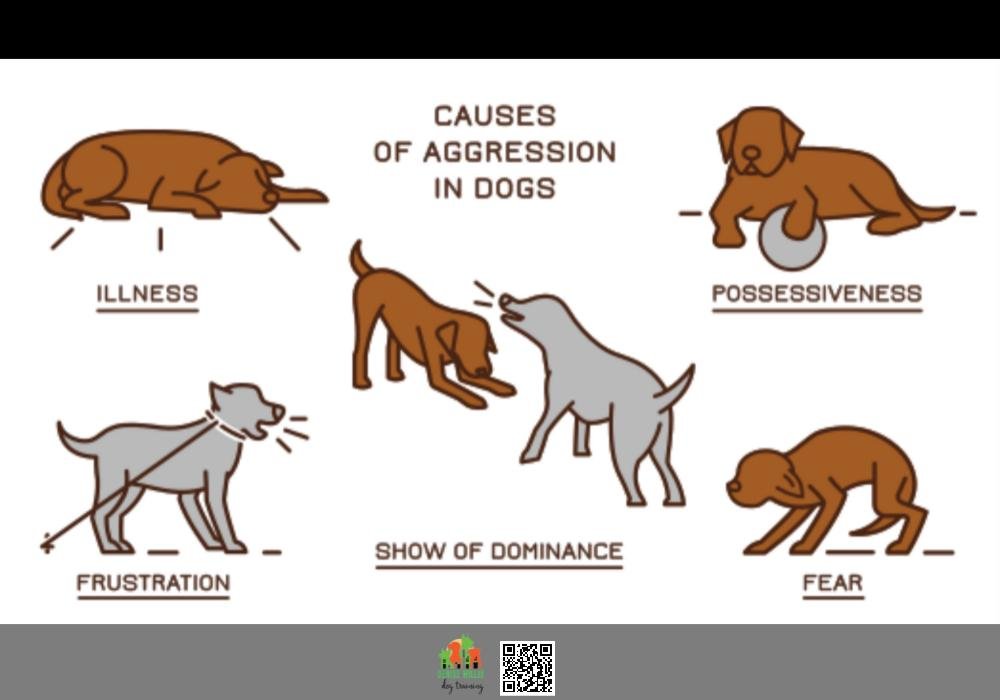
Several factors play a role in causing dominance behavior. These include genetics, environment, and social skills.
Genetic Factors
Some dogs inherit traits that make them more likely to show dominant behaviors. These traits come from their parents.
Breeds known for guarding or herding often have stronger dominance instincts. This is part of their natural role.
Environmental Influences
The place where a dog grows up affects its behavior. Stress, lack of clear rules, or competition can increase dominance actions.
- Poor training or inconsistent rules
- High-stress living conditions
- Competition for food or attention
- Lack of clear leadership
Lack Of Socialization
Dogs that do not meet other dogs or people often struggle with dominance. They may act out to control their space.
| Socialization Level | Effect on Dominance |
|---|---|
| Well Socialized | Less likely to show dominance |
| Poorly Socialized | More likely to act dominant |
Signs Of Aggression
Dogs show aggression through various signs. Understanding these signs can prevent dangerous situations.
Aggression in dogs can be due to fear, territory, or dominance. Recognizing these signs is crucial for safety.
Body Language Cues
Dogs communicate aggression through body language. Look for specific cues to understand their mood.
- Raised hackles indicate tension.
- Stiff tail signals alertness.
- Direct stare shows challenge.
Vocalizations
Dogs use sounds to express aggression. Paying attention to these sounds is important.
- Growling is a clear warning.
- Barking can signal threat.
- Snarling shows readiness to bite.
Common Aggressive Actions
Actions can indicate a dog’s aggressive intent. Watch for these common behaviors.
- Lunging towards a person or animal.
- Snapping without making contact.
- Biting to defend territory.
Impact On Dog And Owner
Dominance behavior in dogs affects both the animal and its owner deeply. This behavior can change how the dog acts daily and how the owner feels about caring for their pet.
Understanding the effects helps owners manage their dogs better and keep a safe, happy home environment.
Behavioral Consequences
Dogs showing dominance often act bossy or aggressive. They may refuse to listen or obey commands. This behavior can make training very hard.
- The dog may growl or snap at people or other animals.
- They might guard food, toys, or resting spots aggressively.
- Ignoring commands can lead to unsafe situations.
Safety Risks
Dominance behavior can cause injuries to owners or others. Dogs may bite or attack if they feel challenged. This risk is higher in homes with children or visitors.
| Risk Type | Possible Outcome |
| Biting | Injury to owner or guest |
| Jumping | Falls or scratches |
| Resource Guarding | Conflict with other pets |
| Ignoring Commands | Danger in traffic or public places |
Emotional Strain
Owners often feel stressed and worried when dealing with dominance issues. It can cause tension in the home and reduce the joy of having a dog.
Common emotional effects include:
- Frustration from failed training attempts
- Anxiety about safety risks
- Guilt or sadness over the dog’s behavior
- Feeling isolated or unsupported

Credit: www.amazon.com
Training Strategies
Dogs sometimes show dominance behavior. Training helps guide them to behave well.
Good training needs patience and clear techniques. It builds trust between you and your dog.
Positive Reinforcement
Positive reinforcement rewards good behavior. It helps dogs learn what you want them to do.
Use treats, praise, or toys to encourage your dog. Reward them right after good actions.
- Give a treat when your dog obeys a command
- Use a happy voice to praise good behavior
- Play with your dog after training sessions
Establishing Leadership
Dogs feel safer when they know their leader. You must show calm and confident behavior.
Set clear rules and be consistent. This helps your dog respect your place in the pack.
- Feed your dog after you eat
- Make your dog wait before going out
- Use firm but gentle commands
Avoiding Punishment
Harsh punishments can cause fear or aggression. Avoid yelling or hitting your dog.
Focus on guiding your dog, not punishing mistakes. Use redirection and reward good choices.
- Ignore minor bad behavior
- Redirect your dog to a positive action
- Stay calm and patient during training
Managing Aggressive Episodes
Dogs showing dominance can sometimes act aggressively. Managing these episodes is key to keeping everyone safe.
Understanding how to calm your dog and redirect their energy helps reduce aggressive behavior.
Calm Intervention Techniques
Stay calm to avoid making your dog more nervous or aggressive. Use a soft voice and slow movements.
- Speak in a gentle tone to soothe your dog.
- Avoid direct eye contact, which can seem threatening.
- Give your dog space to calm down safely.
- Use treats to reward calm behavior.
- Do not punish or shout at your dog during aggression.
Redirecting Behavior
Redirect your dog’s focus to prevent aggressive actions. Offer toys or commands to shift their attention.
| Action | Purpose |
|---|---|
| Give a chew toy | Distracts and satisfies chewing urges |
| Use basic commands | Refocuses the dog on you, not the trigger |
| Take a short walk | Helps release built-up energy and stress |
| Play a fetch game | Engages the dog in positive activity |
Seeking Professional Help
Some dogs need expert help to manage aggression safely. Trainers and vets can give advice and treatment.
Consider these actions when seeking help:
- Consult a certified dog trainer experienced with dominance issues.
- Visit a veterinarian to rule out medical causes.
- Follow a behavior modification plan designed for your dog.
- Attend regular training sessions and follow up on progress.
Preventing Future Aggression
Dominance behavior in dogs can lead to aggression if not managed well. Preventing this aggression is important for a safe home.
Building good habits early helps dogs stay calm and friendly. Owners must use clear rules and care.
Consistent Routine
Dogs feel safe when their daily routine stays the same. A consistent schedule reduces stress and confusion.
Feed, walk, and train your dog at the same times. This helps them understand what to expect.
- Feed meals at regular times
- Walk your dog daily on a schedule
- Train with set times and commands
Early Socialization
Introducing your dog to people and other dogs early helps prevent fear and aggression. Social dogs feel less need to show dominance.
Allow your dog to meet new friends in safe places. This builds confidence and good manners.
- Start social visits before six months old
- Use calm, controlled meetings
- Reward friendly behavior with treats
Regular Exercise
Exercise helps dogs release energy in a positive way. Tired dogs are less likely to act aggressively.
Give your dog daily walks and playtime. Use toys and games to keep their mind active too.
- Walk your dog at least 30 minutes daily
- Play fetch or tug-of-war games
- Use puzzle toys to challenge the mind

Credit: www.dwdogtraining.com
Frequently Asked Questions
What Is Dominance Behavior In Dogs?
Dominance behavior in dogs involves asserting control over people or other pets. It includes actions like growling, mounting, or guarding resources. Understanding this helps owners manage and train dogs effectively to prevent aggression or conflicts.
How Can I Tell If My Dog Is Dominant?
Signs of dominance include staring, blocking movement, and refusing commands. Dominant dogs may also guard toys or food aggressively. Observing these behaviors helps identify dominance issues early for proper training.
Is Dominance Behavior Harmful To Dogs?
Dominance behavior can lead to aggression and stress in dogs if unmanaged. It may cause conflicts with family members or other pets. Addressing dominance early ensures a safer, happier environment for your dog and household.
How To Manage Dominance In Dogs Safely?
Use consistent training, positive reinforcement, and clear boundaries. Avoid harsh punishments as they increase aggression. Professional help from a trainer can be beneficial for severe dominance behaviors.
Conclusion
Dominance behavior in dogs affects their actions and relationships. Understanding these signs helps you manage your dog better. Respect and clear communication build trust between you and your pet. Consistent training guides your dog to behave well and feel safe.
Remember, every dog is different and needs patience. Watch your dog closely and respond calmly. This approach creates a happy, balanced life for both of you. Keep learning about dog behavior to improve your bond every day.

Emily Barker is the founder of ChillDogLife.com, a space dedicated to helping pup parents discover the best dog products, lifestyle tips, and cozy ideas for happier homes.
A lifelong dog lover, Emily combines her passion for pets with a knack for research to share trusted recommendations on everything from toys and furniture to health and everyday care.
Her goal is simple: to make life easier, stylish, and more joyful for dogs and the people who love them.




