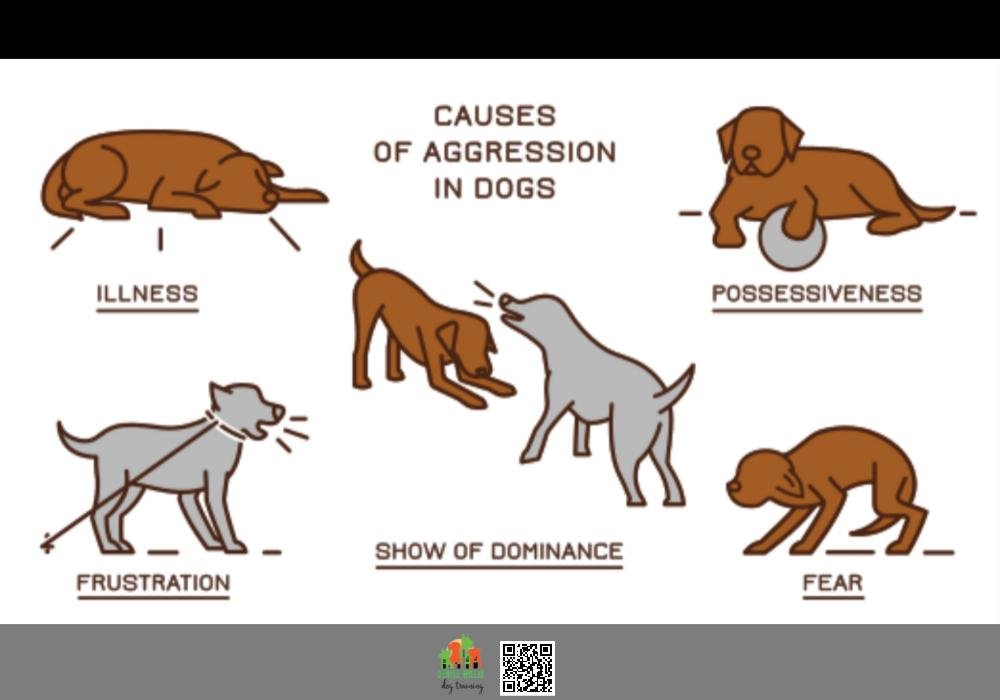
Have you ever wondered why your dog suddenly snaps or growls without warning? Understanding what causes aggressive behavior in dogs can help you keep your furry friend calm and safe.
Aggression isn’t just about a mean streak—it often signals something deeper going on. You’ll discover the key reasons behind your dog’s aggressive actions and learn how to address them before they get worse. Keep reading to protect your bond and create a happier, more peaceful home for both you and your dog.
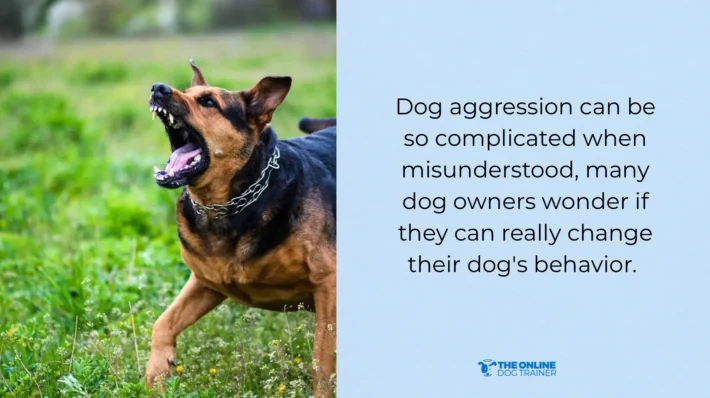
Credit: theonlinedogtrainer.com
Genetics And Breed Tendencies
Dog behavior often links to genetics and breed traits. These inherited factors shape how dogs react to their world.
Understanding genetics helps explain why some dogs act more aggressively. Breed tendencies also play a big role.
Inherited Traits
Aggressive behavior can pass from parents to puppies. This happens through genes that influence temperament.
- Some dogs inherit a strong protective instinct.
- Fearfulness passed down can cause defensive aggression.
- High energy levels may lead to frustration and biting.
- Genetic health issues can affect mood and behavior.
Breed-specific Behaviors
Different breeds have traits that affect their aggression levels. Some breeds are bred to guard or hunt.
| Breed | Common Behavior Traits | Aggression Risk |
| German Shepherd | Protective, loyal | Moderate |
| Chihuahua | Alert, bold | Moderate |
| Bulldog | Calm, stubborn | Low |
| Doberman | Fearless, watchful | High |
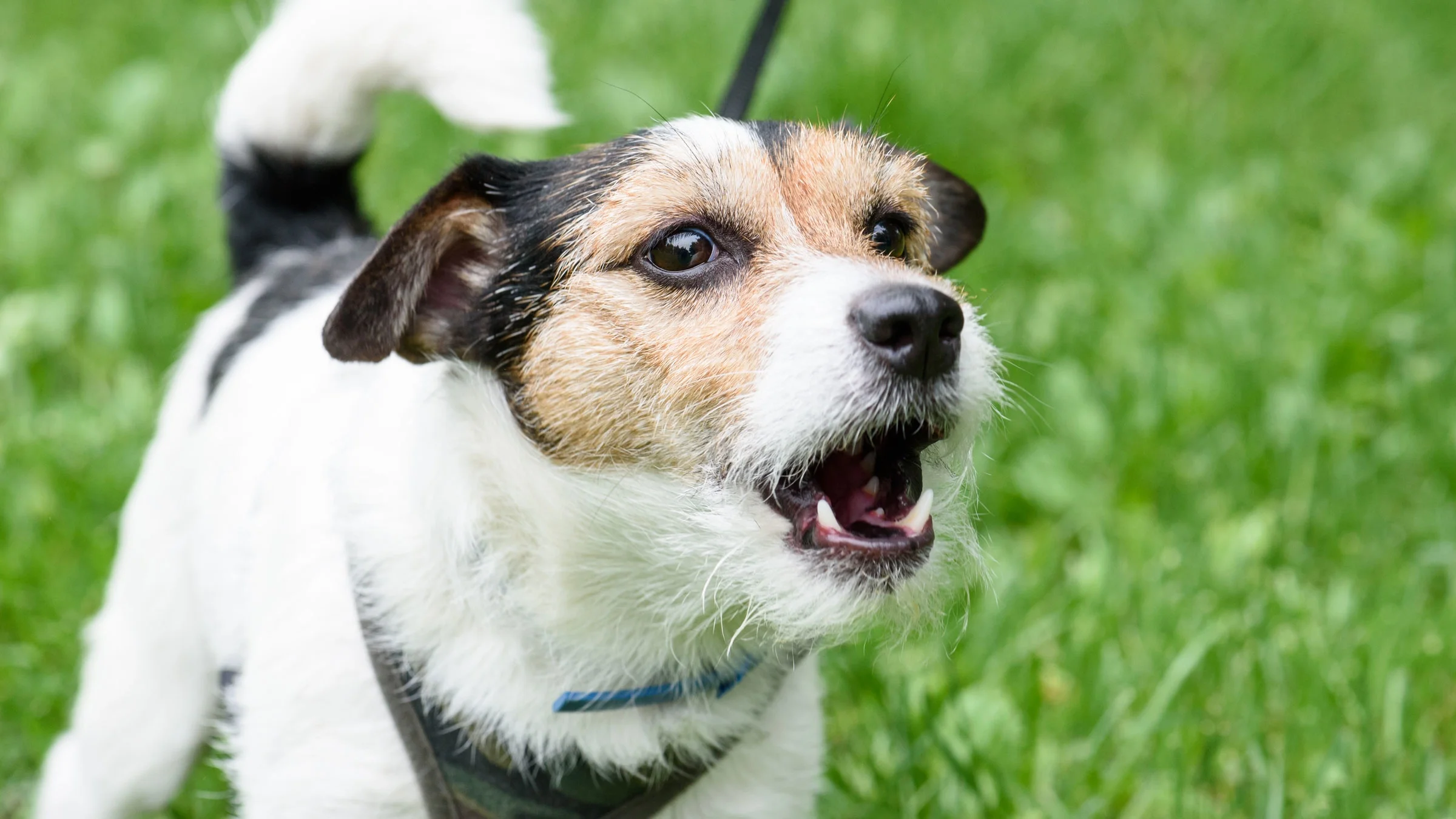
Credit: www.goodrx.com
Environmental Factors
Aggressive behavior in dogs can often result from their surroundings. The environment shapes how dogs think and act daily.
Understanding these environmental factors helps owners prevent or reduce aggression in their pets.
Early Life Experiences
What a dog faces in its first weeks affects its behavior later. Puppies that have rough or scary early times may feel nervous or scared.
Fear and confusion in early life often lead to aggressive actions as a way to protect themselves.
- Separation from mother too early
- Limited handling by humans
- Exposure to loud noises or chaos
- Negative reactions from littermates or people
Living Conditions
Dogs living in cramped or stressful places may show aggression. Tight spaces can cause frustration and fear.
Noise, lack of comfort, and poor care make dogs feel unsafe. These feelings can cause them to act aggressively.
- Crowded homes or kennels
- Poor sanitation or health care
- Constant loud sounds
- Little space to move or play
Socialization Gaps
Dogs need to meet other dogs and people to learn good behavior. Without this, they might fear or dislike others.
Fear of strangers or other animals can lead dogs to react with aggression to protect themselves.
- No exposure to new people or dogs
- Limited contact with different environments
- Negative past social experiences
- Lack of positive social training
Health-related Causes
Aggressive behavior in dogs can arise from health problems. Dogs may act aggressive when they feel unwell or hurt.
Understanding health-related causes helps owners manage and support their pets better.
Pain And Illness
Pain often makes dogs aggressive. A dog in pain may bite or growl to protect itself.
Illnesses like infections or injuries can cause discomfort that leads to aggression.
- Arthritis causes joint pain and stiffness
- Dental problems make chewing painful
- Infections can cause fever and irritability
- Injuries may make touching painful
Neurological Issues
Neurological problems affect how a dog thinks and feels. These issues can cause sudden aggression.
Brain injuries or diseases may change a dog’s behavior and make it less predictable.
- Brain tumors affect mood and behavior
- Seizure disorders cause confusion and fear
- Infections like rabies affect the brain
- Trauma to the head can increase aggression
Hormonal Imbalances
Hormones control many body functions, including mood. Imbalances can make dogs more aggressive.
Changes in hormone levels may increase irritability or cause unusual reactions.
- Thyroid problems can cause anxiety and aggression
- High testosterone levels may increase dominance
- Adrenal gland disorders affect stress responses
Fear And Anxiety Triggers
Dogs often show aggressive behavior due to fear or anxiety. These feelings can come from different situations. Understanding these triggers helps in managing the behavior.
Fear and anxiety make dogs feel unsafe. They may react by growling, biting, or acting out. This guide covers some common causes of aggressive behavior caused by fear and anxiety.
Fear-induced Aggression
Fear-induced aggression happens when a dog feels threatened. The dog tries to protect itself by acting aggressive. This is a natural defense to avoid harm.
- Sudden loud noises like thunderstorms or fireworks
- Strange people or animals nearby
- Being cornered or trapped without a way to escape
- Past bad experiences with certain objects or places
Separation Anxiety
Separation anxiety occurs when dogs feel alone or abandoned. This can cause destructive behavior and sometimes aggression. The dog may try to stop the owner from leaving.
| Sign | Description |
| Excessive barking | Making noise when left alone |
| Chewing | Destroying furniture or objects |
| Escape attempts | Trying to get out of the house or crate |
| Aggression | Growling or snapping when owner prepares to leave |
Stress Responses
Stress makes dogs uneasy and can lead to aggression. Many things cause stress, such as changes in routine or environment. Dogs may show signs before they act out.
- New people or pets in the home
- Loud noises or crowded places
- Traveling or moving to a new home
- Conflicts with other dogs or animals
Territorial And Protective Instincts
Dogs often show aggression due to their territorial nature. This behavior is instinctive and rooted in their ancestry.
Protective instincts make dogs guard their home and family. Understanding these instincts helps in managing aggressive behavior.
Guarding Behavior
Guarding behavior is a common trait in many dogs. They perceive threats and respond by protecting their space.
| Breed | Common Guarding Behavior |
| German Shepherd | Barking at strangers |
| Rottweiler | Patrolling the yard |
| Bulldog | Standing ground firmly |
Resource Protection
Dogs often guard their resources like food and toys. They may growl or snap to keep others away.
- Food guarding during meals
- Protecting favorite toys
- Defending sleeping spots
Training And Behavioral Influences
Aggressive behavior in dogs often links to how they are trained and treated. Training shapes a dog’s reactions and habits. Poor training can cause fear or anger, leading to aggression.
Understanding what triggers aggression helps owners manage and reduce these behaviors. Below are key factors related to training and behavioral influences.
Lack Of Training
Dogs that do not receive proper training may not learn how to control their impulses. This can cause frustration and aggressive acts. Training teaches dogs rules and social skills.
- Untrained dogs may see strangers as threats.
- They often react with barking or biting.
- Lack of socialization increases fear and aggression.
- Training helps dogs feel secure and confident.
Negative Reinforcement
Using punishment or harsh methods can worsen aggression. Negative reinforcement makes dogs scared or anxious. This may cause them to react aggressively.
| Training Method | Effect on Dog |
| Positive Reinforcement | Builds trust and good behavior |
| Negative Reinforcement | Increases fear and aggression |
| Physical Punishment | Leads to defensive biting |
Previous Abuse
Dogs that suffer abuse may develop aggressive behaviors. Abuse causes fear and stress. These dogs feel unsafe and may attack to protect themselves.
Signs of past abuse include:
- Fear of hands or sudden movements
- Avoiding eye contact
- Growling or snapping when touched
- Hiding or cowering
Recognizing Warning Signs
Dogs may show aggression for many reasons. It’s important to recognize early signs. This helps prevent unwanted incidents.
Understanding these signs can improve safety. It also strengthens the bond between you and your dog.
Body Language
Dogs communicate a lot through their bodies. Watching their posture gives clues to their feelings.
Look for stiff bodies or raised fur. Tail position also shows mood changes.
- Stiff body indicates tension
- Raised fur shows agitation
- Tucked tail signals fear
Vocalizations
Dogs use sounds to express themselves. Growls and barks can signal aggression.
Pay attention to changes in their usual sounds. This may indicate stress.
- Growling warns of discomfort
- Barking can mean they feel threatened
- Whining often shows anxiety
Behavioral Changes
Notice changes in your dog’s behavior. These changes might signal aggression.
Sudden shifts in habits can be warning signs. Monitor these closely.
- Avoiding eye contact may mean fear
- Lunging shows potential aggression
- Excessive licking indicates stress
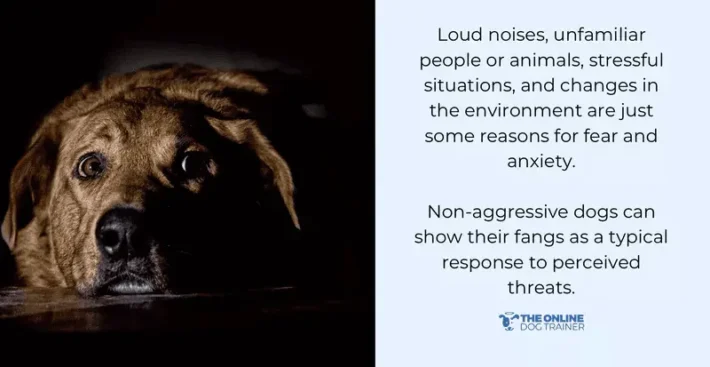
Credit: theonlinedogtrainer.com
Frequently Asked Questions
What Triggers Aggressive Behavior In Dogs?
Aggression in dogs can be triggered by fear, pain, territorial defense, or resource guarding. Genetics and lack of socialization also play roles. Understanding these triggers helps in managing and preventing aggressive incidents effectively.
How Does Fear Cause Dog Aggression?
Fear makes dogs feel threatened, leading them to act defensively. When scared, dogs may growl, snap, or bite to protect themselves. Proper training and positive exposure reduce fear-induced aggression in dogs.
Can Health Issues Lead To Dog Aggression?
Yes, health problems like pain or neurological disorders can cause aggression. Dogs in discomfort may react aggressively to protect themselves. Regular vet check-ups help identify and treat underlying medical causes.
Is Aggressive Behavior In Dogs Hereditary?
Aggression can have a genetic component. Some breeds are more prone to aggression due to inherited traits. However, environment and training significantly influence a dog’s behavior and aggression levels.
Conclusion
Aggressive behavior in dogs often has many causes. Fear, pain, or poor training can trigger it. Understanding these reasons helps owners respond wisely. Early care and patience can reduce problems. Watch your dog’s body language for clues. Seek help from a vet or trainer when needed.
Each dog is unique and needs kindness. Calm and clear actions build trust. This approach leads to happier, safer pets and homes.

Emily Barker is the founder of ChillDogLife.com, a space dedicated to helping pup parents discover the best dog products, lifestyle tips, and cozy ideas for happier homes.
A lifelong dog lover, Emily combines her passion for pets with a knack for research to share trusted recommendations on everything from toys and furniture to health and everyday care.
Her goal is simple: to make life easier, stylish, and more joyful for dogs and the people who love them.




