Are you struggling to manage your dog’s aggressive behavior? You’re not alone, and the good news is that you can take control.
Understanding why your dog acts aggressively is the first step toward a calmer, happier pet. You’ll discover simple, effective techniques to reduce aggression and build a stronger bond with your furry friend. Keep reading—you’ll learn practical tips that work and feel confident in handling your dog’s behavior every day.
Causes Of Aggressive Behavior
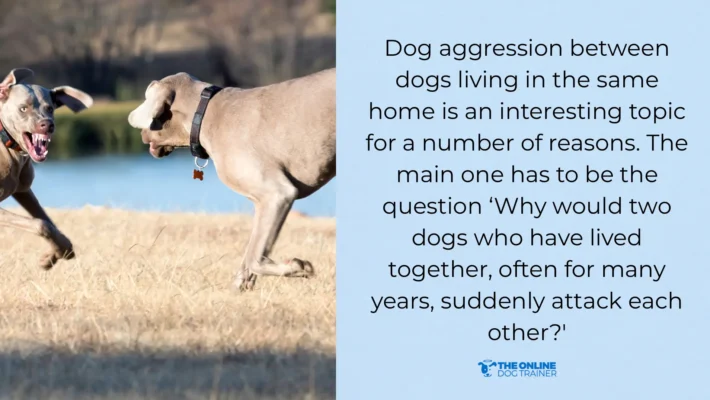
Aggressive behavior in dogs can be a challenge for owners. Understanding the causes helps manage and reduce aggression.
There are several factors that contribute to this behavior. These include genetic factors, environmental triggers, health issues, and fear and anxiety.
Genetic Factors
Some dogs are more aggressive due to their breed. Genes play a role in their temperament and behavior.
Certain breeds are known for their protective nature. These breeds may show aggression if not trained properly.
Environmental Triggers
Dogs react to their surroundings. New places, loud noises, or unfamiliar people can trigger aggression.
Unstable environments can make dogs feel threatened. This may lead to aggressive responses.
Health Issues
Pain or discomfort can cause dogs to act aggressively. Health problems might lead to sudden changes in behavior.
Regular check-ups with a vet help identify and treat health issues that cause aggression.
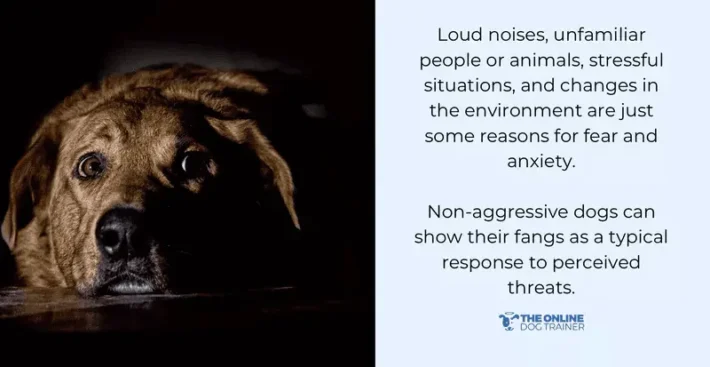
Fear And Anxiety
Fear is a common cause of aggression in dogs. They may attack to protect themselves.
Anxiety can make dogs nervous and unpredictable. This often results in aggressive actions.
- Gradual exposure to fears can help reduce anxiety
- Calm environments support relaxed behavior
- Professional training can assist with fear-related aggression
Credit: theonlinedogtrainer.com
Recognizing Early Signs
Understanding early signs of aggressive behavior helps keep dogs and people safe.
Watch your dog closely. Spotting warning signals early can prevent serious problems.
Body Language Cues
Dogs use their bodies to show how they feel. Watch for stiff posture or raised hackles.
- Stiff tail held high or low
- Ears pinned back or forward
- Direct, hard staring eyes
- Lips curled to show teeth
- Raised fur along the back
- Low crouch or tense stance
Vocalizations
Sounds can warn of aggression. Pay attention to growls, barks, or snarls.
| Sound | Meaning |
| Low growl | Warning to stay away |
| Snarl | Threat or anger |
| Sharp bark | Alert or fear |
| Whine | Stress or discomfort |
Behavioral Changes
Notice if your dog acts differently. Sudden changes can signal trouble ahead.
- Avoiding eye contact or hiding
- Snapping or lunging without clear cause
- Increased irritability or restlessness
- Refusing to obey commands
- Protecting toys, food, or space more fiercely
Training Techniques
Controlling a dog's aggressive behavior takes patience and the right training. Using proven techniques can help your dog stay calm and safe.
Training focuses on changing how your dog reacts to triggers. Consistent practice helps reduce aggression over time.
Positive Reinforcement
Positive reinforcement rewards good behavior. It encourages your dog to repeat calm actions instead of aggressive ones.
Use treats, praise, or toys to reward your dog when it behaves well. This helps build trust and good habits.
- Give a treat after calm behavior
- Use a happy tone to praise your dog
- Repeat rewards consistently
- Avoid punishment, which can increase aggression
Desensitization
Desensitization helps your dog get used to triggers slowly. This lowers fear and aggressive reactions.
Start by exposing your dog to the trigger at a low level. Gradually increase the exposure as your dog stays calm.
- Begin with the trigger far away or quiet
- Observe your dog’s reaction carefully
- Only increase exposure if your dog is calm
- Use treats to reward calm responses
Counter-conditioning
Counter-conditioning changes your dog’s feelings about triggers. It replaces fear or anger with positive feelings.
Pair the trigger with something your dog loves. Over time, your dog will connect the trigger with good things.
- Show the trigger at a safe distance
- Give treats or play when trigger appears
- Keep sessions short and positive
- Repeat often to build new associations
Managing Aggression Safely
Controlling aggressive behavior in dogs is important for safety. It helps protect both the dog and people around it.
Using the right tools and techniques can reduce aggressive incidents. This guide covers key methods to manage aggression safely.
Using Muzzles And Leashes
Muzzles and leashes help control dogs that show aggressive behavior. They keep the dog from biting or running away.
- Choose a muzzle that fits comfortably and allows panting.
- Use a strong leash that gives you good control.
- Practice putting on the muzzle calmly before using it outside.
- Never leave an aggressive dog unattended while muzzled and leashed.
Safe Interaction Practices
Approach and handle aggressive dogs with care. Safe practices reduce risk and build trust.
| Practice | Reason |
| Speak softly | Calms the dog |
| Avoid direct eye contact | Prevents the dog from feeling threatened |
| Move slowly | Reduces sudden stress |
| Offer treats | Creates positive association |
Avoiding Triggers
Identifying and avoiding triggers helps prevent aggressive reactions. Watch the dog’s behavior closely.
- Keep distance from strange dogs or people.
- Do not disturb the dog when it eats or sleeps.
- Avoid loud noises or crowded places.
- Learn the dog’s warning signs like growling or stiff posture.
Professional Help
Controlling aggressive behavior in dogs can be hard for many owners. Sometimes, professional help is the best choice to keep your dog safe and happy.
Experts can guide you with the right steps and tools to reduce aggression and improve your dog’s behavior.
When To Consult A Trainer
Consult a dog trainer if your dog’s aggression gets worse or stays the same. Trainers work with you and your dog to teach better habits.
They can help with issues like growling, biting, and lunging. Early help can stop problems from growing.
- If your dog shows sudden aggressive behavior
- If aggression happens around people or other animals
- If you feel unsafe handling your dog
Role Of Veterinarians
Veterinarians check if health problems cause aggression. Pain or illness can make dogs act aggressively.
They can suggest treatments or medicines to help calm your dog. A vet visit is important before starting training.
- Rule out medical causes for aggression
- Provide medication if needed
- Offer advice on safe behavior management
Behavioral Therapy Options
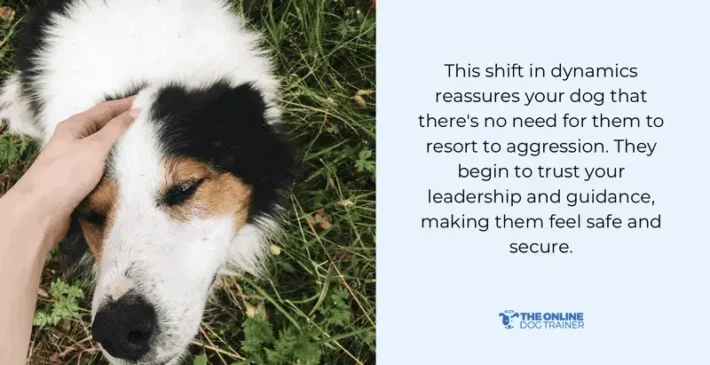
Behavioral therapy helps change your dog’s reactions. Therapists use training and rewards to teach calm behavior.
Options include desensitization and counter-conditioning to reduce fear and aggression triggers.
- Desensitization: Slowly expose the dog to triggers
- Counter-conditioning: Replace bad reactions with positive ones
- Positive reinforcement: Reward good behavior consistently
Credit: theonlinedogtrainer.com
Preventive Measures
Controlling aggressive behavior in dogs starts early. Preventive steps help keep dogs calm and safe.
Using simple habits daily can reduce the chance of aggression. These habits build good behavior over time.
Early Socialization
Introduce your dog to many people, animals, and places early. This helps them feel safe and less fearful.
Safe social experiences teach dogs how to act calmly around others. It lowers the chance of aggressive reactions.
- Start socializing before 4 months old
- Use positive experiences only
- Meet different types of dogs and people
- Visit parks, streets, and dog-friendly places
Consistent Routine
Dogs feel safe with a daily routine. Feeding, walking, and training at the same time helps reduce stress.
Predictable routines help dogs know what to expect. This lowers anxiety and aggressive behavior.
- Feed at regular times
- Walk your dog daily
- Set fixed times for training and play
- Keep a calm tone during activities
Regular Exercise
Exercise burns energy and relaxes dogs. Tired dogs are less likely to act aggressively.
Choose activities your dog enjoys, like walks or playtime. Exercise also improves mood and behavior.
- Daily walks or runs
- Play fetch or tug-of-war
- Use toys to keep dogs active
- Include mental games and training

Credit: www.dwdogtraining.com
Frequently Asked Questions
What Causes Aggressive Behavior In Dogs?
Aggression in dogs often stems from fear, pain, territorial instincts, or poor socialization. Understanding the root cause helps tailor effective control methods and improve behavior.
How Can I Safely Manage An Aggressive Dog?
Use calm, assertive handling and avoid sudden movements. Employ positive reinforcement training and consult a professional trainer for severe cases.
Can Training Reduce My Dog’s Aggression?
Yes, consistent positive reinforcement training can significantly reduce aggression by teaching alternative behaviors and building trust between you and your dog.
When Should I Seek Professional Help For Aggression?
If your dog shows frequent biting, lunging, or uncontrollable aggression, consult a veterinarian or certified behaviorist immediately for proper assessment and treatment.
Conclusion
Controlling a dog’s aggressive behavior takes time and patience. Consistent training helps your dog feel safe and calm. Understanding your dog’s needs reduces fear and stress. Reward good behavior to encourage positive actions. Avoid punishment, as it can make aggression worse.
Seek help from a professional trainer if needed. Small steps lead to big changes in behavior. Stay calm and patient; your dog will improve. Enjoy a happier, safer relationship with your dog every day.

Emily Barker is the founder of ChillDogLife.com, a space dedicated to helping pup parents discover the best dog products, lifestyle tips, and cozy ideas for happier homes.
A lifelong dog lover, Emily combines her passion for pets with a knack for research to share trusted recommendations on everything from toys and furniture to health and everyday care.
Her goal is simple: to make life easier, stylish, and more joyful for dogs and the people who love them.




