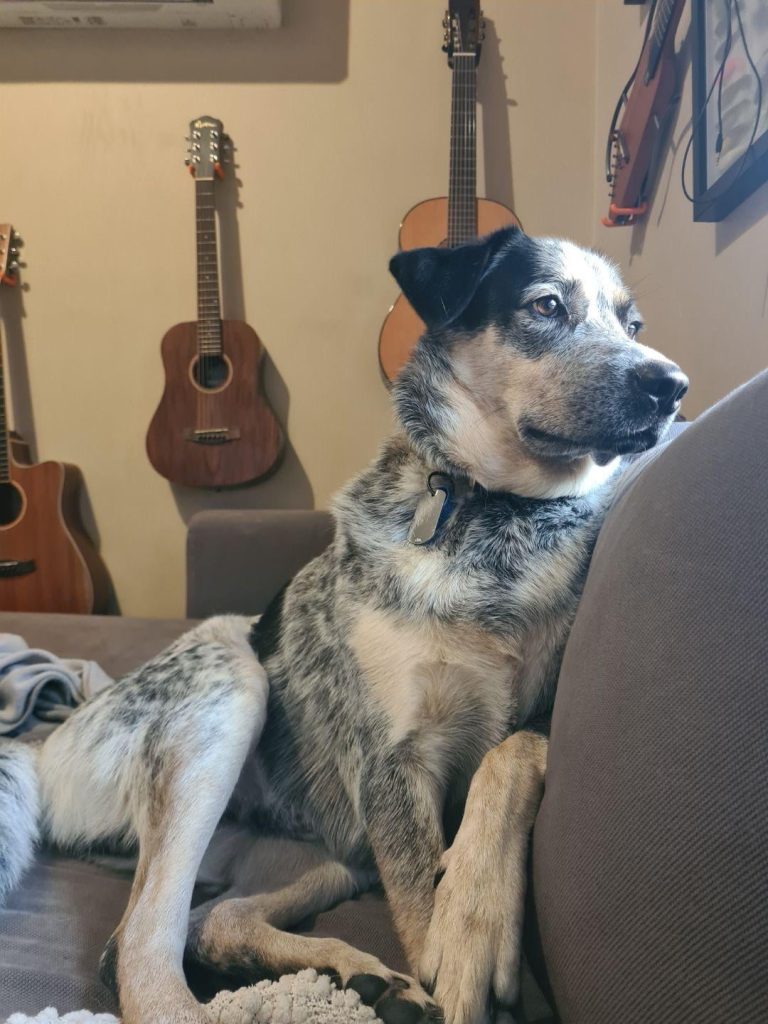
If you own an Australian Cattle Dog, you know they are smart and full of energy. But sometimes, their behavior can be confusing or even frustrating.
You might wonder why your dog acts restless, barks too much, or seems aggressive. Understanding these behavior problems is key to building a happier, calmer relationship with your pet. You’ll discover common issues Australian Cattle Dogs face and how you can fix them.
Keep reading to unlock simple solutions that will make your life—and your dog’s life—so much better.
Common Behavior Issues
Australian Cattle Dogs are smart and active. They need regular exercise and mental tasks.
Without proper care, some behavior problems may appear. Knowing these issues helps owners manage them well.
Excessive Barking
Australian Cattle Dogs can bark a lot. They use barking to alert or express excitement.
This barking can become a problem if it happens too often or without reason.
Destructive Chewing
These dogs love to chew, especially when bored or stressed. They may damage furniture or shoes.
Providing chew toys and enough activity can reduce this behavior.
Herding Instinct Challenges
Australian Cattle Dogs have a strong herding drive. They might nip at people or chase moving objects.
This behavior can be hard to control without training and outlets for energy.
Aggression And Dominance
Sometimes, these dogs show aggression to protect or show dominance. This can lead to fights or fear.
Early socialization and firm, calm training help lower aggressive actions.
Separation Anxiety
Australian Cattle Dogs may feel stressed when left alone. They can bark, dig, or destroy things.
Gradual training and leaving comfort items can ease their anxiety.
Root Causes Of Problems
Australian Cattle Dogs are smart and active animals. They need proper care to behave well. Many behavior problems come from basic causes.
Knowing these causes helps owners fix issues early. Four main reasons often lead to trouble with these dogs.
Lack Of Mental Stimulation
These dogs need mental challenges to stay happy. Without them, they get bored and restless. Boredom can cause destructive habits like chewing or digging.
- Provide puzzle toys
- Teach new commands often
- Offer interactive games
- Rotate toys to keep interest
Insufficient Exercise
Australian Cattle Dogs have lots of energy. They need daily exercise to stay calm. Lack of exercise leads to hyperactive or aggressive behavior.
| Exercise Type | Recommended Time |
| Walking | 30 to 60 minutes |
| Running | 20 to 40 minutes |
| Playing Fetch | 15 to 30 minutes |
| Agility Training | 30 minutes |
Poor Socialization
Without socialization, these dogs may fear strangers or other pets. This fear can cause barking, growling, or hiding. Early exposure helps prevent this.
Introduce your dog to new people, animals, and places gently. Keep experiences positive and calm to build confidence.
Inconsistent Training
Training must be steady and clear. Mixed signals confuse Australian Cattle Dogs. This confusion may cause stubbornness or disobedience.
Tips for consistent training:
- Use the same commands every time
- Reward good behavior immediately
- Set clear rules and follow them
- Practice training daily
Effective Training Techniques
Australian Cattle Dogs are smart and active. They need clear and consistent training to behave well.
Training helps to reduce behavior problems like biting or excessive barking. Use positive methods for best results.
Positive Reinforcement
Positive reinforcement means giving rewards when your dog does something good. This encourages them to repeat the behavior.
Use treats, praise, or playtime as rewards. Avoid punishment as it can cause fear or aggression.
- Give a treat right after good behavior
- Use a happy tone to praise your dog
- Be consistent with rewards
- Ignore bad behavior instead of punishing
Clicker Training
Clicker training uses a small device that makes a clicking sound. The click marks the exact moment the dog does something right.
After the click, give a treat. This helps your dog understand what action earned the reward.
- Start by clicking and giving a treat several times
- Use the click when your dog follows a command
- Keep training sessions short and fun
- Gradually reduce treats as your dog learns
Crate Training
Crate training teaches your dog to see their crate as a safe place. This can reduce anxiety and unwanted behaviors.
Use the crate for rest and calm time. Never use it for punishment.
- Introduce the crate with the door open
- Place treats and toys inside the crate
- Feed your dog meals in the crate
- Gradually increase crate time while you are home
Obedience Commands
Teaching basic commands helps control your dog’s behavior in different situations. It also builds your bond.
Start with simple commands like sit, stay, and come. Use short sessions and be patient.
- Use clear, calm words for commands
- Reward your dog immediately after obeying
- Practice commands in different places
- Be consistent with training every day

Credit: uk.news.yahoo.com
Exercise And Mental Workouts
Australian Cattle Dogs are active and smart. They need regular exercise and mental workouts.
Without enough activity, they can show behavior problems like chewing or barking.
Daily Physical Activity
These dogs need at least one hour of physical activity every day. Running, walking, or hiking helps them burn energy.
Exercise keeps their muscles strong and reduces stress. It also helps control unwanted behaviors.
Puzzle Toys And Games
Mental challenges keep Australian Cattle Dogs busy and happy. Puzzle toys make their brains work hard.
Games like hide and seek or treat puzzles improve their focus and problem-solving skills.
- Use treat-dispensing toys
- Hide toys for them to find
- Teach new tricks regularly
Agility Training
Agility training is great for physical and mental exercise. It includes running through obstacles like tunnels and jumps.
This training improves coordination, speed, and listening skills. It also builds a strong bond between dog and owner.
- Start with simple obstacles
- Use positive reinforcement
- Keep sessions short and fun
Herding Practice
Herding is a natural skill for Australian Cattle Dogs. Practice herding to satisfy their instincts and energy.
Even if you do not have livestock, herding drills and commands help keep their mind sharp and focused.
- Use balls or toys as pretend livestock
- Teach herding commands like “come by” and “away”
- Practice in a safe, enclosed area
Managing Anxiety And Stress
Australian Cattle Dogs can feel anxious in new or loud environments. Stress affects their behavior and health. Managing anxiety helps them stay calm and happy.
Understanding how to reduce stress in your dog will improve your bond. Use gentle methods and patience to help them feel safe.
Creating A Safe Space
Provide a quiet area where your dog can rest without disturbance. This helps reduce fear and stress during noisy times or when visitors come.
Use a comfortable bed and keep the space clean and calm. Let your dog choose when to enter the safe space.
Calming Aids And Supplements
Some natural supplements and aids can help soothe anxiety. These include calming treats, pheromone sprays, and herbal remedies.
- Calming chews with ingredients like chamomile or valerian root
- Pheromone diffusers that release comforting scents
- Pressure wraps or anxiety vests that apply gentle pressure
- Regular exercise to reduce tension
Gradual Desensitization
Expose your dog slowly to things that cause stress. Start with low levels and increase over time. This helps them get used to triggers without fear.
- Identify the cause of anxiety
- Introduce the trigger at a low intensity
- Reward calm behavior with treats or praise
- Gradually increase exposure time and intensity
- Repeat regularly until stress decreases
Professional Help Options
If anxiety is severe, consult a veterinarian or dog trainer. They can offer behavior therapy or medication if needed.
| Professional | Role | When to Contact |
| Veterinarian | Check health and suggest medication | Signs of extreme anxiety or health issues |
| Certified Dog Trainer | Teach coping skills and training | Behavior problems that don’t improve |
| Animal Behaviorist | Develop detailed behavior plans | Severe or complex anxiety problems |

Credit: www.collieball.com
Preventing Future Behavior Problems
Australian Cattle Dogs are intelligent and energetic. They need proper care to avoid behavior issues.
Focus on training and health to keep your dog happy and well-behaved. Here are key steps to consider.
Early Socialization Tips
Socializing your puppy early helps them get along with others. Introduce them to different environments and people.
- Visit parks to meet other dogs
- Introduce them to children and adults
- Expose them to different sounds and smells
Consistent Routine
A consistent routine makes your dog feel secure. Set regular times for feeding, walks, and play.
Regular Vet Checkups
Regular vet visits ensure your dog stays healthy. Health problems can lead to behavior changes.
| Checkup Type | Frequency |
| General Health | Once a year |
| Dental Check | Twice a year |
| Vaccinations | As advised by vet |
Ongoing Training Sessions
Keep training sessions regular to reinforce good behavior. Use simple commands and reward them with treats.
- Start with basic commands like sit and stay
- Gradually introduce more complex tasks
- Reward with praise and treats for good behavior
Credit: pethelpful.com
Frequently Asked Questions
What Are Common Australian Cattle Dog Behavior Problems?
Australian Cattle Dogs often show excessive barking, chewing, and digging. They may become overly aggressive or anxious without enough exercise and mental stimulation. Early training and socialization help manage these behaviors effectively.
Why Is My Australian Cattle Dog So Aggressive?
Aggression in Australian Cattle Dogs usually stems from fear, frustration, or lack of socialization. Proper training, consistent boundaries, and positive reinforcement reduce aggressive tendencies and build trust.
How Can I Stop My Australian Cattle Dog From Excessive Barking?
Excessive barking often signals boredom or anxiety. Regular exercise, interactive toys, and obedience training help minimize barking. Reward quiet behavior to reinforce calmness.
Do Australian Cattle Dogs Need Special Training?
Yes, they require consistent, firm, and positive training. These intelligent dogs thrive with mental challenges and clear commands. Early socialization prevents behavior issues.
Conclusion
Australian Cattle Dogs need clear rules and patient training. Behavior problems can arise without enough exercise or attention. Consistent care helps build trust and good habits. Watch for signs of stress or boredom early. Small changes in routine can improve behavior quickly.
These dogs thrive with mental and physical challenges. Understanding their nature makes living with them easier. Stay calm and firm during training sessions. Good behavior grows from patience and daily effort. Keep learning about your dog’s needs to help them.

Emily Barker is the founder of ChillDogLife.com, a space dedicated to helping pup parents discover the best dog products, lifestyle tips, and cozy ideas for happier homes.
A lifelong dog lover, Emily combines her passion for pets with a knack for research to share trusted recommendations on everything from toys and furniture to health and everyday care.
Her goal is simple: to make life easier, stylish, and more joyful for dogs and the people who love them.




