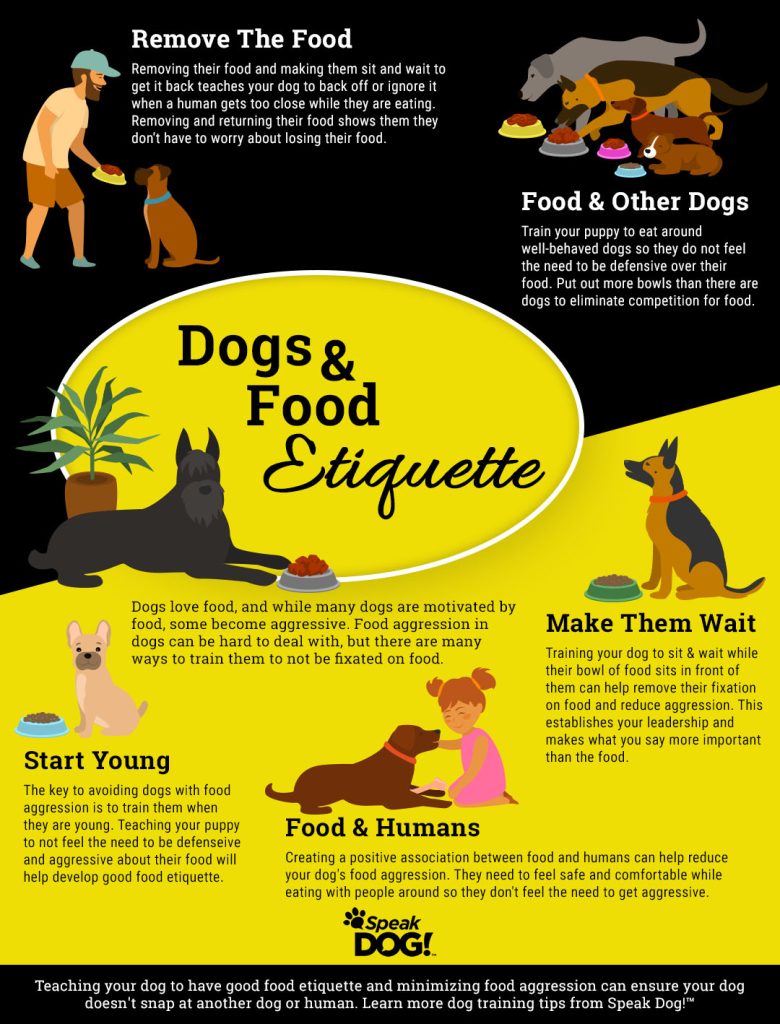
Have you ever noticed your dog growling or snapping when it’s near its food? This kind of aggressive behavior around meals can be frustrating and even scary.
You want to enjoy peaceful moments with your furry friend, but food aggression can make that hard. Understanding why your dog acts this way and what you can do about it is key to building trust and keeping everyone safe.
Keep reading to discover the simple steps you can take to calm your dog’s food aggression and create a happier mealtime for both of you.
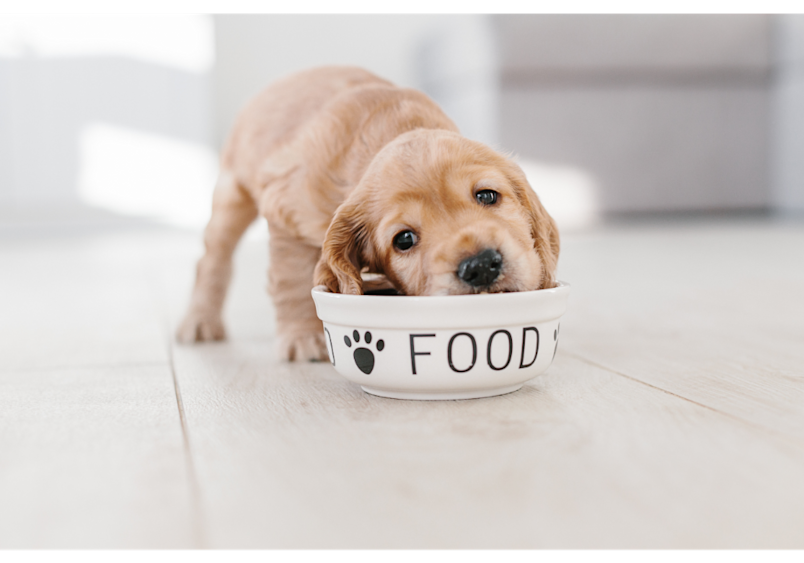
Credit: www.embracepetinsurance.com
Causes Of Food Aggression
Food aggression in dogs happens when they growl, snap, or bite while eating. This behavior can be scary for owners and guests. Understanding why dogs act this way helps manage the problem.
Several causes can lead to food aggression. These causes include genetics, early life experiences, natural instincts, and health issues.
Genetic Factors
Some dogs inherit traits that make them more prone to guarding food. Breeds used for protection or hunting often show stronger food aggression. Genes can affect how a dog reacts to threats around food.
Not all dogs with these genes show aggression. Environment and training also play a big role in behavior.
Early Experiences
How a dog is raised affects food behavior. Puppies that face stress or hunger may guard food more as adults. Positive early feeding experiences teach dogs to trust humans near their food.
Puppies from crowded shelters or those with poor socialization might develop food aggression more often than others.
Resource Guarding Instincts
Dogs naturally protect things they value, like food. This instinct helps them survive in the wild. Domesticated dogs may still guard food because of this inherited behavior.
- Food is a vital resource for dogs
- Guarding helps keep food safe from others
- This instinct can appear stronger with less food availability
Health Issues
Sometimes, health problems cause food aggression. Pain or illness can make dogs feel weak or scared. They may guard food to make sure they get enough nutrition.
Dental pain, digestive problems, or other illnesses can increase irritability around food. A vet check can help find health issues linked to aggression.

Credit: pupford.com
Signs Of Food Aggression
Food aggression in dogs happens when they guard their food. This behavior can be harmful to people and other pets. Recognizing early signs helps in managing this problem safely.
Dogs show food aggression in different ways. These include body signals, sounds, and physical actions. Understanding these signs is important for all dog owners.
Body Language Cues
Dogs use their body to warn others to stay away from their food. Watch for stiff posture or a fixed stare. These signs mean your dog feels uneasy about sharing their food.
- Stiffening of the body
- Direct eye contact or staring
- Raised hackles (fur on the neck and back)
- Turning the head away to avoid conflict
- Freezing or sudden stillness near food
Vocal Warnings
Dogs often give vocal warnings before acting aggressively. These sounds tell others to keep their distance. Listening closely can prevent an unwanted bite or fight.
| Type of Vocal Warning | What It Means |
| Growling | A clear warning to stay away |
| Snarling | A more serious threat than growling |
| Barking | Alerting others and showing discomfort |
| Snapping | A quick warning bite without contact |
Physical Aggression
Physical aggression is the most serious sign of food guarding. It happens when a dog feels very threatened. This behavior needs careful handling to keep everyone safe.
Common physical signs include:
- Snapping or biting at anyone who approaches
- Blocking access by standing over the food
- Swatting with paws to push others away
- Charging or lunging towards people or pets
Preventing Food Aggression
Food aggression in dogs can cause stress for both pets and owners. It happens when a dog feels the need to guard their food.
Preventing this behavior early helps keep mealtime calm and safe for everyone.
Proper Socialization
Socialize your dog from a young age. Introduce them to different people, pets, and environments.
This helps reduce fear and anxiety around food and other resources.
Positive Feeding Practices
Use kind and calm methods during feeding time. This builds trust and lowers food guarding instincts.
- Feed your dog in a quiet and safe place
- Offer food by hand to show you are not a threat
- Give treats to reward calm behavior near food
- Keep a regular feeding schedule to create routine
Avoiding Punishment
Do not punish your dog for food guarding. Punishment can increase fear and aggression.
| What to Avoid | Why |
|---|---|
| Yelling or hitting | Makes dog more fearful and defensive |
| Taking food away forcefully | Builds distrust and worsens guarding |
| Ignoring early signs of aggression | Allows behavior to become stronger |
Training Techniques
Training a dog with aggressive behavior needs patience and clear methods. Using the right techniques helps your dog feel safe and learn good habits.
These training techniques focus on changing your dog’s reactions and improving their behavior over time.
Desensitization
Desensitization means slowly exposing your dog to things that cause aggression. Start with low levels that don’t upset your dog. Over time, increase the exposure carefully.
This helps your dog get used to triggers and reduce aggressive reactions.
Counter-conditioning
Counter-conditioning changes how your dog feels about a trigger. You teach your dog to associate the trigger with something good, like treats or play.
- Identify what makes your dog aggressive.
- Give treats when the trigger appears but before aggression starts.
- Keep sessions short and positive.
- Repeat often to build new habits.
Controlled Feeding Exercises
Controlled feeding exercises use mealtime to teach calm behavior and reduce food aggression.
| Exercise | Purpose | How to Do It |
| Hand Feeding | Build trust | Feed small pieces from your hand calmly |
| Take and Give | Teach sharing | Take bowl gently, then give it back with praise |
| Wait for Meal | Practice patience | Ask your dog to sit before placing food down |
Managing Aggressive Behavior
Aggressive behavior in dogs can be dangerous for owners and others. It needs careful management and attention. Understanding ways to handle aggression helps keep everyone safe.
This guide covers safe handling, using barriers and tools, and when to seek professional help. Each section offers clear advice to reduce risks and improve control.
Safe Handling Strategies
Always stay calm when dealing with an aggressive dog. Avoid sudden moves that may scare or provoke the dog. Use a firm voice and steady body language.
- Wear protective gear like gloves if needed
- Keep your hands away from the dog’s mouth
- Use treats to distract and calm the dog
- Do not punish or yell at the dog
- Give the dog space to relax
Using Barriers And Tools
Barriers and tools help control aggressive dogs safely. They reduce direct contact and protect both the dog and handler.
| Barrier/Tool | Purpose | Use |
| Baby gate | Separate dog from people | Place in doorways |
| Muzzle | Prevent biting | Fit snugly but comfortably |
| Leash | Control movement | Keep short and firm |
| Crate | Safe space for dog | Use during stressful times |
Seeking Professional Help
Some aggressive behaviors need expert care. Professional trainers and vets can find causes and create plans to reduce aggression.
Signs you should get help:
- Dog bites or snaps often
- Aggression worsens over time
- Behavior causes harm or fear
- Owner feels unsafe handling the dog
- Triggers are hard to identify or avoid
Credit: www.preventivevet.com
Tips For Dog Owners
Understanding and managing dog food aggressive behavior is important. It helps in ensuring a safe and happy environment for both the dog and the owner.
Here are some simple tips to help dog owners handle food aggression effectively.
Consistent Routine
A consistent routine helps dogs feel secure. Feeding them at the same times daily can reduce anxiety.
- Feed your dog in a quiet place.
- Use the same bowl and location.
- Keep feeding times regular.
Monitoring Interactions
Watch how your dog interacts with food. This helps identify triggers and prevent aggressive behavior.
- Observe your dog’s body language.
- Be cautious with other pets nearby.
- Intervene gently if aggression appears.
Maintaining Calm Environment
A calm environment reduces stress for dogs. It helps them feel safe and less likely to show aggression.
- Keep noise levels low during feeding.
- Ensure a peaceful atmosphere around meals.
- Minimize disturbances in feeding area.
Frequently Asked Questions
What Causes Dog Food Aggressive Behavior?
Dog food aggression often stems from resource guarding instincts. Dogs feel the need to protect their food from others. Fear, anxiety, or past trauma can also trigger this behavior. Understanding these causes helps in managing and reducing aggression effectively.
How To Stop Dog Food Aggression Safely?
Use positive reinforcement and gradual desensitization techniques. Avoid punishing your dog as it may worsen aggression. Feed your dog in a quiet, safe space to reduce stress. Consistency and patience are key in changing this behavior safely.
Can Diet Affect Dog Food Aggression?
Yes, poor nutrition or hunger can increase food aggression. Balanced, regular meals reduce competition and stress around feeding time. Providing adequate food portions helps your dog feel secure and less likely to guard food aggressively.
When Should I Consult A Vet For Food Aggression?
Consult a vet if aggression is severe or sudden. A vet can check for medical issues causing irritability. Professional advice ensures proper diagnosis and treatment plans. Early intervention improves outcomes and prevents escalation.
Conclusion
Dog food aggressive behavior can cause stress for pets and owners. Understanding the reasons helps reduce this problem. Safe feeding habits and calm environments work well. Training and patience also improve your dog’s behavior. Always watch your dog’s body language closely.
Small changes make a big difference over time. Remember, kindness and consistency are key to success. Your dog will feel safer and happier. Stay calm and keep learning to help your pet. Every dog deserves a peaceful mealtime.

Emily Barker is the founder of ChillDogLife.com, a space dedicated to helping pup parents discover the best dog products, lifestyle tips, and cozy ideas for happier homes.
A lifelong dog lover, Emily combines her passion for pets with a knack for research to share trusted recommendations on everything from toys and furniture to health and everyday care.
Her goal is simple: to make life easier, stylish, and more joyful for dogs and the people who love them.




