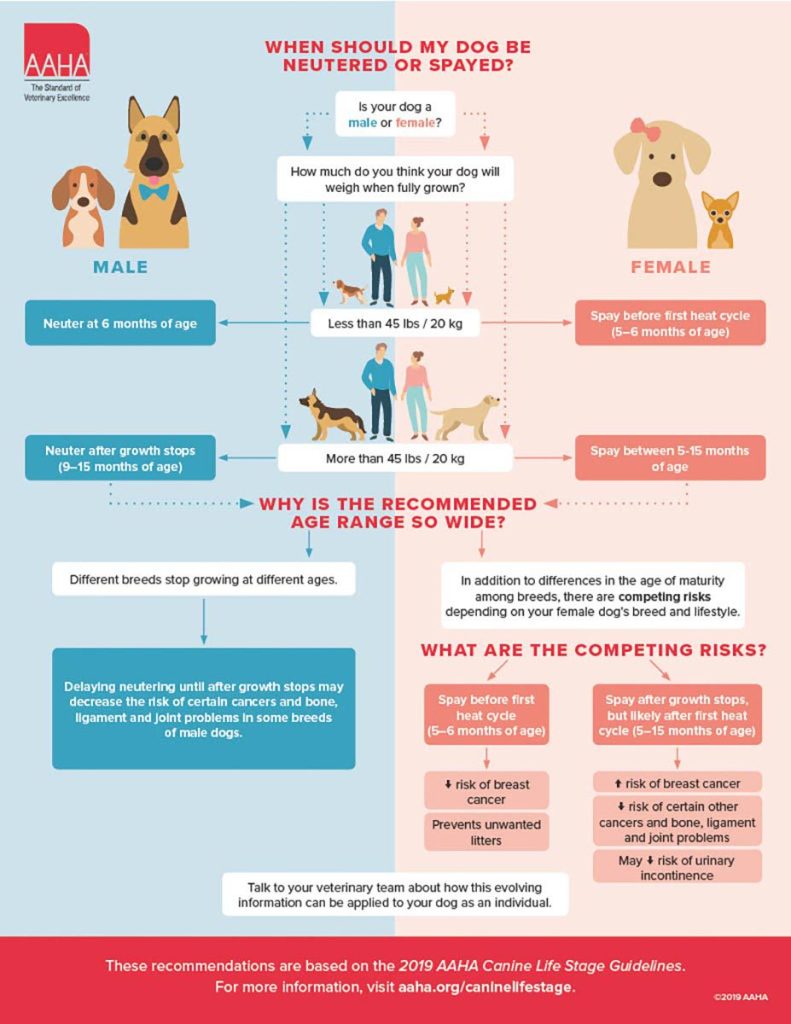
If you’ve recently neutered your dog or are thinking about it, you’re probably wondering: how long will it take for your dog’s behavior to change? You want to see those positive changes, like less aggression or calmer energy, but you might be unsure when to expect them.
Understanding the timeline can help you stay patient and know what’s normal during this transition. You’ll discover exactly how soon you can expect behavioral changes after neutering and what factors play a role. Keep reading to learn what to watch for and how to support your dog through this important process.
Immediate Effects After Neutering
Neutering a dog leads to changes in behavior soon after the surgery. Owners often wonder how quickly these changes start to show. The first day after the procedure is important to watch for any signs of change.
Understanding what to expect in the first 24 hours helps owners care for their dog better. It also sets clear expectations about the dog’s recovery and mood.
Behavioral Changes Within 24 Hours
Most dogs will feel tired and calm after neutering. This is due to anesthesia and pain medicine. Aggression and marking behaviors usually do not change immediately.
- Dogs may seem sleepy or less active.
- They may avoid playing or jumping.
- Some dogs may show mild discomfort.
- Appetite might be lower than usual.
- There is little to no change in hormone-driven behaviors right away.
Physical Recovery And Its Impact
Physical healing affects how dogs act after neutering. The body needs time to repair the surgical site. This healing phase can make dogs less active and more cautious.
| Recovery Stage | Common Physical Signs | Behavior Impact |
| First 24 Hours | Sleepiness, swelling, mild pain | Less movement, quiet behavior |
| Days 2-7 | Wound healing, slight stiffness | Reduced play, rest periods |
| After 1 Week | Wound mostly healed | Slow return to normal activity |
Changes Within One Week
After neutering, dog behavior can start to change quickly. Some changes appear within the first week.
It is important to watch your dog closely during this time to understand how neutering affects them.
Reduction In Aggression
Neutering often lowers aggressive behavior in dogs. This can happen within a few days to a week.
- Less growling and snapping at other dogs
- Reduced territorial behavior around home
- Calmer reactions to strangers
- Lower chances of fighting with other animals
Decrease In Marking Behavior
Marking with urine is a common issue in unneutered males. Neutering helps reduce this behavior quickly.
| Behavior | Before Neutering | Within One Week After |
| Marking indoors | Frequent | Less frequent |
| Marking outdoors | High | Reduced |
| Marking around other dogs | Common | Less common |
Behavioral Shifts In One Month
Neutering can change a dog's behavior in several ways. These changes often start within a month after surgery.
Understanding what to expect helps owners support their pets during recovery and adjustment.
Calmness And Energy Levels
After neutering, many dogs show a decrease in energy. They often become calmer and less restless.
This change happens because hormone levels drop, reducing some of the dog’s drive to roam or act aggressively.
- Dogs may nap more during the day.
- Play sessions might be shorter or less intense.
- Restlessness and hyperactivity tend to decrease.
Social Interactions With Other Dogs
Neutering can affect how dogs behave around other dogs. Some show less dominance or territorial behavior.
Dogs may become more tolerant and less likely to start fights. Social play often becomes more relaxed.
- Reduction in aggressive displays like growling or biting.
- More friendly and calm greetings during walks or play.
- Improved ability to share space without conflict.
Credit: www.dwdogtraining.com
Long-term Behavioral Trends
Neutering is a common procedure for dogs. It can lead to changes in behavior. These changes may take time to appear. Understanding long-term trends is important.
Each dog is different. Behavior changes can vary. Some dogs calm down. Others may stay the same. Observing over time helps owners notice trends.
Stability Of Temperament After Three Months
After three months, many dogs show stable behavior. Neutering can reduce aggression. It may also decrease roaming tendencies.
Dogs often become more relaxed. Anxiety may lessen. It is important to monitor changes. Consistency in the dog’s environment helps.
- Less aggression towards other dogs
- Decreased marking behavior
- Reduced desire to roam
Training And Behavior Reinforcement
Training is crucial after neutering. Reinforcing good behavior helps dogs adapt. Positive reinforcement encourages desired actions.
Training sessions should be regular. Consistency is key. Use rewards like treats or praise. Patience is important as dogs learn over time.
- Set clear rules and stick to them
- Use treats and praise to reward good behavior
- Keep training sessions short and fun
Factors Influencing Behavior Change
Neutering a dog can lead to changes in behavior. The time it takes varies for each dog. Several factors play a role in how quickly and how much a dog’s behavior changes.
Understanding these factors helps pet owners set the right expectations. It also helps in managing the dog’s needs after neutering.
Age At Neutering
The age when a dog is neutered affects behavior changes. Younger dogs may take longer to show changes. Older dogs might change more quickly.
- Neutering before six months may slow some behaviors.
- Dogs neutered after one year may already have set habits.
- Early neutering can reduce aggressive and roaming behaviors.
- Older dogs may show less change if habits are established.
Breed Differences
Different breeds react to neutering in unique ways. Some breeds are more sensitive to hormone changes. Others show little change in behavior after neutering.
| Breed Group | Common Behavior Traits | Response to Neutering |
| Working Dogs | High energy, protective | Moderate behavior change |
| Herding Dogs | Strong drive, alert | Variable response |
| Toy Breeds | Affectionate, less active | Minimal behavior change |
| Terriers | Bold, energetic | Often show reduced aggression |
Individual Personality
Each dog has a unique personality. Some dogs are calm and adjust quickly. Others are stubborn and resist change. Personality affects how behavior shifts after neutering.
Factors that influence personality impact behavior change:
- Socialization history
- Previous training
- Stress levels
- Environment and routine
Credit: www.dwdogtraining.com
Common Misconceptions
Many dog owners expect immediate changes in their pet’s behavior after neutering. This is not always true. Understanding what neutering can and cannot do helps set realistic expectations.
There are also concerns about weight gain after neutering. Some think neutering causes weight gain directly. It is important to know the facts to care for your dog properly.
Instant Behavior Transformation
Neutering does not cause an instant change in your dog’s behavior. Some behaviors may improve, but it takes weeks or months to see results. Old habits often take time to fade.
Neutering helps reduce hormone-driven behaviors like marking or aggression. Still, training and patience are needed to support good behavior after surgery.
Neutering And Weight Gain
Neutering itself does not cause weight gain directly. After neutering, dogs may become less active, which can lead to extra weight if food intake stays the same.
Owners should watch their dog’s diet and exercise after neutering. Adjusting food and keeping up playtime helps maintain a healthy weight.
- Neutering lowers activity levels for some dogs
- Unchanged food amounts may cause weight gain
- Regular exercise helps prevent extra weight
- Balanced diet supports overall health
Tips To Support Positive Behavior
Neutering can change a dog’s behavior, but it takes time. Patience and care are important for positive changes. Here are some tips to help your dog adjust after neutering.
Post-surgery Care
After surgery, your dog needs comfort and rest. Make sure to provide a quiet space for recovery. This helps your dog feel safe and heal faster.
Monitor the surgical site for any signs of infection. Keep your dog calm to prevent injury. Follow the vet’s instructions carefully.
- Check for redness or swelling
- Limit jumping and running
- Provide clean bedding
Consistent Training
Training helps your dog learn good behavior. Use positive reinforcement to encourage desired actions. Be patient and consistent with commands.
Short sessions work best for dogs. Repeat training daily to make it a habit. Reward good behavior to motivate your dog.
- Use treats or praise as rewards
- Keep commands simple
- Practice in different environments
Regular Exercise
Exercise is important for a dog’s health and behavior. It helps reduce energy and prevents boredom. Take your dog for regular walks or play sessions.
Choose activities that suit your dog’s size and breed. Daily exercise helps manage weight and improves mood.
- Walks in the park
- Fetch with a ball
- Interactive toys

Credit: askavet.com
Frequently Asked Questions
How Soon After Neutering Do Dogs Show Behavior Changes?
Dogs typically show behavior changes within 2 to 4 weeks after neutering. Some changes may take up to 3 months as hormones adjust gradually.
Which Behaviors Improve First After Neutering A Dog?
Aggression, marking, and roaming behaviors often improve first. These changes are linked to reduced testosterone levels post-surgery.
Can Neutering Stop All Unwanted Dog Behaviors?
Neutering reduces hormone-driven behaviors but may not stop all unwanted actions. Training and environment also influence behavior changes.
Does Neutering Affect A Dog’s Activity Level?
Yes, neutering can lower activity levels slightly. Dogs may become calmer and less restless after surgery.
Conclusion
Neutering can change your dog’s behavior, but it takes time. Most dogs show changes within a few weeks to months. Patience is important as every dog reacts differently. Keep watching your dog closely and provide good care. Behavior improves with love, training, and time after surgery.
Stay consistent and gentle during this adjustment period. Your dog will feel better and calmer soon. Remember, changes don’t happen overnight but will come. Stay positive and support your furry friend along the way.

Emily Barker is the founder of ChillDogLife.com, a space dedicated to helping pup parents discover the best dog products, lifestyle tips, and cozy ideas for happier homes.
A lifelong dog lover, Emily combines her passion for pets with a knack for research to share trusted recommendations on everything from toys and furniture to health and everyday care.
Her goal is simple: to make life easier, stylish, and more joyful for dogs and the people who love them.




