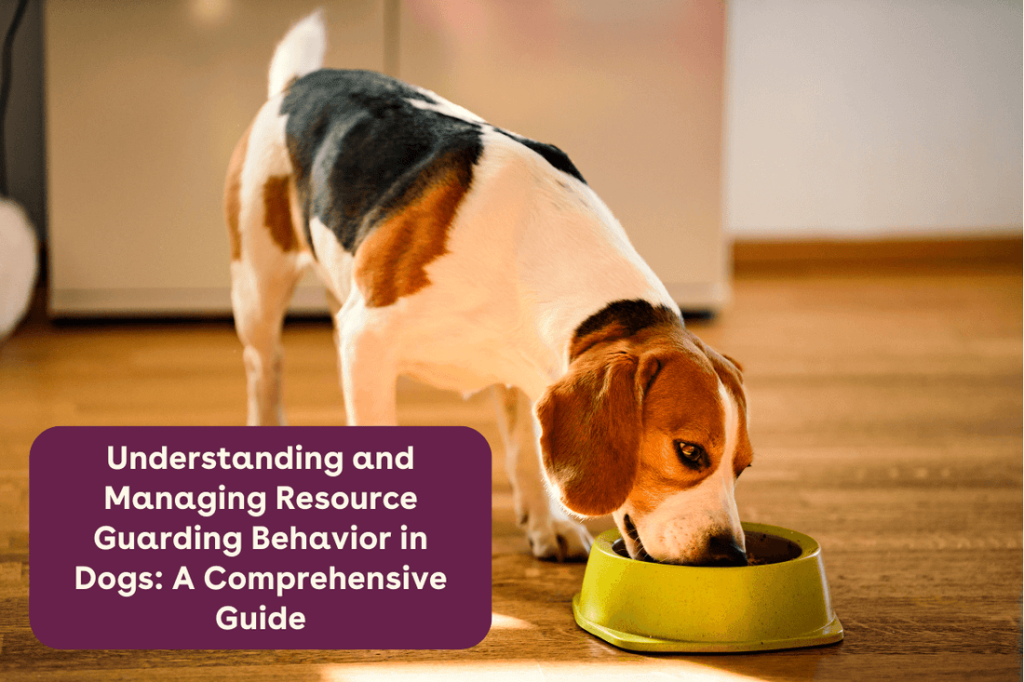
Have you ever noticed your dog acting protective over their toys, food, or even you? This behavior, known as guarding, can be confusing and sometimes worrying.
Understanding why your dog guards certain things is key to keeping your home safe and your relationship strong. You’ll discover the reasons behind guarding behavior and learn simple ways to manage it. Keep reading—your dog’s happiness and your peace of mind depend on it.
Causes Of Guarding Behavior
Guarding behavior in dogs means they protect their food, toys, or space. This behavior can be natural or learned. Understanding the causes helps owners manage it better.
Several factors cause guarding behavior. These include genetic traits, the dog’s environment, and past experiences. Each factor plays a role in how the dog acts.
Genetic Factors
Some dogs inherit guarding traits from their parents. Breeds like German Shepherds or Rottweilers often have strong guarding instincts. These traits help them protect their family and territory.
- Guarding behavior can run in families.
- Some breeds are more likely to guard.
- Genetics influence how strong the guarding is.
Environmental Influences
The environment where a dog grows up affects its guarding behavior. Dogs in stressful or crowded places may guard more. Lack of socialization can make guarding worse.
| Environmental Factor | Effect on Guarding |
| Stressful Surroundings | Increases guarding behavior |
| Poor Socialization | Leads to fear and guarding |
| Safe, calm home | Reduces guarding instinct |
| Competition for resources | Raises guarding actions |
Past Experiences
Past events shape how a dog guards. Dogs that faced threats or had to protect food before guard more. Negative experiences teach dogs to be cautious and defensive.
Common past experiences linked to guarding:
- Being taken away from food or toys
- Living in shelters with many dogs
- Being punished for resource use
- Experiencing threats or attacks
Signs Of Protective Instincts
Dogs show guarding behavior to protect their family or space. This behavior comes from their natural instincts.
Recognizing signs helps you understand when a dog feels the need to guard.
Body Language Cues
Dogs use their body to show they are on alert. Watch for stiff posture and raised fur.
Other signs include direct staring and standing tall to look bigger.
- Stiff body and raised hackles
- Fixed, intense eye contact
- Tail held high or straight
- Lips curled to show teeth
- Standing tall and rigid
Vocalizations
Dogs use sounds to warn others. Growling is common when a dog feels protective.
Barking can be sharp and loud to scare away threats. Sometimes, dogs may snarl or grunt.
- Low growls that sound threatening
- Loud, sharp barking
- Snarling with teeth showing
- Deep grunts or moans
Territorial Actions
Guarding dogs protect their space by marking or blocking access. They watch closely for strangers.
They may stand at doors or gates and refuse to move until the threat leaves.
- Marking territory with scent
- Positioning near entry points
- Blocking paths or doorways
- Following strangers closely
Types Of Guarding Behavior
Dogs show guarding behavior to protect things they value. This behavior helps them feel safe and secure.
There are different types of guarding. Each type focuses on what the dog wants to protect.
Resource Guarding
Resource guarding happens when a dog protects food, toys, or other items. The dog may growl or snap to keep others away.
This behavior is common in dogs that feel their resources are limited or threatened.
- Protecting food bowls or treats
- Guarding favorite toys
- Defending resting spots or beds
Territorial Guarding
Territorial guarding is when a dog defends its home or yard. The dog may bark or stand firm at boundaries.
This type helps dogs warn strangers to stay away from their space.
- Barking at people near the house
- Patrolling the yard or fence line
- Showing alertness to unusual sounds or movements
Protective Guarding
Protective guarding is when a dog shields family members from harm. The dog may stay close and watch for danger.
This behavior shows strong loyalty and care for loved ones.
- Staying near children or owners
- Warning or confronting strangers
- Showing alertness in new situations
Risks Linked To Guarding
Guarding behavior in dogs can cause serious problems for owners and others around them. It is important to understand the risks linked to this behavior.
This guide will cover aggression concerns, socialization challenges, and safety issues related to guarding in dogs.
Aggression Concerns
Dogs that guard often show aggression to protect their items, space, or people. This aggression can become dangerous.
- Growling or snapping at people nearby
- Showing teeth or lunging when approached
- Defending toys, food, or resting places fiercely
- Attacking other pets in the home
Socialization Challenges
Guarding makes it hard for dogs to socialize with other dogs and people. This can lead to more fear and aggression.
| Social Issue | Effect on Dog | Result |
|---|---|---|
| Limited Interaction | Dog avoids contact with others | Isolation and fear |
| Resource Guarding | Dog protects objects aggressively | Fewer play opportunities |
| Fear of Strangers | Dog reacts defensively | Difficulty in new places |
Safety Issues
Guarding behavior can cause safety risks for family members, visitors, and other pets in the home.
- Risk of bites or scratches
- Stress and anxiety in the household
- Limits on who can safely approach the dog
- Possible legal problems if attacks occur
Training Techniques
Guarding behavior in dogs can be challenging. Training helps them behave calmly and safely.
Using clear methods makes training easier and improves your dog’s response.
Positive Reinforcement
Positive reinforcement means giving rewards when a dog behaves well. It encourages good actions.
Use treats, praise, or toys to reward your dog for calm behavior around guarded items.
- Give a treat when your dog stays calm
- Use a happy voice to praise good behavior
- Repeat often to build positive habits
Desensitization Methods
Desensitization helps dogs get used to triggers slowly. It reduces fear or aggression.
Start by showing the object or person from a distance. Gradually move closer over time.
- Keep sessions short and calm
- Reward calm behavior during exposure
- Stop if the dog shows stress signs
Teaching Commands
Teaching commands helps control guarding behavior. Common commands are “leave it” and “drop it.”
Practice commands often in different places. This helps dogs obey even with distractions.
- Use clear, short words for commands
- Reward your dog when it follows commands
- Be patient and consistent during training

Credit: www.preventivevet.com
Preventing Excessive Guarding
Guarding behavior in dogs can become a problem if it is excessive. It is important to manage this behavior to ensure a happy and safe environment for everyone.
There are effective ways to prevent excessive guarding. These methods involve training and understanding your dog’s needs.
Early Socialization
Socializing your dog from a young age helps reduce guarding behavior. Expose your puppy to different people and environments.
This helps them become comfortable and less protective in new situations. Socialization should be a fun and positive experience for your dog.
- Introduce new people regularly
- Visit various places safely
- Encourage interaction with other dogs
Consistent Boundaries
Dogs need clear boundaries to understand what is expected of them. Set rules and be consistent with them.
When a dog knows its limits, it feels more secure and less likely to guard excessively. Consistency is key in training.
- Use firm commands
- Reward good behavior
- Correct undesired actions immediately
Regular Exercise
Exercise is crucial for a dog’s physical and mental health. It helps release energy and reduces stress.
A tired dog is less likely to exhibit guarding behavior. Make sure your dog gets enough exercise every day.
- Daily walks are important
- Play interactive games
- Include training activities during playtime
When To Seek Professional Help
Guarding behavior in dogs can be normal but sometimes it signals a deeper problem. Knowing when to get help is key to keeping everyone safe.
Professional trainers or behaviorists can guide you to manage or reduce guarding. Early action helps prevent serious issues.
Behavioral Signs To Watch
Watch your dog closely for signs that guarding is becoming a problem. Look for behavior that seems aggressive or out of control.
- Growling or snapping when someone approaches their food or toys
- Stiff body posture or raised hackles near valued items
- Refusing to obey commands when guarding
- Sudden biting attempts without warning
- Guarding that causes fear or stress in family members or visitors
Choosing A Trainer Or Behaviorist
Pick a professional who understands guarding behavior and uses positive methods. Avoid harsh punishment or dominance-based training.
| Qualities to Look For | Why It Matters |
| Certification in dog behavior | Shows knowledge and skills |
| Experience with guarding dogs | Better understanding of risks |
| Positive reinforcement approach | Safer and more effective training |
| Good communication skills | Clear guidance for you and your dog |
Therapy Options
Several therapy methods can help reduce guarding behavior. A professional will choose the best plan for your dog.
- Behavior modification through reward-based training
- Desensitization to triggers that cause guarding
- Counter-conditioning to change negative reactions
- Management strategies to prevent guarding episodes
- Medication in some cases to reduce anxiety
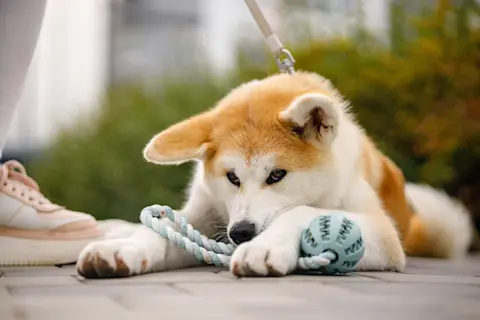
Credit: www.discovermagazine.com
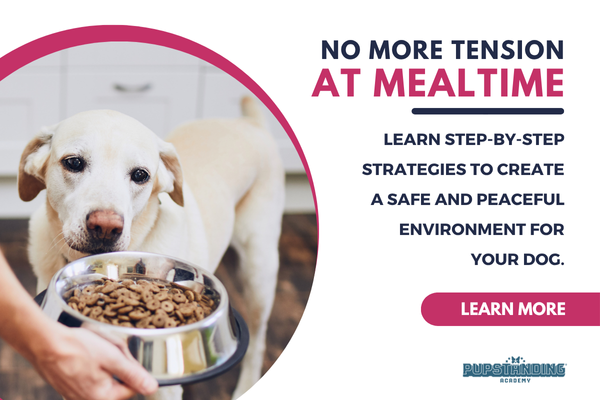
Credit: www.preventivevet.com
Frequently Asked Questions
What Is Guarding Behavior In Dogs?
Guarding behavior is when dogs protect people, property, or food. It’s a natural instinct to keep threats away. This behavior varies by breed and individual temperament.
Why Do Dogs Show Guarding Behavior?
Dogs guard to feel safe and protect their resources. It helps them avoid danger or unwanted intrusions. Training and environment influence the intensity of this behavior.
How Can I Manage My Dog’s Guarding Behavior?
Consistent training and socialization reduce guarding tendencies. Use positive reinforcement to reward calm behavior. Avoid punishing your dog, as it may increase aggression.
Is Guarding Behavior Normal Or A Problem?
Guarding is normal but can become problematic if aggressive. Early training helps prevent issues. Consult a professional if your dog shows extreme guarding or aggression.
Conclusion
Guarding behavior in dogs shows their natural instincts. It helps keep their family and home safe. Training and socializing your dog can reduce unwanted guarding. Watch for signs and respond calmly to avoid problems. Understanding your dog builds trust and respect between you.
Each dog is different, so patience works best. Caring for your dog means knowing their needs well. Stay aware, stay calm, and enjoy a happy dog.

Emily Barker is the founder of ChillDogLife.com, a space dedicated to helping pup parents discover the best dog products, lifestyle tips, and cozy ideas for happier homes.
A lifelong dog lover, Emily combines her passion for pets with a knack for research to share trusted recommendations on everything from toys and furniture to health and everyday care.
Her goal is simple: to make life easier, stylish, and more joyful for dogs and the people who love them.




