
Have you noticed your dog acting differently all of a sudden? Maybe they seem more restless, withdrawn, or even aggressive.
When your furry friend’s behavior changes overnight, it can feel confusing and worrying. You want to understand what’s going on and how to help. You’ll discover the common reasons behind sudden shifts in dog behavior and what steps you can take right now to keep your pet happy and healthy.
Keep reading—your dog’s well-being depends on it.
Common Reasons For Sudden Behavior Changes
Dogs may change their behavior quickly. These changes can worry their owners. It is important to understand what causes these changes.
Sudden behavior shifts in dogs often signal that something is wrong. Knowing common reasons can help you respond better.
Health Issues
Health problems cause many sudden behavior changes in dogs. Pain, illness, or discomfort can make a dog act differently.
- Infections or fever
- Dental pain or mouth problems
- Arthritis or joint pain
- Neurological disorders
- Digestive issues
Environmental Changes
Changes in a dog’s environment can cause sudden behavior shifts. Dogs feel unsafe or confused when their surroundings change.
Common environmental changes include:
- Moving to a new home
- New family members or pets
- Construction noise nearby
- Different daily routine
- Change in the owner’s schedule
Stress And Anxiety
Stress and anxiety cause dogs to behave oddly. Loud noises or separation from owners can trigger fear or worry.
- Thunderstorms or fireworks
- Being left alone for long times
- New places or strange people
- Past bad experiences
Aging And Cognitive Decline
Older dogs can show sudden behavior changes. Their brain function may slow down, causing confusion or memory loss.
| Age | Possible Behavior Changes |
| 7-10 years | Increased restlessness, less play |
| 10-13 years | Confusion, disorientation, anxiety |
| 13+ years | Changes in sleep, loss of house training |
Trauma Or Injury
Trauma or injury can quickly change how a dog acts. Even small injuries may cause pain and fear.
- Accidents or falls
- Fights with other animals
- Abuse or neglect
- Sudden loud noises or shocks
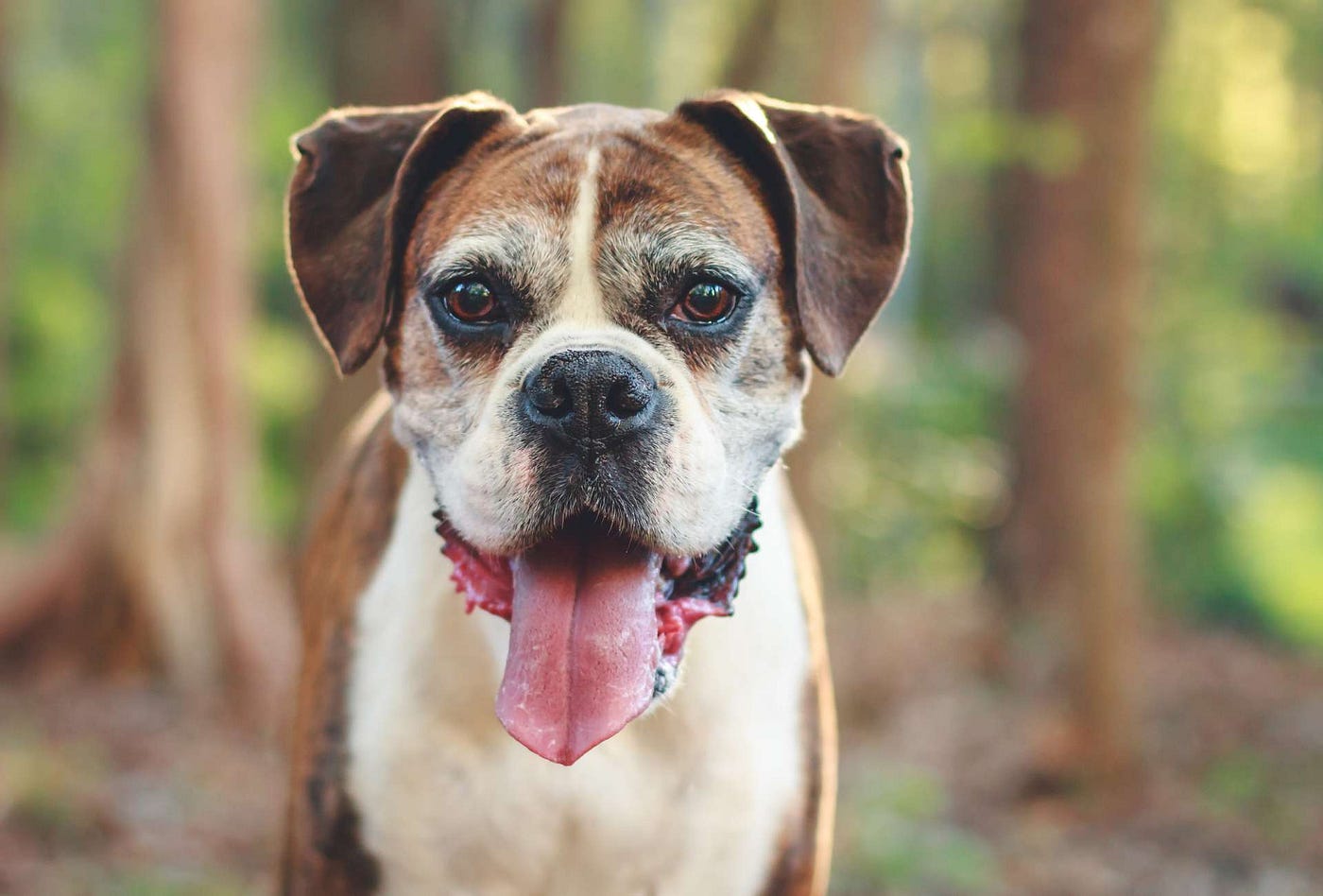
Credit: medium.com
Identifying Symptoms To Watch For
Dogs can change their behavior suddenly for many reasons. It is important to notice signs early. This helps keep your dog safe and healthy.
Watch for changes in how your dog acts. Some signs show they may be upset or in pain. Learn what to look for below.
Aggression
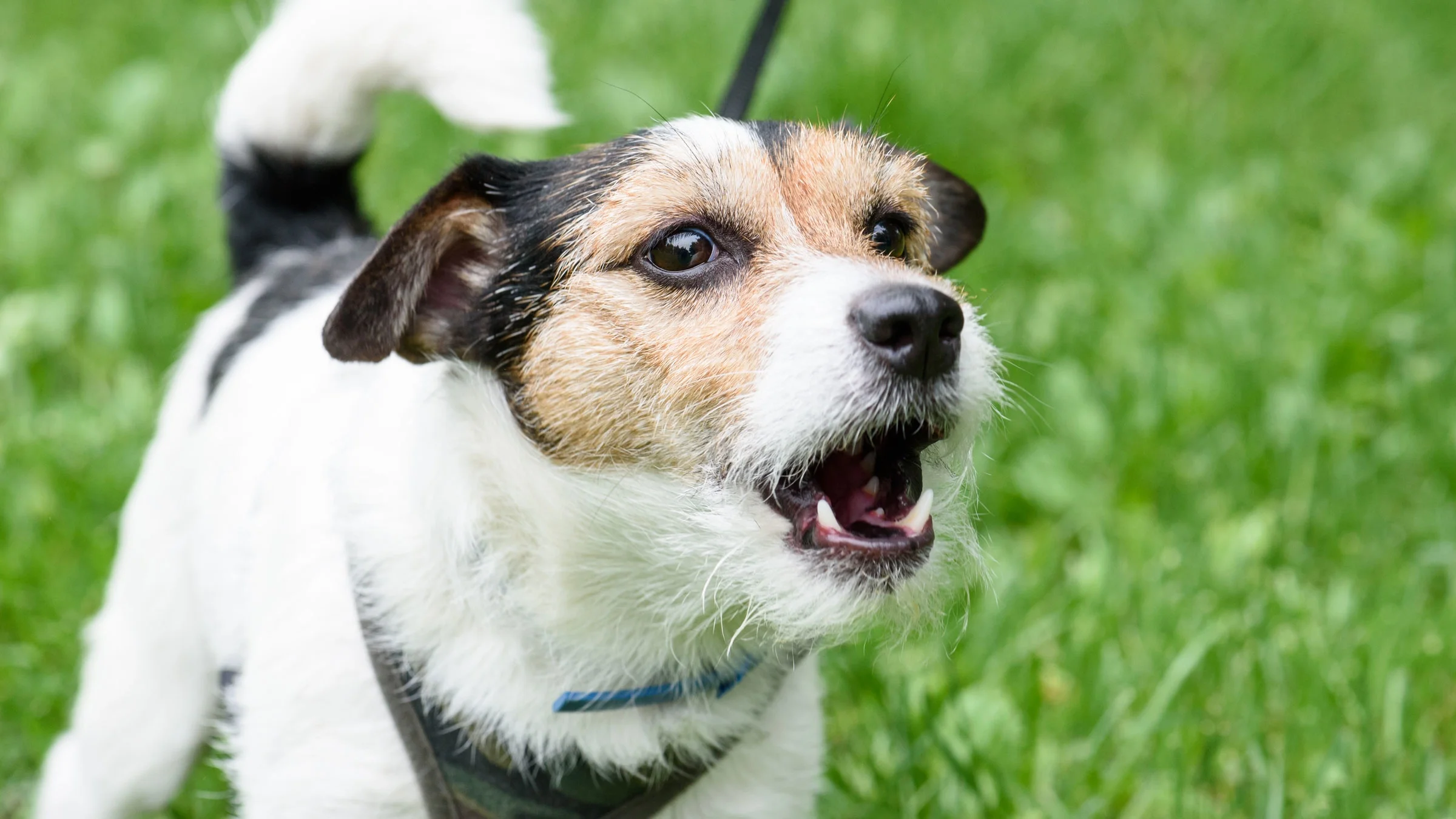
A sudden increase in aggression can mean your dog is scared or hurt. They may growl, snap, or bite without warning.
Notice if your dog acts aggressive toward people or other animals. This is not normal behavior and needs attention.
Withdrawal And Hiding
If your dog suddenly hides or avoids people, it can signal fear or illness. They may stay in one spot and not want to play.
Watch for signs like refusing to come when called or hiding under furniture. These behaviors show your dog is not feeling well.
Changes In Appetite
A drop or increase in appetite can mean health problems or stress. Your dog may eat less or more than usual.
Keep track of how much your dog eats daily. Sudden changes in eating habits need a vet check.
Excessive Barking Or Whining
Dogs may bark or whine more when they feel anxious or are in pain. This noise can be a signal that something is wrong.
Listen for new or louder sounds. These changes can help you understand your dog’s needs better.
Destructive Behavior
Chewing furniture or tearing things apart can show your dog is stressed or bored. Sudden destructive acts are not normal.
Check if your dog is more restless or active than usual. This behavior may need more exercise or mental stimulation.
Quick Steps To Calm Your Dog
Has your dog's behavior changed suddenly? This can worry many dog owners. There are simple ways to help calm your furry friend.
Understanding and addressing changes can improve your dog’s comfort and happiness. Let’s explore some effective strategies.
Create A Safe Space
Your dog needs a quiet place to relax. This helps when they feel stressed. A safe space can be a calm corner or a cozy bed.
Keep this area free from loud noises and disturbances. This will make your dog feel secure and safe.
Maintain A Routine
Dogs thrive on routine. Feeding, walking, and playtimes should happen at the same times each day. This predictability calms them.
A consistent routine helps your dog feel more secure and reduces anxiety. Stick to it even on weekends.
Use Calming Products
Calming products like diffusers and sprays can soothe your dog. These products often contain natural ingredients like lavender.
Consult with your vet before trying new products. They can recommend safe and effective options for your dog.
Increase Physical Activity
Exercise helps reduce stress in dogs. Take your dog for regular walks or play fetch in the yard. Physical activity keeps them healthy and happy.
Ensure your dog gets enough exercise daily. This helps burn off excess energy and calms their mind.
Provide Mental Stimulation
Mental challenges are as important as physical activity. Puzzle toys and training sessions engage your dog’s mind.
Rotate toys to keep your dog interested. This prevents boredom and reduces stress levels.
- Introduce new tricks
- Use interactive toys
- Play hide and seek
Credit: www.goodrx.com
When To Consult A Veterinarian
Sudden changes in your dog’s behavior can signal health issues. Knowing when to see a vet helps your dog get the care it needs fast.
This guide covers key signs and steps to take if your dog acts differently.
Signs Of Medical Problems
Changes in behavior might come from pain or illness. Watch for these signs:
- Loss of appetite or weight
- Excessive licking or scratching
- Sudden aggression or fear
- Unusual tiredness or hiding
- Changes in bathroom habits
Behavioral Assessments
A vet or animal behaviorist can evaluate your dog’s actions. They look for patterns and triggers to find the cause.
| Assessment Type | Purpose |
| Physical Exam | Check for pain or illness |
| Behavior History | Identify when changes began |
| Environmental Review | Find stress or hazards at home |
| Observation | Watch how dog reacts in different situations |
Medication Options
Some behavior problems respond well to medication. Your vet can suggest treatments based on the diagnosis.
- Anti-anxiety drugs
- Anti-depressants
- Pain relievers
- Anti-inflammatory medicine
Referral To Specialists
If your dog’s condition is complex, the vet may refer you to a specialist. This helps get expert care.
Specialists include:
- Veterinary neurologists
- Animal behaviorists
- Veterinary dermatologists
- Veterinary surgeons
Long-term Behavior Management
Dogs can change their behavior suddenly for many reasons. Managing these changes takes time and patience.
Long-term behavior management helps your dog feel safe and behave well every day.
Consistent Training Techniques
Use the same commands and rules every day. Consistency helps your dog understand what you want.
Train in short sessions often. Repeat exercises to build strong habits.
- Use clear, simple commands
- Practice at the same time daily
- Keep training sessions short and fun
Positive Reinforcement
Reward good behavior with treats, praise, or play. This encourages your dog to repeat it.
Avoid punishment. It can cause fear and make behavior worse.
- Give treats immediately after good actions
- Use happy words and petting as praise
- Ignore small mistakes and focus on success
Socialization Strategies
Expose your dog to new people, dogs, and places safely. Socialization reduces fear and aggression.
Start slowly and watch your dog’s reactions. Stop if your dog seems stressed.
- Visit dog parks or pet-friendly places
- Invite friends to meet your dog
- Use calm praise to encourage friendly behavior
Monitoring And Adjusting Care
Keep track of your dog’s behavior changes. Notice what makes behavior better or worse.
Adjust training and care based on your observations. Consult a vet if changes are sudden or severe.
- Write a behavior journal
- Change routines if needed
- Seek professional help when unsure
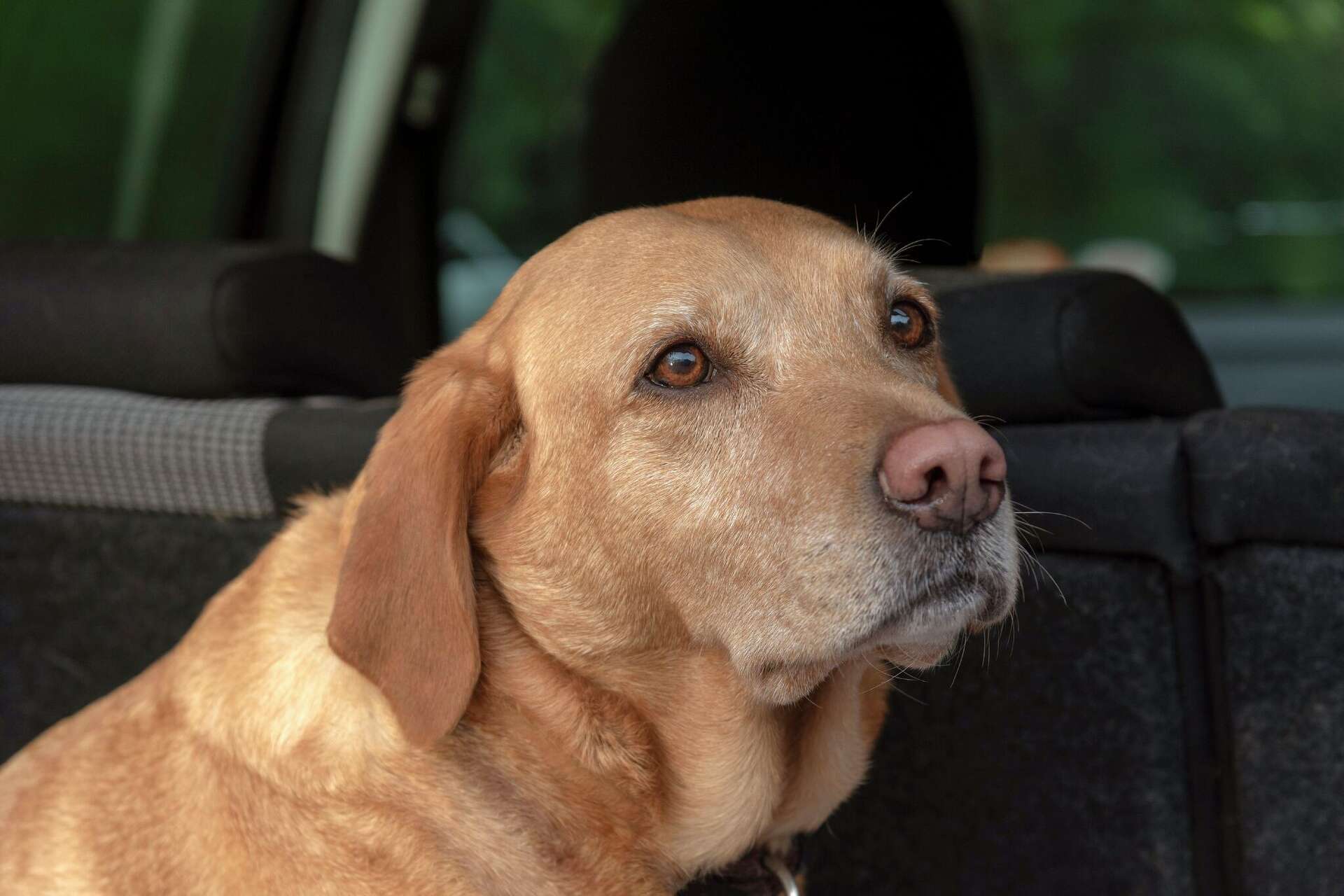
Credit: www.expressnews.com
Frequently Asked Questions
Why Has My Dog’s Behavior Changed Suddenly?
Sudden behavior changes in dogs can signal health issues, stress, or environmental changes. Always observe closely and consult a vet if needed.
Could Illness Cause Sudden Dog Behavior Changes?
Yes, illnesses like pain, infections, or neurological problems often cause abrupt behavior shifts. Early vet visits help diagnose and treat effectively.
How Does Stress Affect Dog Behavior Suddenly?
Stress triggers anxiety or fear, leading to sudden behavior changes. Identifying stressors and providing comfort can help your dog adjust.
Can Aging Cause Sudden Behavior Changes In Dogs?
Aging can affect cognition and senses, causing sudden behavior shifts. Regular vet check-ups help manage age-related changes effectively.
Conclusion
A sudden change in your dog’s behavior needs attention. It might signal illness, stress, or fear. Watch closely and note any new habits or actions. Consulting a vet can help find the cause fast. Early action protects your dog’s health and happiness.
Understanding your pet keeps your bond strong. Stay patient and supportive during this time. Your dog relies on your care and love. Don’t ignore changes—act to keep your dog safe.

Emily Barker is the founder of ChillDogLife.com, a space dedicated to helping pup parents discover the best dog products, lifestyle tips, and cozy ideas for happier homes.
A lifelong dog lover, Emily combines her passion for pets with a knack for research to share trusted recommendations on everything from toys and furniture to health and everyday care.
Her goal is simple: to make life easier, stylish, and more joyful for dogs and the people who love them.




