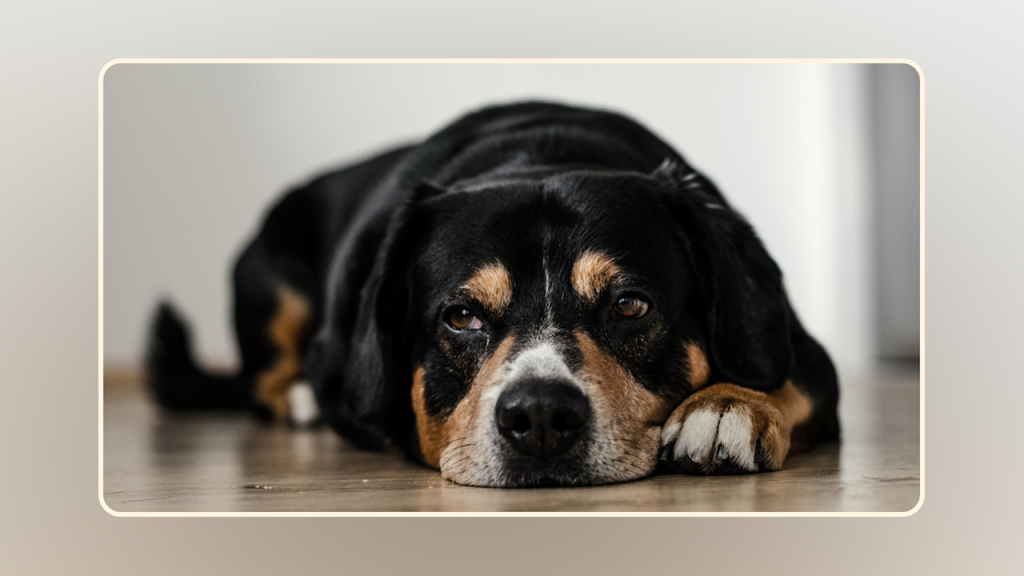
Have you ever noticed your dog suddenly licking its lips, scratching itself, or yawning in situations that seem tense or confusing? These little actions might seem random, but they’re actually your dog’s way of coping with stress or uncertainty.
This is called displacement behavior, and understanding it can change the way you connect with your furry friend. If you want to truly know what your dog is trying to tell you and improve your bond, keep reading—because recognizing these subtle signals could make all the difference.

Credit: www.scentworku.com
What Is Displacement Behavior
Displacement behavior in dogs is a way they act when they feel confused or stressed. It is a type of behavior that seems out of place or strange at the moment.
Dogs use displacement behaviors to calm themselves or avoid conflict. These actions help them deal with situations they do not understand or find difficult.
Signs Of Displacement Behavior
Displacement behavior shows as small, odd actions that do not fit the current situation. Dogs might do these when unsure or nervous.
- Yawning without being tired
- Scratching or licking their fur
- Sniffing the ground suddenly
- Turning their head away
- Shaking their body for no clear reason
Why Dogs Show Displacement Behavior
Dogs use displacement behavior to reduce stress or confusion. It helps them feel more comfortable in hard moments.
These behaviors can stop dogs from feeling more anxious or aggressive. It is a natural way for them to stay calm.
How To Recognize Displacement Behavior
Watch your dog’s body language closely to spot displacement behaviors. Look for small actions that seem out of place.
Notice when your dog shows these signs, especially during new or tense situations. This helps you understand their feelings better.
- Unusual movements like scratching or yawning
- Avoiding eye contact or turning away
- Sudden changes in behavior or focus
Importance Of Understanding Displacement Behavior
Knowing about displacement behavior helps you support your dog’s emotional needs. You can help them feel safe and calm.
It also helps prevent misunderstandings about your dog’s actions. You can avoid reacting to stress signs as bad behavior.
Common Displacement Signals In Dogs
Dogs use displacement behaviors to handle stress or confusion. These signals help them calm down or avoid conflict.
Recognizing these signals helps us understand what dogs feel. It also improves how we interact with them.
Yawning And Lip Licking
Yawning in dogs is not always about being tired. It often shows that a dog feels uneasy or stressed.
Lip licking is another common signal. Dogs lick their lips when they want to calm themselves or others.
- Yawning can mean the dog feels anxious or unsure.
- Lip licking may signal nervousness or a peaceful intent.
Scratching And Sniffing
Dogs often scratch themselves to ease stress. This action can distract from a tense situation.
Sniffing the ground or air helps dogs focus on something else. It can reduce their anxiety or confusion.
- Scratching is a way to calm down without leaving.
- Sniffing redirects the dog’s attention from stress.
Turning Away And Freezing
Turning the head or body away shows a dog wants to avoid trouble. It is a peaceful signal to others.
Freezing means the dog stops moving to stay safe. This can happen when the dog feels unsure or scared.
- Turning away shows the dog is not a threat.
- Freezing helps the dog avoid danger or conflict.
Causes Of Displacement Behavior
Dogs show displacement behavior when they are stressed or anxious. These behaviors are often a way for dogs to cope with uncomfortable situations.
Understanding the causes helps pet owners manage their dogs better. Let’s explore some common triggers.
Stress And Anxiety Triggers
Stress and anxiety can cause dogs to behave oddly. Common triggers include loud noises, changes in routine, and unfamiliar environments.
- Loud noises like fireworks or thunderstorms
- Visits to the vet
- New family members or pets
Social Conflicts
Social conflicts can also lead to displacement behavior. Dogs may not know how to act around others, causing stress.
Examples of social conflicts:
- Meetings with unfamiliar dogs
- Competition for attention or resources
Environmental Factors
Environmental factors play a big role in a dog’s behavior. Changes in the environment can make a dog feel uneasy.
| Factor | Impact |
| Temperature changes | Cause discomfort |
| New surroundings | Create anxiety |
| Lack of exercise space | Leads to restlessness |
How Displacement Behavior Differs From Other Signs
Dogs show many behaviors to express feelings. Displacement behavior is one type. It helps dogs deal with stress or confusion.
It looks different from other signs like aggression or play. Knowing the difference helps you understand your dog better.
Distinguishing From Aggression
Displacement behavior is not about attacking or defending. It happens when a dog feels unsure or stressed. Aggression shows clear signs like growling or biting.
- Displacement behavior includes actions like yawning, licking lips, or scratching.
- Aggression shows stiff body posture and direct eye contact.
- Displacement is a calming tool for the dog, not a threat.
- Aggression aims to warn or harm another animal or person.
Confusion With Playful Actions
Sometimes displacement behavior looks like play. Dogs may jump or nip softly. Playful dogs seem happy and relaxed.
| Behavior | Displacement | Play |
|---|---|---|
| Body language | Tense or awkward | Loose and wiggly |
| Facial expression | Uncertain, avoiding eyes | Bright, alert eyes |
| Purpose | Reduce stress | Have fun and interact |
| Vocalization | Quiet or soft | Playful barks or growls |
Reading Displacement Behavior In Daily Life
Dogs often show displacement behavior when they feel stressed or confused. Understanding these behaviors helps in managing and training them better.
Displacement behaviors are actions that seem out of context. They can be licking, yawning, or scratching when a dog is unsure what to do next.
During Training Sessions
Training sessions can sometimes be overwhelming for dogs. It is important to notice signs of stress or confusion.
- Yawning during a new command
- Scratching when asked to stay
- Sniffing the ground for no reason
In Social Interactions
When dogs meet other dogs or people, they may show displacement behaviors. This happens when they feel unsure or nervous.
At The Vet Or Groomer
Visits to the vet or groomer can be stressful for dogs. They might show signs of displacement behavior in these situations.
| Behavior | Possible Meaning |
| Panting | Stress or discomfort |
| Licking lips | Nervousness |
| Shaking off | Trying to relieve tension |
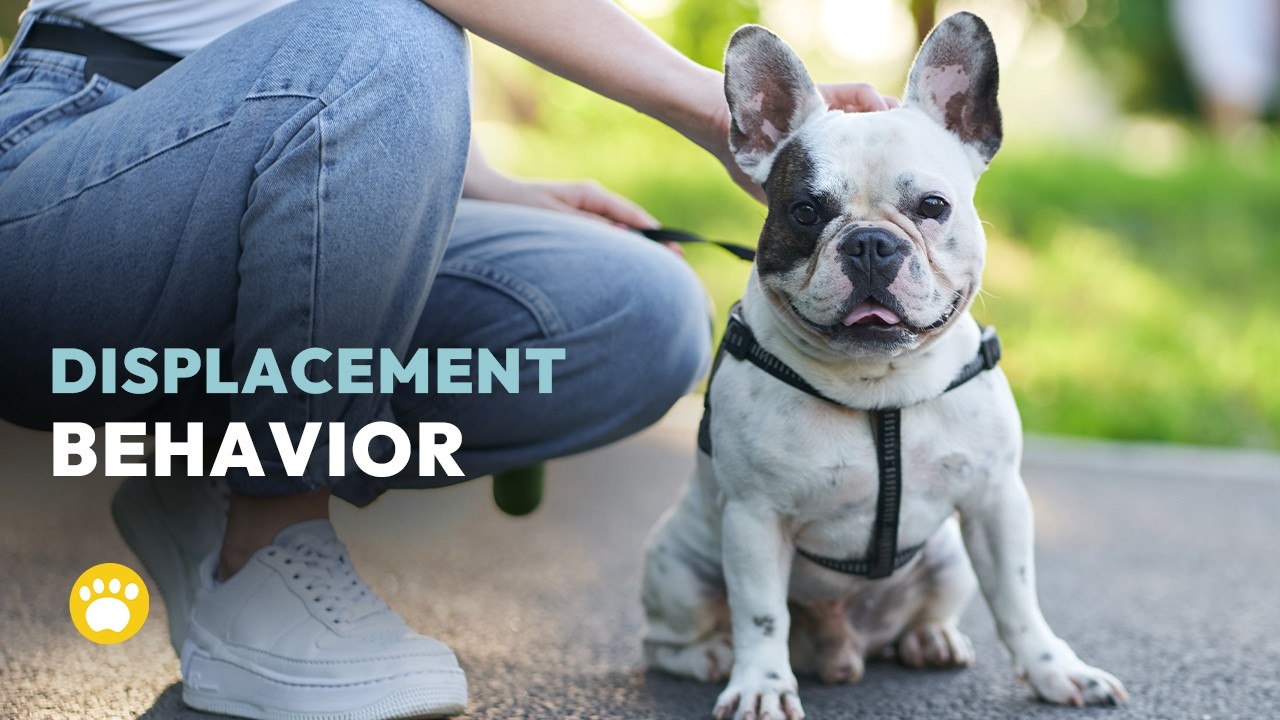
Credit: www.youtube.com
Responding To Hidden Stress Signals
Dogs show stress in many ways you might not see right away. These hidden signals help them feel better.
Learning to notice and respond to these signs can keep your dog calm and happy.
Calming Techniques
Use soft voices and slow movements to help your dog relax. Gentle petting can also ease their stress.
- Speak in a calm, quiet tone
- Offer a favorite toy or treat
- Give your dog space if they need it
- Use slow, gentle petting on safe areas
- Play soft music to create a peaceful mood
Creating A Safe Environment
A safe space helps your dog feel secure. This can be a quiet room or a cozy bed away from noise.
| Environment | Details |
| Quiet Room | Minimal noise and low foot traffic |
| Comfortable Bed | Soft bedding in a warm spot |
| Access to Water | Fresh water nearby at all times |
| Safe Toys | Favorite chew or soft toys for comfort |
When To Seek Professional Help
If your dog shows strong stress signs often, ask a vet or trainer for advice. Early help can prevent bigger problems.
Signs to watch for:
- Excessive barking or whining
- Repeated pacing or restlessness
- Destructive chewing or digging
- Loss of appetite or hiding
- Aggression or fear responses
Benefits Of Recognizing Displacement Behavior
Dogs use displacement behaviors to handle stress or confusion. These actions help them calm down and avoid conflict.
Knowing these signs lets owners respond better to their dog’s feelings and needs.
Improved Communication
Recognizing displacement behavior helps owners understand what dogs try to say without words. This improves how humans and dogs share feelings.
- Owners notice when a dog feels uneasy
- Dogs get a chance to calm down before reacting
- Misunderstandings decrease between dog and owner
Preventing Behavior Problems
Displacement behaviors warn that a dog may feel stressed or upset. Acting on these signs can stop bad behaviors from starting.
| Displacement Behavior | Possible Meaning | Owner Action |
| Yawning | Stress or confusion | Give the dog space |
| Scratching | Nervousness | Calm and reassure gently |
| Sniffing the ground | Avoiding a situation | Change the environment |
Strengthening The Human-dog Bond
When owners respond well to displacement behavior, trust grows. Dogs feel safer and more loved.
- Owners show they care about the dog’s feelings
- Dogs learn owners understand them
- Strong bonds lead to better training and friendship

Credit: sportypaws.com.au
Frequently Asked Questions
What Is Displacement Behavior In Dogs?
Displacement behavior in dogs occurs when they feel confused or stressed. They perform unrelated actions like licking or scratching. It helps them cope with conflicting emotions and reduces anxiety temporarily.
Why Do Dogs Show Displacement Behaviors?
Dogs show displacement behaviors to manage stress or social tension. These actions help them communicate discomfort or avoid confrontation. It’s a natural way to calm themselves in uncertain situations.
How Can I Recognize Displacement Behavior In My Dog?
Look for repetitive, out-of-context actions like yawning, scratching, or sniffing. These behaviors often appear during stressful or confusing moments. Recognizing them helps understand your dog’s emotional state better.
Can Displacement Behavior Indicate A Health Problem?
Usually, displacement behavior is psychological, not medical. However, if behaviors become excessive or repetitive, consult a vet. They can rule out underlying health issues causing abnormal actions.
Conclusion
Dogs show displacement behavior to handle stress or confusion. These actions help them calm down and think. Watching your dog closely can reveal these signs early. Understanding displacement behavior improves your bond and care. Stay patient and observe your dog’s reactions daily.
This knowledge helps create a happier, safer environment for your pet. Keep learning about your dog’s body language. It makes life easier for both of you. Small changes in how you respond can make a big difference. Your dog will feel more secure and loved.

Emily Barker is the founder of ChillDogLife.com, a space dedicated to helping pup parents discover the best dog products, lifestyle tips, and cozy ideas for happier homes.
A lifelong dog lover, Emily combines her passion for pets with a knack for research to share trusted recommendations on everything from toys and furniture to health and everyday care.
Her goal is simple: to make life easier, stylish, and more joyful for dogs and the people who love them.




