Have you ever wondered why your dog acts a certain way around strangers or in new places? Understanding your dog’s behavior can be the key to a happier, safer relationship for both of you.
A dog behavior assessment helps you uncover what’s really going on in your dog’s mind. It can reveal hidden fears, triggers, or even signs of stress that you might miss. By learning these insights, you can prevent problems before they start and create a stronger bond with your furry friend.
Keep reading to discover how a simple assessment can change the way you connect with your dog forever.

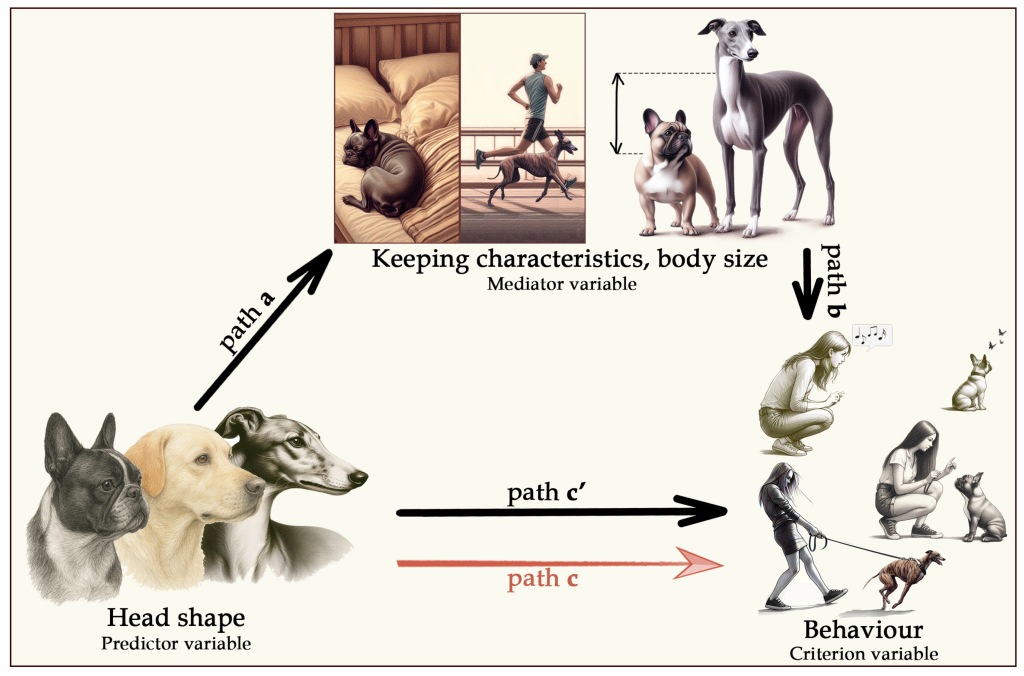
Credit: www.mdpi.com
Signs Of Canine Personality
Understanding a dog’s personality helps in building a strong bond. Dogs show their traits through actions and sounds.
This guide covers body language, vocal sounds, and common behaviors to watch for in dogs.
Body Language Basics
Dogs use their bodies to express feelings. Watch their tail, ears, eyes, and posture to learn what they feel.
- Tail wagging:A relaxed wag shows happiness. A stiff wag may mean alertness or anxiety.
- Ears:Ears up show interest. Ears back can mean fear or submission.
- Eyes:Soft eyes mean calm. Staring may be a challenge.
- Posture:A relaxed body shows comfort. A stiff body can mean tension.
Vocalizations And Their Meanings
Dogs use different sounds to tell us how they feel. Listen to barks, whines, growls, and howls carefully.
| Sound | Meaning |
|---|---|
| Bark | Alert, excitement, or warning |
| Whine | Request for attention or stress |
| Growl | Warning or discomfort |
| Howl | Communication or seeking |
Common Behavioral Traits
Each dog has unique habits. Some common traits show their personality clearly.
- Playfulness: Enjoys games and fun activities.
- Protectiveness: Guards home and family.
- Curiosity: Explores new things with interest.
- Shyness: Avoids strangers or new places.
- Friendliness: Likes meeting new dogs and people.
Tools For Behavior Assessment
Assessing dog behavior helps understand their needs and feelings. It guides training and care decisions.
There are several tools to assess dog behavior. Each tool gives different insights into the dog’s actions.
Observation Techniques
Observation is the first step in assessing dog behavior. It means watching the dog carefully in different situations.
Look for body language, reactions, and interactions with people and other animals. Note any signs of stress or comfort.
- Watch tail position and movement
- Notice ear and eye expressions
- Observe posture and movements
- Track vocal sounds like barking or whining
- See how the dog reacts to new places
Standardized Behavior Tests
Standardized tests give a clear way to measure dog behavior. They use set tasks or situations to see how dogs respond.
These tests help compare results between dogs. They can identify traits like fear, aggression, or friendliness.
- Reaction to strangers
- Response to loud noises
- Interaction with other dogs
- Reaction to handling by humans
- Problem-solving skills
Professional Evaluations
Experts like veterinarians and behaviorists can assess dog behavior. They use experience and special tools for detailed evaluations.
Professionals may use interviews, tests, and medical exams. Their advice helps owners manage behavior problems effectively.
- Behavior history review
- Health and medical checks
- Customized behavior tests
- Training and management plans
- Follow-up evaluations
Impact Of Breed And Genetics
Dog behavior depends a lot on breed and genetics. These factors shape how a dog acts and reacts.
Understanding these influences helps owners predict and guide their dog’s behavior better.
Breed-specific Traits
Each dog breed has traits that come from its history and purpose. These traits affect their behavior.
For example, herding breeds are often more alert and responsive. Hunting breeds may have strong prey drives.
- Labrador Retrievers are friendly and outgoing.
- Border Collies show high intelligence and energy.
- Bulldogs tend to be calm and stubborn.
- Terriers are often bold and energetic.
Genetic Influences On Temperament
Genes pass down traits that affect a dog’s mood and reactions. These include fear, aggression, and sociability.
Some dogs are naturally more anxious or calm because of their genetic makeup. This shapes how they behave daily.
- Genetics can increase a dog’s fear response.
- Some breeds have genes linked to friendliness.
- Temperament traits can be inherited from parents.
- Training can modify behavior but genetics set a base.
Credit: www.k9sky.com
Role Of Environment And Training
Dogs learn how to behave through their environment and training. The places they live and the way they are taught shape their actions. Good training helps dogs become calm and friendly.
Understanding how socialization and training affect dogs is key. It helps owners support healthy behavior in their pets.
Socialization Effects
Socialization means exposing dogs to new people, animals, and places. Early socialization helps dogs feel safe and confident. Dogs that are not socialized may show fear or aggression.
- Introduce dogs to different sounds and sights.
- Allow gentle interactions with other dogs and people.
- Use positive experiences to build trust.
- Practice socialization in safe and controlled settings.
Training Methods And Outcomes
Training teaches dogs what behaviors are good or bad. Clear and consistent commands help dogs learn faster. Training styles affect how dogs respond and behave.
| Training Method | Description | Expected Outcome |
| Positive Reinforcement | Rewards good behavior with treats or praise. | Increases desired actions and trust. |
| Clicker Training | Uses a sound to mark correct behavior. | Helps dogs learn commands quickly. |
| Correction-Based | Uses mild punishment to stop bad behavior. | May cause fear if not used carefully. |
| Mixed Methods | Combines rewards and corrections. | Can be effective if balanced well. |
Common Behavioral Issues
Dogs can exhibit various behavioral issues that may concern owners. Understanding these behaviors helps in addressing them effectively.
Some common issues include aggression, fear, separation anxiety, and excessive barking. Each has unique signs and solutions.
Aggression And Fear
Aggression and fear can stem from past trauma or lack of socialization. Dogs may react negatively to strangers or other pets.
- Growling or snapping when approached
- Hiding or cowering in fear
- Barking aggressively at unfamiliar faces
Separation Anxiety
Separation anxiety occurs when a dog becomes stressed without their owner. It can lead to destructive behavior.
Excessive Barking
Excessive barking can be a nuisance. Dogs might bark to alert, seek attention, or express boredom.
| Trigger | Action |
| Strangers at the door | Provide a safe space |
| Boredom | Increase exercise |
| Attention-seeking | Ignore until calm |
Credit: www.thedogbehaviorinstitute.com
Interpreting Assessment Results
Understanding your dog's behavior is key to effective training. Assessments help identify their needs.
With clear results, you can see where your dog excels and where they need help.
Identifying Strengths And Weaknesses
Every dog has unique strengths and areas that need improvement. Identifying these helps in focused training.
- Strengths show where your dog excels naturally.
- Weaknesses highlight areas needing more attention.
- Focus on both to create a balanced training plan.
Tailoring Training Plans
Training plans should fit your dog’s specific needs. Use assessment results to guide your approach.
| Behavior | Training Focus |
| Obedience | Commands and discipline |
| Socialization | Interaction with other dogs |
| Fearfulness | Confidence-building exercises |
Enhancing Your Dog’s Well-being
Understanding your dog’s behavior helps improve their health and happiness. Observing their actions can show what they need to feel safe and loved.
Creating a good environment and activities that build confidence will support your dog’s well-being every day.
Creating A Supportive Environment
Your dog needs a calm and stable place to feel secure. A supportive environment reduces stress and helps good behavior grow.
- Provide a quiet resting area away from loud noises
- Keep consistent feeding and walking times
- Use positive tone and gentle touch during training
- Remove hazards that may cause injury or fear
- Offer toys that suit your dog’s size and play style
Activities To Boost Confidence
Confidence-building activities help dogs feel brave and happy. These tasks also strengthen your bond with them.
| Activity | Purpose | How to Do It |
| Hide and Seek | Encourages problem-solving | Hide treats or toys and let your dog find them |
| Basic Obedience | Builds trust and focus | Practice sit, stay, and come with rewards |
| Obstacle Course | Improves agility and confidence | Use household items to create simple challenges |
| Social Walks | Increases comfort around others | Walk in different places with calm dogs and people |
Frequently Asked Questions
What Is A Dog Behavior Assessment?
A dog behavior assessment evaluates a dog’s temperament and reactions. It helps identify traits, fears, and aggression risks. This information guides training and adoption decisions.
Why Is Dog Behavior Assessment Important?
Behavior assessments ensure dogs’ safety and well-being. They help trainers customize training plans. Owners understand their dog’s needs and prevent future issues.
How Is A Dog Behavior Assessment Conducted?
Assessors observe dogs in various scenarios. They test reactions to strangers, noises, and other dogs. The process is calm, safe, and non-invasive.
When Should You Get A Dog Behavior Assessment?
It’s best during adoption or when behavior issues arise. Early assessment helps address problems quickly. It supports better bonding and training success.
Conclusion
Assessing dog behavior helps build a strong bond with your pet. It shows what your dog likes and what makes them anxious. Understanding these signs keeps your dog happy and safe. You can guide your dog to behave well with patience and care.
Regular checks help spot problems early. Good behavior means a calm and joyful life together. Keep learning about your dog’s needs every day. It makes your friendship deeper and more rewarding.

Emily Barker is the founder of ChillDogLife.com, a space dedicated to helping pup parents discover the best dog products, lifestyle tips, and cozy ideas for happier homes.
A lifelong dog lover, Emily combines her passion for pets with a knack for research to share trusted recommendations on everything from toys and furniture to health and everyday care.
Her goal is simple: to make life easier, stylish, and more joyful for dogs and the people who love them.




