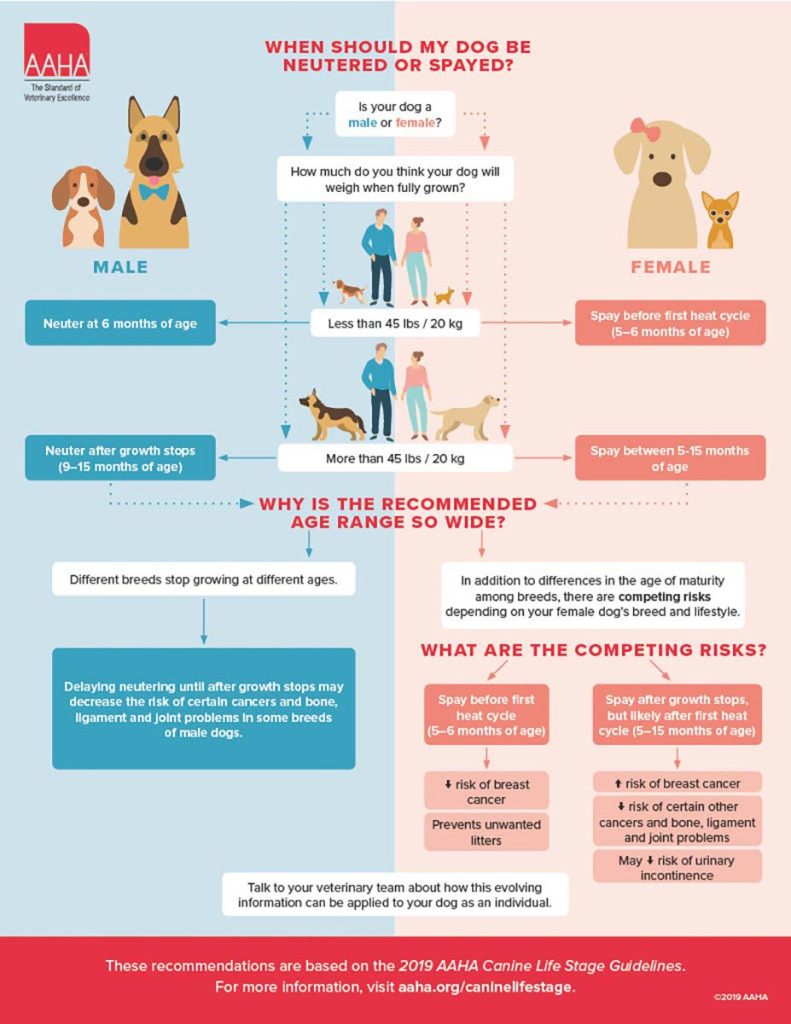
Are you wondering how neutering might change your dog’s behavior? You’re not alone.
Many pet owners worry about what to expect after this common procedure. Will your playful pup become calmer? Or could new habits appear? Understanding these changes can help you prepare and care for your furry friend better. Keep reading to discover what behavior shifts you might see and how to handle them with confidence.
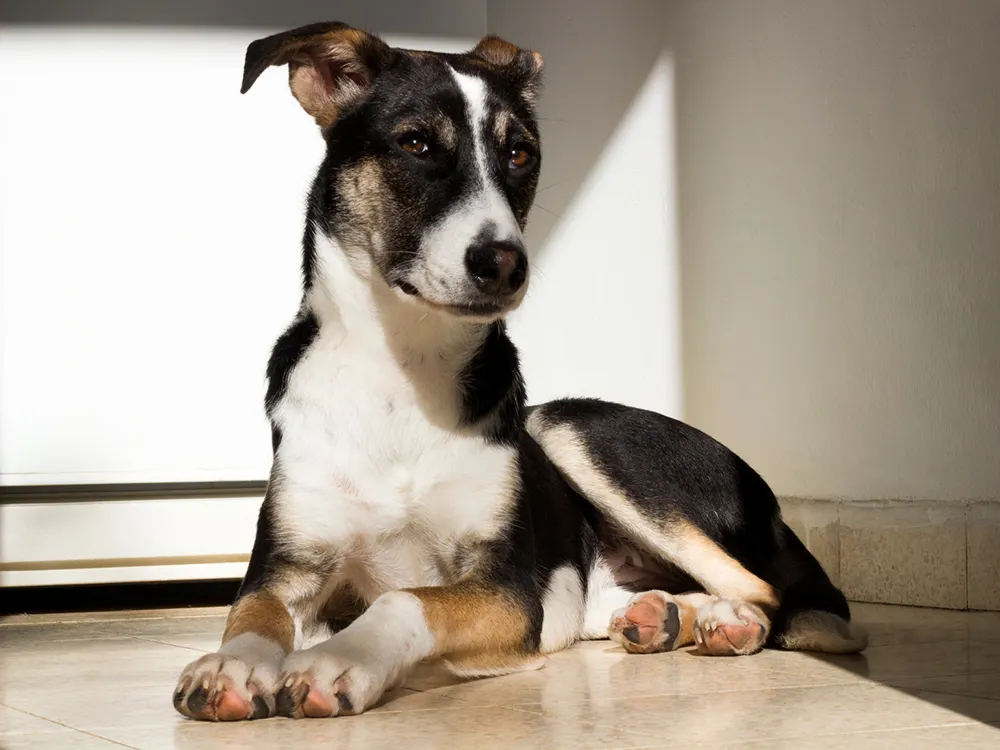
Credit: www.adoptapet.com
Behavior Changes After Neutering
Neutering can affect a dog’s behavior in several ways. It often leads to calmer and less aggressive actions.
Understanding these changes helps owners care better for their pets after surgery.
Common Behavioral Shifts
Neutered dogs tend to show less roaming and marking behavior. They may also become less aggressive toward other dogs.
Some dogs become calmer and less dominant. Energy levels might drop, but this varies by dog.
- Reduced aggression
- Less urine marking
- Lower roaming tendency
- Decreased dominance behaviors
- Possible drop in energy levels
Timing Of Changes
Behavior changes do not happen right after neutering. It can take weeks to months for changes to appear.
Patience is key. Some dogs show quick changes, while others take longer to adjust.
- Initial weeks: little change
- 1 to 3 months: gradual behavior shifts
- 3+ months: more stable behavior patterns
Factors Influencing Behavior
Age at neutering affects behavior changes. Younger dogs may adapt more easily than older dogs.
Breed, personality, and environment also play important roles in how behavior shifts after neutering.
- Age of the dog
- Breed and genetics
- Individual personality
- Training and socialization
- Living environment

Credit: www.reddit.com
Aggression And Territoriality
Neutering a dog can change its behavior in many ways. Two common concerns are aggression and territorial behavior.
These behaviors can affect how a dog acts around other animals and people. Understanding changes helps owners manage their dogs better.
Reduction In Aggression
Neutering often lowers aggressive behavior in dogs. This happens because hormone levels drop after the surgery.
Dogs may be less likely to fight with other dogs or show aggression toward people. This makes them calmer and easier to control.
Impact On Marking Behavior
Neutering can reduce a dog’s urge to mark territory with urine. This is common in male dogs before neutering.
Marking helps dogs show their presence to others. After neutering, many dogs mark less or stop marking inside the house.
- Marking usually decreases within weeks after neutering
- Some dogs may still mark due to habit or stress
- Training helps prevent unwanted marking behavior
Handling Persistent Issues
Some dogs keep aggressive or territorial behaviors even after neutering. These cases need extra care and training.
Owners should watch for triggers and avoid situations that cause stress or fear. Professional help may be needed for serious problems.
- Use positive reinforcement training
- Provide regular exercise to reduce stress
- Consult a vet or behaviorist if needed
Energy Levels And Activity
Neutering a dog can change its energy and activity. These changes affect how your dog plays and moves daily.
Understanding these changes helps keep your dog healthy and happy after neutering.
Decrease In Hyperactivity
After neutering, many dogs show less hyperactive behavior. They may be calmer and less restless.
- Reduced impulsive running and jumping
- Longer rest periods during the day
- Less barking and attention-seeking
Maintaining Healthy Exercise
Exercise remains important to keep your dog fit after neutering. Regular activity supports strong muscles and bones.
| Exercise Type | Recommended Duration |
| Walking | 30 minutes daily |
| Playtime | 15 to 20 minutes daily |
| Training Exercises | 10 to 15 minutes daily |
Preventing Weight Gain
Neutered dogs may gain weight if not watched carefully. Control food and encourage movement to prevent this.
Tips to prevent weight gain:
- Feed measured portions twice a day
- Limit high-calorie treats
- Keep a regular exercise schedule
- Monitor your dog’s weight monthly
Training Adjustments Post-neutering
Neutering can change a dog's behavior. These changes affect training and daily routines.
Adjusting training methods helps dogs learn better after surgery. It supports healthy behavior.
Adapting Training Techniques
Neutered dogs may become calmer or less motivated. Trainers should modify commands and rewards.
Shorter training sessions keep the dog focused. Use simple cues and clear signals for learning.
- Use gentle corrections instead of harsh ones
- Increase breaks during training to avoid stress
- Focus on basic obedience skills first
- Be patient with slower response times
Positive Reinforcement Strategies
Reward good behavior to encourage learning. Treats, praise, and playtime work well after neutering.
Positive reinforcement builds trust and helps dogs feel safe. Avoid punishment, which can cause fear.
- Give small treats during training
- Use verbal praise like “Good dog!”
- Offer favorite toys as rewards
- Celebrate small progress often
Addressing New Behavioral Traits
Neutering may cause changes like less aggression or more anxiety. Watch your dog closely.
Adjust training to calm nerves or encourage social skills. Consistency helps reduce confusion.
- Monitor for signs of stress or fear
- Socialize gently with other dogs
- Use calming commands and routines
- Keep a regular exercise schedule
Emotional And Social Changes
Neutering a dog can change its emotions and social behavior. These changes affect how your dog feels and interacts.
Understanding these changes helps you support your dog better after neutering.
Impact On Anxiety And Stress
Neutering may lower some dogs’ anxiety and stress levels. Hormone changes play a big role in this effect.
Some dogs become calmer and less nervous after neutering. This helps them relax in new places or around strangers.
- Reduced hormone levels can ease tension.
- Less roaming behavior lowers stress.
- Some dogs may still need extra calming support.
Changes In Social Interactions
Neutering can change how dogs interact with other dogs and people. It often lowers aggressive or dominant behavior.
Dogs may become more friendly and less likely to fight. They can also be more social and easier to train.
- Less marking territory around others
- More playful and less defensive
- Improved focus during social play
Supporting Emotional Well-being
After neutering, dogs still need emotional care to adjust well. Patience and gentle training help them feel safe.
Keep routines steady and offer plenty of positive attention. This helps your dog stay happy and confident.
- Maintain regular walks and playtime
- Use calm voices and gentle touch
- Watch for signs of stress or fear
- Give treats to reward good behavior
Health Benefits Linked To Behavior
Neutering your dog can lead to many health benefits. These benefits are linked to positive behavior changes. It’s important to understand how health and behavior connect.
Healthier dogs often show improved behavior. This is because they feel better overall. Let’s explore some specific benefits.
Reduced Risk Of Certain Diseases
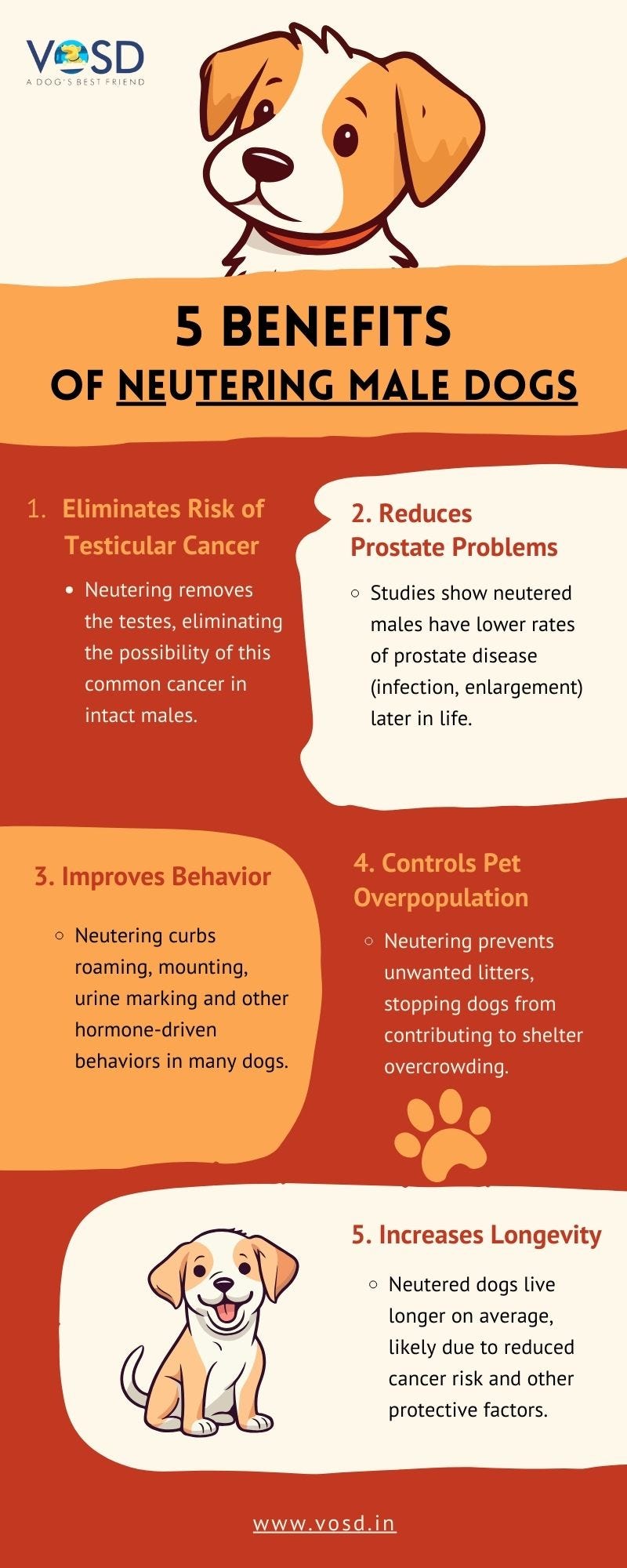
Neutering can lower the risk of some diseases. This includes serious conditions like cancer. A healthier dog is often a happier dog.
- Reduced risk of testicular cancer
- Lower chance of prostate problems
- Fewer instances of uterine infections in females
Longevity And Quality Of Life
Neutered dogs often live longer lives. Their quality of life improves with fewer health issues. This leads to more joyful years with your pet.
| Age | Quality of Life |
| 1-5 years | High |
| 6-10 years | Very High |
| 11+ years | Moderate |
Behavioral Benefits From Health Improvements
When dogs feel good, they behave better. Health improvements can lead to less aggression. Neutered dogs may also be calmer.
Tips For Owners To Adapt
Neutering your dog can lead to changes in their behavior. Understanding these changes helps you support your pet better. Here are some tips to adapt.
Adjustments in your approach will make the transition smoother for both you and your dog. Being patient and attentive is key.
Monitoring Behavior Closely
After neutering, observe your dog for any changes in behavior. They may become more calm or show less interest in roaming.
Keep a record of any significant changes you notice. This will help in understanding your dog’s new behavior patterns.
- Note any increased aggression or anxiety
- Check for changes in energy levels
- Observe eating and sleeping habits
Consulting Veterinarians And Trainers
Consult your veterinarian if you notice unusual behavior. They can provide insights and suggest any needed interventions.
Trainers can offer strategies to manage behavior changes. Professional advice ensures your dog receives the best care.
- Schedule regular vet check-ups
- Consider behavioral training if needed
- Ask for advice on diet and exercise
Creating A Supportive Environment
Make your home a safe and comforting space for your dog. This helps them adjust to their new behavior patterns.
Provide toys and activities to keep your dog engaged. A supportive environment aids in their emotional and physical well-being.
- Ensure a quiet and comfortable resting area
- Offer interactive toys to stimulate their mind
- Maintain a consistent routine for meals and walks
Credit: medium.com
Frequently Asked Questions
How Does Neutering Affect Dog Behavior?
Neutering often reduces aggression and roaming in male dogs. It lowers hormone levels that drive territorial and dominant behaviors. However, some behaviors like obedience and training response remain unchanged. Overall, neutering can lead to calmer, more manageable pets.
When Do Behavior Changes Appear After Neutering?
Behavior changes typically appear within a few weeks to months post-surgery. Hormonal adjustments take time, so expect gradual improvements. Immediate behavior shifts are rare; patience is key for noticeable results.
Can Neutering Reduce Dog Aggression?
Yes, neutering can reduce aggression linked to testosterone. It helps lower dominance and territorial disputes. However, aggression caused by fear or anxiety may not improve, requiring additional training or therapy.
Does Neutering Affect A Dog’s Energy Levels?
Neutering often decreases excessive energy and hyperactivity. Dogs may become calmer and less restless. Still, regular exercise and mental stimulation remain essential for healthy behavior.
Conclusion
Neutering a dog can change behavior in many ways. Some dogs become calmer and less aggressive. Others may show less interest in roaming or marking. These changes help dogs live better with families and other pets. Every dog reacts differently after neutering.
Patience and care make the adjustment easier. Understanding these behavior changes helps owners support their dogs well. Neutering is a step toward a healthier, happier pet.

Emily Barker is the founder of ChillDogLife.com, a space dedicated to helping pup parents discover the best dog products, lifestyle tips, and cozy ideas for happier homes.
A lifelong dog lover, Emily combines her passion for pets with a knack for research to share trusted recommendations on everything from toys and furniture to health and everyday care.
Her goal is simple: to make life easier, stylish, and more joyful for dogs and the people who love them.




