
Are you worried about your dog’s aggressive behavior? You’re not alone.
Many dog owners struggle with frustration and concern when their furry friend shows signs of aggression. But what if there was a simple step you could take to help calm your dog and create a safer, happier home? Neutering isn’t just about preventing puppies—it can play a powerful role in reducing aggressive behavior.
You’ll discover how neutering affects your dog’s mood and actions, and what it means for you and your pet’s future. Keep reading to learn how this one decision might change everything for the better.
Aggression Types In Dogs
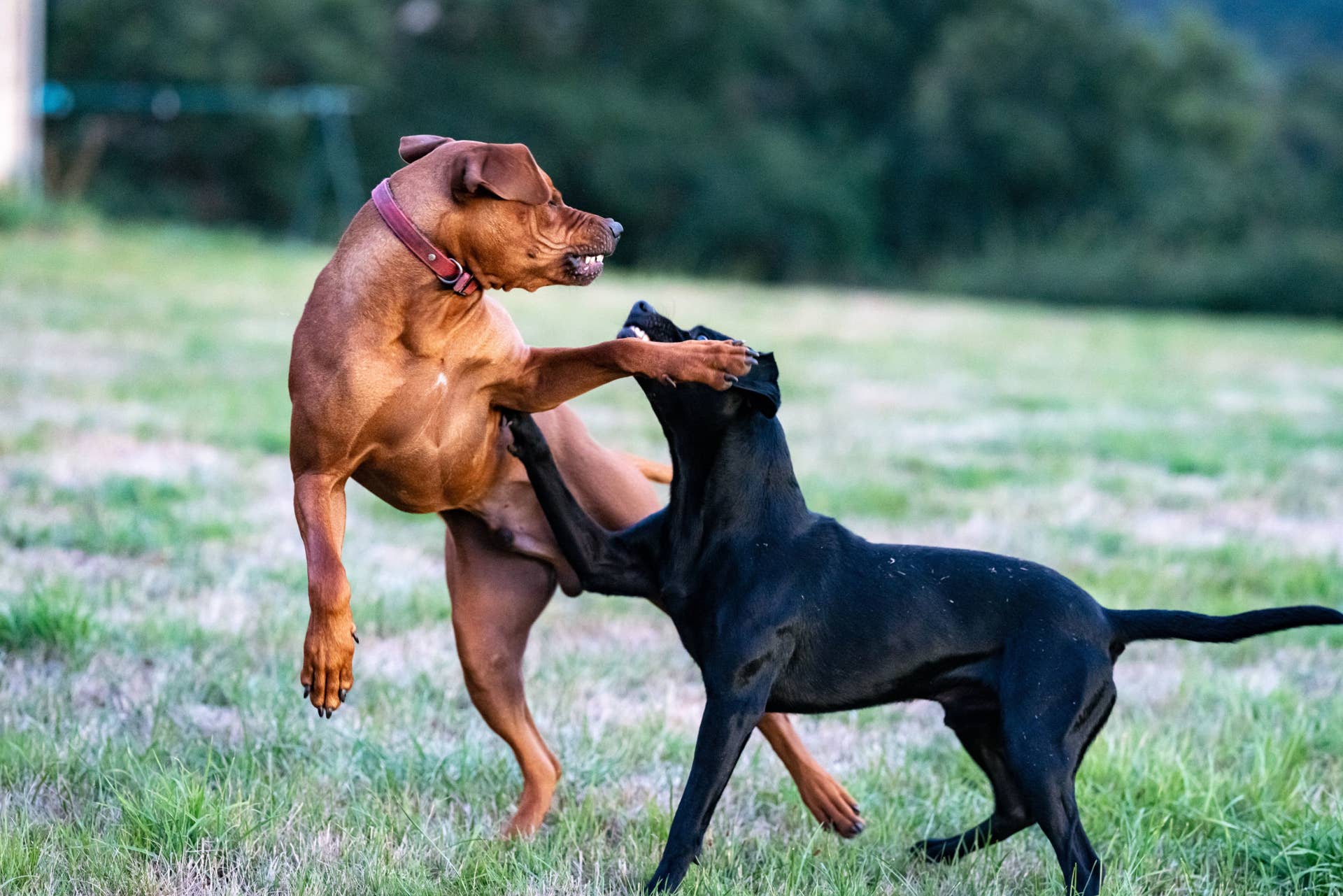
Aggression in dogs can take many forms. Understanding each type helps owners manage their pets better.
Different causes lead to different aggressive behaviors. Recognizing these types is the first step to control.
Territorial Aggression
Territorial aggression happens when a dog protects its space. It may growl or bark at strangers near its home.
This behavior helps dogs feel safe. It can appear when visitors enter the yard or house.
Dominance Aggression
Dominance aggression occurs when a dog tries to control others. It may challenge people or other dogs.
- Staring down a person or animal
- Snapping or growling without warning
- Blocking access to food or toys
- Mounting or pinning other dogs
Fear-based Aggression
Fear-based aggression is a defense reaction. Dogs act aggressively because they feel scared or threatened.
| Trigger | Common Reactions |
|---|---|
| Loud noises | Barking, hiding, snapping |
| Strangers | Growling, retreating, lunging |
| Sudden movements | Backing away, biting |
Redirected Aggression
Redirected aggression happens when a dog is angry at one target but attacks another. This often confuses owners.
For example, a dog may see a squirrel, get upset, and then bite a nearby person or pet instead.
How Neutering Influences Behavior
Neutering dogs can change how they act. It often affects their behavior by altering hormones. Many dog owners wonder if neutering reduces aggressive behavior.
This article explains how neutering influences aggression. It covers hormonal changes, aggression levels, and the best timing for neutering.
Hormonal Changes After Neutering
Neutering removes the testicles, which produce testosterone. This hormone affects many behaviors, including aggression. Lower testosterone can calm dogs down.
After neutering, hormone levels drop. This reduces some aggressive drives linked to mating and dominance. The change happens gradually over weeks or months.
Impact On Aggression Levels
Neutering often lowers aggression in male dogs. It helps reduce fighting and territorial behavior. Some dogs become less reactive to strangers and other dogs.
Not all aggression disappears. Fear-based or learned aggression may stay the same. Neutering works best for hormone-driven aggression.
- Reduces mating-related aggression
- Decreases dominance fights
- May not affect fear aggression
- Works better with training
Age And Timing Considerations
Age affects how neutering changes behavior. Neutering young dogs may prevent some aggressive habits. Older dogs might see less behavior change.
Timing matters for health and behavior. Many vets recommend neutering between 6 and 12 months old. Early neutering can reduce hormone-driven aggression early.
- Neuter before puberty for best results
- Late neutering may not change habits
- Discuss timing with your vet
Effectiveness Of Neutering On Aggression
Neutering is often suggested to reduce aggressive behavior in dogs. It involves removing the reproductive organs to lower hormone levels. These hormones can influence how a dog acts.
Many dog owners and trainers wonder if neutering really stops aggression. The answer depends on many factors like the dog’s age and breed.
Success Rates In Reducing Aggression
Neutering can reduce certain types of aggression in dogs. This is mostly true for aggression linked to hormones, like fighting over mates.
Studies show that neutered dogs are less likely to show dominance aggression or roaming behavior. Aggression linked to fear or anxiety may not improve as much.
- Neutering lowers hormone-driven aggression
- It helps reduce roaming and fighting in male dogs
- Effects vary based on the dog’s age when neutered
Limitations And Exceptions
Neutering does not stop all aggressive behaviors. Some dogs may still act aggressively due to fear or past trauma. Training and socialization are also needed.
Neutering late in life may not change aggression much. Some dogs stay aggressive even after neutering. Owners should watch their dog’s behavior carefully.
- Not all aggression is hormone-related
- Fear and anxiety need other treatments
- Late neutering has less impact on behavior
- Training remains important after neutering
Breed-specific Responses
Different dog breeds react differently to neutering. Some breeds show big drops in aggression after neutering. Others show little or no change.
Breeds with strong guarding instincts may keep aggressive behaviors. Knowing the breed helps predict how neutering will affect aggression. Talk to a vet for breed advice.
- Breed affects how neutering changes behavior
- Guarding breeds may stay more aggressive
- Some breeds show clear drops in aggression
- Consult vets for breed-specific guidance

Credit: www.dwdogtraining.com
Alternative Behavior Management
Neutering is one way to reduce aggressive behavior in dogs. Some dogs may still show aggression after neutering. Alternative behavior management helps control this problem.
This guide covers training, environment, and professional therapy to manage aggression safely and effectively.
Training Techniques
Training helps dogs learn better ways to react. Positive reinforcement rewards calm and friendly actions. Avoid punishment as it may increase aggression.
- Use treats to reward good behavior
- Practice commands like “sit” and “stay”
- Redirect attention from aggressive triggers
- Train in short, regular sessions
- Stay calm and patient during training
Environmental Modifications
Change the dog’s surroundings to reduce stress and triggers. Create safe spaces where the dog feels secure. Limit access to places that cause aggression.
| Modification | Purpose |
| Separate from other dogs | Prevent fights and stress |
| Use barriers or gates | Control interactions safely |
| Provide quiet resting areas | Reduce anxiety and agitation |
| Remove toys linked to aggression | Lower resource guarding |
Professional Behavior Therapy
Experts use therapy to address deep aggression issues. They assess the dog and design a plan. Therapy may include behavior modification and medication.
Benefits of professional therapy:
- Customized plans for each dog
- Safe handling of aggressive dogs
- Support for owners during training
- Use of medical treatments if needed
Combining Neutering With Other Solutions
Neutering can help reduce aggressive behavior in dogs. It lowers hormone levels that cause aggression. Still, neutering alone may not fix the problem.
Using other approaches together with neutering gives better results. Different strategies work best when combined. These include medication, training, and watching your dog over time.
Medication Options
Some dogs need medicine to control aggression. Vets may prescribe drugs to calm your dog. These help lower anxiety or irritability.
Medication works best with behavior training. It is not a quick fix. Always follow your vet’s advice and monitor your dog’s response.
- Anti-anxiety drugs reduce stress
- Hormone blockers can lower aggression
- Medication must be paired with training
Consistency In Training
Training your dog consistently helps change aggressive habits. Use the same commands and rules every day. This builds clear boundaries.
Positive reinforcement works well. Reward good behavior with treats or praise. Avoid punishment as it can increase aggression.
- Set clear rules and stick to them
- Practice training daily
- Use rewards to encourage good behavior
- Stay patient and calm
Long-term Monitoring
Watch your dog’s behavior over time after neutering. Aggression may improve slowly. Keep track of changes and triggers.
Regular check-ins with a vet or trainer help catch problems early. Adjust your plan if needed. Long-term care keeps your dog safe and calm.
- Note any changes in aggression
- Identify situations that cause anger
- Consult professionals regularly
- Update training and medication as needed
Credit: pethelpful.com
Preventing Aggression Before It Starts
Neutering dogs can help reduce aggressive behavior. But prevention starts before aggression shows. Early actions make a big difference.
Understanding how to prevent aggression is key. Learn the steps to create a calm and friendly pet.
Early Socialization
Socializing your dog early is important. Meet different people and animals. This helps them feel comfortable in any situation.
- Take your dog to parks
- Introduce them to other pets
- Expose them to new environments
Positive Reinforcement
Positive reinforcement encourages good behavior. Reward your dog for calm actions. This builds trust and reduces fear.
Use treats and praise when your dog listens. This simple method can change their behavior over time.
Identifying Triggers
Understanding what triggers aggression is crucial. Look for signs that make your dog uneasy. Recognize these triggers and manage them.
| Trigger | Reaction |
| Loud noises | Barking |
| Strangers | Growling |
| Other dogs | Jumping |
Credit: www.dwdogtraining.com
Frequently Asked Questions
Does Neutering Reduce Aggressive Behavior In Dogs?
Neutering can reduce aggression by lowering testosterone levels, which influence dominance and territorial behavior. However, it may not eliminate aggression caused by fear or training issues. Proper socialization and training are essential alongside neutering to manage aggressive behavior effectively.
When Is The Best Age To Neuter An Aggressive Dog?
The ideal age to neuter varies but generally ranges from 6 to 12 months. Early neutering can prevent some aggressive tendencies. Consult your vet to determine the best timing based on your dog’s breed, size, and behavior.
Can Neutering Completely Stop Dog Aggression?
Neutering alone rarely stops all aggression. It mainly affects hormone-driven aggression. Behavioral training, socialization, and environment also play crucial roles in reducing aggressive behavior in dogs.
How Soon After Neutering Will Aggression Decrease?
Some dogs may show reduced aggression within weeks after neutering. For others, behavior changes might take months. Patience, training, and consistent management are important during this period.
Conclusion
Neutering can help reduce aggressive behavior in dogs. It lowers hormone levels that cause aggression. Many dogs become calmer and more relaxed. Training and socialization also play key roles. Patience and consistency are important for success. Speak with a vet about the best time to neuter.
Every dog is different and needs care. Taking these steps creates a safer home and happier pet. Neutering is just one part of good dog care.

Emily Barker is the founder of ChillDogLife.com, a space dedicated to helping pup parents discover the best dog products, lifestyle tips, and cozy ideas for happier homes.
A lifelong dog lover, Emily combines her passion for pets with a knack for research to share trusted recommendations on everything from toys and furniture to health and everyday care.
Her goal is simple: to make life easier, stylish, and more joyful for dogs and the people who love them.




