
Have you ever wondered why your dog suddenly knows to sit when you say “sit” or comes running when called? It’s all about learned behavior.
Understanding how your dog picks up new habits can change the way you train and connect with your furry friend. You’ll discover simple secrets behind your dog’s learning process that can make training easier and more effective. Ready to unlock the key to your dog’s mind?
Keep reading, and you’ll see your pet in a whole new light.

Credit: www.dwdogtraining.com
Basics Of Dog Learning
Dogs learn by watching, listening, and trying new things. Learning helps them understand the world and react to it.
Training teaches dogs good habits. It also builds trust between dogs and owners.
How Dogs Process Information
Dogs use their senses to take in information. Their brain works to understand what they see, hear, and smell.
They remember events that happen often. This helps them learn which actions bring rewards or avoid problems.
- Dogs notice patterns in sounds and sights
- They link actions with results
- Memory helps dogs repeat good behaviors
Types Of Learned Behavior
Dogs learn in different ways. Some behaviors come from training, while others come from experience.
There are two main types: classical conditioning and operant conditioning.
- Classical conditioning:Dogs link two things together, like a bell and food.
- Operant conditioning:Dogs learn from rewards or punishments for actions.
Role Of Genetics And Environment
Genetics give dogs basic traits, like energy levels and instincts. These traits affect how they learn.
Environment shapes what dogs experience. Training, social contact, and surroundings help form their behavior.
- Genetics affect natural skills and instincts
- Environment provides chances to learn and grow
- Both work together to shape dog behavior
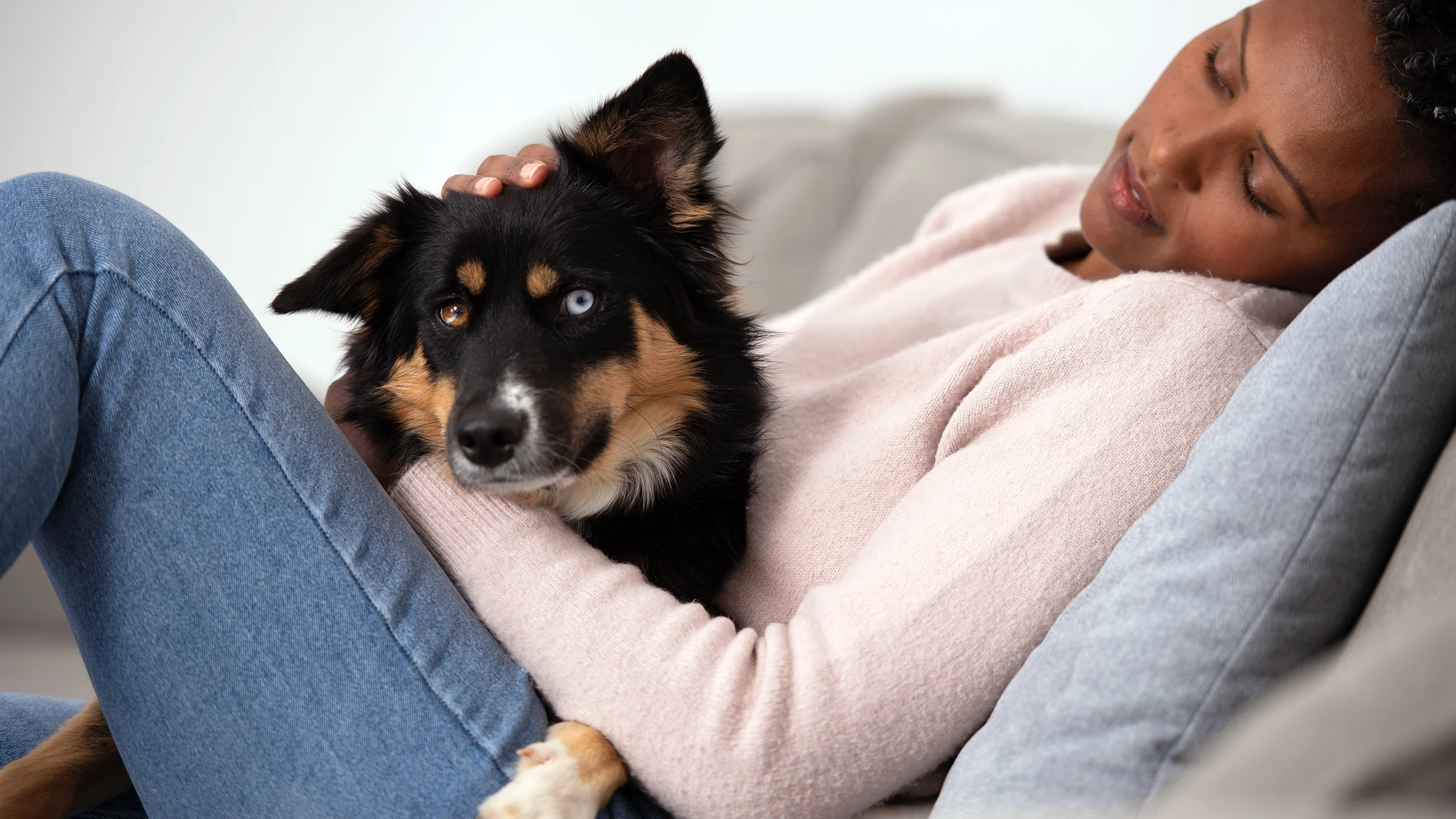
Credit: www.goodrx.com
Effective Training Techniques
Training your dog helps build a strong bond and good behavior. Using clear methods makes learning easier for your pet.
This guide covers simple and effective techniques to teach your dog new skills and manners.
Positive Reinforcement
Positive reinforcement means rewarding your dog for good behavior. This makes your dog want to repeat those actions.
- Use treats or praise as rewards.
- Give rewards immediately after the desired behavior.
- Keep training sessions short and fun.
- Avoid punishment; focus on rewards.
Clicker Training
Clicker training uses a small device that makes a clicking sound. It marks the exact moment your dog does the right thing.
Clicker training steps:
- Press the clicker when your dog shows the right behavior.
- Follow the click with a treat.
- Repeat to help your dog connect the click with rewards.
Consistency And Timing
Being consistent helps your dog learn rules faster. Timing your rewards is key to clear communication.
| Tip | Why It Helps |
| Use the same commands every time | Reduces confusion for your dog |
| Reward within 2 seconds of good behavior | Helps dog link action to reward |
| Train daily in short sessions | Keeps dog focused and improves memory |
Common Behavior Issues
Dogs can show unwanted behaviors that worry their owners. These issues often come from stress or lack of training.
Understanding these behaviors helps in managing and improving your dog’s actions for a happy home.
Barking And Whining
Barking and whining are common ways dogs express themselves. Too much can be a problem for families and neighbors.
- Barking may happen when dogs feel scared or bored.
- Whining can mean they want attention or are anxious.
- Training can teach dogs when it is okay to bark.
- Giving toys can reduce boredom and whining.
Jumping And Chewing
Jumping on people and chewing on things are signs of excitement or stress. These actions can cause damage or hurt someone.
| Behavior | Cause | Solution |
| Jumping | Greeting or seeking attention | Teach sit and stay commands |
| Chewing | Teething or boredom | Provide chew toys and exercise |
Separation Anxiety
Separation anxiety happens when dogs feel stressed being alone. They may bark, scratch, or make messes.
Signs of separation anxiety include:
- Barking or howling when left alone
- Destructive chewing or scratching
- Restlessness or pacing
- Urinating or defecating indoors

Credit: www.holysit.ca
Building Strong Communication
Good communication helps dogs understand what we want. It builds trust and makes training easier.
Strong communication uses body signals, voice tones, and clear commands. These tools help dogs learn faster.
Reading Canine Body Language
Dogs use their bodies to show feelings and intentions. Watching their posture and movements helps us know what they feel.
Signs like tail wagging or ear position tell if a dog is happy, scared, or alert. Knowing these signs prevents problems.
- Relaxed body means the dog is calm
- Stiff posture shows alertness or tension
- Tail up can mean confidence or excitement
- Lowered ears may signal fear or submission
Using Voice And Hand Signals
Dogs listen to our voice tone and watch our hands. Clear signals help dogs know what to do next.
Use a calm but firm voice for commands. Pair words with simple hand signals to make it easier for dogs to learn.
- Speak softly for praise or calmness
- Use a firm tone for commands
- Raise your hand to signal “stop”
- Point to show direction or action
Creating Clear Commands
Clear commands help dogs understand what you want. Use short, simple words that are easy to remember.
Consistent commands make training smooth. Use the same word and tone every time you want a dog to act.
- Use one word commands like “sit” or “stay”
- Keep your tone firm and steady
- Reward dogs when they obey quickly
- Practice commands often for better results
Advanced Training Strategies
Training a dog requires more than just basic commands. Advanced strategies help dogs learn complex skills. These methods improve communication between owner and dog.
Using focused training plans can address specific needs. This helps dogs perform tasks safely and effectively. It also builds confidence and trust.
Training For Specific Tasks
Targeted training teaches dogs to do special jobs. This includes activities like search and rescue, therapy, or agility sports. Each task needs clear goals and rewards.
- Break tasks into small, easy steps
- Use consistent commands and signals
- Practice regularly in different places
- Reward progress with treats or praise
- Adjust training based on dog’s response
Socialization With Other Dogs
Socialization teaches dogs how to behave around others. Proper social skills reduce fear and aggression. Early and ongoing exposure is key.
| Age | Socialization Focus |
| Puppy (8-16 weeks) | Play with friendly dogs, meet people |
| Adolescent (4-12 months) | Controlled group walks, new environments |
| Adult (12+ months) | Refine manners, introduce varied dog sizes |
Problem-solving Techniques
Problem-solving helps dogs think through challenges. It builds mental skills and reduces boredom. Use puzzles and games that require thought.
Examples of problem-solving activities:
- Hide treats under cups for dogs to find
- Use toys that release food when moved correctly
- Create obstacle courses to navigate
- Teach dogs to open simple containers
Tools And Resources
Teaching your dog new behaviors is easier with the right tools. The resources available today can help guide you and your furry friend.
From training aids to professional classes, there are options for every learning style. Let’s explore some useful resources.
Training Aids And Equipment
Training aids make learning easier and more fun for dogs. These tools can help reinforce positive behavior.
- Clickers for marking correct behavior
- Treat pouches to reward good actions
- Leashes and harnesses for better control
- Toys that engage and motivate dogs
Apps And Online Courses
Technology offers many resources for dog training. Apps and online courses provide flexibility and variety.
Consider these popular apps:
- Dog Training App – Step-by-step tutorials
- Puppr – Lessons by expert trainers
- Dogo – Daily training challenges
Professional Trainers And Classes
For personalized guidance, professional trainers offer in-depth expertise. Classes provide a social environment for learning.
| Trainer Type | Benefits |
| Private Trainer | One-on-one attention |
| Group Classes | Socialization opportunities |
| Boarding Schools | Intensive training programs |
Frequently Asked Questions
What Is Dog Learned Behavior?
Dog learned behavior refers to actions dogs acquire through experience and training. It differs from instincts and can be shaped by rewards and repetition.
How Do Dogs Learn New Behaviors?
Dogs learn through positive reinforcement, repetition, and consistency. Training sessions help dogs associate commands with actions and rewards.
Can Learned Behaviors Be Unlearned In Dogs?
Yes, learned behaviors can be unlearned with consistent retraining and replacing unwanted actions with positive alternatives.
Why Is Understanding Dog Behavior Important?
Understanding dog behavior improves training effectiveness and strengthens the bond between owner and dog. It also ensures better communication.
Conclusion
Dogs learn by watching and repeating what they see. Training takes time, patience, and clear signals. Good habits grow from small, steady steps. Understanding how dogs think helps improve behavior. Every dog can learn new things every day. Consistency and kindness build strong bonds with pets.
Training is a way to show love and care. Keep practicing, and you will see great progress. Learning with your dog is fun and rewarding. The effort you put in makes a happy, well-behaved dog.

Emily Barker is the founder of ChillDogLife.com, a space dedicated to helping pup parents discover the best dog products, lifestyle tips, and cozy ideas for happier homes.
A lifelong dog lover, Emily combines her passion for pets with a knack for research to share trusted recommendations on everything from toys and furniture to health and everyday care.
Her goal is simple: to make life easier, stylish, and more joyful for dogs and the people who love them.




