
Have you noticed your dog acting differently after being neutered? It’s common for pet owners like you to wonder what changes to expect and how these might affect your daily life together.
Understanding your dog’s behavior after neutering can help you respond better and strengthen your bond. You’ll discover the key changes in your dog’s behavior and learn practical tips to support your furry friend through this transition. Keep reading to find out what’s normal and how you can help your dog feel happy and comfortable after neutering.
Effects Of Neutering On Dog Behavior
Neutering is a common procedure for dogs. It changes their hormone levels and can affect how they act. Owners often notice changes in behavior after the surgery.
This article looks at what happens to dogs after neutering. It explains the hormone changes and common behavior shifts you might see.
Hormonal Changes Post-neuter
Neutering lowers the amount of testosterone in male dogs. This hormone plays a big role in many behaviors. The drop in testosterone can change how dogs act and feel.
- Reduced testosterone levels
- Lower aggression and dominance urges
- Changes in metabolism and energy
- Possible shifts in mood and anxiety
Common Behavioral Shifts
After neutering, dogs may show less aggressive behavior. They often become calmer and less likely to roam. Some dogs also change their marking habits.
| Behavior | Before Neuter | After Neuter |
| Marking Territory | Frequent | Less Frequent |
| Roaming | High | Reduced |
| Aggression | Sometimes High | Lower |
| Energy Levels | High | Often Lower |
| Playfulness | High | Usually Stable |
Aggression And Neutering
Neutering is a common procedure for male dogs. It involves removing the testicles. This can lead to changes in behavior. Aggression is one behavior that may be affected.
Understanding how neutering impacts aggression is important for dog owners. It helps in managing and predicting changes in their pets.
Reduction In Territorial Aggression
Territorial aggression is common in male dogs. They may bark or growl to protect their space. Neutering often reduces this type of aggression.
With fewer hormones, dogs feel less need to defend their territory. This can lead to a calmer demeanor at home.
- Less barking at strangers
- Reduced marking of territory
- Calmer interactions with other dogs
Impact On Fear-based Aggression
Fear-based aggression occurs when a dog feels threatened. Neutering can affect this behavior in different ways.
Some dogs may become less fearful after neutering. Others might need additional training to manage fear-based aggression.
| Situation | Possible Change |
| Encountering new people | Less aggressive response |
| Meeting other animals | Reduced growling or snapping |
Activity Levels And Energy
Neutering can change a dog’s activity and energy. These changes affect how your dog plays and exercises. Understanding these helps you care for your pet better.
Each dog reacts differently after neutering. Some dogs get calmer, while others keep their normal energy. Let’s look at how playfulness and exercise needs change.
Changes In Playfulness
After neutering, many dogs show less playfulness. This change happens because hormone levels drop. Your dog may rest more and want less rough play.
- Dogs may lose interest in chasing or wrestling.
- Some dogs prefer calm activities like cuddling.
- Playtime might be shorter than before.
- Energy bursts can become less frequent.
Exercise Needs After Neutering
Neutered dogs often need less exercise to stay healthy. Their metabolism slows down, so they burn fewer calories. This means daily walks and playtime should adjust.
| Before Neutering | After Neutering |
|---|---|
| High energy for long play sessions | Lower energy, shorter play sessions |
| Needs more frequent exercise | Needs moderate, regular exercise |
| Quick bursts of intense activity | Slower and calmer activity |
| More active in the evenings | More consistent activity all day |
Marking And Roaming Habits
Neutering a dog can change how it behaves in many ways. Two common changes are in marking and roaming habits. These behaviors are often linked to hormones.
Understanding these changes helps dog owners care for their pets better after neutering. It also helps reduce unwanted behaviors.
Decrease In Urine Marking
Neutering usually lowers a male dog’s urine marking. This is because the hormone testosterone drops after the surgery. Without this hormone, dogs feel less need to mark territory.
Urine marking is when dogs spray small amounts of urine to mark places. It is common in intact males but often stops after neutering.
- Neutered dogs mark less often inside the house.
- They are less likely to mark new places.
- Marking behavior may stop within weeks after neutering.
Effect On Wandering Behavior
Neutering can reduce a dog’s urge to roam or wander. This behavior is linked to searching for mates. Lower hormone levels make dogs less interested in leaving home.
Dogs that roam less are safer and easier to manage. Neutered dogs often stay closer to their owners and home areas.
- Roaming to find a mate decreases after neutering.
- Dogs are less likely to escape or run away.
- Less roaming reduces risk of accidents or fights.
Weight Management Post-neuter
Neutering can change your dog’s body in many ways. One key change is how their weight is managed. This guide helps you understand these changes.
Knowing what to do after neutering helps keep your dog healthy and fit. Watch their diet and activity closely for the best results.
Metabolism Changes
After neutering, your dog’s metabolism often slows down. This means they burn fewer calories while resting. Less energy use can cause weight gain if food intake stays the same.
- Energy needs drop by about 20-30% after neutering.
- Dogs may feel less active and playful.
- Weight gain is common without diet or exercise changes.
Diet Adjustments
Adjusting your dog’s diet after neutering can prevent unwanted weight gain. Feeding the right amount and type of food is key.
| Diet Aspect | Recommended Change |
| Calories | Reduce daily intake by 20% |
| Protein | Maintain high-quality protein for muscle health |
| Fats | Limit fats to avoid extra calories |
| Fiber | Increase fiber for fullness and digestion |
Credit: southeastoakvillevet.ca
Training And Socialization Tips
Neutering can cause changes in your dog’s behavior. Training and socialization help your dog adjust well.
Focus on patience and consistency to guide your dog through these changes.
Reinforcing Positive Behavior
Praise your dog when it shows good behavior. This helps your dog learn what is expected.
Use treats and kind words to reward your dog. This makes training more effective and fun.
- Give treats immediately after good behavior
- Use clear and simple commands
- Keep training sessions short and regular
- Be consistent with rules and rewards
Handling New Behavioral Challenges
Neutering may cause new behaviors like anxiety or decreased energy. Watch your dog closely.
Calmly address any new issues by staying patient. Avoid punishment and focus on positive guidance.
- Provide extra exercise to reduce restlessness
- Offer comfort if your dog seems anxious
- Maintain social interactions with other dogs
- Seek advice from a professional trainer if needed
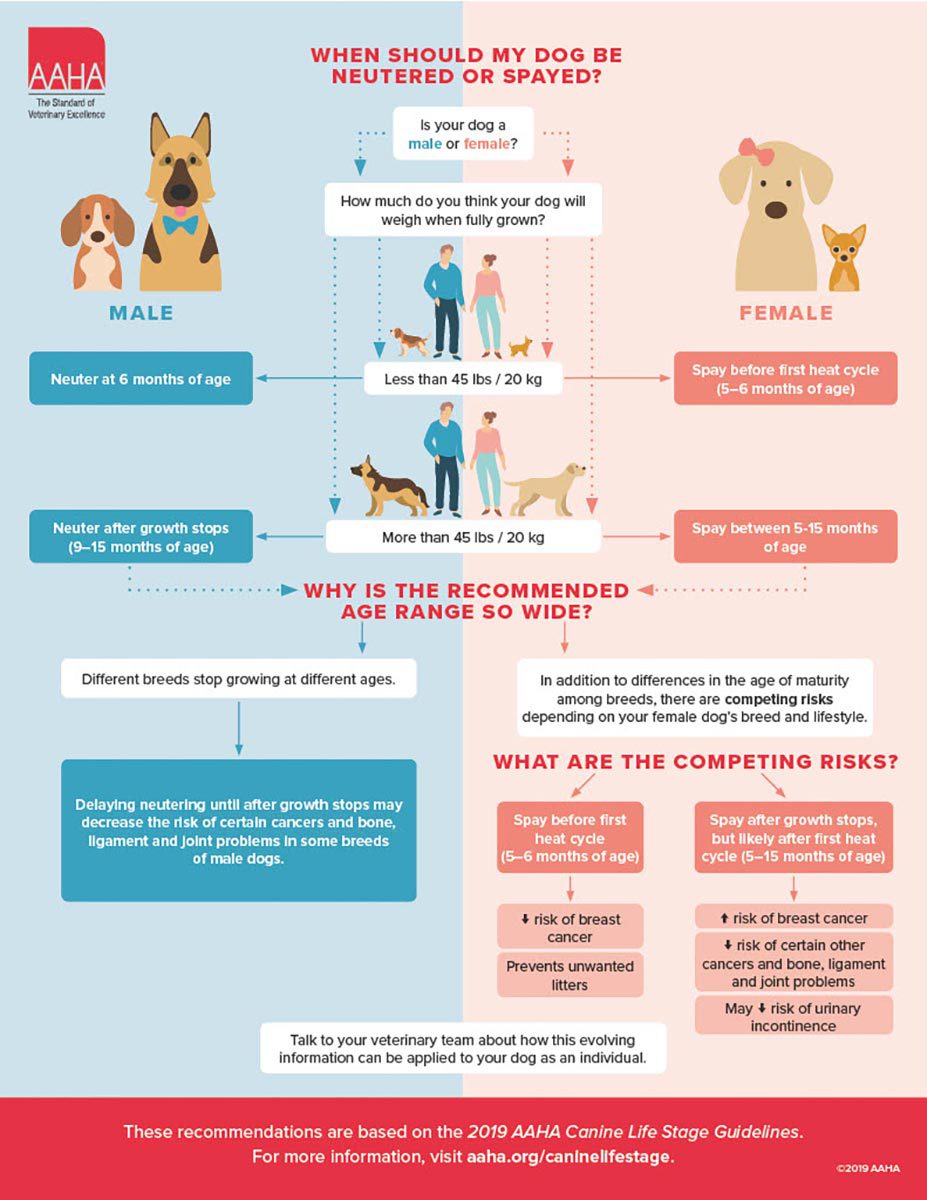
Timing And Age Factors
Neutering can change a dog’s behavior. The timing and age of neutering matter a lot. They affect how your dog acts after surgery.
Choosing the right age for neutering helps manage behaviors like aggression and marking. This guide explains the best times and effects.
Ideal Age For Neutering
The ideal age to neuter a dog is usually between six and nine months. This age helps avoid some health and behavior problems.
Smaller breeds may be neutered earlier, while larger breeds might benefit from waiting longer. Talk to your vet for advice.
- Small breeds: 6 months
- Large breeds: 9 to 12 months
- Very large breeds: sometimes after 12 months
Behavioral Impact By Age
Neutering at a young age can reduce aggressive and territorial behavior. It also lowers the chance of marking inside the house.
Older dogs may not show as much behavior change after neutering. Some unwanted behaviors may already be set.
- Early neutering: less aggression, less marking
- Late neutering: smaller behavior change
- Neutering does not fix all behavior problems

Credit: askavet.com
Myths Vs. Facts
Many dog owners wonder how neutering affects their pet's behavior. There are many beliefs about what changes after neutering. Some are true, and some are not.
This article looks at common myths and what science says about dog behavior after neutering.
Common Misconceptions
People often think neutering stops all aggressive behavior. They may also believe neutered dogs become lazy or gain too much weight.
Some common myths include:
- Neutering makes dogs calm and inactive
- All aggressive dogs will stop fighting after neutering
- Neutered dogs always gain weight
- Neutering changes a dog’s personality completely
Scientific Findings
Research shows neutering can reduce some behaviors like marking territory or roaming. It also lowers the chance of some health problems.
However, neutering does not fix all behavior issues. Training and environment play big roles in a dog’s actions.
- Neutering lowers hormone-driven behaviors
- Not all aggression is related to hormones
- Weight gain can happen but is linked to diet and exercise
- Personality stays mostly the same after neutering

Credit: www.reddit.com
Frequently Asked Questions
How Does Neutering Affect Dog Behavior?
Neutering reduces testosterone, which often lowers aggressive and dominant behaviors. It can also decrease roaming and marking tendencies. However, individual reactions vary based on age and temperament.
When Do Behavior Changes Appear After Neutering?
Behavior changes usually start within weeks to months after neutering. Some dogs show immediate calmness, while others adjust gradually over time. Consistent training helps reinforce positive behavior.
Can Neutering Stop Dog Aggression?
Neutering may reduce aggression linked to hormones but doesn’t guarantee elimination. Behavioral training and socialization are essential for managing aggression effectively.
Does Neutering Impact A Dog’s Energy Levels?
Neutering often lowers hyperactive behavior, making dogs calmer. However, exercise and mental stimulation remain vital to keep dogs healthy and happy.
Conclusion
Neutering can bring many changes in your dog’s behavior. Some dogs become calmer and less aggressive. Others may show less interest in marking territory. Energy levels might drop, but this varies by dog. Patience helps during this adjustment time. Watch your dog closely and give lots of love.
Changes happen slowly and are part of their growth. Understanding these shifts makes caring easier and better. Your dog still needs exercise and attention every day. Neutering is one step in your dog’s healthy life.

Emily Barker is the founder of ChillDogLife.com, a space dedicated to helping pup parents discover the best dog products, lifestyle tips, and cozy ideas for happier homes.
A lifelong dog lover, Emily combines her passion for pets with a knack for research to share trusted recommendations on everything from toys and furniture to health and everyday care.
Her goal is simple: to make life easier, stylish, and more joyful for dogs and the people who love them.




