Are you struggling to understand why your dog behaves the way it does? Whether your furry friend is chewing everything in sight, barking non-stop, or acting shy around visitors, knowing the reasons behind these behaviors can make a huge difference.
Understanding dog behavior not only helps you build a stronger bond but also makes training easier and life more enjoyable for both of you. Keep reading, and you’ll discover simple, effective ways to decode your dog’s actions and create a happier, calmer home.

Credit: zigly.com
Common Dog Behaviors
Dogs use many ways to show how they feel. Their actions tell us a lot about their mood and needs.
Understanding dog behavior helps us take better care of them. It also builds a stronger bond.
Body Language Signals
Dogs use body language to communicate without words. Their posture, tail, and ears show how they feel.
Watching these signals helps you know if a dog is happy, scared, or angry.
- Wagging tail usually means happiness or excitement.
- Raised hackles show fear or aggression.
- Relaxed ears and open mouth mean comfort.
- Stiff body and direct stare can mean a warning.
Vocalizations And Their Meanings
Dogs use different sounds to express themselves. Barking, whining, and growling all have meanings.
Knowing these sounds helps you understand what your dog wants or feels.
- Barking can mean alert, play, or anxiety.
- Whining often shows stress or desire for attention.
- Growling warns of discomfort or threat.
- Howling may signal loneliness or respond to sounds.
Behavioral Changes To Watch
Sudden behavior changes can signal health or emotional problems. Watch for signs that differ from usual actions.
Noticing these changes early helps you get your dog the care it needs.
- Loss of appetite or eating more than usual
- Increased hiding or withdrawal from family
- Aggression or fear where there was none before
- Excessive licking or scratching
- Changes in sleep patterns or energy levels
Causes Of Behavioral Issues
Behavioral problems in dogs can be puzzling and frustrating. Understanding the causes helps owners manage or prevent these issues.
Several factors influence a dog’s behavior. These include environment, health, and genetics. Each plays a key role.
Environmental Factors
Dogs react to their surroundings. Changes or stress in their environment can cause behavior problems.
- Moving to a new home
- Loud noises like fireworks or storms
- Separation from family members
- Lack of socialization with other dogs
- Inconsistent training or rules
Health-related Causes
Health issues often change how dogs act. Pain or illness can make a dog anxious or aggressive.
| Health Issue | Common Behavioral Signs |
| Arthritis | Restlessness, irritability |
| Hypothyroidism | Depression, lethargy |
| Ear infections | Head shaking, aggression |
| Dental disease | Drooling, biting |
| Neurological problems | Confusion, sudden aggression |
Genetics And Breed Traits
Some breeds have natural traits that affect behavior. Genetics can make dogs more prone to certain issues.
Examples of breed-related behaviors:
- Herding breeds may nip or chase.
- Guard breeds can be protective and wary.
- Terriers often show high energy and stubbornness.
Effective Training Techniques
Training your dog helps build a strong bond and good behavior. Using the right methods makes learning easier for your pet.
Dogs respond best to clear signals and patient guidance. Let’s look at key techniques that work well for most dogs.
Positive Reinforcement
Positive reinforcement means rewarding good behavior. It encourages dogs to repeat actions you like.
- Give treats or praise when your dog follows commands.
- Use toys or playtime as rewards.
- Be consistent with rewards to help learning stick.
- Reward immediately after good behavior to link action and praise.
Consistency And Routine
Dogs learn best with a steady routine. Consistency helps them understand what is expected.
| Training Aspect | Why Consistency Helps |
| Commands | Clear signals prevent confusion |
| Schedule | Routine builds good habits |
| Rewards | Steady praise strengthens learning |
| Rules | Same rules avoid mixed messages |
Avoiding Punishment
Punishing dogs can cause fear and harm trust. Avoid harsh corrections to keep training positive.
- Do not yell or hit your dog during training.
- Ignore bad behavior instead of punishing it.
- Redirect your dog’s attention to good actions.
- Use calm and gentle tones for corrections.

Credit: www.dogsavvylosangeles.com
Socializing Your Dog
Socializing your dog is key to a happy and balanced pet. It helps them feel comfortable around people and other animals.
Proper socialization starts early and continues throughout your dog’s life. It builds confidence and good behavior.
Early Socialization Tips
Begin socializing your dog during puppyhood. Introduce them to different sounds, sights, and smells. Positive experiences help them adjust well.
- Invite friends to meet your puppy in a calm setting.
- Expose them to household noises like vacuum cleaners.
- Take short car rides to new places.
- Use treats and praise to reward calm behavior.
Introducing New Environments
Take your dog to various places to explore safely. Different environments teach your dog to stay calm and curious.
| Environment | What to Watch For | Tips |
|---|---|---|
| Park | Other dogs, people, noises | Keep leash short, watch body language |
| Pet Store | Smells, new animals, crowds | Use treats, stay calm, avoid stress |
| Busy Street | Cars, bikes, crowds | Walk on sidewalk, keep close |
Managing Interactions With Other Dogs
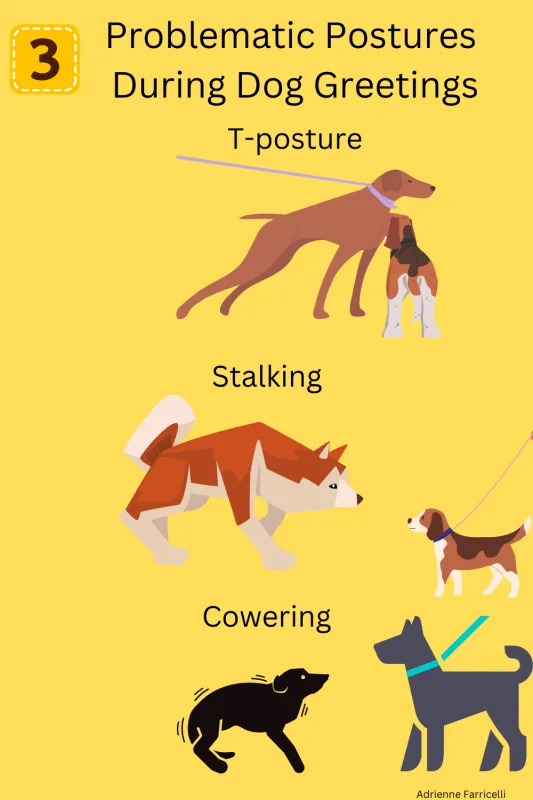
Not all dog meetings go smoothly. Watch your dog and step in if signs of stress appear. Respect each dog’s space.
- Let dogs sniff briefly before full play.
- Look for loose body language and wagging tails.
- Stop interaction if growling or stiff posture occurs.
- Use a calm voice to guide your dog.
- Reward friendly and gentle behavior.
Dealing With Aggression
Dogs may show aggression for many reasons. It is important to understand why your dog acts this way.
Knowing how to handle aggression keeps both you and your dog safe. Let’s learn about recognizing and calming it.
Recognizing Aggressive Behavior
Aggressive dogs show signs before they bite or growl. Watch for these early signals to stop problems.
- Growling or snarling
- Raised fur on the back
- Showing teeth
- Stiff body posture
- Direct, hard staring
- Snapping or lunging
Notice if your dog avoids eye contact or hides. Fear can cause aggression too.
Calming Strategies
Stay calm when your dog shows aggression. Your calmness helps your dog feel safe.
Use these ways to calm your dog and reduce aggression.
- Speak in a soft, gentle voice
- Give your dog space to relax
- Offer a favorite toy or treat
- Avoid sudden movements or loud noises
- Use a leash to control your dog outside
Keep a routine for your dog. Regular walks and playtime help reduce stress.
When To Seek Professional Help
Some aggressive behaviors need expert help. A trainer or vet can guide you.
Look for these signs to get help quickly.
- Frequent biting or snapping
- Aggression that gets worse over time
- Aggression toward family members
- Fear or anxiety causing aggression
- Uncontrollable aggressive episodes
Professionals use safe training to change your dog’s behavior. Don’t wait to ask for help.

Credit: www.positivepetsboise.com
Reducing Anxiety And Stress
Dogs can feel anxious or stressed just like people. It is important to help them feel calm and safe. Reducing anxiety improves their health and happiness.
Understanding what causes anxiety in dogs is the first step. Then, you can create a calm environment and use tools that help them relax.
Identifying Anxiety Triggers
Watch your dog’s behavior closely to find out what makes them anxious. Common triggers include loud noises, new places, and separation from owners.
Knowing these triggers helps you avoid or prepare your dog for stressful situations. This reduces fear and nervousness.
- Loud noises like fireworks or thunder
- Strangers or new people
- Being left alone
- Changes in routine or environment
Creating A Safe Space
Make a quiet, comfortable area where your dog feels safe. This spot should be away from noise and busy rooms.
Fill the space with soft bedding and favorite toys. Let your dog go there when feeling scared or upset.
- Choose a quiet corner or room
- Use blankets or beds for comfort
- Keep familiar toys nearby
- Keep the area clean and calm
Using Calming Aids
Calming aids help reduce stress and anxiety in dogs. These include natural supplements, calming sprays, and pressure wraps.
Use these aids as directed and watch your dog’s response. They can be very helpful during storms, travel, or vet visits.
- Natural supplements like chamomile or CBD
- Calming sprays with pheromones
- Pressure wraps or anxiety vests
- Soft music or white noise machines
Enhancing Mental Stimulation
Mental stimulation keeps dogs sharp and happy. It helps reduce stress and bad habits.
Providing activities that challenge your dog’s brain is important. This supports their overall well-being.
Interactive Toys And Games
Interactive toys make dogs think and solve problems. These toys can hide treats or require actions to unlock rewards.
- Puzzle feeders that release food slowly
- Tug toys that encourage play and focus
- Toys with hidden compartments for treats
- Fetch games that involve commands
Training Challenges
Training sessions help dogs learn new skills and stay alert. Changing commands and tricks keeps training fresh.
| Training Type | Benefit |
| Basic obedience | Improves focus and communication |
| Trick training | Enhances problem-solving skills |
| Agility practice | Boosts physical and mental agility |
Regular Exercise Benefits
Exercise is good for the dog’s body and brain. It releases energy and lowers anxiety.
Regular walks and playtime improve mental health. Here are simple ways to add mental exercise:
- Take new walking routes to explore
- Play hide and seek with toys or treats
- Use commands during exercise to boost focus
Building A Strong Bond
Building a strong bond with your dog helps create trust and happiness. It makes your dog feel safe and loved every day.
Spending time and understanding your dog’s needs are keys to a close relationship. This guide covers simple ways to connect better.
Quality Time Activities
Doing activities together strengthens your bond. Try fun and calm moments that your dog enjoys.
- Go for daily walks in quiet places
- Play gentle games like fetch or tug-of-war
- Practice simple training tricks with treats
- Give your dog a massage or gentle petting
- Set aside quiet time to just sit and relax
Reading Your Dog’s Needs
Knowing what your dog feels helps you respond well. Watch their body language and sounds closely.
| Behavior | Meaning |
| Tail wagging | Happy and excited |
| Whining | Needs attention or feels anxious |
| Avoiding eye contact | Feeling scared or unsure |
| Yawning | Calming down or stressed |
Rewarding Good Behavior
Reward your dog to encourage good actions. Use treats, praise, or play as rewards.
Try these reward ideas:
- Give a small treat after sitting on command
- Use a happy voice to say “good dog”
- Offer extra playtime after calm behavior
- Give gentle petting as a reward
Frequently Asked Questions
What Causes Sudden Changes In Dog Behavior?
Sudden dog behavior changes can result from illness, stress, or environmental shifts. Always consult a vet for accurate diagnosis. Early detection helps in effective treatment and prevents worsening issues. Observing your dog closely aids in identifying triggers and patterns.
How Can I Stop My Dog From Barking Excessively?
Excessive barking often stems from boredom, anxiety, or alertness. Training, exercise, and mental stimulation reduce barking. Use positive reinforcement to reward quiet behavior. Consistency and patience are key for long-term success.
Why Does My Dog Chew Furniture Aggressively?
Dogs chew to relieve teething pain, boredom, or anxiety. Providing appropriate chew toys redirects this behavior. Regular exercise and attention reduce destructive chewing. If needed, consult a trainer to address underlying issues.
How Do I Socialize My Dog Properly?
Socialize your dog gradually with people and other animals. Positive experiences build confidence and reduce fear. Start in controlled environments and increase exposure over time. Early socialization improves overall behavior and adaptability.
Conclusion
Understanding dog behavior strengthens the bond with your furry friend. Patience and consistency are key in addressing any issues. Every dog is unique, with its own personality. Observing and learning can enhance your communication. Training and socialization play a crucial role.
They help in developing a well-behaved companion. Always consider professional help if needed. Enjoy the journey of understanding your dog’s world. It leads to a happier life together. Remember, a little effort goes a long way. Your dog appreciates your time and love.
Keep learning and growing with your pet.

Emily Barker is the founder of ChillDogLife.com, a space dedicated to helping pup parents discover the best dog products, lifestyle tips, and cozy ideas for happier homes.
A lifelong dog lover, Emily combines her passion for pets with a knack for research to share trusted recommendations on everything from toys and furniture to health and everyday care.
Her goal is simple: to make life easier, stylish, and more joyful for dogs and the people who love them.




