Is your dog acting out in ways that confuse or frustrate you? You’re not alone.
Many dog owners face behavior problems that seem hard to fix. But understanding why your dog behaves a certain way is the first step to solving those issues. Imagine having a calm, happy dog who listens and behaves well. This article will help you uncover the reasons behind common dog behavior problems and show you simple, effective ways to improve your dog’s actions.
Keep reading to discover how you can create a stronger, more joyful bond with your furry friend.
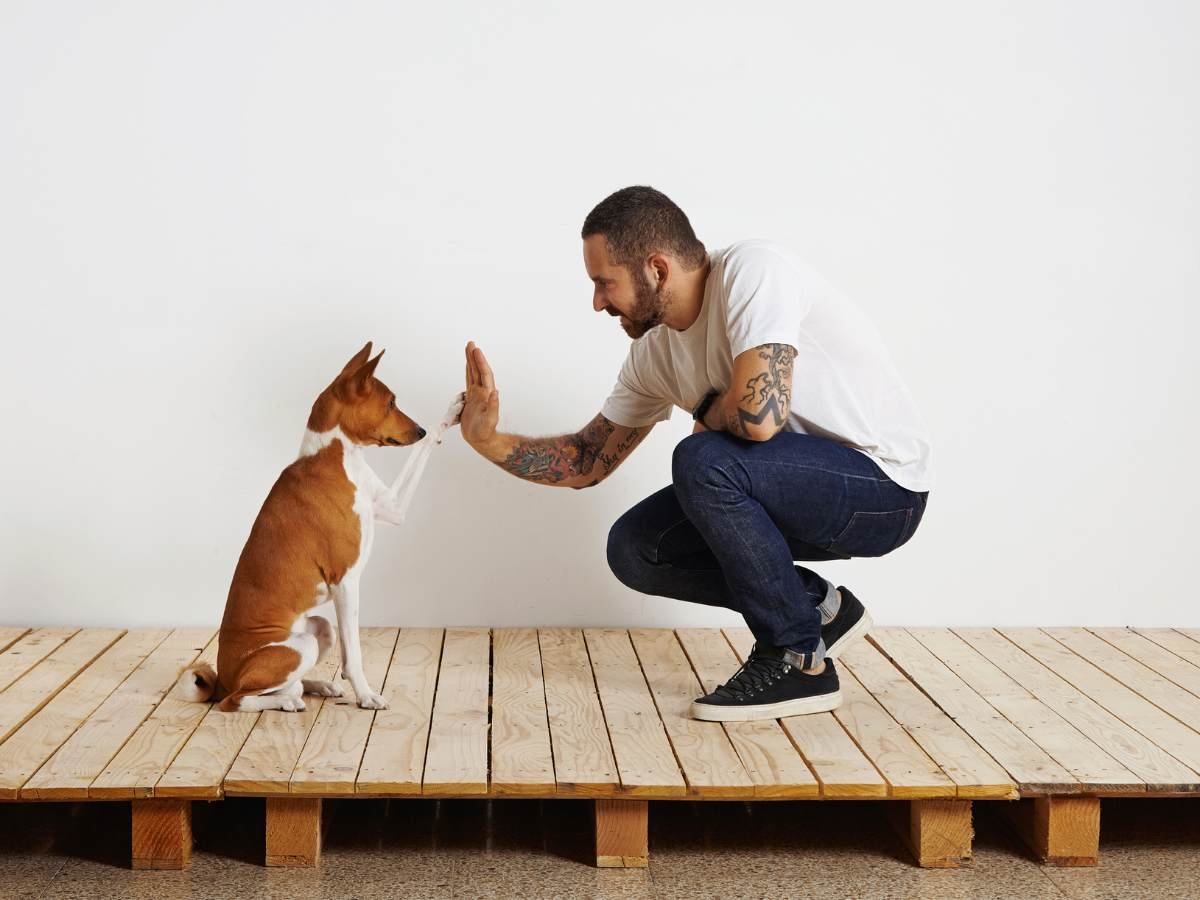
Credit: hellopetsinc.com
Common Dog Behavior Problems
Dogs can show behaviors that confuse or frustrate their owners. These problems often happen because dogs feel scared, bored, or stressed.
Understanding common dog behavior problems helps owners manage and improve their pets’ actions.
Aggression And Barking
Aggression in dogs can look like growling, biting, or lunging. Barking may be loud and frequent, disturbing people nearby.
Dogs use barking to alert or express fear. Aggression can come from fear, pain, or protecting territory.
- Fear and anxiety often cause aggression
- Barking can signal boredom or alertness
- Training and socializing reduce these behaviors
Destructive Chewing
Chewing is natural for dogs but can become a problem when they destroy furniture or shoes. Puppies often chew more as they grow.
Dogs chew to relieve stress or boredom. Providing toys helps stop damage to household items.
- Chew toys keep dogs busy
- Exercise reduces destructive chewing
- Supervision stops bad habits early
Separation Anxiety
Dogs with separation anxiety get upset when left alone. They may howl, bark, or try to escape.
This anxiety happens because dogs feel lonely or scared. Gradual training helps dogs feel safe alone.
- Short absences build confidence
- Create a calm environment
- Use toys or treats during departures
House Soiling
House soiling means dogs urinate or poop inside the house. It is common in puppies and stressed dogs.
Causes include health issues, lack of training, or changes at home. Consistent routines help dogs learn proper bathroom habits.
- Regular bathroom breaks
- Positive reward for outdoor toileting
- Check health if problems continue
Excessive Digging
Digging is a natural dog behavior but can cause garden damage. Dogs dig to play, hide toys, or escape.
Bored or anxious dogs dig more. Offering enough exercise and attention helps reduce digging.
- Provide digging spots in the yard
- Give enough physical activity daily
- Use barriers to protect plants
Root Causes Of Behavior Issues
Understanding why dogs misbehave helps improve their actions. Many factors contribute to behavior problems in dogs. Identifying these causes is the first step to finding solutions.
Addressing root causes can lead to a happier and more well-behaved pet. Let’s explore some common reasons behind dog behavior issues.
Lack Of Training
Training is crucial for dogs to learn acceptable behavior. Without it, they may not know how to act properly.
- Basic commands like sit, stay, and come are essential.
- Training sessions should be consistent and positive.
- Praise and rewards encourage good behavior.
Boredom And Lack Of Exercise
Dogs need physical and mental stimulation to stay happy. When they are bored, they may find ways to entertain themselves, often in destructive ways.
| Activity | Duration |
| Walks | 30 minutes daily |
| Playtime | 15 minutes twice a day |
| Training games | 10 minutes daily |
Fear And Stress
Fear and stress can cause dogs to behave unpredictably. Identifying the sources of stress can help in addressing these issues.
Health-related Problems
Sometimes, behavior issues arise from underlying health problems. Regular veterinary check-ups can help detect these issues early.
Addressing health problems can lead to improvement in a dog’s behavior. Always consult a vet if you notice sudden changes.
Quick Fixes For Behavior Problems
Dogs sometimes show behavior problems that need quick attention. Fixing these issues helps your dog feel safe and happy. Simple actions can change bad habits fast.
Use easy methods to guide your dog’s behavior. These tips make training easier for both you and your pet.
Positive Reinforcement Techniques
Reward good behavior to encourage your dog. Use treats, praise, or toys when your dog acts well. This helps your dog learn what you want.
- Give a treat when your dog sits on command.
- Praise your dog with a happy voice for calm behavior.
- Play with your dog after good manners.
- Be consistent and reward immediately.
Consistent Routine And Boundaries
Dogs feel safe with clear rules and daily routines. Set regular times for feeding, walks, and play. Boundaries help your dog know what is allowed.
| Time | Activity | Purpose |
| 7:00 AM | Morning walk | Burn energy |
| 8:00 AM | Breakfast | Routine meal |
| 6:00 PM | Evening playtime | Bond and train |
| 9:00 PM | Quiet time | Rest and calm |
Effective Use Of Commands
Use simple words for commands. Speak clearly and use the same word every time. Praise your dog when it listens.
- Choose short commands like “sit,” “stay,” or “come.”
- Say the command once and wait for the response.
- Use treats or praise to reward quick responses.
- Repeat training sessions daily for best results.
Redirecting Negative Behavior
If your dog acts badly, redirect its attention. Use toys or a new activity to stop bad habits. Avoid yelling or punishment.
Try these redirection tips:
- Offer a chew toy instead of your shoe.
- Call your dog to play when it barks too much.
- Take your dog outside if it digs indoors.
- Stay calm and patient while redirecting.
When To Seek Professional Help
Dogs can show behavior problems for many reasons. Some problems are easy to fix at home. Others need help from a professional.
Knowing when to get expert help can save your dog stress and keep your home safe and happy.
Signs You Need A Trainer
Some dog behaviors are hard to manage alone. You may need a trainer if your dog shows signs like aggression or fear.
Look for these common signs that point to needing a trainer:
- Dog bites or snaps at people or pets
- Severe fear or anxiety in new places
- Constant barking that does not stop
- Destructive chewing or digging inside the house
- Refusal to obey basic commands
Choosing The Right Behaviorist
Behaviorists study why dogs act the way they do. They help fix deeper problems than trainers usually handle.
Pick a behaviorist who fits your dog’s needs. Look for these qualities:
- Certified by a recognized animal behavior group
- Experience with your dog’s breed and issues
- Uses positive and gentle training methods
- Good communication skills for clear advice
- Offers a clear plan after the first visit
What To Expect In A Consultation
The first consultation helps the behaviorist understand your dog’s problems. You will talk about your dog’s history and habits.
During the visit, the behaviorist may watch your dog’s actions and ask questions.
- Discuss your dog’s daily routine and environment
- Identify triggers for bad behavior
- Explain training methods and goals
- Set up a follow-up plan for progress checks
- Answer your questions about care and training
Preventing Future Behavior Issues
Many behavior problems in dogs start because of missed chances to learn good habits. Preventing these issues early helps dogs grow into well-behaved pets.
Training and care are keys to stop bad behavior. You can create a happy and safe life for your dog with the right steps.
Early Socialization Tips
Introducing your dog to new people, places, and animals early helps them stay calm and friendly. Socialization builds confidence and reduces fear.
- Expose puppies to different sounds and sights gently
- Arrange playdates with other vaccinated dogs
- Take walks in busy parks to meet new people
- Use treats and praise during new experiences
- Watch for signs of stress and give breaks
Regular Mental And Physical Exercise
Dogs need both exercise and mental challenges every day. This keeps their minds sharp and bodies healthy. It also lowers bad behavior caused by boredom.
- Take your dog on daily walks or runs
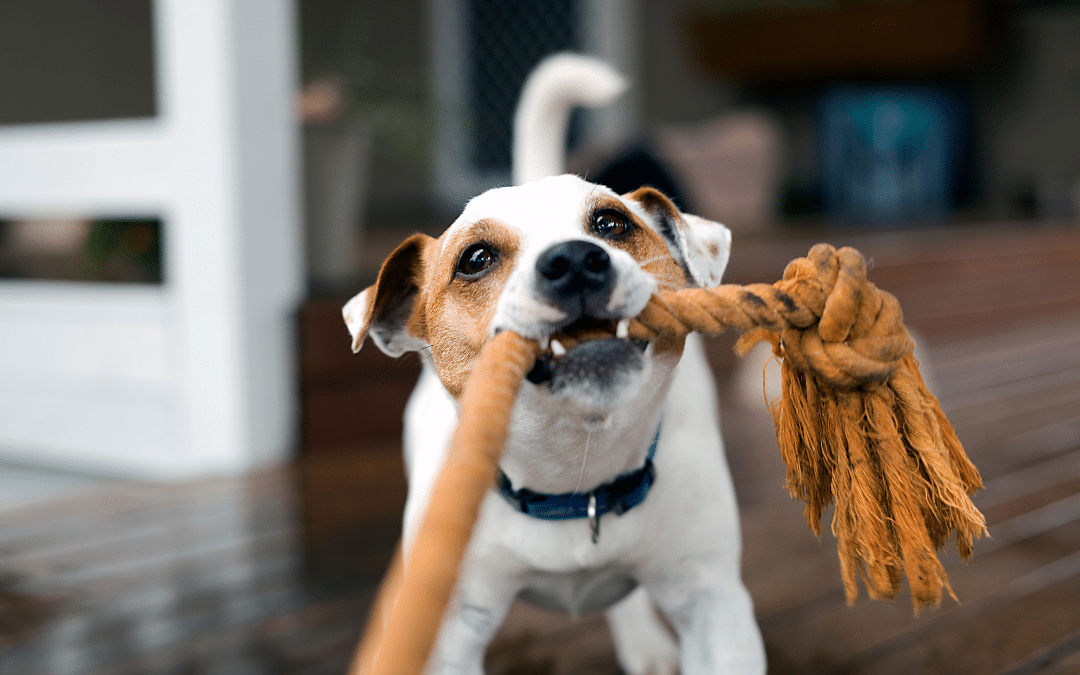
- Play fetch or tug-of-war games
- Teach new commands or tricks regularly
- Use puzzle toys that hide treats
- Change activities often to keep interest
Creating A Safe Environment
A safe space helps dogs feel secure and lowers anxiety. This reduces the chance of behavior problems like chewing or barking.
| Safety Tip | Reason |
|---|---|
| Provide a quiet area with a bed | Gives a place to relax and feel safe |
| Keep harmful items out of reach | Prevents accidents and destructive chewing |
| Use baby gates to block off unsafe rooms | Limits access to areas with dangers |
| Remove loud noises or sudden disruptions | Reduces stress and fear |
| Offer consistent feeding and walking times | Builds routine and trust |

Credit: www.dogwise.com
Credit: drbillspetnutrition.com
Frequently Asked Questions
What Causes Common Dog Behavior Problems?
Common dog behavior problems stem from lack of training, fear, anxiety, or insufficient exercise. Understanding your dog’s needs helps prevent issues. Early socialization and consistent routines reduce behavioral challenges significantly.
How Can I Stop My Dog’s Destructive Chewing?
Provide plenty of chew toys and regular exercise. Redirect chewing to appropriate items. Consistent training and supervision prevent destructive habits. Address boredom and anxiety to reduce chewing behavior effectively.
Why Does My Dog Bark Excessively?
Dogs bark to communicate, express excitement, or alert danger. Excessive barking may signal boredom, anxiety, or lack of attention. Identifying triggers and training calm responses help control barking. Regular exercise reduces excess energy and noise.
How Do I Handle Aggressive Dog Behavior?
Aggression often results from fear, territorial instincts, or pain. Consult a professional trainer for assessment and guidance. Avoid punishment; use positive reinforcement and socialization. Early intervention is crucial for safer behavior.
Conclusion
Understanding dog behavior problems helps create a happier home. Consistent training and patience improve your dog’s actions. Each dog is unique and needs gentle guidance. Small steps lead to big changes over time. Stay calm and positive during every challenge faced.
Seek help from experts if problems persist. Good habits build trust between you and your pet. Enjoy the journey of learning together. A well-behaved dog brings joy to all family members. Keep love and care at the heart of training.

Emily Barker is the founder of ChillDogLife.com, a space dedicated to helping pup parents discover the best dog products, lifestyle tips, and cozy ideas for happier homes.
A lifelong dog lover, Emily combines her passion for pets with a knack for research to share trusted recommendations on everything from toys and furniture to health and everyday care.
Her goal is simple: to make life easier, stylish, and more joyful for dogs and the people who love them.




