
Have you noticed your dog acting differently as they get older? Changes in behavior can be confusing and sometimes worrying.
You might wonder if it’s just aging or something more serious. Understanding these shifts can help you respond with patience and care. You’ll discover common signs of elderly dog behavior changes and what you can do to make your furry friend’s golden years comfortable and happy.
Keep reading to learn how to support your loyal companion every step of the way.
Credit: www.dwdogtraining.com
Common Behavior Changes In Senior Dogs
As dogs get older, their behavior can change in many ways. These changes are normal and often show signs of aging. Understanding these changes helps owners care for their pets better.
Senior dogs may act differently because of health, comfort, or mental changes. Watching for these behaviors can improve their quality of life.
Reduced Activity Levels
Older dogs often move less than before. They may tire quickly or avoid long walks. Joint pain or arthritis can make activity harder.
Reduced energy means your dog may sleep more during the day. It is important to encourage gentle play and short walks to keep them healthy.
Increased Anxiety Or Restlessness
Senior dogs can feel more anxious or restless. They may pace, whine, or act nervous without clear reasons. Changes in the brain can cause this behavior.
New or loud noises might scare them more. A calm and quiet environment helps reduce their stress levels.
Changes In Sleep Patterns
Older dogs often change how they sleep. They may wake up more at night or nap during the day. These shifts can be due to health or brain changes.
It is normal for senior dogs to need different sleep routines. Providing a comfortable bed in a quiet spot can improve their rest.
Altered Social Interactions
Senior dogs may act differently around people and other pets. They might want more or less attention. Some dogs become shy or less playful.
Changes in hearing or sight can affect how they respond. Patience and gentle interaction help maintain good relationships.
Credit: www.dwdogtraining.com
Physical Signs Affecting Behavior
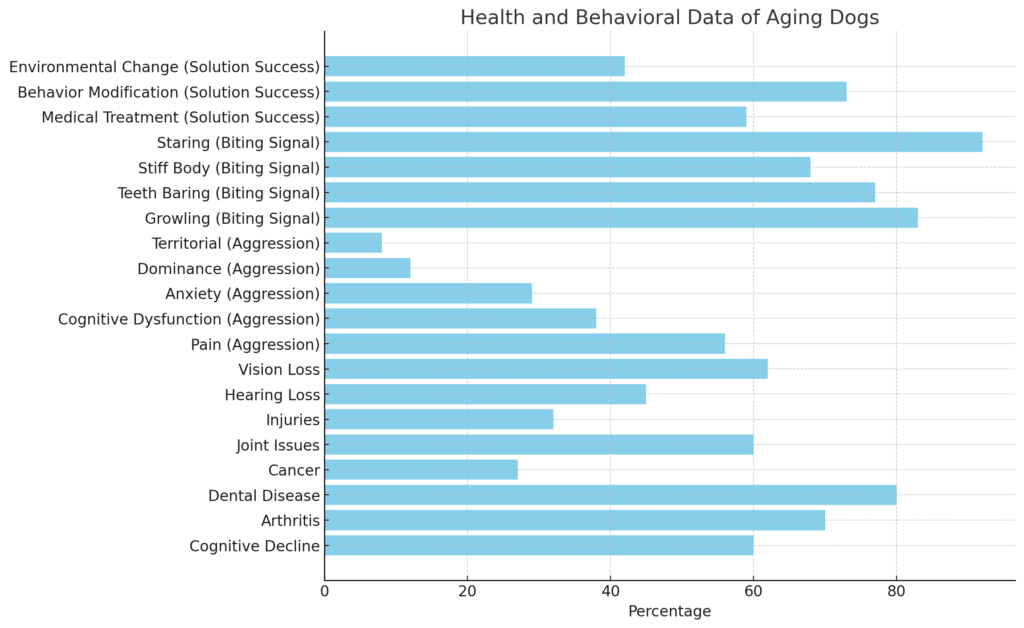
Older dogs often show changes in behavior. These changes can come from physical health problems. Understanding these signs helps us care for them better.
Physical issues may make dogs act differently. They might seem confused, tired, or less friendly. These signs are important to notice.
Hearing And Vision Loss
Hearing loss is common in elderly dogs. They may not hear calls or loud noises well. This can make them more cautious or scared.
Vision loss also affects behavior. Dogs might bump into things or hesitate to move. They may seem less active or more anxious.
- Less response to sounds or commands
- Startle easily from sudden movements
- Hesitate to explore new places
- Increased clinginess or withdrawal
Chronic Pain And Discomfort
Chronic pain can come from arthritis or other illnesses. Pain makes dogs less playful and more irritable. They may growl or snap when touched.
Discomfort affects sleep and eating habits. Dogs might avoid stairs or jumping. They may also lick or chew sore spots often.
- Less interest in toys or walks
- Changes in eating or drinking
- More frequent rest or hiding
- Signs of distress when moving
Mobility Issues
Mobility problems happen with aging joints and muscles. Dogs may limp or have stiff movements. They might avoid climbing or jumping.
Reduced mobility can cause frustration. Dogs might bark more or seem confused. They may need help to get up or move around.
- Difficulty standing or walking
- Reluctance to go outside
- Changes in bathroom habits
- More resting or less activity
Cognitive Decline Indicators
As dogs age, their brains can change. These changes may cause new behaviors. Watching for signs helps you care for an elderly dog.
Cognitive decline in dogs looks like changes in how they think and act. These signs include confusion, memory loss, and repeated actions.
Confusion And Disorientation
Older dogs may get lost in familiar places. They might seem unsure about where to go or what to do. This confusion can worry owners.
Signs of confusion include:
- Staring at walls or corners
- Getting stuck in tight spaces
- Not recognizing people or pets
- Wandering aimlessly
Memory Loss
Memory loss makes dogs forget learned commands or routines. They may not respond to their name. This issue can affect daily life.
| Memory Issue | Example |
|---|---|
| Short-Term Memory | Forgets where food or toys are placed |
| Long-Term Memory | Does not recognize familiar people |
| Routine Memory | Misses usual walking or feeding times |
Repetitive Behaviors
Dogs with cognitive decline may repeat actions often. These behaviors can be signs of stress or confusion.
- Walking in circles
- Excessive licking or chewing
- Repeated barking or whining
- Going to the same spot to rest
Credit: www.dwdogtraining.com
When To Seek Veterinary Advice
Older dogs often change their behavior as they age. Some changes are normal, but others need a vet’s attention.
Knowing when to seek help can keep your dog healthy and comfortable. Watch for signs that are sudden or unusual.
Sudden Behavior Shifts
If your dog’s behavior changes quickly, it might mean pain or illness. Sudden fear, confusion, or hiding are warning signs.
- Stops responding to commands
- Becomes unusually restless or agitated
- Shows signs of confusion or disorientation
- Suddenly avoids family members
Signs Of Aggression
New aggression is a serious sign. It may result from pain, anxiety, or illness in older dogs.
| Behavior | Possible Cause |
| Growling or snapping | Pain or discomfort |
| Guarding food or toys | Fear or anxiety |
| Unprovoked biting | Neurological issues |
| Sudden irritability | Medical problems |
Loss Of Appetite Or Weight
Weight loss or eating less can signal health problems. This change can weaken your dog quickly.
Watch for these signs:
- Eating less than usual for several days
- Sudden weight loss without diet change
- Refusing favorite treats or food
- Vomiting or diarrhea with appetite loss
Tips To Support Your Aging Dog
As dogs grow older, their behavior and needs change. They might move slower or sleep more. They may also need extra care to stay happy and healthy.
Here are some tips to help you support your elderly dog. These ideas can improve their comfort, keep their mind sharp, and maintain their health.
Creating A Comfortable Environment
Older dogs need a cozy place to rest and feel safe. Make sure their bed is soft and easy to get in and out of. Keep their space quiet and free from hazards.
Use ramps or steps if they have trouble jumping. Keep food and water bowls within easy reach. A calm environment helps reduce stress and confusion.
- Provide a soft, warm bed
- Use ramps for stairs or furniture
- Place bowls where your dog can reach easily
- Keep the area quiet and safe
Regular Exercise And Mental Stimulation
Exercise helps elderly dogs stay strong and flexible. Short, gentle walks are best. Avoid hard running or jumping to protect their joints.
Keep their mind active with simple games and training. Toys that challenge their thinking can prevent boredom. Mental activity can also slow down memory loss.
- Take short, daily walks
- Play gentle games like fetch or tug
- Use puzzle toys for mental exercise
- Practice easy commands regularly
Diet And Nutrition Adjustments
Older dogs need food that matches their slower metabolism. Choose diets that support joint health and have fewer calories. Good nutrition helps maintain weight and energy.
Talk to your vet about supplements. Omega-3 fatty acids and vitamins can improve coat and brain health. Always provide fresh water to keep your dog hydrated.
- Feed a balanced, senior dog diet
- Control portion sizes to avoid weight gain
- Consider supplements recommended by your vet
- Provide clean, fresh water at all times
Frequently Asked Questions
What Are Common Behavior Changes In Elderly Dogs?
Elderly dogs often show reduced activity, increased anxiety, and confusion. They may also sleep more and have altered social interactions. These changes are normal signs of aging but should be monitored for health concerns.
How To Manage Anxiety In Aging Dogs?
To manage anxiety, create a calm environment and maintain routines. Use gentle reassurance and consider natural supplements or consult a vet for medication. Regular exercise and mental stimulation can also reduce anxiety in elderly dogs.
Why Do Older Dogs Become Less Active?
Older dogs have less energy due to joint pain, muscle loss, and slower metabolism. Reduced activity helps conserve energy and manage discomfort. Regular, gentle exercise supports mobility and overall health in senior dogs.
When Should I Consult A Vet About Behavior Changes?
Consult a vet if your dog shows sudden aggression, confusion, or drastic behavior shifts. These may indicate health issues like cognitive decline or pain. Early diagnosis helps manage problems and improves quality of life.
Conclusion
Understanding your elderly dog's behavior is vital. Changes can seem concerning. But, they’re often normal with age. Pay close attention to their needs. Regular vet visits help spot health issues early. A warm, loving environment ensures comfort. Simple adjustments can improve their quality of life.
Patience and kindness go a long way. Remember, they’re still the same loving companion. Just older. Cherish every moment you have together. Your bond remains unbreakable. Care and understanding make this stage easier for both. Stay informed and proactive. Your furry friend deserves the best in their golden years.

Emily Barker is the founder of ChillDogLife.com, a space dedicated to helping pup parents discover the best dog products, lifestyle tips, and cozy ideas for happier homes.
A lifelong dog lover, Emily combines her passion for pets with a knack for research to share trusted recommendations on everything from toys and furniture to health and everyday care.
Her goal is simple: to make life easier, stylish, and more joyful for dogs and the people who love them.




