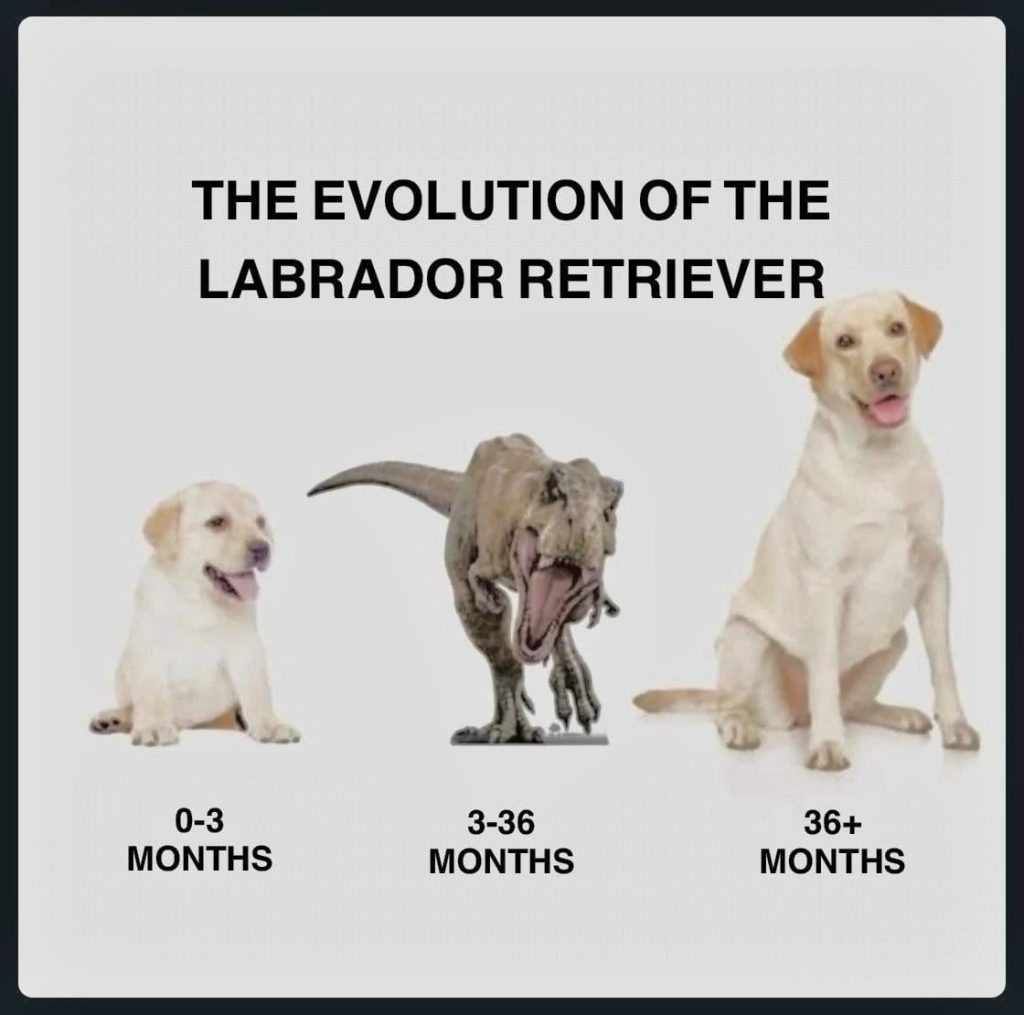
Have you noticed your dog acting differently all of a sudden? Maybe they’re more aggressive, withdrawn, or restless than usual.
These sudden behavior changes can be worrying and confusing for any pet owner. Understanding why your dog is acting this way is crucial—not just for their happiness, but for their health too. You’ll discover the common causes behind these shifts and what you can do to help your furry friend feel like themselves again.
Don’t ignore these signs—read on to protect your dog’s well-being and strengthen the bond you share.
Common Causes
Sudden behavior changes in dogs can worry pet owners. Understanding the causes helps in addressing these issues effectively.
Dogs may act differently due to health, environment, emotions, or age-related factors.
Health Issues
Health problems can make dogs behave oddly. Pain or discomfort affects their mood and actions.
- Infections can cause irritability.
- Arthritis may lead to less activity.
- Dental issues might result in aggression.
Environmental Changes
Moving to a new house or adding a family member can unsettle dogs. They thrive on routine and familiar surroundings.
Emotional Stress
Dogs feel stress like humans. Loud noises or being alone for long hours can stress them out.
| Stress Factor | Possible Reaction |
| Separation | Barking or whining |
| Loud noises | Hiding or shaking |
| New pets | Territorial behavior |
Training And Socialization
Poor training can lead to bad behavior. Early socialization helps dogs feel comfortable around people and other animals.
Age-related Factors
As dogs age, their behavior can change. Older dogs may show signs of confusion or forgetfulness.
- Watch for signs of dementia.
- Provide comfortable resting areas.
- Maintain a consistent routine.
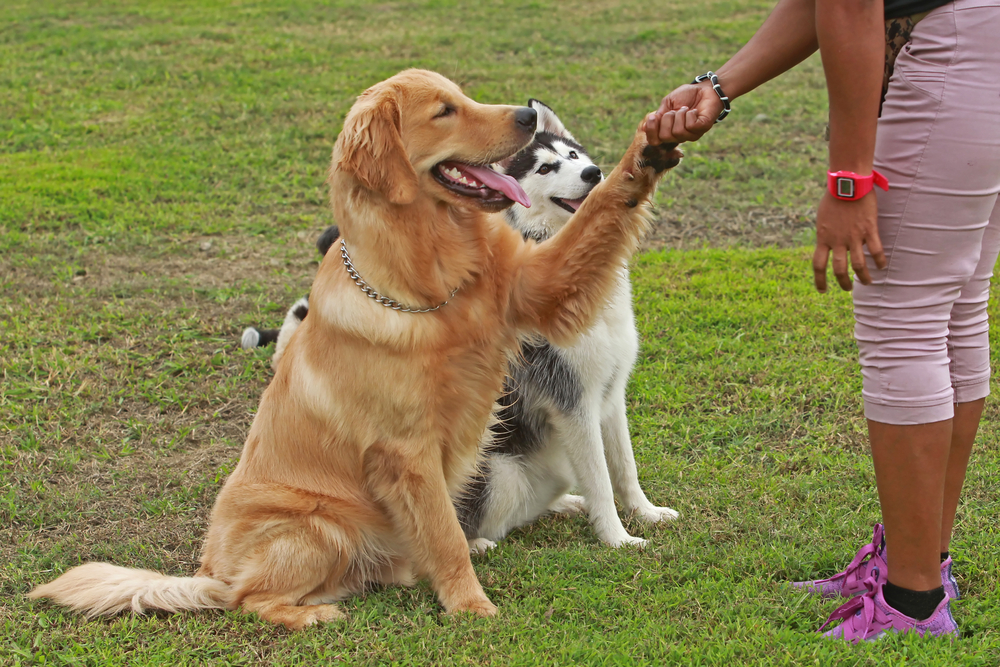
Credit: tcah.info
Recognizing Signs
Sudden behavior changes in dogs can signal health or emotional problems. Owners should watch closely for unusual actions.
Recognizing these signs early helps keep your dog safe and healthy. Look for any changes that seem out of place.
Aggression
A dog that suddenly becomes aggressive may growl, snap, or bite without clear reason. This can be a sign of pain or fear.
Aggression can also happen if your dog feels threatened or stressed. Watch for stiff body language or raised hackles.
- Growling or snarling at people or other animals
- Snapping or biting during normal interactions
- Stiff posture and intense staring
- Sudden guarding of food or toys
Withdrawal And Hiding
A dog that hides or avoids people may feel scared or unwell. This change can be sudden and last for days.
Withdrawal is a sign your dog may need medical or emotional care. Notice if your dog stops joining family activities.
- Hiding in corners or under furniture
- Avoiding eye contact and touch
- Less interest in playtime or walks
- Reduced movement or energy
Excessive Barking Or Whining
Dogs may bark or whine more if they feel anxious or uncomfortable. Sudden increases can show stress or pain.
Listen for changes in your dog’s usual sounds. New or louder barking may need attention.
- Barking at no clear cause
- Whining or crying more than usual
- Restlessness or pacing
- Difficulty settling down
Changes In Appetite
A sudden loss or increase in appetite can indicate illness or stress. Watch for refusal to eat or eating too fast.
Changes in appetite may also affect your dog’s weight and energy. Keep track of how much your dog eats daily.
- Refusing favorite foods
- Eating more or less than normal
- Drooling or gagging during meals
- Weight loss or gain
Destructive Behavior
Sudden chewing, digging, or scratching can mean your dog is stressed or bored. These actions may damage your home.
Destructive behavior can also signal pain or anxiety. Notice if your dog targets specific objects or areas.
- Chewing furniture, shoes, or belongings
- Digging holes in the yard or carpets
- Scratching doors or walls
- Repeatedly destroying toys or objects
Immediate Actions
Sudden behavior change in a dog can signal a serious problem. Acting quickly helps keep your dog safe and healthy.
Knowing what to do right away can reduce risks and improve your dog’s condition.
Assessing The Situation
Look closely at your dog’s new behavior. Check if there are any signs of injury or illness. Try to find what caused the change.
- Note if your dog is eating or drinking less
- Look for changes in energy or activity levels
- Watch for signs of pain, like whining or limping
- Check for unusual aggression or fear
- See if your dog is isolating itself or hiding
Consulting A Veterinarian
Contact your vet as soon as possible. Describe the behavior change clearly. Your vet will guide you on what to do next.
| Action | Details |
| Call Vet | Explain symptoms and behavior clearly |
| Visit Vet | Bring your dog for a full check-up |
| Follow Advice | Give prescribed medicine or treatments |
Monitoring Behavior Patterns
Keep a daily record of your dog’s actions. Note any changes or repeats in behavior. This helps the vet find the cause.
- Write down times and descriptions of behavior
- Note triggers or events before the change
- Record food, sleep, and bathroom habits
- Share notes with your vet during visits

Credit: www.animalhumanesociety.org
Behavioral Solutions
Sudden changes in your dog’s behavior can be confusing and worrying. Finding the right solutions helps bring back calm and good habits.
Behavioral solutions focus on gentle methods that teach your dog what is expected. This creates trust and reduces stress.
Positive Reinforcement
Positive reinforcement rewards good behavior with treats, praise, or play. This encourages your dog to repeat the actions you want.
- Give a treat when your dog follows a command.
- Use kind words and petting to show approval.
- Offer a favorite toy after good behavior.
- Be consistent with rewards to build good habits.
Consistent Training
Training your dog every day helps reduce confusion and fear. Use the same commands and rules in all situations.
| Training Aspect | Tip |
| Commands | Use clear, short words like “sit” or “stay” |
| Timing | Reward or correct immediately after behavior |
| Environment | Practice in quiet places first, then noisy areas |
| Patience | Keep sessions short and positive |
Socialization Techniques
Meeting other dogs and people in a calm way helps your dog feel safe. Socialization reduces fear and aggression.
Start with quiet meetings. Use treats and praise to make friends. Gradually increase new experiences.
Calming Aids And Tools
Calming aids can help your dog relax during stress. Here are common tools:
- Calming collars with natural scents
- Soft music designed for dogs
- Weighted vests that provide gentle pressure
- Interactive toys to distract and soothe
Preventive Measures
Sudden behavior changes in dogs can signal health or emotional issues. Taking preventive steps helps keep your dog happy and safe.
Preventive care supports your dog's well-being and reduces stress that may cause behavior problems.
Regular Health Checkups
Schedule regular vet visits to catch health issues early. Illness or pain can change your dog’s behavior quickly.
Keep vaccinations and parasite control up to date. Healthy dogs behave more predictably and feel better.
Stable Environment
Dogs need a calm and consistent home to feel safe. Sudden changes in their surroundings may cause stress or fear.
Keep feeding times, sleeping areas, and family routines steady. This stability helps prevent anxiety and confusion.
Routine Exercise
Regular walks and playtime reduce stress and excess energy. Exercise helps your dog stay calm and focused.
Set a daily exercise schedule. Consistent physical activity keeps your dog healthy and less likely to act out.
- Walks at the same time each day
- Play fetch or tug-of-war
- Short training sessions during exercise
Mental Stimulation
Mental challenges keep your dog’s brain active and reduce boredom. Bored dogs may develop unwanted habits.
Use puzzle toys, training, and new commands to engage your dog’s mind. This prevents frustration and improves behavior.
- Introduce new tricks regularly
- Use treat-dispensing toys
- Rotate toys to keep interest high
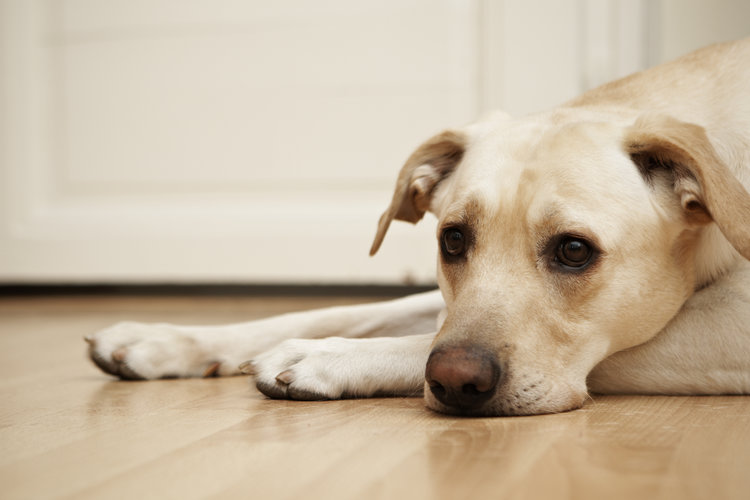
Credit: avsab.org
Frequently Asked Questions
Why Does My Dog Suddenly Change Behavior?
Sudden behavior changes in dogs often signal health or emotional issues. Causes include pain, anxiety, illness, or stress. Observing these signs early helps in timely diagnosis and treatment. Consulting a vet ensures your dog’s well-being and prevents worsening conditions.
How To Identify Stress-related Behavior In Dogs?
Signs of stress in dogs include pacing, whining, panting, and hiding. Changes in appetite and aggression also indicate stress. Recognizing these behaviors early allows owners to provide comfort and reduce triggers, promoting a calm and happy pet.
When Should I Consult A Vet For Behavior Change?
Consult a vet if your dog’s behavior change lasts more than two days. Immediate vet visits are crucial for sudden aggression, withdrawal, or physical symptoms. Early diagnosis prevents serious health issues and improves treatment success.
Can Diet Affect My Dog’s Behavior Suddenly?
Yes, poor nutrition or food allergies can cause behavior changes. Nutrient deficiencies may lead to irritability or lethargy. Always provide a balanced diet and consult your vet if you notice unusual behavior after dietary changes.
Conclusion
Sudden behavior change in your dog needs careful attention. It can signal health or emotional problems. Watch your dog closely and note any changes. Talk to a vet to find the cause quickly. Early action can make a big difference.
Keep your dog’s routine calm and steady. Patience and care help your dog feel safe again. Stay alert and trust your instincts about your pet.

Emily Barker is the founder of ChillDogLife.com, a space dedicated to helping pup parents discover the best dog products, lifestyle tips, and cozy ideas for happier homes.
A lifelong dog lover, Emily combines her passion for pets with a knack for research to share trusted recommendations on everything from toys and furniture to health and everyday care.
Her goal is simple: to make life easier, stylish, and more joyful for dogs and the people who love them.




