
Have you ever caught your dog staring at you and wondered what it really means? That steady gaze can feel a little strange or even confusing.
But your dog’s stare is more than just a random glance—it’s a way they communicate with you. Understanding this behavior can deepen the bond between you and your furry friend, helping you respond in the best way. Keep reading to discover the surprising reasons behind your dog’s staring and what it’s trying to tell you.
Why Dogs Stare
Dogs use their eyes to talk to us and others. Staring is one way they share feelings and thoughts.
Knowing why dogs stare helps us understand their needs and emotions better.
Seeking Attention
Dogs stare to get your attention. They want you to notice them or play.
- Wanting to go outside
- Hoping for a treat
- Wanting to play
- Needing you to pet them
Expressing Affection
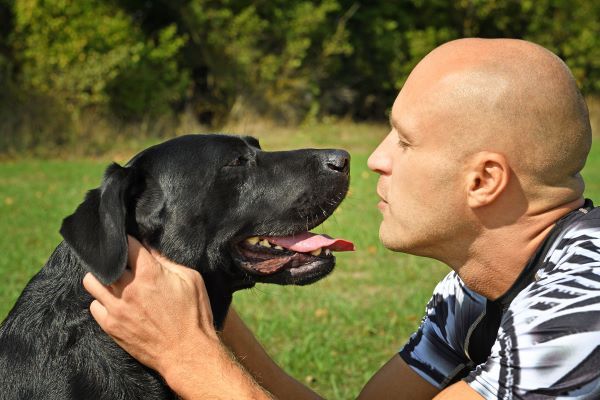
Staring can show love and trust. Dogs look at people they feel close to.
Note:A soft, gentle stare usually means your dog feels safe and happy.
Communicating Needs
Dogs stare to tell you they need something. It could be food, water, or help.
| Need | Reason for Staring |
| Food | Hungry or asking for a snack |
| Water | Thirsty and wants a drink |
| Bathroom | Needs to go outside |
| Comfort | Feeling cold or scared |
Signaling Anxiety Or Stress
Sometimes dogs stare because they feel worried or scared. They look at you for comfort.
- New places or people
- Loud noises
- Being alone
- Health problems
Credit: bowwowinsurance.com.au
Different Types Of Stares
Dogs use their eyes to communicate many feelings. Their stares can tell you what they want or how they feel.
Understanding these stares helps you connect better with your dog. Each type of stare has a special meaning.
Soft, Relaxed Gaze
A soft, relaxed gaze shows that a dog feels calm and safe. Their eyes look gentle and peaceful. They are happy to be near you.
Intense, Focused Stare
An intense stare means the dog is very focused on something. It could be a toy, food, or a person. This stare shows strong interest or alertness.
- Eyes wide open
- Fixed on one spot
- Body may be still or tense
- Usually not blinking much
Blinking And Squinting
Blinking and squinting are signs your dog feels relaxed or friendly. Dogs blink to show they are not a threat. Squinting can mean contentment or mild discomfort.
| Type | Meaning |
|---|---|
| Blinking | Calm and friendly |
| Slow Blink | Trust and comfort |
| Squinting | Relaxed or slight pain |
Wide-eyed Stare
A wide-eyed stare shows surprise or fear. The dog’s eyes look large and round. This stare warns you that the dog feels unsure or scared.
Context Behind The Stare
Dogs use staring to communicate many things. Their gaze can mean different things. It depends on the situation and their feelings.
Understanding why your dog stares helps you read their mood. Let’s look at some common moments when dogs stare.
During Playtime
When dogs stare while playing, they often invite you to join in. This stare shows excitement and focus. They want to share fun moments with you.
- It signals readiness to chase or catch a toy.
- Shows they trust you to play safely.
- Helps them read your reactions during the game.
Before Meal Times
Dogs often stare at their owners before meals. This stare means they expect food soon. It is a way to get your attention and remind you.
| Type of Stare | Meaning |
| Soft, calm stare | Waiting patiently |
| Intense, fixed stare | Hungry and eager |
| Looking at food bowl | Wanting to eat |
When Feeling Threatened
A dog’s stare can change when they feel threatened. Their eyes get wider and their gaze becomes hard. This stare warns others to stay away.
- Direct eye contact without blinking
- Raised fur along the back
- Growling or stiff body posture
After Training Sessions
After training, dogs may stare to seek approval or praise. This stare shows they want feedback. It helps build trust and understanding.
- They look for signs you are happy.
- They want to know if they did well.
- It strengthens your bond through eye contact.

Credit: vetsandcare.hashnode.dev
Body Language Clues
Dogs use their bodies to show what they feel. Watching their body language helps understand their mood.
Staring is one way dogs communicate. Look at other signs to know what staring means.
Tail Position
A dog’s tail tells a lot about its feelings. A still, raised tail can mean alertness or confidence.
- Wagging tail: happy or excited
- Low tail: fear or submission
- Stiff tail: alert or tense
- Tucked tail: scared or anxious
Ear Movement
Ears show where the dog’s attention is. Pointed ears mean focus or curiosity.
Flattened ears often signal fear or stress. Moving ears quickly can mean confusion or excitement.
Posture And Tension
A dog’s body posture reveals its comfort level. A relaxed body means calm, while stiff muscles show tension.
| Posture | Meaning |
| Loose and wiggly | Friendly and relaxed |
| Stiff and upright | Alert or defensive |
| Crouched low | Fearful or submissive |
| Raised hackles | Fear or aggression |
Facial Expressions
Facial cues help read a dog’s feelings. Soft eyes and relaxed mouth mean calmness.
Signs of stress or warning include:
- Whale eye (showing whites of eyes)
- Closed or tight mouth
- Raised lips or growling
- Yawning or licking lips often
Responding To Your Dog’s Stare
Dogs use staring as a way to communicate with their owners. Understanding what your dog’s stare means can help you respond better. Paying attention to your dog’s eyes can build a stronger bond.
Knowing how to react to your dog’s stare can prevent misunderstandings. It also helps your dog feel safe and understood. This guide covers ways to respond to your dog’s stare in a positive way.
Encouraging Positive Communication
Use gentle tones and calm body language when your dog stares at you. This encourages your dog to communicate without fear. Reward your dog with pets or treats when they make soft eye contact.
- Speak softly to soothe your dog
- Use slow blinks to show you are relaxed
- Offer treats for calm staring
- Pet your dog gently to show affection
Avoiding Misinterpretation
A dog’s stare can mean many things. It might show curiosity, fear, or even a warning. Watch your dog’s body language to understand the true meaning of the stare.
| Type of Stare | Possible Meaning | Body Language Clues |
| Soft stare | Seeking attention | Relaxed ears and tail |
| Hard stare | Warning or fear | Tense body, raised hackles |
| Wide eyes | Curiosity | Forward ears, wagging tail |
| Turned away | Submission | Lowered head, tail down |
Using Eye Contact In Training
Eye contact helps your dog focus during training. Teach your dog to look at you before giving commands. This makes training sessions more effective and clear.
- Get your dog’s attention with their name
- Hold a treat near your eyes
- Say “look” and reward when your dog makes eye contact
- Repeat daily for short sessions
When To Seek Professional Help
Some staring behaviors may signal stress or aggression. If your dog stares with tense body language often, consult a trainer or vet. Getting advice early can prevent problems from growing.
- Frequent hard staring with growling or snapping
- Staring that causes anxiety in your dog
- Staring followed by sudden aggressive acts
- Difficulty calming your dog during eye contact
Cultural Beliefs And Myths About Dog Staring
People have many ideas about why dogs stare. These ideas come from different cultures and old stories. Some believe staring means something special or strange.
Understanding these beliefs helps us see how people think about dogs and their behavior. Not all beliefs are true, but they shape how dogs are treated.
Common Misconceptions
Many think dogs stare because they want to control or scare people. Others say a dog staring means it is angry or upset. These ideas are often wrong.
Dogs use staring to communicate in many ways. Sometimes, they stare to ask for food or attention. It does not always mean danger or bad behavior.
Superstitions Around Eye Contact
Some cultures believe dogs’ eye contact has magical powers. In some places, a dog staring is thought to bring good luck. In others, it may warn of bad events.
These superstitions often come from old stories or traditions. They show how humans try to explain animal behavior with spiritual ideas.
- In some countries, a dog staring means protection from evil spirits.
- Other cultures say breaking eye contact with a dog can cause bad luck.
- Some believe a dog’s stare can read a person’s mind or soul.
Scientific Perspectives
Scientists say dogs stare to communicate and learn about their world. Eye contact helps dogs connect with humans and other animals.
Research shows dogs use staring to ask for help or show affection. They do not stare to be mean or scary. Dogs also watch faces to understand feelings.
- Dogs use eye contact to bond with their owners.
- Staring can be a way to ask for food or play.
- Eye contact helps dogs read human emotions.
- Staring is part of dog communication, not a threat.

Credit: bowwowinsurance.com.au
Frequently Asked Questions
Why Do Dogs Stare At Their Owners?
Dogs stare to communicate affection, seek attention, or express curiosity. It helps them bond and understand human emotions.
Is Dog Staring A Sign Of Aggression?
Not always. Dogs may stare to show dominance, but often it means they want to play or get your attention.
Can Dog Staring Indicate Anxiety Or Stress?
Yes, prolonged staring can signal anxiety or discomfort. Observe other body language cues to understand their emotional state.
How Can I Stop My Dog From Staring?
Redirect their focus with toys or commands. Consistent training helps reduce unwanted staring behavior over time.
Conclusion
Understanding why dogs stare helps improve communication with them. Dogs use staring for many reasons, like expressing love or needing something. Pay attention to their body language for more clues. This builds a stronger bond. Always be patient and observe your furry friend.
Each dog’s stare can mean different things. Spend time learning what your dog is trying to say. Their eyes speak a language of their own. Recognize and respect it for a happy relationship. Knowing these cues leads to a happier life together.
Your dog appreciates the understanding.

Emily Barker is the founder of ChillDogLife.com, a space dedicated to helping pup parents discover the best dog products, lifestyle tips, and cozy ideas for happier homes.
A lifelong dog lover, Emily combines her passion for pets with a knack for research to share trusted recommendations on everything from toys and furniture to health and everyday care.
Her goal is simple: to make life easier, stylish, and more joyful for dogs and the people who love them.




