
If you have a female dog, you might have noticed some changes when she’s in heat. Her behavior can suddenly seem confusing or even frustrating.
You’re not alone—many dog owners find this time challenging. But understanding why your dog acts the way she does can make a huge difference. You’ll discover what to expect, how to handle these changes, and ways to keep your dog comfortable and safe.
Keep reading to learn the simple truths about dog behavior when in heat and how you can make this phase easier for both of you.
Heat Cycle Phases
The heat cycle is a natural process in female dogs. It happens every few months and prepares them to have puppies.
The cycle has four main phases. Each phase shows different behaviors and physical changes.
Proestrus Stage
The proestrus stage lasts about 7 to 10 days. During this time, the female dog’s body starts to change.
Her vulva swells and she may have a bloody discharge. She shows more interest in male dogs but will not allow mating yet.
- Swollen vulva
- Bloody discharge
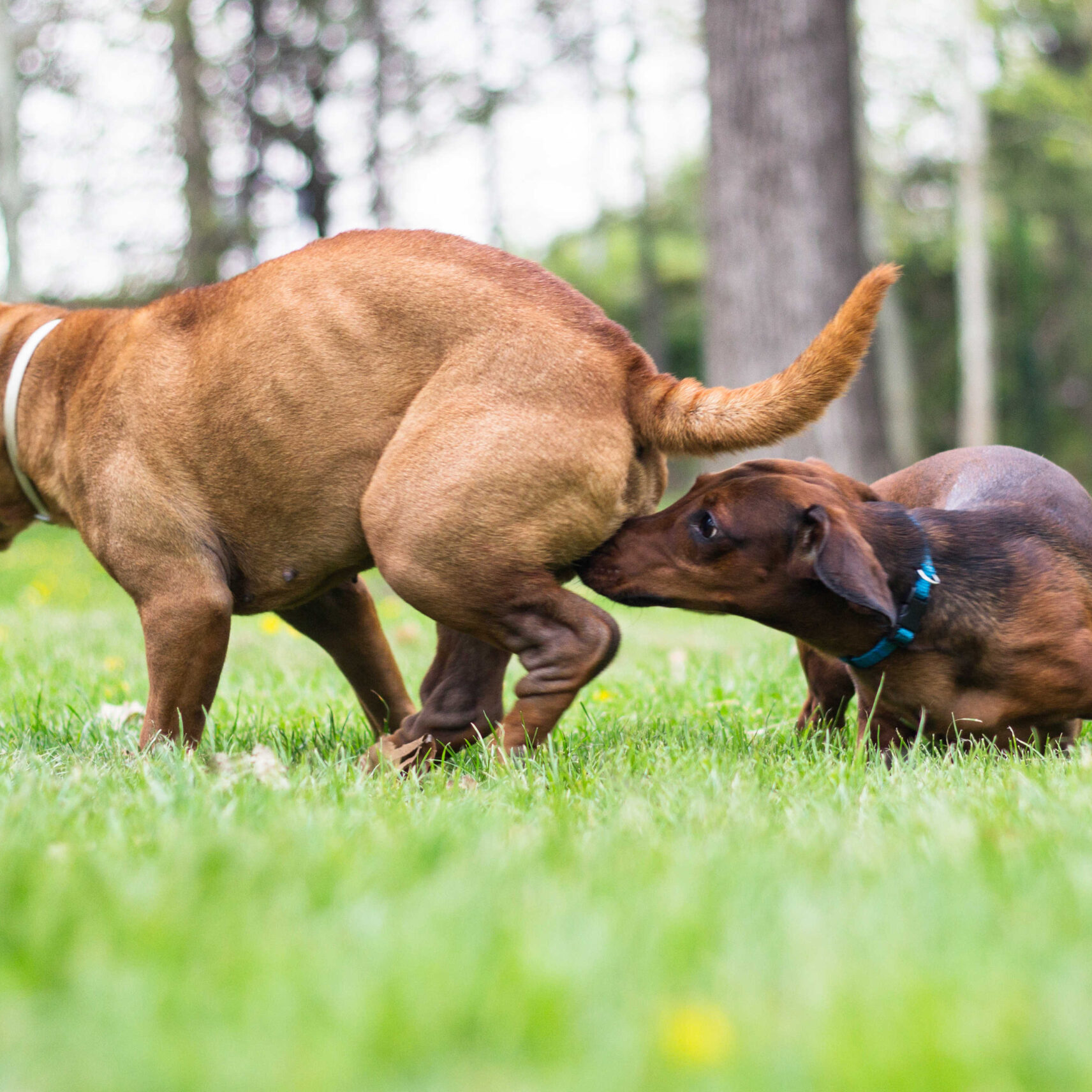
- Increased sniffing and marking
- Not receptive to males
Estrus Stage
Estrus is the stage when the female is ready to mate. It usually lasts 5 to 14 days.
The discharge changes to a lighter color. She will accept males and may show signs of flirting.
- Light or pinkish discharge
- Swollen but softer vulva
- Welcomes male dogs
- Increased licking of the genital area
Diestrus Stage
The diestrus stage comes after estrus and lasts about 60 to 90 days. The dog’s body returns to normal if she is not pregnant.
She no longer accepts males and her discharge stops. Behavior may become calm and less active.
- No longer receptive to males
- Discharge stops
- Swelling goes down
- Calm and quiet behavior
Anestrus Stage
Anestrus is the resting phase between heat cycles. It lasts about 4 to 5 months.
During this time, the dog shows no signs of heat. Her reproductive system is inactive and she behaves normally.
- No swelling or discharge
- Normal behavior and appetite
- Reproductive system rests
- Prepares for next cycle
Credit: seniortailwaggers.com
Physical Signs
Dogs in heat show clear physical signs. These signs help owners know when their dog is in this stage.
Recognizing these signs early can help you care for your dog better during her heat cycle.
Swollen Genital Area
The genital area of a female dog swells during heat. This swelling is one of the first signs to appear.
The swelling can make the area look larger and redder than usual. It may also feel warm to the touch.
Increased Urination
Dogs in heat often urinate more often. This is because they release scents to attract male dogs.
- Urinate in new spots around the house or yard
- Mark territory more frequently
- Ask to go outside more often
Vaginal Discharge
| Discharge Color | Description |
| Light Pink | Usually seen at the start of the heat cycle |
| Red | Common during peak heat, shows fresh bleeding |
| Brownish | Appears as the heat cycle ends |
The amount of discharge varies. It can be light or heavy depending on the dog.
Behavioral Changes
Dogs in heat show clear changes in how they act. These changes happen because of hormones.
Understanding these behaviors can help owners care for their dogs better during this time.
Restlessness And Agitation
Dogs in heat often feel restless. They may pace around or whine more than usual. This happens because they feel uncomfortable and nervous.
Some dogs may also bark or show signs of stress. This behavior can last for several days.
Increased Affection
Many female dogs become more affectionate during heat. They may seek more attention from their owners.
- They may want to be petted more often.
- Some dogs like to sit close to their owners.
- Others may follow their owners around the house.
Mounting And Marking
Mounting behavior can increase in dogs during heat. This is a natural response to hormonal changes.
| Behavior | Explanation |
|---|---|
| Mounting | Rising urge to show dominance or respond to mating instincts. |
| Marking | Urine marking to signal availability to other dogs. |
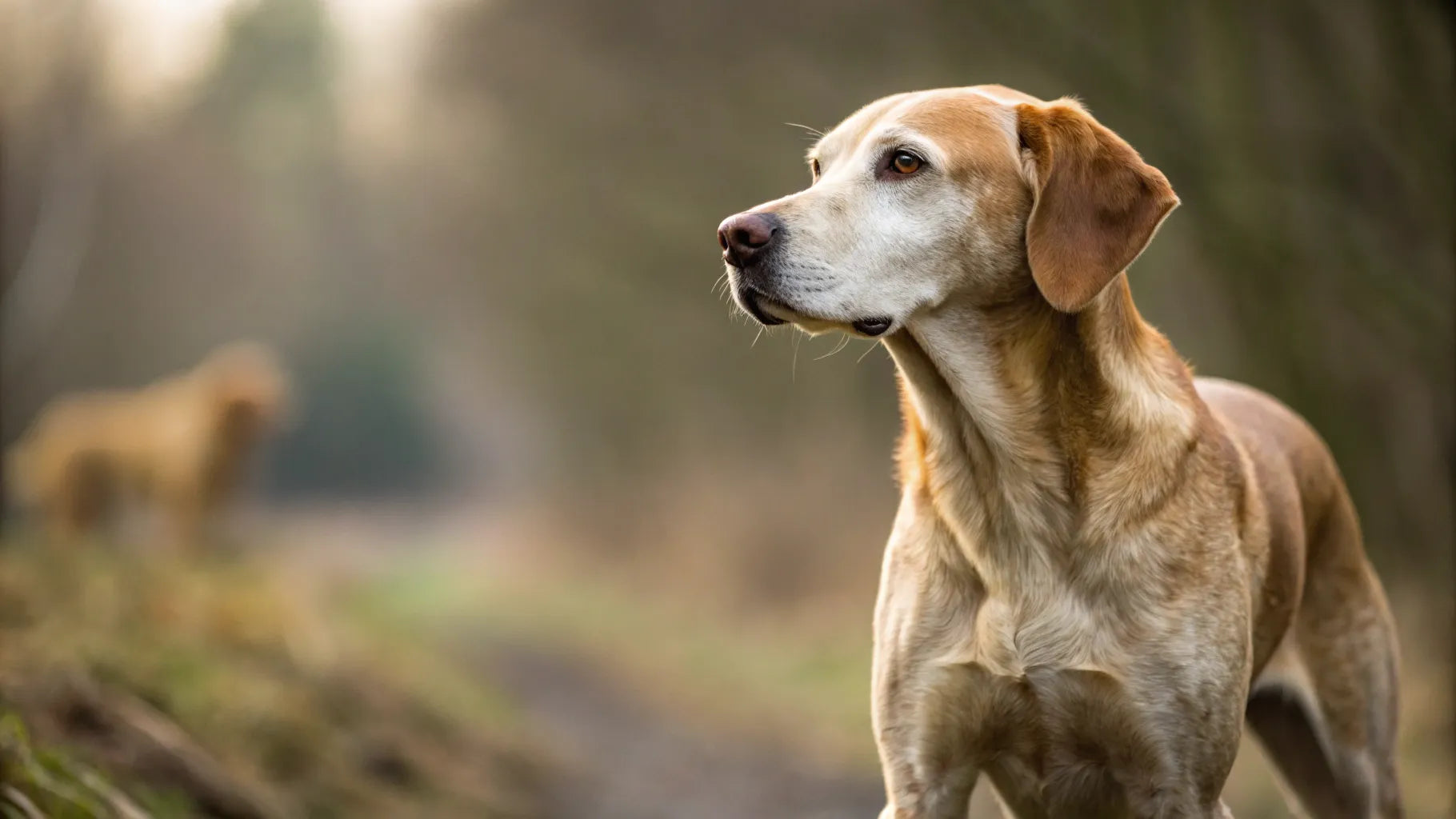
Escape Attempts
Dogs in heat may try to escape from the yard or house. They want to find a mate.
- They may dig under fences.
- Some dogs try to jump over barriers.
- Others may bark or howl to attract attention.
Credit: www.houndsy.com
Interaction With Other Dogs
Dogs in heat show changes in how they act around other dogs. This period affects their social and protective behaviors.
Understanding these changes helps owners manage dog interactions safely and calmly.
Attraction Of Male Dogs
Female dogs in heat release scents that attract male dogs. These smells travel far and catch the attention of many males nearby.
- Male dogs may become more excited or restless.
- They might try to follow the female dog.
- Fights can happen if several males compete for the female’s attention.
- Owners should watch closely to prevent unwanted mating or aggression.
Social Behavior Shifts
Female dogs act differently with other dogs during heat. They may become more distant or sometimes more friendly than usual.
| Behavior | Description |
| Seeking Attention | The female may look for more attention from familiar dogs. |
| Aggression | Some females show aggression to keep other females away. |
| Withdrawal | Other times, they might avoid all contact with dogs. |
Protective Instincts
Female dogs often become protective of themselves and their space during heat. They guard against strange dogs and even some familiar ones.
Signs of protective behavior include:
- Growling or barking at approaching dogs
- Standing between other dogs and themselves
- Refusing to move from a safe spot
- Showing signs of stress or fear when approached
Care Tips During Heat
Dogs in heat need special care to stay comfortable and healthy. Proper care helps prevent infections and stress.
Understanding their needs during this time makes it easier to provide the right support.
Hygiene Management
Keep your dog clean to avoid infections. Use gentle wipes or a damp cloth to clean her daily. Change any pads or blankets often.
- Wash bedding regularly with mild detergent
- Trim hair around the genital area for cleanliness
- Use dog-safe wipes to clean discharge
- Keep the environment dry and clean
Exercise Considerations
Exercise helps your dog stay calm and healthy. Adjust activity levels based on her mood and energy.
| Type of Exercise | Recommended | Notes |
| Short walks | Yes | Keep leash secure |
| Running | No | Can cause stress |
| Playtime | Yes | Gentle games indoors |
| Socializing | No | Avoid contact with male dogs |
Monitoring Health
Watch for signs of illness or discomfort. Keep track of her behavior and any changes in eating or bathroom habits.
- Check for unusual discharge color or smell
- Look for swelling or redness
- Observe changes in appetite or thirst
- Note any signs of pain or lethargy
- Contact a vet if symptoms worsen or persist
Credit: southeastoakvillevet.ca
When To Consult A Vet
Dogs in heat usually show normal behaviors, but some signs need attention. Knowing when to see a vet keeps your dog healthy.
Watch your dog closely for unusual changes during her heat cycle. Some problems can need quick care.
Unusual Symptoms
If your dog shows strange signs like loss of appetite or extreme tiredness, a vet visit is needed. These could mean health issues beyond normal heat behavior.
- Severe swelling or redness in the genital area
- Bleeding that is very heavy or lasts too long
- Behavior changes like aggression or hiding
- Fever or vomiting
Prolonged Heat Cycle
A heat cycle longer than usual can signal health problems. Usually, heat lasts about 2 to 3 weeks. If it goes beyond this, contact your vet.
| Normal Heat Cycle Length | 14-21 days |
| When to Consult a Vet | More than 21 days |
| Possible Causes | Hormone imbalance, infections, tumors |
Signs Of Infection
Infections can happen during heat. Look for symptoms that suggest infection. Getting treatment early helps your dog heal faster.
- Foul smell from the genital area
- Thick, yellow, or green discharge
- Swelling and pain around the vulva
- Fever and lethargy
Frequently Asked Questions
What Are Signs A Dog Is In Heat?
When a dog is in heat, she may exhibit increased urination, swelling of the vulva, and a bloody discharge. You may also notice changes in her behavior, such as restlessness or increased affection. It’s important to monitor these signs to ensure her comfort and safety during this time.
How Long Does A Dog Stay In Heat?
A dog’s heat cycle typically lasts about two to four weeks. During this period, she will go through several stages, including proestrus and estrus. Each stage has its own symptoms and behavioral changes. Monitoring her closely can help in understanding her needs during the heat cycle.
Do Dogs Act Differently When In Heat?
Yes, dogs often exhibit behavioral changes when in heat. They may become more affectionate, restless, or anxious. Some dogs may also display increased aggression or a desire to escape. It’s important to provide a safe and comfortable environment to help her cope with these changes.
Can You Walk A Dog When She’s In Heat?
Yes, you can walk your dog when she’s in heat, but take precautions. Keep her on a leash and avoid areas with many dogs. Walking helps with energy release and can reduce stress. Ensure she’s comfortable and monitor her behavior during walks to prevent any issues.
Conclusion
Understanding your dog’s behavior during heat helps you care better. Expect changes like restlessness, mood swings, and increased attention-seeking. Stay patient and provide comfort to ease her discomfort. Keep her safe from unwanted mating and watch for any health issues.
Simple steps make this period easier for both of you. Remember, every dog is unique and may act differently. Observing closely helps you respond well to her needs. Caring with love and attention builds trust and strengthens your bond.

Emily Barker is the founder of ChillDogLife.com, a space dedicated to helping pup parents discover the best dog products, lifestyle tips, and cozy ideas for happier homes.
A lifelong dog lover, Emily combines her passion for pets with a knack for research to share trusted recommendations on everything from toys and furniture to health and everyday care.
Her goal is simple: to make life easier, stylish, and more joyful for dogs and the people who love them.




