Have you ever wondered what your dog is really trying to tell you? Dogs communicate in ways that go beyond barking and wagging tails.
Understanding their behavior can unlock a deeper connection between you and your furry friend. When you learn the meaning behind their actions, you can respond better, keep them happier, and even prevent problems before they start. Keep reading, and you’ll discover simple signs and signals your dog uses every day—and how to interpret them like a pro.
This knowledge will change the way you see your dog forever.
Body Language Cues
Dogs use body language to communicate their feelings and intentions. Understanding these signals helps you read your dog better. Watch their movements and positions closely.
Each part of a dog’s body shows a different message. Pay attention to tails, ears, eyes, and posture to know what your dog is saying.
Tail Movements
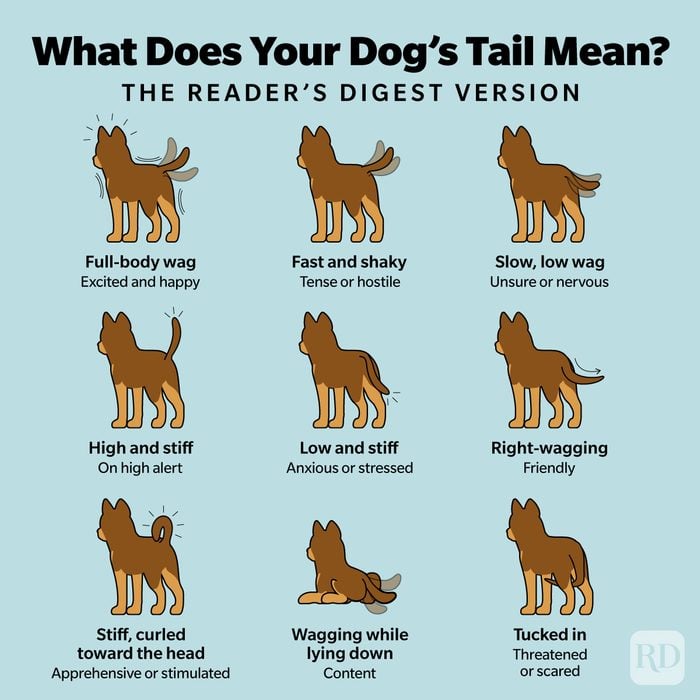
The tail shows a dog’s mood clearly. Wagging can mean happiness or excitement. A stiff tail might show alertness or tension. A tucked tail means fear or submission.
- Fast wagging: excitement or joy
- Slow wagging: cautious or unsure
- High tail: confidence or alertness
- Low or tucked tail: fear or anxiety
- Still tail: calm or focused
Ear Positions
Dog ears change shape and position to show feelings. Forward ears mean interest or alertness. Ears back can mean fear, submission, or relaxation. Side ears show calmness or curiosity.
| Ear Position | Meaning |
| Forward | Alert or interested |
| Back | Fear or submission |
| Side | Calm or curious |
| Flat against head | Stress or aggression |
Eye Contact
Dogs use their eyes to show trust or warning. Soft eyes mean they feel safe. Direct staring can be a challenge or threat. Avoiding eye contact shows fear or submission.
Remember these eye contact cues:
- Soft, relaxed eyes: friendly and calm
- Hard stare: warning or challenge
- Looking away: fear or respect
- Blinking often: stress or discomfort
Posture And Stance
How a dog stands or moves shows its mood. A relaxed posture means comfort. A stiff body shows alertness or aggression. Cowering means fear or submission. Play bows invite fun and socializing.
Credit: colabobio.medium.com
Vocalizations And Sounds
Dogs use many sounds to talk with people and other dogs. These sounds show how they feel and what they want.
Understanding dog sounds helps us know their mood and needs better. Each sound has a special meaning.
Barking Types
Dogs bark in different ways to send messages. Barking can mean excitement, warning, or asking for attention.
Short, sharp barks often show alertness. Long, loud barks may warn of danger or strangers nearby.
- Rapid barks: excitement or play
- Deep, slow barks: warning or threat
- High-pitched barks: fear or anxiety
- Repeated barks: demand for attention
Whining And Whimpering
Whining is a soft sound dogs make when they feel sad or want something. It can show discomfort or stress.
Whimpering is similar but often happens when dogs feel pain or fear. It asks for comfort or help.
- Soft whining: seeking attention or food
- Continuous whining: anxiety or loneliness
- Whimpering with trembling: pain or fear
Growling Variations
Growling is a low sound that warns others to stay away. It shows a dog feels threatened or angry.
Not all growls mean anger. Some growls are playful or show excitement during games.
- Deep, loud growl: warning or threat
- Soft growl with wagging tail: play
- Growl with stiff body: serious warning
- Short growl: discomfort or annoyance
Howling Signals
Howling is a long, loud sound dogs use to communicate over distances. It helps them find others or mark territory.
Dogs howl to respond to sounds like sirens or music. It can also show loneliness or a call to their pack.
- Long howls: calling pack members
- Howling at sirens: response to high sounds
- Short howls: expressing loneliness
- Group howling: social bonding
Facial Expressions
Dogs use facial expressions to show their feelings and intentions. Watching these signs helps us understand them better.
Facial cues like mouth shape, eyebrow moves, and nose wrinkles give clues about a dog’s mood.
Mouth And Lips
A dog’s mouth and lips change a lot to show emotions. A relaxed mouth usually means calmness. Lips pulled back can mean fear or submission. When a dog shows teeth, it can be a warning or a sign of aggression.
- Closed mouth with relaxed lips: calm and happy
- Lips pulled back tightly: scared or anxious
- Teeth showing with curled lips: warning or aggression
- Open mouth with tongue out: relaxed or playful
Eyebrow Movements
Dogs move their eyebrows to express curiosity, concern, or happiness. Raised eyebrows can show interest or surprise. Furrowed brows may indicate confusion or worry.
| Eyebrow Movement | Meaning |
| Raised eyebrows | Interest or surprise |
| Furrowed eyebrows | Confusion or worry |
| One eyebrow raised | Curiosity or questioning |
| Relaxed eyebrows | Calm and content |
Nose Wrinkles
Nose wrinkles appear when a dog feels tense or alert. Wrinkles above the nose often show that the dog is focused or ready to react. Sometimes, it can mean annoyance or slight aggression.
Common Nose Wrinkle Signs:
- Light wrinkles: alert and curious
- Deep wrinkles: tension or mild aggression
- No wrinkles: relaxed state
Credit: www.lemon8-app.com
Common Behavior Patterns
Dogs communicate through their actions and body language. Understanding these behaviors helps us care for them better.
Each behavior shows how a dog feels or what it needs. Watching closely can reveal their mood.
Playful Actions
Dogs show they want to play by wagging their tails and jumping around. Playful dogs often bow with their front legs stretched forward.
They may bark softly or bring you toys. Play is a way for dogs to have fun and connect with people.
- Tail wagging with a loose body
- Play bow (front legs down, rear up)
- Soft barking or playful growling
- Chasing or fetching toys
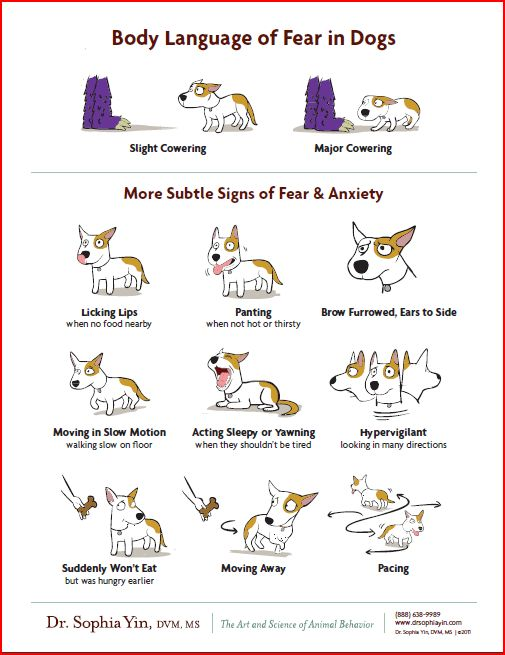
Signs Of Stress
Stress in dogs shows in their body language. They may pant heavily or lick their lips often.
Other signs include yawning, shaking, or hiding. These behaviors tell you the dog feels uncomfortable or scared.
- Excessive panting
- Licking lips or nose frequently
- Yawning without being tired
- Shaking or trembling
- Avoiding eye contact
Aggression Indicators
Aggressive dogs show warning signs before attacking. They may growl or bare their teeth.
Stiff body posture and raised hackles also warn of aggression. These signs mean the dog feels threatened or angry.
- Growling or snarling
- Showing teeth or snapping
- Rigid body stance
- Raised fur along the back
- Direct, hard stare
Affectionate Gestures
Dogs show love by licking your face or nuzzling close. They may rest their head on you or lean in.
Soft eyes and relaxed body are signs of affection. These gestures build trust between you and your dog.
- Licking your skin or hands
- Resting head on your lap or shoulder
- Leaning against you
- Soft, relaxed eyes
- Gentle tail wagging
Context And Environment
A dog's behavior changes depending on where it is and who is around. Dogs read their surroundings carefully. Their actions often show how they feel about the place or people.
Understanding the context helps us know what dogs mean by their actions. The same behavior can mean different things in different settings.
Behavior Around Strangers
Dogs act differently when they meet people they do not know. Some dogs feel nervous and hide. Others may bark or growl to warn the stranger.
Friendly dogs might wag their tails and try to play. The dog’s past experiences and training affect how it reacts to strangers.
- Avoidance or hiding shows fear
- Barking or growling means warning
- Tail wagging often signals friendliness
- Approaching can mean curiosity or trust
Reactions To Other Animals
Dogs respond to other animals based on their social skills and past encounters. Some dogs want to play, while others may feel threatened.
Body language like stiff posture or raised hackles shows discomfort. Relaxed bodies and wagging tails show calm or interest.
- Play bows invite friendly play
- Growling warns to stay away
- Sniffing is a way to learn about others
- Chasing can be play or prey drive
Response To New Places
New places can make dogs feel curious or scared. They use their senses to explore and understand the environment.
Some dogs move slowly and sniff a lot. Others may stay close to their owner for safety. How a dog reacts depends on its personality.
- Sniffing helps gather information
- Slow movement shows caution
- Staying close means seeking security
- Exploring freely shows confidence
Training Tips To Encourage Positive Signals
Understanding your dog's behavior helps create a happy pet. Positive signals show your dog feels safe and wants to please you.
Training encourages good behavior and reduces bad habits. Use clear and kind methods to guide your dog.
Rewarding Good Behavior
Reward your dog right after they do something good. This helps them link the action with a treat or praise.
Use small treats, petting, or happy words to show your dog you approve. Consistency is key to success.
- Give treats immediately after good behavior
- Use a calm and happy voice
- Offer gentle petting as a reward
- Repeat rewards to reinforce habits
Redirecting Negative Actions
When your dog acts out, guide them to a better choice. Avoid punishment; it can cause fear or confusion.
Distract your dog with toys or commands to stop unwanted behavior. Then reward them when they listen.
- Use a firm but gentle voice to say “No”
- Offer a toy to replace biting or chewing
- Give a command like “Sit” to change focus
- Reward calm and correct actions
Building Trust And Confidence
Trust grows when your dog feels safe and understood. Spend quiet time together without distractions.
Confidence comes from success. Teach simple commands and celebrate small wins to build your dog’s self-esteem.
- Use gentle touch and soft words often
- Practice commands like “Sit” and “Stay”
- Keep training sessions short and fun
- Be patient and consistent every day
When To Seek Professional Help
Dogs can show signs of stress or bad habits that owners might not fully understand. Knowing when to ask for expert advice helps your dog stay happy and healthy.
Some behaviors need a trained eye to spot the cause and find the right solution. This guide helps you know when to seek help for your dog's behavior.
Recognizing Problematic Signs
Not all odd behaviors mean trouble. But some signs show your dog may need help from a professional. Watch for these signs closely.
- Aggression towards people or other pets
- Excessive barking or howling without clear reason
- Destructive chewing or digging
- Fearful or anxious reactions in normal situations
- Sudden changes in bathroom habits
- Repetitive behaviors like licking or pacing
Choosing A Trainer Or Behaviorist
Finding the right expert is key. Trainers and behaviorists have different skills. Pick one who fits your dog’s needs.
| Type | Focus | When to Choose |
| Dog Trainer | Obedience and basic manners | Training new commands or fixing simple issues |
| Animal Behaviorist | Deep behavioral problems and mental health | Severe aggression, anxiety, or trauma cases |
| Veterinary Behaviorist | Medical and psychological causes | When health issues affect behavior |
Therapies And Interventions
Experts use many ways to help dogs behave better. Some methods work better for certain problems.
- Positive reinforcement training rewards good behavior
- Desensitization exposes dogs slowly to fears
- Counter-conditioning changes bad reactions to good ones
- Medication may help dogs with severe anxiety
- Environmental changes reduce stress triggers
Credit: www.rd.com
Frequently Asked Questions
What Does A Wagging Tail Mean In Dog Behavior?
A wagging tail usually indicates happiness or excitement in dogs. However, tail wagging can also express nervousness or submission depending on the speed and position. Observing the dog’s overall body language helps understand the true meaning behind the wag.
Why Do Dogs Bark Excessively And What It Means?
Excessive barking often signals alertness, boredom, or anxiety. Dogs may bark to warn of danger, seek attention, or express frustration. Understanding the context and triggers helps address the cause and manage the behavior effectively.
How Can I Tell If My Dog Is Stressed?
Signs of stress include panting, yawning, trembling, or avoiding eye contact. A stressed dog may also show changes in appetite or restlessness. Recognizing these signs early helps provide comfort and reduce anxiety in your pet.
What Does A Dog’s Growl Really Mean?
A growl is a warning signal indicating discomfort, fear, or territorial behavior. It should be taken seriously as a way for dogs to communicate boundaries. Understanding the context helps prevent aggressive incidents and ensures safety.
Conclusion
Understanding dog behavior can strengthen your bond with your pet. Each bark or wag has a meaning. Dogs communicate through various signals. Observe their body language closely. Tail wags can show happiness or anxiety. Barking might mean excitement or alertness.
Dogs use eye contact to express emotions. Learn their cues to respond better. This knowledge helps in building trust. A happy dog means a happy home. Keep exploring and learning about your dog’s behavior. It’s a journey worth taking. Your furry friend appreciates your efforts to understand them.

Emily Barker is the founder of ChillDogLife.com, a space dedicated to helping pup parents discover the best dog products, lifestyle tips, and cozy ideas for happier homes.
A lifelong dog lover, Emily combines her passion for pets with a knack for research to share trusted recommendations on everything from toys and furniture to health and everyday care.
Her goal is simple: to make life easier, stylish, and more joyful for dogs and the people who love them.




