Are you struggling to understand why your dog acts out or behaves in ways that frustrate you? You’re not alone.
Many dog owners face behavior issues that can turn daily life into a challenge. But what if you could uncover the reasons behind your dog’s actions and find simple steps to improve their behavior? You’ll discover key insights that will help you connect with your furry friend on a deeper level, making your home calmer and your bond stronger.
Keep reading—you’re just a few moments away from transforming your dog’s behavior for the better.
Common Dog Behavior Issues
Dogs can show many different behaviors that cause concern for owners. Understanding these common issues helps to manage them better.
Many behavior problems come from fear, boredom, or lack of training. Identifying the cause is the first step to fixing the problem.
Excessive Barking
Dogs bark to communicate, but too much barking can be a problem. It may happen if a dog is bored, scared, or wants attention.
Training and exercise can reduce excessive barking. Teach your dog when it is okay to bark and when to be quiet.
Chewing And Destruction
Puppies and young dogs often chew things to explore or relieve teething pain. Adult dogs may chew out of boredom or anxiety.
Provide safe chew toys and keep valuables out of reach. Regular playtime helps reduce destructive chewing.
Aggression Toward People
Aggression toward people can be caused by fear, pain, or protecting territory. It is serious and needs careful handling.
Always consult a professional if your dog shows signs of aggression. Early training can prevent dangerous situations.
Aggression Toward Other Dogs
Some dogs show aggression to other dogs due to fear, dominance, or lack of socialization. This can lead to fights.
Introduce your dog slowly to new dogs. Training and socialization can help reduce aggressive behavior.
Separation Anxiety
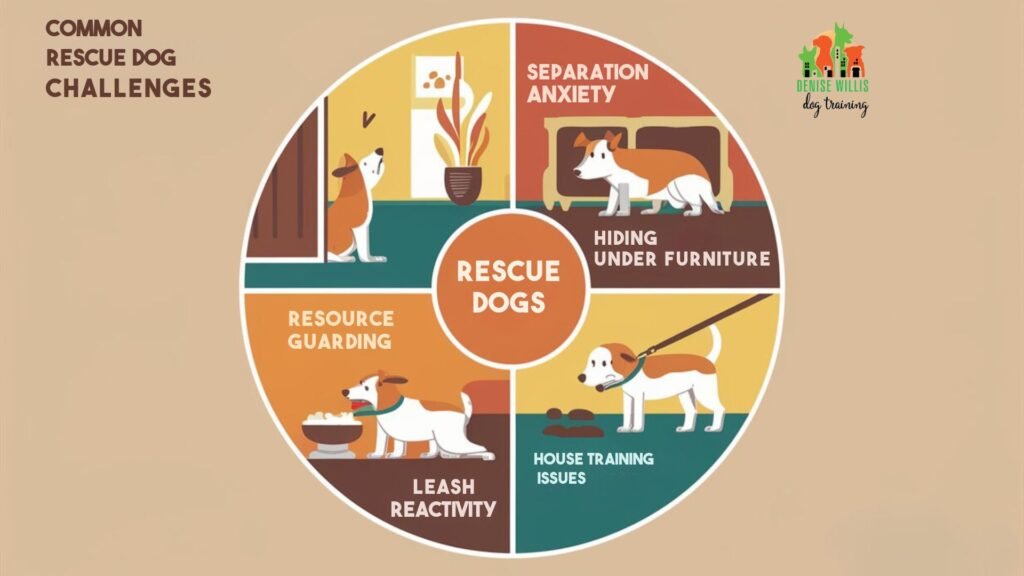
Separation anxiety happens when dogs feel stressed being alone. They may bark, chew, or try to escape.
Leave your dog with toys and practice short separations. Calm departures and arrivals help ease anxiety.
Jumping On People
Dogs often jump to greet people or get attention. This can be annoying or unsafe for visitors.
Teach your dog to sit when greeting. Reward calm behavior to stop jumping.
Pulling On The Leash
Many dogs pull on the leash during walks. This can make walking hard and unsafe.
Use a proper harness and train your dog to walk beside you. Stop walking if the dog pulls.
House Soiling
House soiling means the dog urinates or poops inside the home. This can happen if the dog is not fully trained or sick.
Keep a regular bathroom schedule. Clean accidents well and reward your dog for going outside.
Causes Behind Behavior Problems
Dogs can show behavior problems for many reasons. Understanding what causes these issues helps in solving them.
Some problems come from how dogs are trained or treated. Others come from health or social factors.
Lack Of Training
Without proper training, dogs may not learn good manners. This can lead to behaviors like jumping, barking, or chewing.
- Dogs need clear rules to follow.
- Training helps dogs understand what is allowed.
- Consistent training reduces confusion and bad habits.
Boredom And Excess Energy
Dogs with too much energy and no outlet can act out. Boredom often causes destructive or noisy behavior.
Regular exercise and playtime help keep dogs calm and happy.
Fear And Anxiety
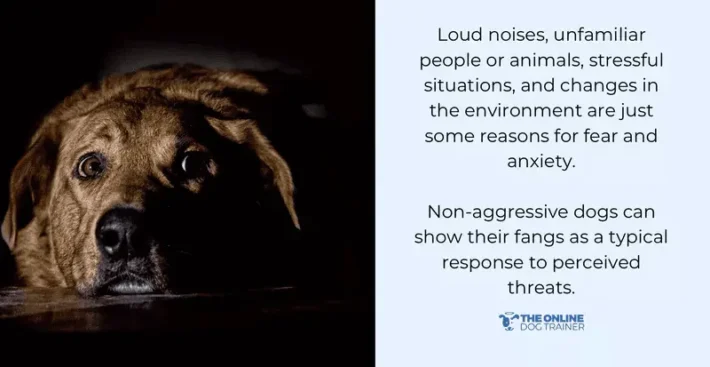
Fear and anxiety cause many behavior problems. Dogs may bark, hide, or act aggressively if scared.
| Cause | Common Behavior |
| Loud noises | Barking, trembling |
| New places | Hiding, refusal to move |
| Separation | Whining, chewing furniture |
Poor Socialization
Dogs that do not meet other dogs or people can feel scared or aggressive. Socialization teaches dogs to be calm with others.
Signs of poor socialization include:
- Aggression toward other dogs or people
- Fearful reactions in new situations
- Difficulty adjusting to changes
Medical Issues
Some behavior problems come from health issues. Pain or illness can make dogs act differently.
Always check with a vet if behavior changes suddenly or if your dog seems unwell.
Quick Fixes For Barking
Barking is normal for dogs but it can be a problem if it happens too much. Fixing barking quickly needs the right steps.
This guide covers simple ways to help your dog stop barking too much. Use these tips to make your dog calm and happy.
Identify Triggers
First, watch what makes your dog bark. It could be noises, people, or other animals. Knowing triggers helps you stop barking fast.
- Sounds like doorbells or sirens
- Strangers or visitors
- Other dogs barking
- Being alone or bored
- Excitement or fear
Use Positive Reinforcement
Praise your dog when it is quiet. Give treats or petting to reward good behavior. This helps your dog learn to be calm.
| Action | Reward |
| Stops barking on command | Small treat |
| Remains calm near triggers | Verbal praise |
| Listens to quiet command | Petting |
Teach The Quiet Command
Train your dog to stop barking on command. Say “quiet” in a calm voice. Reward your dog when it stops barking.
- Let your dog bark a few times.
- Say “quiet” clearly and calmly.
- Wait for your dog to stop barking.
- Give a treat and praise.
- Repeat often for good results.
Provide Mental Stimulation
Keep your dog busy with toys and games. Mental exercise helps reduce boredom and barking.
Try these ideas:
- Use puzzle feeders for meals.
- Teach new tricks regularly.
- Give chew toys to focus on.
- Play hide and seek games.
Stopping Chewing And Destruction
Dogs chew to explore and relieve boredom. Sometimes chewing causes damage to furniture and belongings. You can teach your dog to stop destructive chewing.
Use training and tools to protect your home. Help your dog learn what is okay to chew. This guide shows effective ways to reduce chewing and destruction.
Provide Appropriate Chew Toys
Give your dog toys made for chewing. These toys satisfy their need to chew safely. Choose toys that are durable and fit your dog’s size.
- Rubber toys that are tough and flexible
- Dental chews to help clean teeth
- Stuffed toys for gentle chewers
- Frozen chew toys to soothe gums
Increase Exercise
Dogs that get enough exercise are less likely to chew destructively. Exercise uses up extra energy and reduces boredom. Take your dog for walks daily and play active games.
| Type of Exercise | Benefits |
| Walking | Improves behavior and health |
| Fetch | Burns energy quickly |
| Agility training | Stimulates mind and body |
| Swimming | Low impact and fun |
Use Deterrents
Deterrents make objects taste or smell bad to dogs. They discourage chewing on furniture or shoes. Apply deterrents safely and follow product instructions.
- Bitter apple spray on furniture legs
- Citrus sprays on shoes and cords
- Commercial chew deterrent gels
- Keep dangerous items out of reach
Redirect Behavior
If your dog starts chewing the wrong item, gently redirect to a chew toy. Praise your dog when they chew the right object. Consistency helps dogs learn good habits.
Tips to redirect chewing:
- Say “No” firmly when chewing wrong items.
- Give the dog a chew toy immediately.
- Reward with praise or a treat when chewing the toy.
- Repeat often to build positive behavior.
Managing Aggression
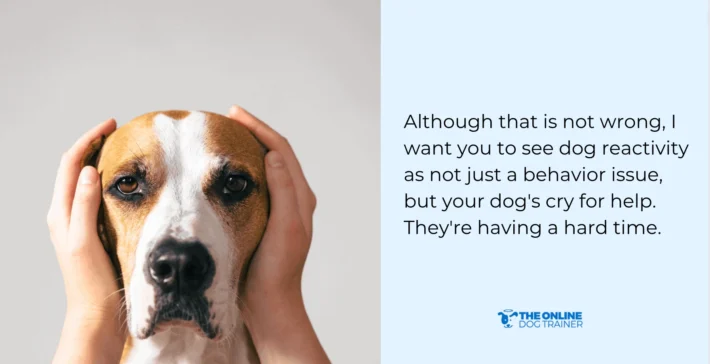
Dogs can show aggression for many reasons. It is important to manage this behavior safely.
Understanding and handling aggression can keep your dog and others safe.
Recognize Warning Signs
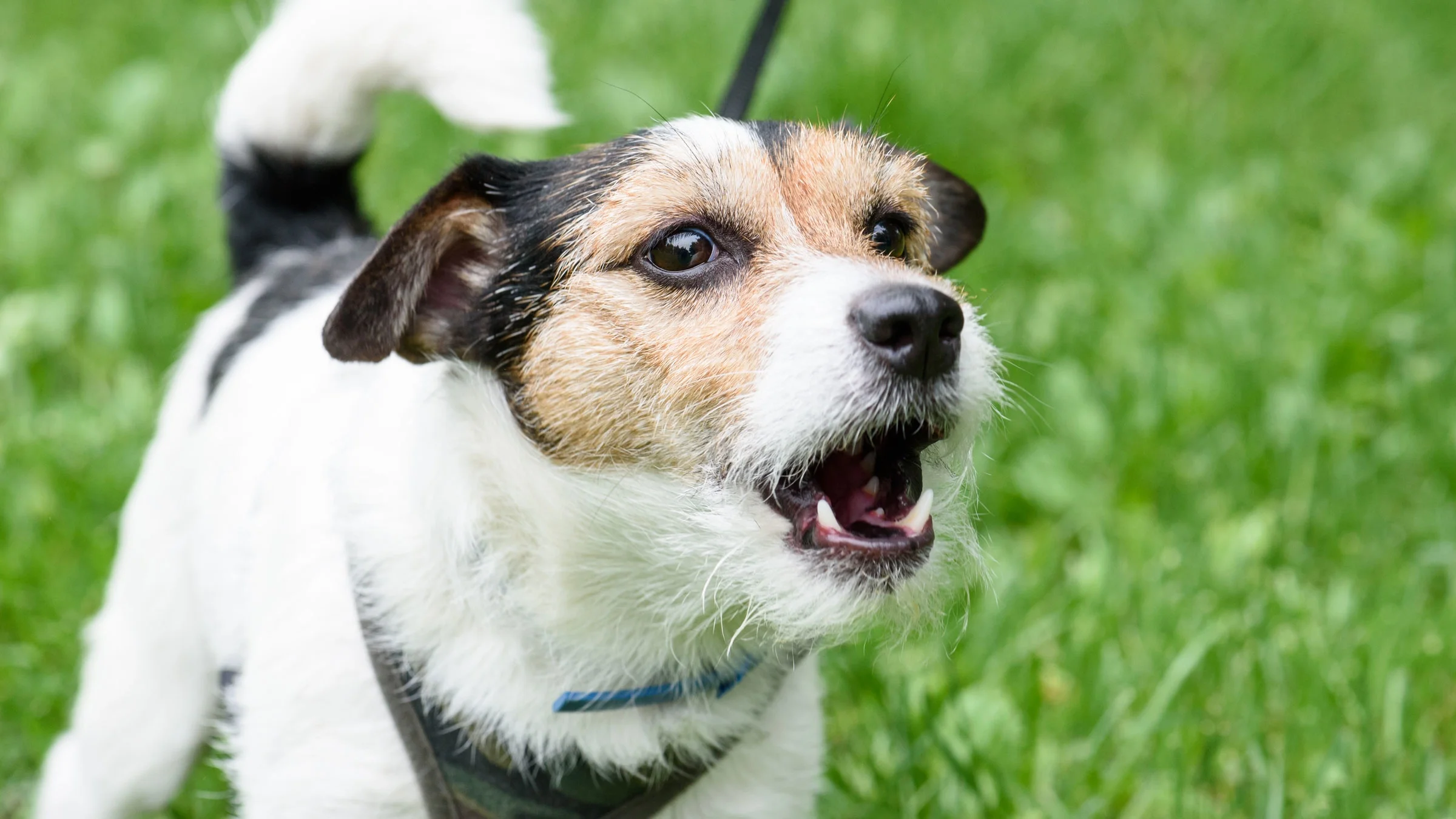
Aggressive dogs show signs before they bite. Watch for these signals to act early.
Signs include growling, showing teeth, and stiff body posture.
- Raised hackles on the neck and back
- Intense staring or avoiding eye contact
- Snapping or lunging motions
- Tail held high and stiff
Avoid Triggers
Some things cause aggression to flare up. Avoiding these can reduce incidents.
Triggers vary from dog to dog. Learn what makes your dog upset or scared.
- Strangers or other animals
- Loud noises or sudden movements
- Touching sensitive areas
- Resource guarding like food or toys
Implement Behavior Modification
Behavior modification helps change aggressive habits into calm responses.
Use positive rewards and gentle training methods to teach your dog better ways to act.
- Reward calm behavior with treats and praise
- Use commands to redirect attention
- Practice socialization with safe dogs
- Gradually expose dog to triggers in small steps
Seek Professional Help
Aggression can be hard to manage alone. A professional can provide expert help.
Look for a certified dog trainer or veterinary behaviorist for guidance.
- Get a proper diagnosis for your dog’s behavior
- Learn safe training techniques
- Receive advice on managing risk
- Work on a personalized behavior plan
Credit: theonlinedogtrainer.com
Handling Separation Anxiety
Separation anxiety is common in dogs when they are left alone. It can cause stress and unwanted behaviors.
Understanding how to help your dog feel calm is important. Try simple steps to ease their anxiety.
Create A Safe Space
Give your dog a quiet, comfortable area to stay while you are away. This space should feel safe and cozy.
Include their bed, favorite toys, and water. Avoid loud noises or busy areas near this spot.
Practice Gradual Departures
Help your dog get used to being alone by leaving for short times first. Slowly increase the time you are gone.
Stay calm when leaving and returning. This shows your dog that being alone is normal and safe.
Use Interactive Toys
Interactive toys keep your dog busy and distracted. They help reduce boredom and anxiety during alone time.
- Treat-dispensing toys
- Puzzle feeders
- Chew toys
Consider Calming Aids
Calming aids can help your dog feel relaxed. These include special collars, sprays, or supplements.
Check with your vet before using any calming products to make sure they are safe for your dog.
Improving Leash Manners
Walking your dog can be a joy or a challenge. Improving leash manners helps make walks more enjoyable for both you and your dog.
Learning good leash manners takes time and patience. Let’s explore some key strategies to improve these skills.
Use Proper Equipment
Choosing the right equipment is essential for effective leash training. A comfortable and well-fitted harness can make a big difference.
- Choose a harness that fits well
- Use a sturdy leash
- Avoid retractable leashes for better control
Train Loose Leash Walking
Teaching your dog to walk on a loose leash is important. Start with short sessions to keep your dog engaged.
Reward Good Behavior
Positive reinforcement encourages your dog to repeat good behavior. Carry treats to reward your dog during walks.
| Behavior | Reward |
| Walking calmly | Treat |
| Stopping on command | Verbal praise |
| Ignoring distractions | Playtime |
Be Consistent
Consistency is key in training. Stick to the same commands and rewards to avoid confusing your dog.
Practice regularly and be patient. With time, your dog will learn what is expected during walks.
Preventing House Soiling
House soiling is a common problem with dogs. It means your dog pees or poops inside the house.
Preventing house soiling helps keep your home clean and your dog happy. You need patience and good habits.
Establish A Routine
Dogs feel safe with a schedule. Take your dog outside at the same times every day.
Regular walks and bathroom breaks help your dog learn when to go outside.
- Take your dog out first thing in the morning
- Offer bathroom breaks after meals and naps
- Give chances to go outside before bedtime
Supervise Closely
Watch your dog inside the house. Look for signs they need to go out.
Signs include sniffing, circling, or whining. Take your dog outside quickly if you see these.
- Keep your dog in sight when indoors
- Use baby gates or leashes if needed
- Interrupt accidents before they happen
Use Crate Training
Crate training helps dogs learn to hold their bladder. Dogs usually avoid soiling their sleeping space.
Make the crate a safe, comfortable place. Let your dog rest there for short times at first.
- Choose a crate big enough to stand and turn around
- Feed your dog inside the crate to build trust
- Never use the crate for punishment
Clean Accidents Properly
Clean accidents quickly and well. This removes smells that attract dogs to the same spot.
Use cleaners made for pet messes. Avoid ammonia-based cleaners because they smell like urine.
- Blot up liquid with paper towels
- Apply pet-safe enzymatic cleaner
- Let the area dry fully before letting your dog back
Building Positive Habits
Dogs learn good behavior through habits. Building positive habits helps solve behavior problems. Consistent care and training shape your dog’s actions.
Positive habits make life easier for you and your dog. They create a strong bond and trust between you both.
Consistent Training Sessions
Train your dog regularly at the same time each day. Short sessions work best to keep your dog focused. Use simple commands and repeat them often.
Consistency helps your dog understand what you expect. Avoid changing rules or commands suddenly.
Use Rewards Effectively
Give your dog treats, praise, or toys when they behave well. Rewards motivate dogs to repeat good behavior. Use rewards right after the action.
Make sure the reward matches the behavior. Do not reward bad behavior by accident.
- Use small treats for quick training
- Praise with a happy voice
- Give toys for longer playtime rewards
- Reward immediately after the good action
Socialize Regularly
Expose your dog to new people, animals, and places often. Socialization helps reduce fear and aggression. It teaches your dog how to behave around others.
Start with calm environments and increase difficulty slowly. Always watch your dog’s reactions and comfort level.
Maintain Patience
Training takes time. Be patient with your dog and yourself. Dogs learn at different speeds depending on age and breed.
Stay calm during mistakes and avoid punishment. Patience builds trust and helps your dog feel safe while learning.
Credit: theonlinedogtrainer.com
Credit: www.goodrx.com
Frequently Asked Questions
What Are Common Dog Behavior Issues?
Common dog behavior issues include aggression, excessive barking, chewing, digging, and separation anxiety. These problems often stem from fear, boredom, or lack of training.
How Can I Stop My Dog’s Aggressive Behavior?
To stop aggression, identify triggers and avoid them. Use positive reinforcement training and consult a professional trainer or behaviorist if needed.
Why Does My Dog Bark Excessively?
Dogs bark excessively due to boredom, fear, or to alert their owners. Proper exercise, training, and mental stimulation can reduce barking.
How To Manage Separation Anxiety In Dogs?
Manage separation anxiety by gradually increasing alone time. Provide toys and comfort items, and consider professional help for severe cases.
Conclusion
Understanding dog behavior issues helps build a better bond. Consistent training and patience improve your dog’s actions. Always watch for signs that need attention early. Small steps can lead to big changes in behavior. Trust, love, and care create a happy pet.
Stay calm, stay kind, and keep learning together. Your effort makes life better for both of you.

Emily Barker is the founder of ChillDogLife.com, a space dedicated to helping pup parents discover the best dog products, lifestyle tips, and cozy ideas for happier homes.
A lifelong dog lover, Emily combines her passion for pets with a knack for research to share trusted recommendations on everything from toys and furniture to health and everyday care.
Her goal is simple: to make life easier, stylish, and more joyful for dogs and the people who love them.




