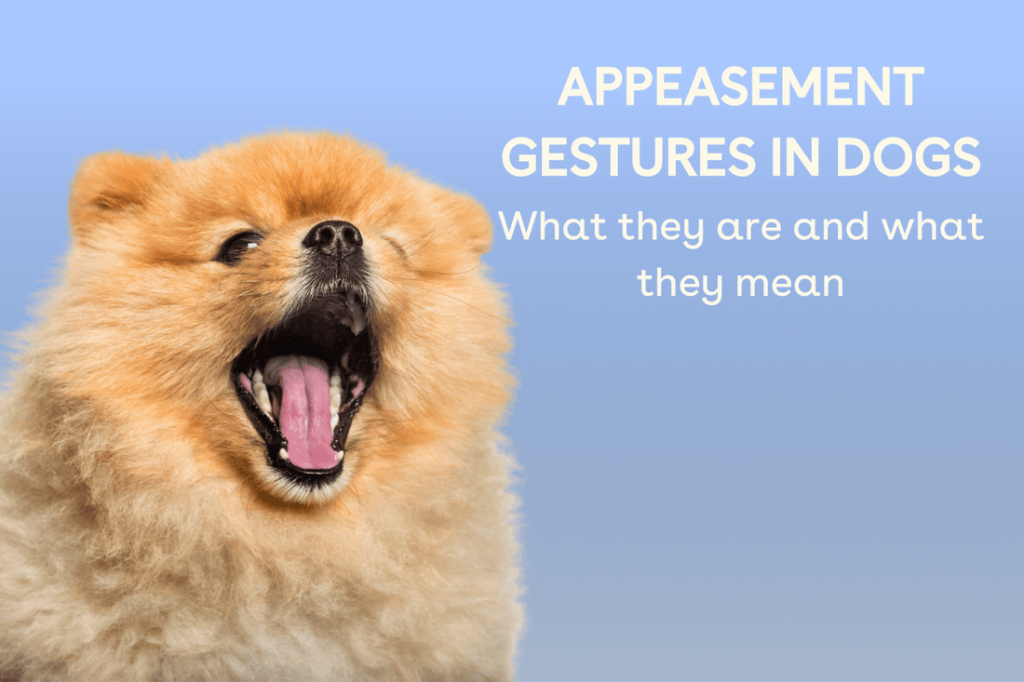
Have you ever noticed your dog lowering its head, avoiding eye contact, or licking its lips when you’re near? These subtle actions might seem like simple habits, but they are actually powerful signs of appeasement behavior.
Understanding why your dog acts this way can change how you communicate and build trust with your furry friend. Keep reading to discover the surprising reasons behind these behaviors and how you can respond to make your dog feel safe and loved.
Credit: www.laylopets.com
Appeasement Behavior In Dogs
Dogs use appeasement behavior to show they mean no harm. It helps them avoid fights and keep peace.
This behavior is common in both wild and domestic dogs. Understanding it helps owners respond kindly.
Common Signs To Watch
Dogs show many signs when trying to appease others. These signs are easy to spot if you pay attention.
- Avoiding eye contact
- Lowering their body or crouching
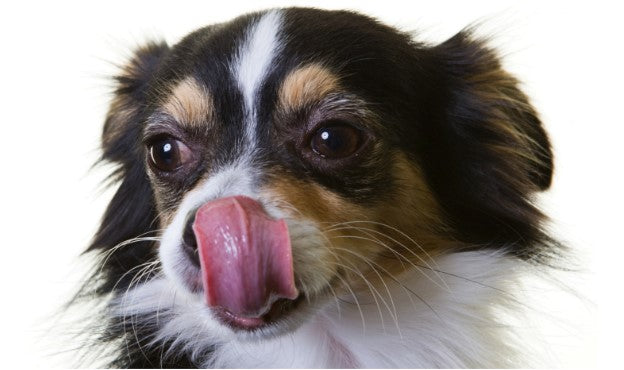
- Licking lips or yawning
- Tail wagging low or tucked
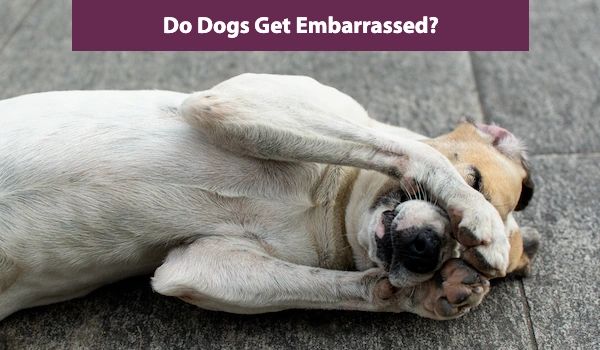
- Rolling onto their back to show belly
- Slow movements or freezing
Reasons Behind Appeasement
Dogs use appeasement to prevent fights and stay safe. It shows respect or fear to others.
| Reason | Description |
| Peacekeeping | Stops aggression from other dogs or people |
| Respect | Shows submission to a stronger dog or owner |
| Fear | Helps avoid harm by showing they are not a threat |
| Social bonding | Builds trust within a dog group or family |
Difference Between Fear And Submission
Fear and submission look similar but have key differences. Knowing them helps understand your dog better.
Fear:The dog is scared and may try to escape or hide. Signs include trembling and wide eyes.
Submission:The dog shows respect and accepts another’s control. It stays calm and uses soft body language.

Credit: johinds.com
Identifying Stress Signals
Dogs use many signs to show stress. Learning these helps you understand their feelings.
Stress signals often appear before a dog acts out. Watching closely can prevent problems.
Body Language Cues
Body language shows how a dog feels inside. Look for changes in posture and movements.
- Tail tucked between legs
- Avoiding eye contact or turning head away
- Crouching or lowering the body
- Licking lips or yawning often
- Raised paw or shifting weight
- Flattened ears against the head
Vocalizations And Expressions
Sounds and facial expressions tell much about stress. Watch how dogs use their voice and face.
| Signal | Meaning |
| Whining | Discomfort or seeking attention |
| Growling | Warning or feeling threatened |
| Excessive barking | Anxiety or frustration |
| Wide eyes with whites showing | Fear or stress |
| Closed mouth with tight lips | Unease or tension |
Contextual Triggers
Stress often starts from certain situations. Knowing these triggers helps you act early.
- Meeting new people or animals
- Loud noises like thunder or fireworks
- Changes in the environment or routine
- Being left alone for long times
- Unfamiliar places or smells
Building Trust With Your Dog
Trust is the base of a strong bond with your dog. It helps your dog feel safe and calm.
Understanding your dog’s appeasement behavior helps you build trust and respect.
Creating A Safe Environment
A calm and quiet space makes your dog feel secure. Avoid loud noises and sudden moves.
Let your dog explore areas at their own pace. Give them a place to rest where they won’t be disturbed.
- Provide a cozy bed in a quiet corner
- Keep the environment clean and free of hazards
- Use gentle tones and slow movements around your dog
Positive Reinforcement Techniques
Reward good behavior with treats, praise, or play. This encourages your dog to repeat those actions.
Use clear and simple commands. Always reward your dog right after they obey.
- Give small treats for calm and friendly behavior
- Use a happy voice to praise your dog
- Play with your dog after good behavior to strengthen the bond
Consistency In Interaction
Be consistent with your actions and commands. Dogs learn best when rules stay the same.
Spend regular time with your dog. This builds trust and helps your dog feel valued.
- Use the same words for commands every time
- Keep a daily routine for feeding and walks
- React calmly and kindly in all situations
Training Tips To Reduce Appeasement
Dogs show appeasement behavior to avoid conflict or to please. This can make training harder. You can help your dog feel safer and more confident.
Use simple steps to reduce this behavior. Focus on building trust and calmness in your dog.
Encouraging Confidence
Help your dog gain confidence by giving clear signals and praise. Avoid harsh corrections, which increase fear. Let your dog explore new places slowly.
- Allow your dog to approach people and animals at its own pace.
- Use calm, friendly tones when speaking.
- Give gentle petting and rewards for brave behavior.
- Practice short training sessions daily.
- Avoid forcing your dog into uncomfortable situations.
Desensitization Exercises
Desensitization helps your dog get used to triggers that cause appeasement. Start with low intensity and increase gradually.
| Trigger | Low Intensity | Higher Intensity |
| New People | From a distance | Close interaction |
| Other Dogs | Visual contact only | Play or walk together |
| Loud Noises | Soft recordings | Real-life sounds |
Reward-based Learning
Use rewards to encourage positive actions. This method builds trust and reduces fear. Rewards can be treats, toys, or praise.
Here are ways to use reward-based learning:
- Notice when your dog stays calm or shows confidence.
- Immediately give a treat or kind words.
- Repeat often to reinforce good behavior.
- Ignore appeasement signals instead of punishing.
- Be patient and consistent with rewards.
Common Mistakes To Avoid
Understanding your dog’s appeasement behavior helps build trust. Avoiding common mistakes keeps your bond strong.
Some errors can confuse your dog and make training harder. Watch for these pitfalls to support your pet better.
Punishing Appeasement Signals
Punishing your dog when it shows calm or submissive signals can cause fear. Dogs use these signs to show peace.
- Do not scold a dog that lowers its head or avoids eye contact.
- Avoid yelling at a dog that rolls over or tucks its tail.
- Recognize these signals as your dog trying to keep peace.
- Use calm and gentle tones to respond.
Ignoring Subtle Cues
Many dogs show small signs when they feel stressed or unsure. Ignoring these cues can lead to bigger problems.
| Subtle Cue | Meaning | What to Do |
| Lip licking | Stress or nervousness | Give space and calm reassurance |
| Yawning | Discomfort or tension | Pause interaction and observe |
| Turning head away | Trying to avoid conflict | Stay calm and avoid forcing contact |
| Freezing or stiff body | Fear or uncertainty | Speak softly and move slowly |
Inconsistent Responses
Dogs need consistent reactions from their owners. Mixed signals confuse them and slow learning.
- Always reward calm and peaceful behavior.
- Respond the same way to the same signals.
- Set clear rules that do not change often.
- Keep training sessions short and regular.
Credit: angelstotheanimals.org
When To Seek Professional Help
Dogs can show appeasement behavior when stressed. Sometimes, this is mild and can be managed at home. But there are cases when you need professional help.
Understanding when to seek a trainer or behaviorist is key. They can provide guidance and support for your dog’s needs.
Signs Of Severe Anxiety
Severe anxiety in dogs can manifest in various ways. It is important to recognize these signs early. This helps in managing the situation effectively.
- Excessive barking or whining
- Destructive behavior, like chewing furniture
- Attempts to escape or run away
- Uncontrolled urination or defecation
Choosing A Trainer Or Behaviorist
A trained professional can help address severe anxiety. They use techniques suited to your dog’s specific needs. Finding the right expert is crucial.
| Criteria | Details |
| Certification | Ensure they are certified and experienced |
| Approach | Look for positive reinforcement methods |
| Reviews | Check reviews or ask for references |
Therapeutic Approaches
There are various therapeutic approaches available for dogs. These methods aim to reduce anxiety and improve well-being. Choosing the right one depends on your dog’s needs.
Frequently Asked Questions
What Is Appeasement Behavior In Dogs?
Appeasement behavior is a dog’s way to avoid conflict. It shows submission and peaceful intentions. Dogs use body language like lowering their head or licking lips to calm others.
Why Do Dogs Show Appeasement Behavior?
Dogs show appeasement to prevent fights and maintain harmony. It helps them signal they are not a threat. This behavior strengthens social bonds and reduces stress in tense situations.
How Can I Recognize Appeasement Signals In My Dog?
Look for signs like yawning, lip licking, avoiding eye contact, and crouching. These indicate your dog feels uneasy and wants to calm the environment. Recognizing these helps improve your communication.
Does Appeasement Behavior Mean A Dog Is Scared?
Not always. Appeasement can show respect or submission, not just fear. Dogs use it to keep peace and avoid aggression, even in non-threatening situations. Context helps determine the exact emotion.
Conclusion
Dogs show appeasement behavior to keep peace and avoid fights. Watching their body language helps us understand their feelings. These signs mean your dog feels unsure or wants to calm a situation. Knowing this helps build trust and a better bond.
Always respond kindly and gently to these signals. Your dog will feel safer and happier around you. Small actions make a big difference in your dog’s comfort. Paying attention shows you care and respect your furry friend. That’s the key to a strong, loving relationship.

Emily Barker is the founder of ChillDogLife.com, a space dedicated to helping pup parents discover the best dog products, lifestyle tips, and cozy ideas for happier homes.
A lifelong dog lover, Emily combines her passion for pets with a knack for research to share trusted recommendations on everything from toys and furniture to health and everyday care.
Her goal is simple: to make life easier, stylish, and more joyful for dogs and the people who love them.




