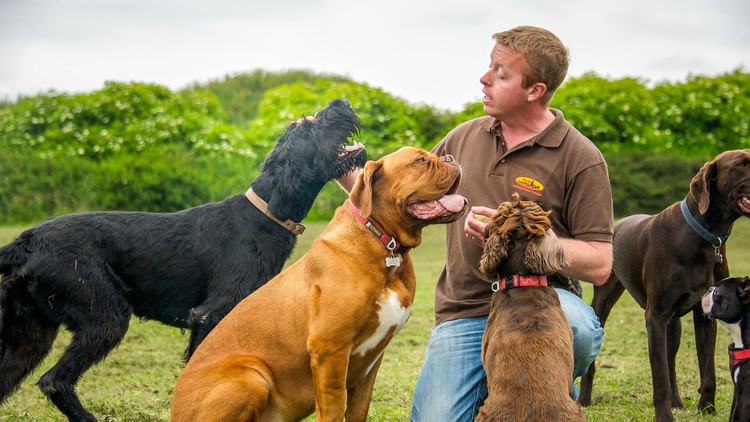
Have you ever wondered why your dog acts the way it does? Understanding your furry friend goes beyond simple commands—it’s about truly connecting with them.
Dog behavior classes for humans are designed to help you decode your dog’s actions, improve communication, and build a stronger bond. Imagine feeling confident every time your dog reacts, knowing exactly how to respond. Keep reading, and you’ll discover how these classes can transform your relationship with your dog in ways you never thought possible.
Why Learn Canine Communication
Dogs use body language and sounds to express their feelings. Learning how they communicate helps people understand them better.
When owners know what their dogs mean, they can respond in kind. This improves the relationship between dogs and humans.
Benefits For Owners And Dogs
Understanding your dog’s behavior makes daily life easier. It helps avoid problems and builds trust.
Dogs feel safer and happier when owners know their signals. This leads to better training and less stress.
- Owners can spot signs of fear or discomfort early
- Dogs get clearer commands and feedback
- Both enjoy a stronger bond and better teamwork
Common Misunderstandings About Dog Behavior
People often think dogs behave like humans. This causes confusion and wrong reactions.
Not all barking means aggression. Tail wagging does not always mean happiness.
- Dogs use subtle signs to show stress or pain
- Ignoring these signs can lead to bigger problems
- Learning true dog signals helps avoid mistakes
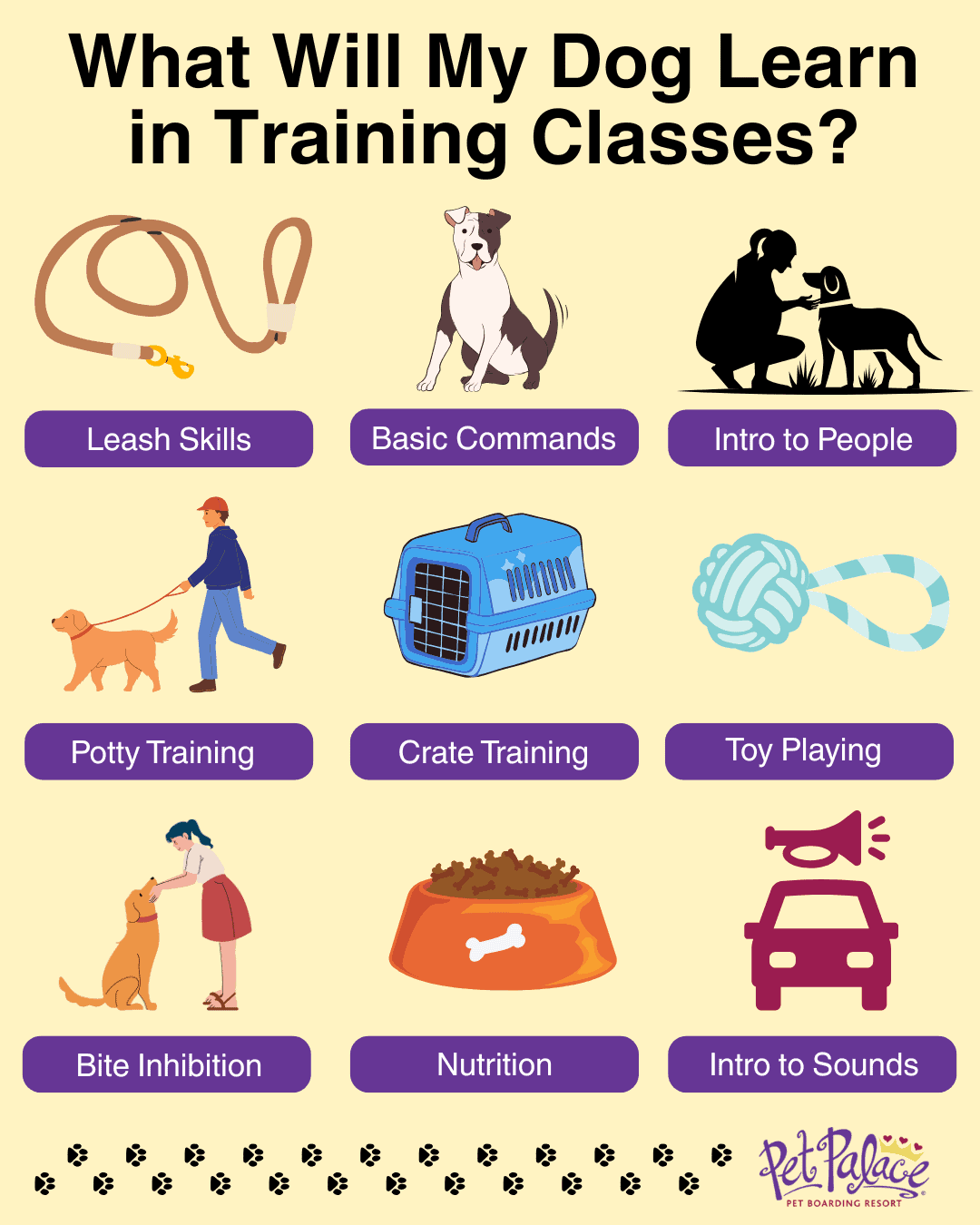
Credit: www.petpalaceresort.com
Key Canine Body Language Signals
Dogs communicate using their body language. Learning these signals helps humans understand dogs better.
Reading a dog’s body signals can keep both dogs and people safe and happy.
Tail And Ear Positions
A dog’s tail and ears show how it feels. Different positions tell different emotions.
For example, a wagging tail can mean happiness or excitement. Ears that stand up show alertness.
- Tail wagging fast: happy or excited
- Tail tucked under: scared or anxious
- Ears forward: curious or alert
- Ears back: nervous or submissive
Facial Expressions And Eye Contact
Dogs use their faces to express feelings. Eyes, mouth, and brows all play a part.
Direct eye contact can be friendly or a warning. A relaxed face means the dog feels safe.
- Soft eyes and relaxed mouth: calm and happy
- Staring with hard eyes: warning or challenge
- Licking lips or yawning: stress or discomfort
- Raised eyebrows: curiosity or surprise
Posture And Movement
The way a dog stands and moves shows its mood. Posture can tell if a dog is friendly or scared.
A stiff body means the dog is alert or tense. A relaxed body shows comfort and trust.
- Standing tall and stiff: alert or cautious
- Lowered body or crouching: scared or submissive
- Play bow (front down, rear up): inviting play
- Wagging body movement: happy and friendly
Types Of Dog Behavior Classes
Dog behavior classes help humans understand and guide their pets. These classes teach skills to improve how dogs act at home and in public.
There are several types of classes, each focusing on different needs. Learning about these can help owners choose the right class for their dog.
Basic Obedience And Communication
Basic obedience classes teach dogs simple commands like sit, stay, and come. Owners learn how to give clear signals and rewards.
These classes build a strong bond between dogs and owners. They also improve daily life by making dogs easier to manage.
- Teaching simple commands
- Using hand signals and voice
- Positive reinforcement techniques
- Building trust and respect
Advanced Behavioral Workshops
Advanced workshops focus on refining skills and solving complex behavior issues. Owners learn to handle distractions and improve focus.
These classes often include activities that challenge dogs mentally and physically. They help dogs become well-rounded and confident.
- Improving focus in busy environments
- Training for special commands
- Building problem-solving skills
- Strengthening owner-dog teamwork
Specialized Training For Problem Behaviors
Specialized training helps dogs with issues like aggression, fear, or excessive barking. Owners learn techniques to change unwanted behaviors.
These classes often require more time and patience. Trainers guide owners through step-by-step plans tailored to each dog’s needs.
- Managing aggression safely
- Reducing fear and anxiety
- Controlling excessive barking
- Custom behavior modification plans
Credit: taketheleadk9training.com
Choosing The Right Class For You
Dog behavior classes help you understand your dog’s actions. Picking the right class makes training easier.
Each dog is different. Finding a class that fits your dog’s needs and your schedule is important.
Assessing Your Dog’s Needs
Look at your dog’s behavior to choose a good class. Does your dog have problems like barking or pulling?
Think about your dog’s age, size, and breed. Some classes focus on puppies, others on adult dogs.
- Identify behavior problems to address
- Consider your dog’s age and energy level
- Choose classes that match your dog’s size
- Look for breed-specific training if needed
Finding Certified Instructors
Certified instructors have training and experience. They teach safe and effective methods for dog behavior.
Check if the instructor has credentials from a recognized dog training group. This shows they follow good practices.
- Look for certifications from reputable organizations
- Ask about the instructor’s experience with dogs like yours
- Read reviews or get recommendations from other dog owners
- Verify the training methods are positive and humane
In-person Vs Online Classes
In-person classes let you get hands-on help from the instructor. You can ask questions right away.
Online classes offer flexible schedules. You can learn at home and replay lessons anytime.
| Aspect | In-Person Classes | Online Classes |
| Interaction | Direct and immediate | Through video or chat |
| Flexibility | Fixed schedule | Learn anytime |
| Hands-on help | Available | Limited |
| Cost | Usually higher | Usually lower |
Techniques Taught In Behavior Classes
Dog behavior classes help humans learn how to train and understand their dogs better. These classes teach ways to improve communication and build a strong bond.
Learning the right techniques makes it easier to handle common behavior problems. It also helps create a happier life for both dogs and their owners.
Positive Reinforcement Methods
Positive reinforcement means rewarding good behavior to encourage it. This method uses treats, praise, or playtime as rewards.
- Give a treat when the dog follows a command
- Use calm and happy voice tones
- Reward immediately after the good action
- Avoid punishment to keep trust strong
Reading And Responding To Signals
Dogs use body language and sounds to show their feelings. Learning these signals helps owners respond correctly.
| Signal | Meaning | How to Respond |
| Tail wagging | Happy or excited | Offer praise or play |
| Growling | Warning or discomfort | Give space and calm voice |
| Yawning | Stress or tiredness | Allow rest or reduce stress |
| Raised hackles | Alert or fearful | Approach slowly or avoid |
Building Trust And Bonding
Trust grows when dogs feel safe and loved. Bonding helps dogs listen and enjoy time with their owners.
Ways to build trust:
- Spend quality time daily
- Use gentle touch and calm voice
- Respect the dog’s space and signals
- Be consistent with rules and routines
- Celebrate small successes together
Credit: taketheleadk9training.com
Common Challenges And Solutions
Dog behavior classes for humans help owners understand their pets better. Owners face many challenges in training and managing dogs.
This guide covers common problems and how owners can solve them effectively. Learning these tips improves the bond between dogs and humans.
Dealing With Aggression
Aggression in dogs can be dangerous if not handled well. Owners need to recognize triggers that cause aggressive behavior.
Calm responses and consistent training reduce aggression. Avoid punishment as it may worsen the problem.
- Identify what makes your dog aggressive
- Use positive reinforcement to reward calm behavior
- Create a safe space for your dog to relax
- Seek professional help if aggression is severe
Managing Anxiety And Fear
Anxiety and fear affect many dogs during new situations or loud noises. Owners must help dogs feel safe and secure.
Gradual exposure to feared objects and gentle encouragement help reduce anxiety. Consistency is important for progress.
- Start with short, calm sessions around triggers
- Give treats and praise for relaxed behavior
- Use calming tools like blankets or toys
- Keep a steady routine to lower stress
Improving Socialization Skills
Good social skills help dogs behave well around other animals and people. Socialization should start early and continue over time.
Owners must expose dogs to different environments in a positive way. This builds confidence and reduces fear or aggression.
- Introduce your dog to new people and dogs slowly
- Use treats to reward calm and friendly behavior
- Attend group classes or dog parks safely
- Avoid forcing interactions if your dog is uncomfortable
Success Stories From Canine Communication Classes
Canine communication classes teach humans how to understand dogs better. These classes help improve behavior and build trust.
Many dog owners have shared their experiences after attending these sessions. Their stories show positive changes in their pets and relationships.
Owner Experiences
Owners often say the classes helped them read their dog’s signals clearly. They learned to respond in ways that calm and reassure their pets.
One owner shared that after the class, walks became more enjoyable. The dog stopped pulling on the leash and looked to the owner for guidance.
- Better understanding of dog body language
- Improved communication during daily routines
- Less stress for both dog and owner
Transformations In Dog Behavior
Dogs showed fewer signs of anxiety after owners applied what they learned. Aggressive behavior often reduced as dogs felt more secure.
Many dogs became more confident and social. They responded better to commands and enjoyed interacting with family members.
- Calmer reactions to new people and places
- Less barking and destructive behavior
- More focus during training sessions
Resources For Continued Learning
Learning about dog behavior helps you build a stronger bond with your pet. Continued education keeps you informed and confident.
Here are key resources to support your journey in understanding dogs better.
Books And Online Materials
Books and online materials provide deep insights into dog behavior. They offer expert advice and practical tips.
- “The Other End of the Leash” by Patricia McConnell
- “Inside of a Dog” by Alexandra Horowitz
- Online courses from accredited dog training schools
- Websites like the American Kennel Club and ASPCA
Community Groups And Forums
Joining community groups helps you share experiences and learn from others. Forums let you ask questions and get advice fast.
| Community | Description |
|---|---|
| Local dog training clubs | Meet trainers and dog owners in person |
| Reddit r/dogs | Online forum for advice and stories |
| Facebook dog behavior groups | Interactive groups with tips and events |
| Meetup dog walker groups | Social walks to observe and learn |
Ongoing Training Opportunities
Regular training helps keep your skills sharp. It also keeps your dog well-behaved and happy.
- Join advanced dog obedience classes
- Attend workshops on specific behaviors
- Participate in dog sports or agility training
- Take refresher courses online or in person
Frequently Asked Questions
What Are Dog Behavior Classes For Humans?
Dog behavior classes for humans teach owners how to understand and manage their dogs’ actions. These classes improve communication and strengthen the human-dog bond. Owners learn to recognize signs, handle challenges, and promote positive behaviors effectively.
Why Should I Join Dog Behavior Classes?
Joining dog behavior classes helps owners address problem behaviors early. It improves training skills and builds trust between dog and owner. These classes reduce stress and create a happier, well-behaved pet and owner relationship.
How Do These Classes Improve Dog Training?
These classes teach owners the science behind dog behavior and learning. Owners learn effective training techniques based on positive reinforcement. This knowledge leads to faster, consistent results and a more responsive, obedient dog.
Can Dog Behavior Classes Prevent Aggression?
Yes, classes help owners identify triggers and manage aggressive tendencies. Early intervention reduces risks and promotes safer interactions. Owners gain tools to modify behavior and ensure a peaceful environment for everyone.
Conclusion
Dog behavior classes help humans understand their pets better. They teach clear communication and build trust. Learning dog behavior makes daily life easier and safer. These classes improve your bond and reduce stress for both. Everyone benefits from better knowledge of dog signals.
Try a class to see positive changes at home. Your dog will feel happier and more secure too. Simple steps lead to a stronger friendship with your dog. A little effort brings big rewards in your relationship.

Emily Barker is the founder of ChillDogLife.com, a space dedicated to helping pup parents discover the best dog products, lifestyle tips, and cozy ideas for happier homes.
A lifelong dog lover, Emily combines her passion for pets with a knack for research to share trusted recommendations on everything from toys and furniture to health and everyday care.
Her goal is simple: to make life easier, stylish, and more joyful for dogs and the people who love them.




