
Is your dog barking nonstop in their crate? It can be frustrating, stressful, and even embarrassing.
But you’re not alone—and more importantly, you can fix it. Understanding why your dog barks and learning simple, effective ways to calm them down will make crate time peaceful for both of you. Keep reading, and you’ll discover easy steps to stop the barking and help your dog feel safe and comfortable in their crate.
Credit: www.barkbusters.ca
Reasons Dogs Bark In Crates
Dogs bark in crates for several reasons. Understanding why helps solve the problem effectively. Barking is a way dogs express feelings or needs. Identifying the cause can reduce stress for both dogs and owners.
Anxiety And Stress
Many dogs feel anxious or stressed in crates. The crate may feel like a small, confining space. Separation from their owner can increase this anxiety. Barking becomes a way to express fear or discomfort. Dogs might also bark if they fear being trapped.
Boredom And Lack Of Stimulation
Crates can be boring without toys or activities. Dogs need mental and physical stimulation daily. When bored, dogs bark to release pent-up energy. Lack of exercise before crate time can worsen barking. Providing chew toys or puzzle feeders helps reduce boredom.
Need For Attention
Dogs bark to get attention from owners. Barking in the crate might signal loneliness or need for interaction. Some dogs learn barking gets them out of the crate. Ignoring this behavior calmly prevents reinforcing the barking. Spending quality time outside the crate is essential.
Physical Discomfort
Discomfort causes dogs to bark in their crates. The crate might be too small or hard. Temperature extremes, like heat or cold, add to discomfort. Dogs may bark if they need to relieve themselves. Checking the crate setup and dog’s health is important.
Choosing The Right Crate
Choosing the right crate plays a huge role in stopping your dog from barking while inside. A crate isn’t just a box; it should be a safe, comfortable space where your dog feels secure. The right crate can turn barking into calmness, helping your dog settle down quickly.
Size And Comfort
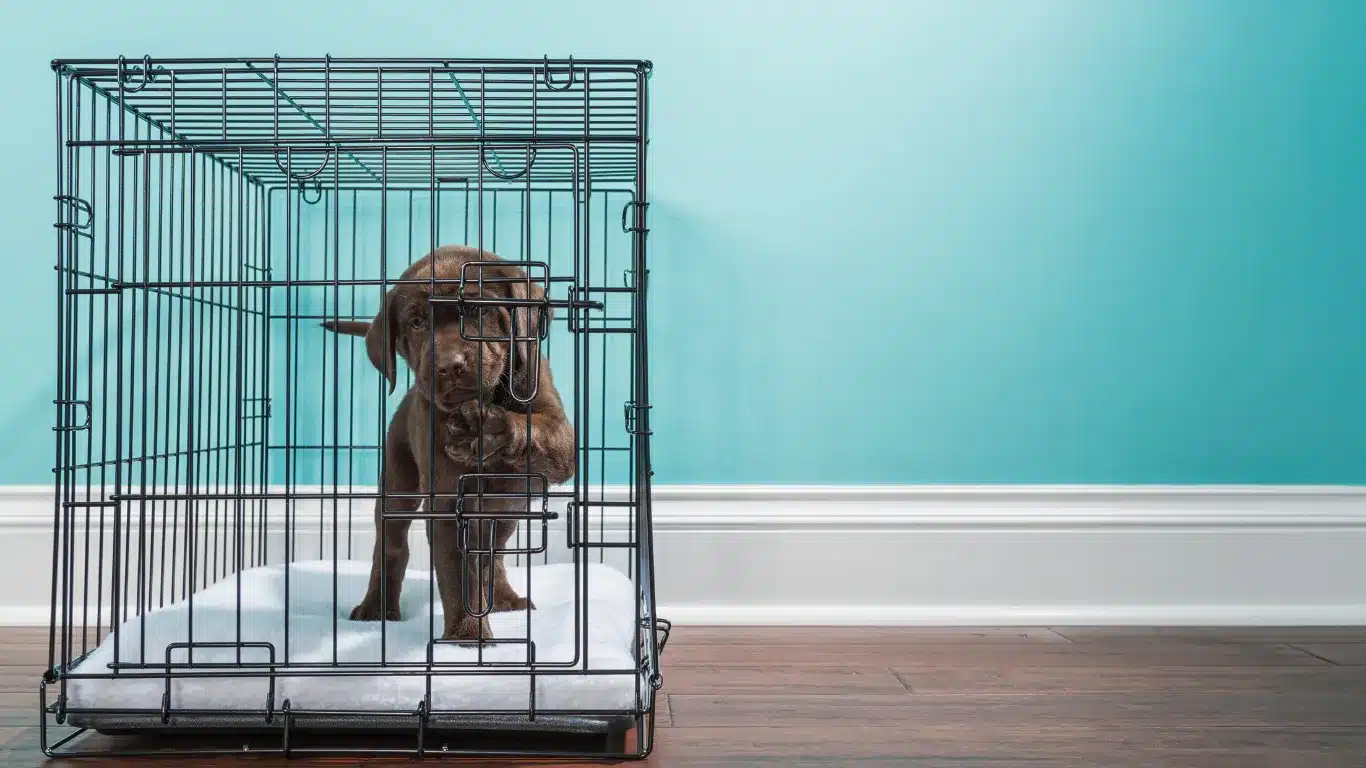
Your dog’s crate should be just the right size—not too big, not too small. It needs enough room for your dog to stand, turn around, and lie down comfortably. If the crate is too large, your dog might use one corner as a bathroom, which can cause discomfort and stress.
Think about adding a soft blanket or a cushioned mat inside. My dog stopped barking almost immediately when I switched to a crate with a cozy bed. Comfort reduces anxiety, which often triggers barking.
Crate Location
Where you place the crate affects your dog’s behavior. Dogs want to feel part of the family but also need a quiet spot to relax. Avoid noisy areas like near the TV or busy hallways.
Try putting the crate in a calm corner where your dog can see you but won’t be overwhelmed by activity. Have you noticed your dog barks less when they’re not isolated? Location can make all the difference.
Safe Environment
Safety inside the crate is key to preventing barking. Remove any sharp objects or loose items that could harm your dog. Make sure the crate door closes securely but doesn’t trap your dog in a way that causes panic.
Adding familiar toys or a piece of your clothing can comfort your dog and reduce barking. Does your dog have something inside the crate that reminds them of home? That sense of security helps keep them calm.
Training Techniques To Reduce Barking
Training a dog to stop barking in the crate takes patience and clear techniques. Teaching your dog helps them feel safe and calm inside the crate. Consistency and positive actions lead to better behavior over time.
Gradual Crate Introduction
Introduce the crate slowly to avoid fear or stress. Start by leaving the crate door open with treats inside. Let your dog explore the crate at their own pace. Gradually increase the time your dog spends inside with the door closed. This helps your dog see the crate as a safe place, not a trap.
Positive Reinforcement
Use rewards to encourage quiet behavior in the crate. Praise your dog or offer treats when they stay calm and quiet. Avoid punishment, as it can increase anxiety and barking. Rewarding good behavior teaches your dog that silence brings positive attention and treats.
Establishing A Routine
Keep a regular schedule for crate time to reduce barking. Dogs feel more secure with set feeding, play, and rest times. A predictable routine helps your dog relax in the crate. Include exercise before crate time to burn off energy. A tired dog is less likely to bark.
Ignoring Attention-seeking Barking
Do not respond to barking that aims to get your attention. Any reaction can reinforce the barking behavior. Wait until your dog is quiet before giving attention or treats. Ignoring barking shows your dog that noise does not bring rewards. This reduces barking over time.

Credit: fxw.life
Using Tools And Aids
Using tools and aids can help reduce your dog’s barking in the crate. These items keep your dog calm and distracted. They create a positive crate experience. This section covers some effective aids to try.
Chew Toys And Puzzles
Chew toys keep dogs busy and calm inside the crate. They satisfy the natural urge to chew. Puzzles challenge your dog’s mind. They slow down eating and reduce boredom. Both toys and puzzles prevent restless barking by giving your dog something to focus on.
Calming Sprays And Diffusers
Calming sprays release scents that soothe dogs. Common scents include lavender and chamomile. Diffusers spread these scents around the crate area. They help reduce anxiety and stress. Using calming sprays or diffusers creates a peaceful environment for your dog.
White Noise Machines
White noise machines mask outside sounds. Sudden noises often trigger barking in crates. The steady sound of white noise blocks these distractions. This keeps your dog relaxed and less likely to bark. Place the machine near the crate for best results.
Addressing Anxiety And Stress
Barking in the crate often signals anxiety or stress in dogs. Understanding and easing these feelings can reduce barking significantly. Helping your dog feel safe and calm is key. This section explores ways to address stress and anxiety effectively.
Exercise And Mental Stimulation
Regular exercise helps burn off excess energy. A tired dog barks less from restlessness. Mental games keep their brain busy. Puzzle toys or training sessions work well. These activities reduce anxiety and improve behavior in the crate.
Comfort Items In Crate
Adding familiar items comforts your dog. A soft blanket or favorite toy creates a safe space. Scents from home or your clothing soothe nerves. Comfort items help the crate feel less lonely and scary. This can lower barking caused by stress.
Professional Help When Needed
Persistent barking might need expert advice. A trainer or behaviorist can identify triggers. They offer tailored plans to manage anxiety. Professionals guide you through training techniques. Seeking help ensures your dog’s well-being and peace.

Credit: www.dogsavvylosangeles.com
Common Mistakes To Avoid
Stopping your dog from barking in the crate can be challenging, especially if you unknowingly make common mistakes that hinder progress. Understanding what not to do is just as important as knowing the right training techniques. Avoiding these pitfalls will save you frustration and help your dog feel more comfortable and secure in their crate.
Punishing Barking
Punishing your dog for barking in the crate often backfires. Dogs don’t bark to annoy you; they usually express discomfort, anxiety, or need for attention.
If you scold or punish them, it can increase their stress and make barking worse. Instead, focus on rewarding quiet behavior to encourage calmness.
Inconsistent Training
Consistency is key when training your dog to stop barking in the crate. If you respond differently each time—sometimes ignoring the barking, other times giving attention—you confuse your dog.
Imagine being given mixed signals; how would you know what’s expected? Set clear rules and stick to them every time your dog is in the crate.
Overusing The Crate
Your dog’s crate should be a safe space, not a punishment zone. Keeping your dog in the crate for too long can cause anxiety and lead to more barking.
Think about how long you’d like to be confined to a small space. Make sure to balance crate time with plenty of exercise and play outside.
Frequently Asked Questions
How Can I Stop My Dog Barking In The Crate?
To stop your dog from barking in the crate, ensure it’s comfortable and secure. Use positive reinforcement by rewarding quiet behavior. Gradually increase crate time while monitoring your dog’s reactions. Consistency and patience are key to reducing anxiety and promoting calm behavior.
Why Does My Dog Bark In The Crate?
Dogs often bark in crates due to separation anxiety or discomfort. They might need to adjust to the new environment. Ensuring the crate is cozy and familiar can help. Gradual acclimation and positive reinforcement can reduce anxiety and promote a sense of safety.
What Tools Help Reduce Crate Barking?
Various tools can help reduce barking in the crate. Consider using a crate cover to create a den-like atmosphere. White noise machines or calming sprays can also soothe your dog. Consistent training with rewards for quiet behavior can reinforce positive habits effectively.
Is Crate Barking A Sign Of Anxiety?
Yes, crate barking can indicate anxiety or stress in dogs. It often stems from unfamiliar surroundings or separation from owners. Addressing the root cause with gradual acclimation and positive reinforcement can help. Creating a comfortable, secure space can alleviate your dog’s anxiety.
Conclusion
Stopping your dog from barking in the crate takes time and patience. Consistent training helps your dog feel calm and safe. Use gentle rewards and clear commands to guide your dog. Avoid yelling, as it can make barking worse. Small steps lead to big progress.
Remember, every dog learns at its own pace. Keep practicing daily for best results. Soon, your dog will enjoy quiet time in the crate. Peaceful moments are possible with care and effort. Trust the process and stay positive.

Emily Barker is the founder of ChillDogLife.com, a space dedicated to helping pup parents discover the best dog products, lifestyle tips, and cozy ideas for happier homes.
A lifelong dog lover, Emily combines her passion for pets with a knack for research to share trusted recommendations on everything from toys and furniture to health and everyday care.
Her goal is simple: to make life easier, stylish, and more joyful for dogs and the people who love them.




