
Have you ever wondered why your dog barks at strangers or suddenly starts digging in the yard? Understanding dog behavior can unlock the secrets behind your furry friend’s actions.
When you know what drives your dog, you can strengthen your bond, prevent problems, and create a happier home for both of you. This guide will help you see your dog’s world more clearly and give you simple tips to improve your connection right away.
Keep reading—you’ll discover how to make your dog’s behavior work for you, not against you.
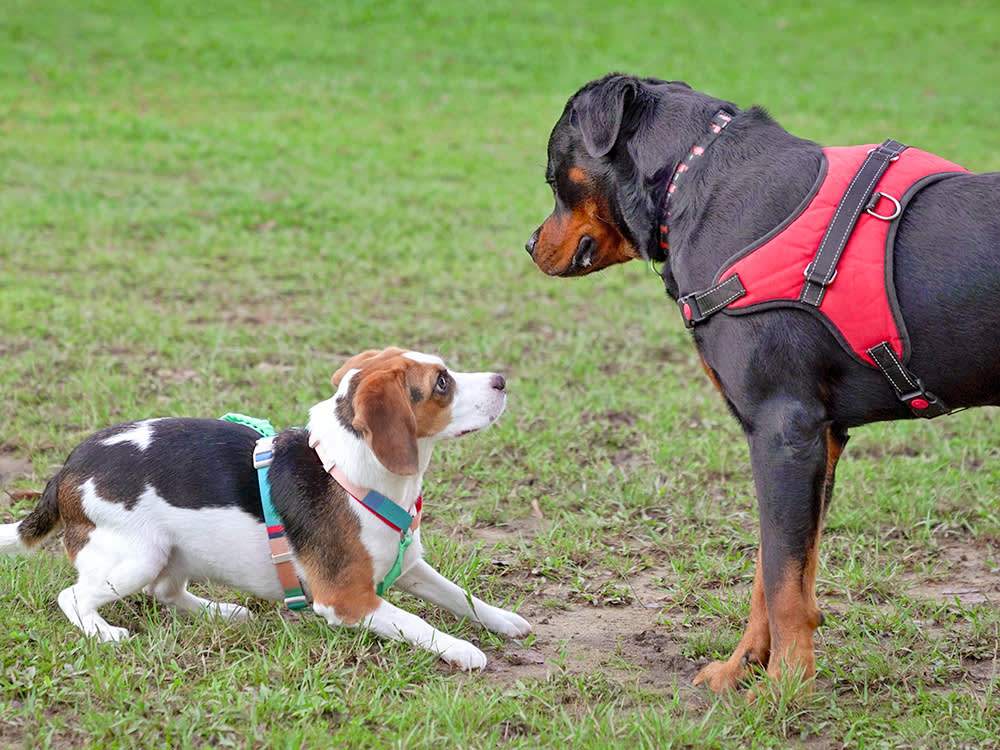
Credit: www.kinship.com
Common Dog Behaviors
Dogs communicate in many ways. Understanding their behavior helps us care for them better.
This guide explains common dog behaviors and what they mean.
Body Language Signals
Dogs use their bodies to show feelings. Watching these signals helps know what they want.
- Tail wagging:A happy dog often wags its tail gently.
- Ears position:Ears up mean alertness; ears back show fear or submission.
- Eye contact:Direct stare can be a challenge; looking away shows calmness.
- Body posture:Relaxed means calm; stiff means tense or ready to act.
- Yawning:Dogs yawn when stressed or tired.
Vocalizations And Their Meanings
Dogs use sounds to talk. Each sound shows a different mood or need.
| Sound | Meaning |
| Bark | Alert, greeting, or seeking attention |
| Whine | Stress, discomfort, or asking for something |
| Growl | Warning or feeling threatened |
| Howl | Communication with other dogs or loneliness |
| Snarl | Fear or aggression |
Playful Vs Aggressive Actions
Play and aggression can look similar. Watch closely to tell the difference.
| Action | Playful Meaning | Aggressive Meaning |
|---|---|---|
| Jumping | Excited to play | Trying to dominate |
| Teeth showing | Play face, no sound | Growling or biting |
| Biting | Gentle mouthing | Hard, hurting bites |
| Body bounce | Happy and energetic | Rigid and tense |
| Tail wag | Loose and fast wag | Slow, stiff wag |

Credit: beyondpets.com
Reasons Behind Dog Actions
Dogs act in many ways, and their behavior often has clear reasons. Understanding these reasons helps us care for them better.
Some dog actions come from natural instincts, while others come from learning or feelings. Let’s explore these reasons.
Instinctive Behaviors
Dogs have behaviors built into them by nature. These actions help them survive or protect themselves.
Examples include barking to warn of danger and digging to find shelter. These instincts come from their wild ancestors.
- Chasing moving objects, like balls or animals
- Barking to alert their owner of strangers
- Sniffing to explore their environment
- Chewing to keep their teeth healthy
Learned Habits
Dogs learn actions by watching and repeating what works. These habits form from training or daily life.
For example, a dog may sit when told because it learned it gets a treat. These habits shape their behavior over time.
- Responding to commands like “sit” or “stay”
- Waiting by the door before a walk
- Coming when called by their name
- Jumping up to greet people
Emotional Responses
Dogs show feelings through their actions. They may behave differently when happy, scared, or stressed.
Understanding these emotions helps owners respond kindly and support their dogs’ well-being.
- Tail wagging shows happiness or excitement
- Whining can mean anxiety or discomfort
- Hiding or cowering often means fear
- Playful biting shows joy and energy
Reading Your Dog’s Mood
Dogs show their feelings through body language. Learning to read these signs helps you understand their mood.
Knowing if your dog is happy, stressed, or scared improves your bond and keeps them safe.
Signs Of Happiness
A happy dog shows relaxed body movements and friendly behavior. Watch for these signs to know your dog feels good.
- Loose, wagging tail
- Soft eyes and relaxed ears
- Playful behavior or gentle barking
- Relaxed body and open mouth
- Seeking attention or petting
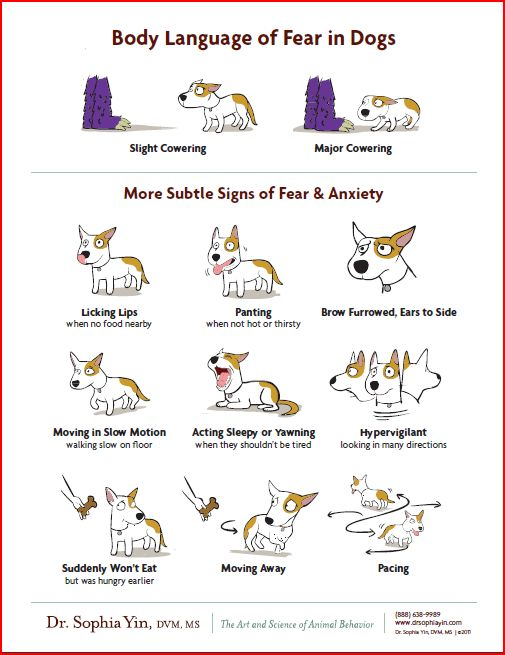
Indicators Of Stress
Stress shows in a dog’s body and behavior. Knowing these signs helps you calm your dog and avoid problems.
| Sign | What It Means |
| Yawning | Feeling uneasy or trying to calm down |
| Licking lips | Nervousness or discomfort |
| Pacing | Restlessness or anxiety |
| Whining | Stress or seeking comfort |
| Tail tucked | Fear or insecurity |
Recognizing Fear And Anxiety
Fear and anxiety can cause serious behavior changes. Watch closely for these signs to help your dog feel safe.
- Avoiding eye contact
- Cowering or lowering the body
- Shaking or trembling
- Hiding behind objects or people
- Growling or snapping when approached
Credit: medium.com
Training Tips To Shape Behavior
Training your dog helps create good behavior and a strong bond. Consistent practice and patience are important.
Use simple techniques to guide your dog. Clear communication makes training easier and more effective.
Positive Reinforcement Techniques
Reward good behavior to encourage your dog. Praise, treats, and toys work well as rewards.
Give rewards right after the good action. This helps your dog link the behavior to the reward.
- Use treats your dog likes
- Praise with a happy voice
- Give toys for extra motivation
- Be consistent with rewards
Correcting Unwanted Actions
Stop bad behavior gently but firmly. Avoid yelling or hitting your dog, as it can cause fear.
Use clear commands like “No” or “Stop”. Redirect your dog to a better action instead.
- Say “No” in a calm, firm voice
- Distract with a toy or treat
- Reward good behavior after correction
- Be patient and consistent
Building Trust And Communication
Spend quality time with your dog daily. Trust grows with gentle care and attention.
Learn your dog’s signals and feelings. Watch body language to understand when they are happy or stressed.
- Use calm tones when talking
- Offer affection and playtime
- Respect your dog’s space and limits
- Be patient and consistent in training
Behavioral Challenges And Solutions
Dogs can show behaviors that are hard to manage. Understanding these problems helps owners find good solutions.
This guide covers common dog behavior issues and how to address them safely and kindly.
Separation Anxiety
Separation anxiety happens when dogs feel stressed if left alone. They may bark, chew, or try to escape.
- Give your dog a safe space with toys.
- Practice short departures to build comfort.
- Use calm tones when leaving or returning.
- Provide exercise before you leave.
- Consider a dog walker or pet sitter if needed.
Excessive Barking
Barking is normal, but too much can annoy neighbors. It may mean boredom, fear, or alerting to sounds.
| Cause | Solution |
| Boredom | Give toys and daily exercise |
| Fear | Use calm reassurance, avoid triggers |
| Alerting | Train to respond only to real threats |
Aggression Issues
Aggression can hurt people or other animals. It shows as growling, biting, or lunging.
Tips to reduce aggression:
- Stay calm and avoid punishment.
- Identify triggers like food or strangers.
- Use positive rewards for good behavior.
- Seek help from a professional trainer.
Enhancing Your Bond Through Behavior
Dogs are more than pets; they are family. Building a strong bond with your dog is vital. Understanding their behavior can make your connection deeper.
Focus on interactive play, a consistent routine, and recognizing their personality. These elements help in creating a loving and trusting relationship.
Interactive Play Ideas
Playing with your dog is fun and a great way to bond. It keeps them active and mentally stimulated.
Try different games to see what your dog enjoys most. Remember, playtime is also learning time.
- Fetch with a ball or frisbee
- Hide and seek with treats
- Interactive puzzle toys
Consistent Routine Benefits
Dogs thrive on routine. A consistent schedule helps them feel secure and understand expectations.
Regular feeding, walking, and playtime reduce stress. It also helps in training them effectively.
- Set regular meal times
- Daily walks at the same time
- Scheduled playtime and rest
Recognizing Your Dog’s Personality
Every dog is unique with its personality. Understanding this helps in creating a tailored approach to bonding.
Observe how your dog reacts in different situations. This helps in knowing their likes and dislikes.
- Watch their body language
- Note their energy levels
- Observe their social interactions
Frequently Asked Questions
What Are Common Signs Of Dog Anxiety?
Dogs show anxiety by pacing, whining, panting, or excessive barking. They may also hide or chew objects. Recognizing these signs helps in providing timely comfort and training to reduce stress.
How Do Dogs Communicate With Body Language?
Dogs use tail wagging, ear position, and facial expressions to express emotions. A wagging tail usually shows happiness, while a tucked tail indicates fear. Understanding these cues improves owner-dog interaction.
Why Does My Dog Bark Excessively?
Excessive barking often signals boredom, fear, or attention-seeking. It can also be a response to noise or strangers. Training and mental stimulation help manage this behavior effectively.
What Causes Aggression In Dogs?
Aggression can stem from fear, territorial instincts, or pain. It may also result from poor socialization or protective behavior. Identifying triggers allows for proper training and prevention.
Conclusion
Understanding dog behavior helps build a stronger bond with your pet. Dogs communicate through actions and sounds every day. Paying close attention to these signs is key. It makes training easier and life happier for both. Remember, patience and consistency bring the best results.
Enjoy learning about your dog’s unique personality. Small efforts lead to big improvements in behavior. Keep observing and responding with kindness and care. Your dog will feel safe and loved always. This knowledge creates a joyful and peaceful home together.

Emily Barker is the founder of ChillDogLife.com, a space dedicated to helping pup parents discover the best dog products, lifestyle tips, and cozy ideas for happier homes.
A lifelong dog lover, Emily combines her passion for pets with a knack for research to share trusted recommendations on everything from toys and furniture to health and everyday care.
Her goal is simple: to make life easier, stylish, and more joyful for dogs and the people who love them.




