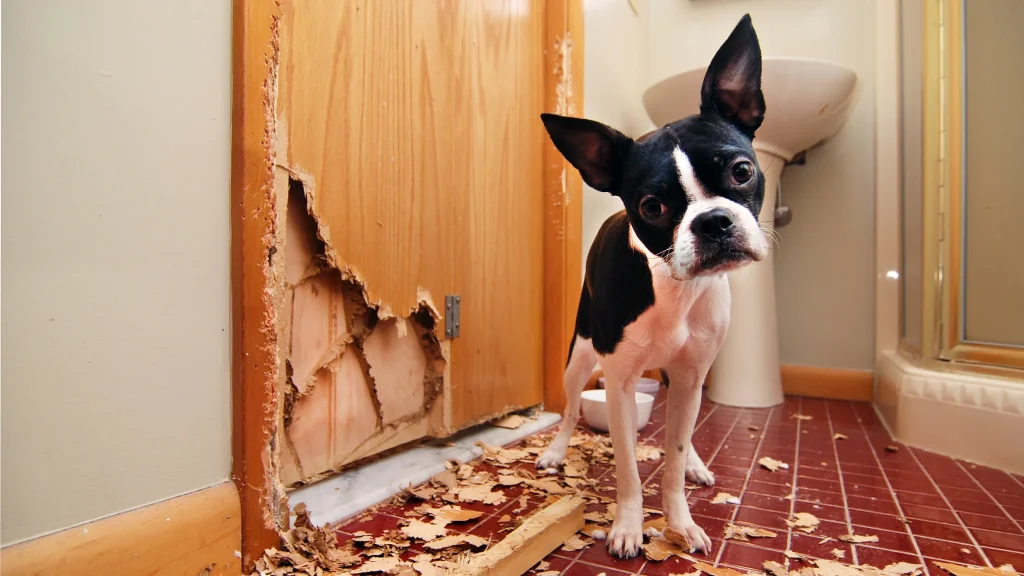
Is your dog chewing up your favorite shoes or scratching at the furniture? You’re not alone.
Many dog owners struggle with destructive behavior that can be frustrating and stressful. But what if you could understand why your dog acts this way and find simple ways to stop the damage? You’ll discover the real reasons behind your dog’s destructive habits and learn easy tips to help your furry friend feel happier and more relaxed.
Keep reading—you’re just a few steps away from turning chaos into calm.
Why Dogs Chew
Dogs chew for many reasons. Chewing is normal for dogs of all ages.
Understanding why dogs chew helps owners manage this behavior better.
Natural Instincts
Dogs have a natural urge to chew. It helps them explore the world.
Chewing also keeps their jaws strong and teeth clean.
Teething In Puppies
Puppies chew because their baby teeth fall out. New adult teeth grow in.
Chewing soothes their sore gums during this time.
- Chew toys help puppies feel better
- Safe items prevent damage to furniture
- Supervised chewing avoids swallowing harmful things
Boredom And Anxiety
Dogs chew when they feel bored or anxious. It gives them comfort.
Chewing can reduce stress and keep their minds busy.
- Provide toys to keep dogs entertained
- Spend time playing with your dog
- Use calming methods for anxious dogs
Lack Of Exercise
Dogs that do not get enough exercise may chew more. They have extra energy.
Daily walks and playtime help reduce unwanted chewing.
- Take your dog for regular walks
- Play games like fetch or tug-of-war
- Use puzzle toys to challenge your dog’s mind
Signs Of Destructive Chewing
Destructive chewing is a common problem in dogs. It can cause damage to your home and belongings. Recognizing the signs early helps to manage this behavior.
This guide covers common targets, behavior patterns, and severity levels of destructive chewing in dogs.
Common Targets
Dogs usually chew on items that catch their interest or are easy to reach. Knowing these targets can help protect important things.
- Shoes and slippers
- Furniture and cushions
- Children’s toys
- Electrical cords and wires
- Clothing left on the floor
Behavior Patterns
Destructive chewing shows in different ways depending on the dog and situation. Watch for these behavior patterns.
- Chewing when left alone, showing separation anxiety
- Chewing out of boredom or lack of exercise
- Chewing to relieve teething pain in puppies
- Chewing as a way to get attention
- Repeated chewing on the same objects
Severity Levels
The damage caused by chewing varies. The severity level helps to decide the best actions to take.
| Severity Level | Signs | Examples |
| Low | Minor damage | Small teeth marks on shoes or cushions |
| Moderate | Visible destruction | Chewed furniture edges, torn clothing |
| High | Severe damage, safety risk | Chewed wires, holes in walls, destroyed toys |
Preventing Destructive Chewing
Destructive chewing can harm your dog and your belongings. It often happens when dogs feel bored or anxious. You can stop this behavior by giving your dog proper care and attention.
Preventing destructive chewing needs effort in exercise, mental activities, and safe toys. Each part helps your dog stay calm and happy.
Proper Exercise
Exercise helps your dog burn energy and stay healthy. A tired dog is less likely to chew on furniture or shoes. Try to give your dog daily walks and playtime outside.
- Take your dog for a 30-minute walk each day
- Play fetch or tug-of-war games
- Allow your dog to run in a safe, enclosed area
- Use dog parks for social and physical exercise
Mental Stimulation
Mental challenges keep your dog’s mind busy. A bored dog may chew to entertain itself. Use puzzles and training to give your dog a good mental workout.
| Mental Activity | How It Helps |
| Food Puzzle Toys | Encourages problem solving |
| Basic Obedience Training | Improves focus and control |
| Hide and Seek Games | Stimulates natural instincts |
| New Tricks | Builds confidence and attention |
Safe Chew Toys
Providing safe chew toys satisfies your dog's need to chew. It protects your items and keeps your dog happy. Choose toys that match your dog’s size and chewing strength.
Good chew toy choices include:
- Durable rubber toys
- Natural bones from a pet store
- Soft plush toys for gentle chewers
- Frozen chew toys to soothe gums
Always check toys for damage and replace them if broken.

Credit: www.petsfolio.com
Training Techniques
Dogs may show destructive behavior for many reasons. Training helps guide them to better habits.
Using clear and kind methods makes training easier and more effective for your dog.
Positive Reinforcement
Reward your dog when it shows good behavior. This encourages your dog to repeat those actions.
- Give treats or praise right after good behavior.
- Use a calm and happy voice to show approval.
- Be consistent with rewards to build habits.
- Avoid punishment as it may cause fear or confusion.
Redirecting Attention
If your dog starts chewing or digging, gently lead its attention to a toy or activity.
Try these ideas to redirect your dog:
- Offer a chew toy when your dog bites furniture.
- Play a game to distract from unwanted digging.
- Use commands like “leave it” to stop bad habits.
Consistent Commands
Use the same words and tone for commands every time. This helps your dog understand what you want.
| Command | Purpose | Example |
| “Sit” | Make the dog sit down | Use when you want calmness |
| “Leave it” | Stop unwanted behavior | Use to prevent chewing or biting |
| “Come” | Call the dog to you | Use for safety or attention |
Environmental Adjustments
Dogs sometimes chew or scratch things they should not. Changing their environment can help stop this behavior. Small changes keep your dog safe and your home intact.
Use simple tools and ideas to create a calm space for your dog. This reduces their need to act out destructively.
Dog-proofing Your Home
Protect your belongings by making your home less tempting. Put away items your dog might chew or break. Cover cords and keep trash bins closed.
- Store shoes and toys out of reach
- Use baby gates to block off rooms
- Secure electrical cords with covers
- Hide or lock away cleaning supplies
- Keep food on counters or in cabinets
Using Deterrent Sprays
Deterrent sprays make objects taste bad to dogs. These sprays discourage chewing on furniture or shoes. Always test on a small area first to avoid damage.
| Type of Spray | Use | Notes |
| Bitter Apple | Furniture, shoes | Safe and commonly used |
| Citrus Spray | Plants, cords | Strong smell dogs dislike |
| Commercial Deterrents | Various objects | Follow product instructions |
Creating A Safe Space
Give your dog a quiet area with their bed and toys. This space helps them feel calm and less likely to destroy things.
- Choose a low-traffic area
- Include soft bedding and favorite toys
- Keep water nearby
- Use calming scents or white noise if needed
- Check the space daily for hazards

Credit: pupford.com
When To Seek Professional Help
Dogs can sometimes show destructive behavior. This may include chewing, digging, or excessive barking. It is important to know when to ask for professional help. Understanding your dog’s needs is key to solving these issues.
If your dog's behavior is causing harm or stress, it might be time to consult a professional. Sometimes, the behavior is beyond what you can handle at home. Let’s explore some options for professional help.
Behavioral Therapy Options
Behavioral therapy can help dogs with destructive habits. A specialist can assess your dog’s behavior and suggest changes. This may involve altering the dog’s environment or routine.
Therapists work with both the dog and the owner. They teach techniques to reduce anxiety and aggression. This can lead to a more peaceful home environment.
- One-on-one sessions
- Group therapy for socialization
- Custom plans for each dog
Veterinary Advice
Sometimes destructive behavior is linked to health issues. A vet can check if your dog is in pain or discomfort. They can run tests to rule out medical problems.
Vets may suggest medication to calm your dog. This is useful for anxiety-related behaviors. Regular check-ups ensure your dog stays healthy and happy.
| Common Tests | Purpose |
| Blood tests | Check for infections |
| X-rays | Look for injuries |
| Allergy tests | Identify allergens |
Training Classes
Training classes can help correct destructive behavior. Professional trainers teach commands and tricks. This helps dogs understand what is expected of them.
Classes are also a great way for dogs to socialize. They learn how to behave around other dogs and people. This can reduce fear and aggression.
- Basic obedience classes
- Advanced behavior training
- Puppy socialization classes

Credit: www.youtube.com
Frequently Asked Questions
What Causes Dog Destructive Behavior At Home?
Dog destructive behavior often stems from boredom, anxiety, or lack of exercise. Puppies may chew as part of teething. Stress or separation anxiety can trigger destructive actions. Understanding the root cause helps in effective training and prevention.
How To Stop A Dog From Chewing Furniture?
Provide plenty of chew toys and regular exercise. Use deterrent sprays on furniture to discourage chewing. Consistent training and positive reinforcement teach appropriate chewing behavior. Redirect your dog’s attention to acceptable items when they start chewing furniture.
Can Lack Of Exercise Lead To Destructive Behavior?
Yes, insufficient exercise causes excess energy, leading to destructive acts. Dogs need daily physical and mental stimulation. Regular walks and playtime reduce boredom and anxiety. Meeting exercise needs helps maintain a calm and well-behaved dog.
Is Separation Anxiety Responsible For Destructive Behavior?
Separation anxiety is a common cause of destructive behavior. Dogs may chew or dig to cope with stress when alone. Gradual training and creating a safe environment reduce anxiety. Professional help might be needed for severe cases.
Conclusion
Dogs chew and dig for many reasons. Understanding these helps you stop bad habits. Give your dog enough play and exercise time. Use toys to keep their mind busy. Train gently and reward good behavior. Stay patient; changes take time.
A calm dog is a happy dog. Your care can make a big difference. Keep learning about your dog’s needs. Small steps lead to better behavior.

Emily Barker is the founder of ChillDogLife.com, a space dedicated to helping pup parents discover the best dog products, lifestyle tips, and cozy ideas for happier homes.
A lifelong dog lover, Emily combines her passion for pets with a knack for research to share trusted recommendations on everything from toys and furniture to health and everyday care.
Her goal is simple: to make life easier, stylish, and more joyful for dogs and the people who love them.




