
Have you ever wondered why your dog acts a certain way? Understanding your dog’s behavior can make a huge difference in how you connect with your furry friend.
When you truly grasp what your dog is trying to tell you, every wag, bark, or gesture becomes clearer. This not only strengthens your bond but also helps you respond better to their needs. Keep reading to unlock the secrets behind your dog’s actions and discover simple ways to improve your relationship starting today.

Credit: www.youtube.com
Dog Communication
Dogs use many ways to talk with each other and with people. They do not use words but show feelings through actions.
Understanding dog communication helps us know what they want and how they feel.
Body Language Signals
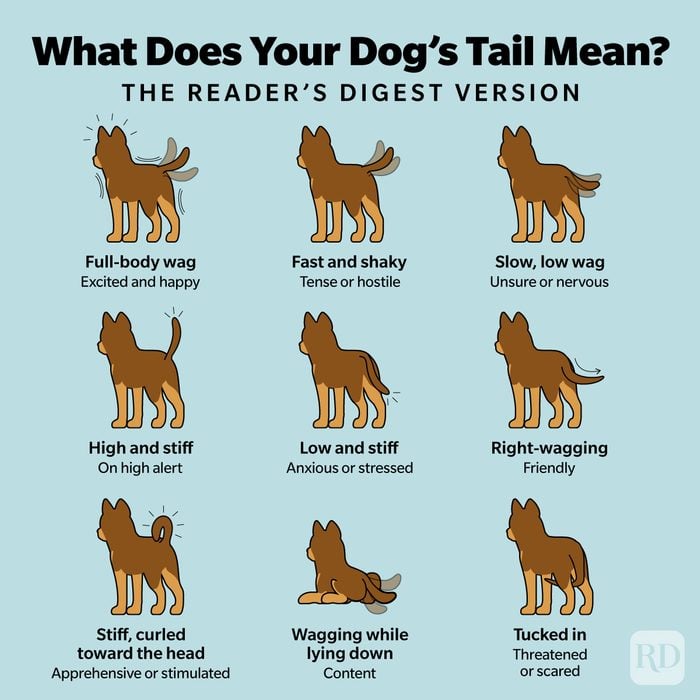
Dogs use their bodies to send messages. Their posture, tail, and ears tell a lot about their mood.
For example, a wagging tail can mean happiness, but a stiff tail may show alertness or stress.
- Relaxed body means the dog feels safe
- Crouching or lowering shows fear or submission
- Raised hackles can mean the dog feels threatened
- Tail position changes show different emotions
- Ears forward show interest; ears back show fear
Vocalizations And Sounds
Dogs make sounds to express themselves. Barking, growling, and whining each have different meanings.
Listening carefully to these sounds helps us understand what dogs want or feel.
- Barking can mean alert, play, or warning
- Growling often shows warning or fear
- Whining may mean stress, pain, or seeking attention
- Howling can be a call or response to sounds
- Yelping usually signals pain or surprise
Facial Expressions
Dogs use their faces to show feelings. Eyes, mouth, and eyebrows change to send signals.
Watching a dog’s face helps us see if they are happy, scared, or angry.
- Soft eyes show calm and trust
- Wide eyes with whites showing can mean fear or stress
- Relaxed mouth means the dog is happy
- Bared teeth show anger or fear
- Raised eyebrows can mean curiosity or attention
Common Dog Behaviors
Understanding your dog's behavior is important for a happy pet. Dogs show different behaviors to communicate with us and their surroundings.
Recognizing these behaviors helps in caring for them better. Let’s explore some common dog behaviors and what they mean.
Play And Social Interaction
Dogs love to play, which is a way to bond. It helps them learn social skills and use up energy.
During play, dogs may chase, wrestle, or tug. These activities teach them how to interact with others.
- Chasing involves running after toys or other dogs.
- Wrestling shows trust and helps them learn boundaries.
- Tugging is a fun way to exercise and test strength.
Territorial Actions
Dogs are naturally territorial animals. They mark their territory to feel secure and show ownership.
Barking at strangers or other dogs is a common territorial action. It tells others to stay away from their space.
- Marking with urine is a natural behavior to claim areas.
- Barking at the door alerts owners about intruders.
- Standing guard shows they are protective of their home.
Anxiety And Stress Signs
Dogs can feel anxious or stressed just like humans. Recognizing signs of stress helps in providing comfort.
Common signs include panting, pacing, and hiding. These behaviors indicate they might need attention or reassurance.
- Panting heavily without exercise can mean stress.
- Pacing around the room shows restlessness.
- Hiding or seeking solitude is a sign of anxiety.
Factors Influencing Behavior
Dogs show different behaviors based on many factors. These factors shape how they act and react.
Understanding these factors helps owners care for their dogs better and support positive behavior.
Breed Traits
Each dog breed has traits that affect behavior. Some breeds are more active, while others are calm.
- Herding breeds tend to be alert and energetic.
- Working breeds often show strong protective instincts.
- Companion breeds usually seek attention and affection.
- Hunting breeds may have a high prey drive.
Age And Development
Behavior changes as dogs grow. Puppies explore and learn by playing and testing boundaries.
| Age | Behavior Traits |
| Puppy (0-6 months) | Curious, playful, sometimes nippy |
| Adolescent (6-18 months) | Testing limits, high energy |
| Adult (18 months-7 years) | Stable, more focused |
| Senior (7+ years) | Calmer, may slow down |
Environment And Socialization
A dog’s surroundings and early experiences shape its behavior. Positive socialization helps dogs feel safe with others.
Key elements of socialization include:
- Meeting other dogs and people calmly
- Experiencing different sounds and places
- Learning to handle new situations without fear
Credit: www.rd.com
Training Techniques
Training dogs helps build good habits and strengthens your bond. Using the right techniques makes learning easier for your dog.
Patience and consistency are key in teaching your dog how to behave well. Positive methods create a happy learning experience.
Positive Reinforcement
Positive reinforcement means rewarding good behavior to encourage it. Dogs learn faster when they get treats or praise for doing well.
- Use small treats your dog loves
- Praise your dog with a happy voice
- Give rewards immediately after good actions
- Repeat rewards often at the start
- Gradually reduce treats, keep praise
Consistency And Patience
Training takes time and steady effort. Dogs need to hear the same rules every day to understand what you want.
| Consistency Tips | Why It Helps |
| Use the same commands | Reduces confusion |
| Train at the same times | Builds routine |
| Keep sessions short | Keeps attention |
| Be patient with mistakes | Encourages learning |
Avoiding Punishment
Punishing dogs can cause fear and damage trust. Focus on teaching what to do, not what not to do.
Instead of punishment:
- Redirect bad behavior gently
- Reward good behavior often
- Stay calm and firm
- Use time-outs if needed
Improving Pet Happiness
Understanding your dog's behavior helps improve their happiness. Dogs need care that fits their mental and physical needs.
Focusing on mental stimulation, physical exercise, and building strong bonds makes pets feel loved and safe.
Mental Stimulation
Mental challenges keep dogs sharp and prevent boredom. Bored dogs may show unwanted behaviors like chewing or digging.
- Use puzzle toys to hide treats
- Teach new commands or tricks
- Allow sniffing time during walks
- Play interactive games like fetch or hide-and-seek
Physical Exercise
Exercise helps dogs stay healthy and burn energy. It also reduces stress and anxiety in pets.
| Type of Exercise | Benefits |
| Walking | Improves heart health and strength |
| Running | Burns extra energy quickly |
| Playing Fetch | Enhances agility and focus |
| Swimming | Low-impact full-body workout |
Building Strong Bonds
Strong bonds make dogs feel secure and happy. Trust grows from time spent together and positive interactions.
Ways to build a strong bond:
- Spend quiet time petting or grooming
- Use gentle voice tones and praise
- Respect their space when they need it
- Share new experiences like trips or training classes

Credit: www.humintell.com
Frequently Asked Questions
What Are Common Signs Of Dog Anxiety?
Dogs show anxiety through pacing, whining, shaking, and excessive barking. They may also hide or avoid eye contact. Recognizing these signs helps owners address their dog’s emotional needs effectively.
How Do Dogs Communicate With Body Language?
Dogs use tail wagging, ear positioning, and facial expressions to communicate. A wagging tail often means happiness, while raised ears show alertness. Understanding these cues improves human-dog interaction and strengthens bonds.
Why Do Dogs Bark Excessively?
Excessive barking can indicate boredom, fear, or a need for attention. It may also signal a response to environmental triggers. Identifying the cause helps manage and reduce unwanted barking behavior.
How Can I Train My Dog To Behave Better?
Consistent positive reinforcement, clear commands, and patience are key to training. Reward good behavior promptly and avoid punishment. Regular training sessions build trust and improve obedience effectively.
Conclusion
Understanding your dog's behavior helps build a strong bond. Dogs communicate through actions, not words. Paying attention to their signals prevents problems. It also makes training easier and more fun. Every dog is unique and needs patience. Watching and learning can improve your relationship.
Enjoy the time with your furry friend. A happy dog means a happy owner. Keep observing, stay kind, and show love. This creates trust and lifelong friendship.

Emily Barker is the founder of ChillDogLife.com, a space dedicated to helping pup parents discover the best dog products, lifestyle tips, and cozy ideas for happier homes.
A lifelong dog lover, Emily combines her passion for pets with a knack for research to share trusted recommendations on everything from toys and furniture to health and everyday care.
Her goal is simple: to make life easier, stylish, and more joyful for dogs and the people who love them.




