
Have you noticed your once gentle dog suddenly acting aggressive? It can be confusing and even scary when your older dog starts snapping, growling, or showing signs of anger.
You might wonder why this is happening and what you can do to help. Understanding aggressive behavior in older dogs is key to keeping your furry friend safe and happy. You’ll discover the real reasons behind these changes and learn simple steps to manage and improve your dog’s behavior.
Keep reading—your dog’s well-being depends on it.
Credit: www.dwdogtraining.com
Causes Of Aggression In Older Dogs
Older dogs may show aggression for many reasons. Understanding these causes helps owners provide better care.
Aggression can come from health, mental, or environmental changes. Knowing why is the first step to help.
Health Issues
Health problems can make dogs feel scared or defensive. Illnesses can lower their tolerance and patience.
Conditions like infections, hormonal changes, or neurological problems often cause sudden aggression in older dogs.
Cognitive Decline
Older dogs may suffer from cognitive dysfunction. This condition is similar to dementia in humans.
Confusion and memory loss can make dogs anxious. Anxiety can trigger aggressive behavior unexpectedly.
Pain And Discomfort
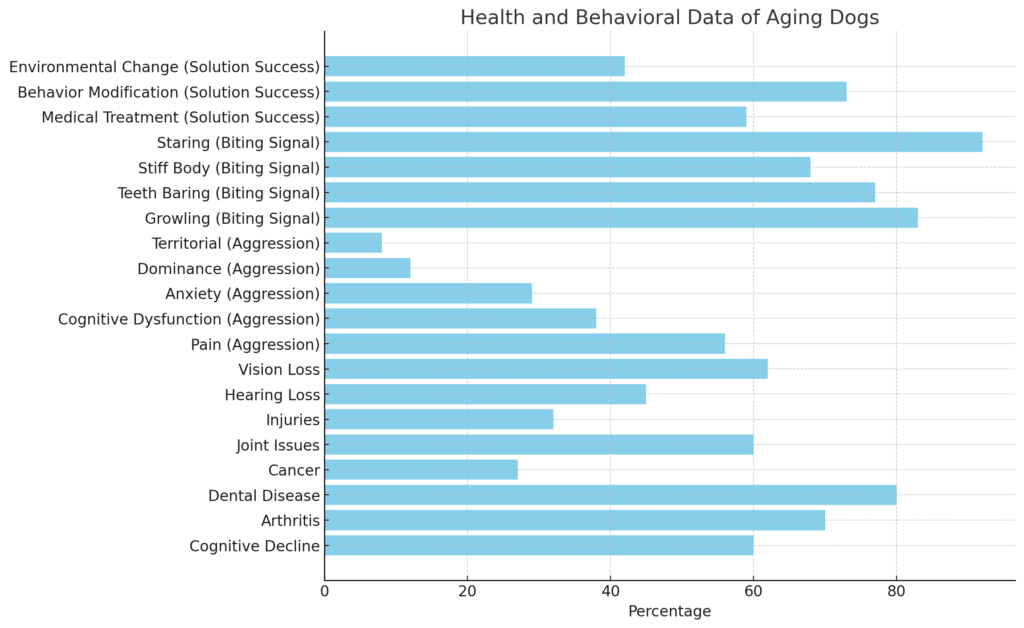
Pain from arthritis or injuries can cause irritability in older dogs. They may snap to protect painful areas.
Dogs often hide pain until it becomes severe. Aggression may be their way to warn others to stay away.
- Arthritis and joint pain
- Dental problems causing mouth pain
- Injuries or tumors
- Internal discomfort from organ issues
Environmental Changes
Changes in a dog’s home or routine can cause stress. Stress may lead to aggressive reactions.
New pets, moving houses, or loss of family members can confuse and frighten older dogs.
Past Trauma Or Abuse
Older dogs with a history of abuse may show aggression as a defense. They may still fear harm from people.
Triggers from their past can cause sudden aggressive outbursts, even if they seem calm most times.
Credit: www.dwdogtraining.com
Recognizing Aggressive Signs
Aggressive behavior in older dogs can be worrying for owners. Recognizing early signs helps keep everyone safe.
Older dogs may show aggression differently than younger ones. Watching their behavior closely is important.
Body Language Cues
Body language shows how a dog feels. Watch for stiff posture or raised hackles. A dog may growl or bare teeth as a warning.
- Stiff or tense body
- Raised fur along the back
- Direct, hard stare
- Bared teeth or lip curling
- Tail held high or stiff
Vocalizations
Sounds can signal aggression. Growling and snarling often warn others to stay away. Loud barking or snapping may also occur.
Behavioral Changes
Older dogs may change how they act. They might hide more or refuse to interact. Sudden irritability or snapping can be signs of stress or pain.
| Behavior | What It Might Mean |
| Hiding or avoiding people | Fear or discomfort |
| Snapping or biting suddenly | Pain or anxiety |
| Refusing touch or petting | Physical sensitivity |
| Loss of interest in usual activities | Stress or health issues |
Triggers To Watch For
Some things may trigger aggression in older dogs. Pay attention to changes in routine or new people. Touching sore spots can also cause a reaction.
- Sudden movements near the dog
- Strangers entering the home
- Being disturbed while resting
- Other pets invading personal space
- Loud noises or chaotic environments
Managing Aggression Safely
Aggressive behavior in older dogs can be concerning for owners. It is important to manage aggression safely to protect both the dog and people around.
Understanding the causes and using proper techniques helps reduce aggression and improve your dog’s quality of life.
Veterinary Assessment
A thorough veterinary check helps find medical issues causing aggression. Pain or illness can make older dogs irritable or defensive.
Your vet will perform exams and may suggest tests to rule out conditions like arthritis or neurological problems.
Behavioral Training Techniques
Training can help change aggressive habits. Use gentle, consistent methods to build trust and reduce fear.
- Reward calm behavior with treats or praise
- Avoid yelling or physical punishment
- Practice commands to improve control
- Gradually expose your dog to triggers at a safe distance
- Seek help from a professional trainer if needed
Medication Options
In some cases, medication can reduce aggression. Drugs may calm anxiety or treat brain changes linked to aging.
| Medication Type | Purpose | Notes |
| Anti-anxiety | Reduce stress | Short-term use |
| Antidepressants | Balance mood | Monitor side effects |
| Pain relief | Lower discomfort | May improve behavior |
Environmental Adjustments
Changing your dog’s environment can reduce triggers for aggression. Safe spaces and clear routines help dogs feel secure.
- Provide a quiet area to retreat
- Remove objects that cause guarding or frustration
- Keep feeding and walking times consistent
- Use baby gates to limit access when needed
Stress Reduction Strategies
Lowering stress helps calm aggressive dogs. Use calming aids and gentle activities to ease tension.
Common stress reduction methods include:
- Massage or gentle petting
- Background noise like soft music
- Interactive toys to distract
- Regular short walks for exercise
- Use of calming pheromone sprays or collars

Credit: www.dwdogtraining.com
Preventing Aggression In Aging Dogs
Aggression in older dogs can be a sign of pain or stress. It is important to help them stay calm and happy.
Preventing aggression starts with good care and attention to their needs. This guide covers key ways to support your aging dog.
Regular Health Checkups
Older dogs need regular vet visits to spot health problems early. Pain and illness can cause sudden aggression.
Checkups help keep your dog’s vaccines and treatments up to date. They also allow the vet to adjust care as your dog ages.
Maintaining Mental Stimulation
Keeping your dog’s mind active can reduce frustration and anxiety. Mental exercise helps lower the chance of aggressive behavior.
- Provide puzzle toys to challenge their thinking
- Teach new commands or tricks regularly
- Use scent games to engage their nose
- Rotate toys to keep interest high
Consistent Routine
A steady daily routine makes older dogs feel safe. It reduces stress that might cause aggression.
| Time | Activity |
|---|---|
| Morning | Walk and feeding |
| Afternoon | Rest and light play |
| Evening | Short walk and calm time |
Positive Socialization
Socializing helps dogs feel relaxed around people and pets. Positive experiences reduce fear and aggression.
Try these social tips:
- Invite calm dogs for visits
- Use treats to reward friendly behavior
- Avoid overwhelming crowded places
- Watch your dog’s body language closely
Frequently Asked Questions
What Causes Aggressive Behavior In Older Dogs?
Aggression in older dogs often stems from pain, cognitive decline, or fear. Health issues like arthritis can make dogs irritable. Changes in environment or routine also trigger aggression. Identifying the root cause is key to managing and reducing aggressive behavior effectively.
How Can I Safely Manage An Aggressive Older Dog?
To manage aggression, consult a veterinarian for health checks first. Use positive reinforcement training to encourage good behavior. Avoid punishing the dog, as it may worsen aggression. Provide a calm environment and consider professional help from a dog behaviorist.
Can Medical Conditions Trigger Aggression In Senior Dogs?
Yes, medical conditions like arthritis, dental disease, and neurological issues often cause pain and discomfort. These conditions can lead to increased irritability and aggression. Regular veterinary exams help detect and treat such illnesses early, improving your dog’s comfort and behavior.
Is Aggression In Older Dogs Reversible With Training?
Aggression can be managed and sometimes reduced with consistent, positive training methods. Early intervention is crucial for better outcomes. Training combined with medical treatment often improves behavior. However, some age-related aggression may not be fully reversible.
Conclusion
Aggressive behavior in older dogs can be tough to handle. Changes in health or pain often cause this behavior. Watch your dog closely and note any signs of discomfort. Regular vet visits help catch problems early. Training and patience can improve your dog’s mood.
Remember, your dog still needs love and care. Small steps make a big difference over time. Keep learning and stay calm. Your older dog can enjoy a happy, peaceful life.

Emily Barker is the founder of ChillDogLife.com, a space dedicated to helping pup parents discover the best dog products, lifestyle tips, and cozy ideas for happier homes.
A lifelong dog lover, Emily combines her passion for pets with a knack for research to share trusted recommendations on everything from toys and furniture to health and everyday care.
Her goal is simple: to make life easier, stylish, and more joyful for dogs and the people who love them.




