
Have you ever been surprised by your small dog’s sudden growl or snap? Aggressive behavior in small dogs can be confusing and frustrating, especially when you expect a cute, cuddly companion.
But understanding why your little friend acts this way is the key to building a happier, safer relationship. You’ll discover the real reasons behind small dog aggression and simple steps you can take to manage it. Keep reading to learn how to turn those tense moments into calm, confident connections with your furry friend.

Credit: stock.adobe.com
Common Causes
Small dogs can show aggressive behavior for many reasons. Understanding these causes helps owners manage their pets better.
Some causes come from inside the dog, while others come from outside. We will look at four main causes below.
Genetic Factors
Aggression can be passed from parent dogs to puppies. Some breeds have a higher chance of showing aggressive behavior. This is because of their genes.
Genes can affect how a dog reacts to threats or fear. Dogs with certain genes may be more protective or nervous.
Environmental Triggers
Things in a dog’s surroundings can cause aggression. Loud noises, strangers, or other animals can make a small dog feel scared or angry.
- Loud sounds like fireworks or thunder
- New people entering the home
- Other aggressive animals nearby
- Changes in daily routine or environment
Health Issues
Sometimes, health problems cause a dog to act aggressively. Pain or illness can make dogs less tolerant and more defensive.
| Health Issue | Effect on Behavior |
| Arthritis | Causes pain, leading to irritability |
| Dental Problems | Mouth pain can make dogs snap |
| Neurological Disorders | May cause confusion and aggression |
| Hormonal Imbalance | Can increase irritability and fear |
Lack Of Socialization
Dogs that do not meet other dogs or people often may become aggressive. They may not know how to act around others.
Signs of poor socialization include:
- Fear of new people or animals
- Growling or barking at strangers
- Hiding or running away from social situations

Credit: www.dwdogtraining.com
Behavioral Signs
Small dogs can show aggression in different ways. Watching for signs helps keep everyone safe.
Understanding these signs helps you respond correctly and avoid problems.
Growling And Barking
Growling warns others to stay away. Barking can be a sign of fear or anger in small dogs.
These sounds mean your dog feels threatened or uncomfortable.
Snapping And Biting
Snapping shows a dog is upset or scared. Biting is a serious sign of aggression.
- Snapping often comes before a bite.
- It is a warning to stop what you are doing.
- Biting can cause injury and needs quick attention.
- Always watch for early signs to prevent bites.
Body Language Cues
| Body Language | Meaning |
|---|---|
| Raised fur | Dog feels threatened or is ready to defend |
| Stiff posture | Dog is tense and alert |
| Tail tucked | Dog feels scared or submissive |
| Direct stare | Dog may be warning or challenging |
Fear And Anxiety Indicators
Fear and anxiety often cause small dogs to act aggressively. Watch for these signs:
- Shaking or trembling
- Cowering or hiding
- Excessive licking or yawning
- Refusal to move or run away
Prevention Strategies
Aggressive behavior in small dogs can cause problems for owners and others. Preventing this behavior is important for safety and happiness.
Using clear strategies early on helps your dog stay calm and friendly. These methods build good habits and reduce fear or frustration.
Early Socialization
Introducing your small dog to many people and animals early helps reduce fear. Social dogs are less likely to show aggression.
Start socialization when your puppy is young. Let them experience different places, sounds, and gentle handling.
- Invite friends to meet your dog
- Visit parks or pet-friendly areas
- Expose to different environments safely
- Use calm voices and gentle touch
Positive Reinforcement
Reward good behavior with treats, praise, or play. This encourages your dog to repeat calm and friendly actions.
Ignore or redirect unwanted behavior instead of punishing. Positive reinforcement builds trust and confidence.
- Give treats when your dog stays calm
- Praise your dog for friendly greetings
- Use toys or play as rewards
- Avoid yelling or physical punishment
Consistent Training
Train your dog with simple commands every day. Consistency helps them understand what is expected.
Use short sessions and keep training fun. Regular practice reduces anxiety and aggressive reactions.
- Teach commands like sit, stay, and come
- Practice commands in different places
- Use the same words and signals each time
- Be patient and calm during training
Safe Environment Setup
Create a space where your dog feels safe and relaxed. A calm environment helps prevent stress-related aggression.
Remove or limit things that cause fear or frustration. Provide toys and resting spots to keep your dog comfortable.
- Use gates to separate dogs if needed
- Keep loud noises to a minimum
- Provide a cozy bed or crate
- Offer chew toys to reduce boredom
Credit: www.goodrx.com
Effective Solutions
Small dogs can show aggressive behavior for many reasons. Understanding effective solutions helps control this problem. Careful approaches improve the dog’s mood and safety.
Several methods work well to reduce aggression. These include therapy, training, medical help, and managing triggers.
Behavioral Therapy
Behavioral therapy helps change how dogs react to stress or threats. It uses positive reinforcement to reward calm actions. This therapy reduces fear and anxiety, which often cause aggression.
Professional Training
Professional trainers teach dogs to obey commands and behave well. Training improves the bond between dog and owner. It also helps the dog learn limits and control impulses.
- Use consistent commands every day
- Reward good behavior with treats or praise
- Avoid punishment that causes fear
- Practice socialization with other dogs and people
- Keep training sessions short and fun
Medical Interventions
Sometimes, aggression comes from pain or illness. A vet check can find hidden problems. Medicines may help calm the dog and reduce aggression.
| Condition | Treatment |
| Arthritis | Pain relief medication |
| Thyroid issues | Hormone therapy |
| Anxiety | Anti-anxiety drugs |
Managing Aggression Triggers
Identifying what causes aggression is key. Owners should watch for signs like loud noises or strangers. Avoiding or changing these triggers lowers aggression risks.
Common triggers include:
- Strange people or animals
- Loud sounds or sudden movements
- Protecting food or toys
- Feeling trapped or cornered
Owner Responsibilities
Small dogs can show aggressive behavior. Owners must take steps to manage it well.
Understanding your role helps keep your dog and others safe. This guide covers key duties.
Recognizing Warning Signs
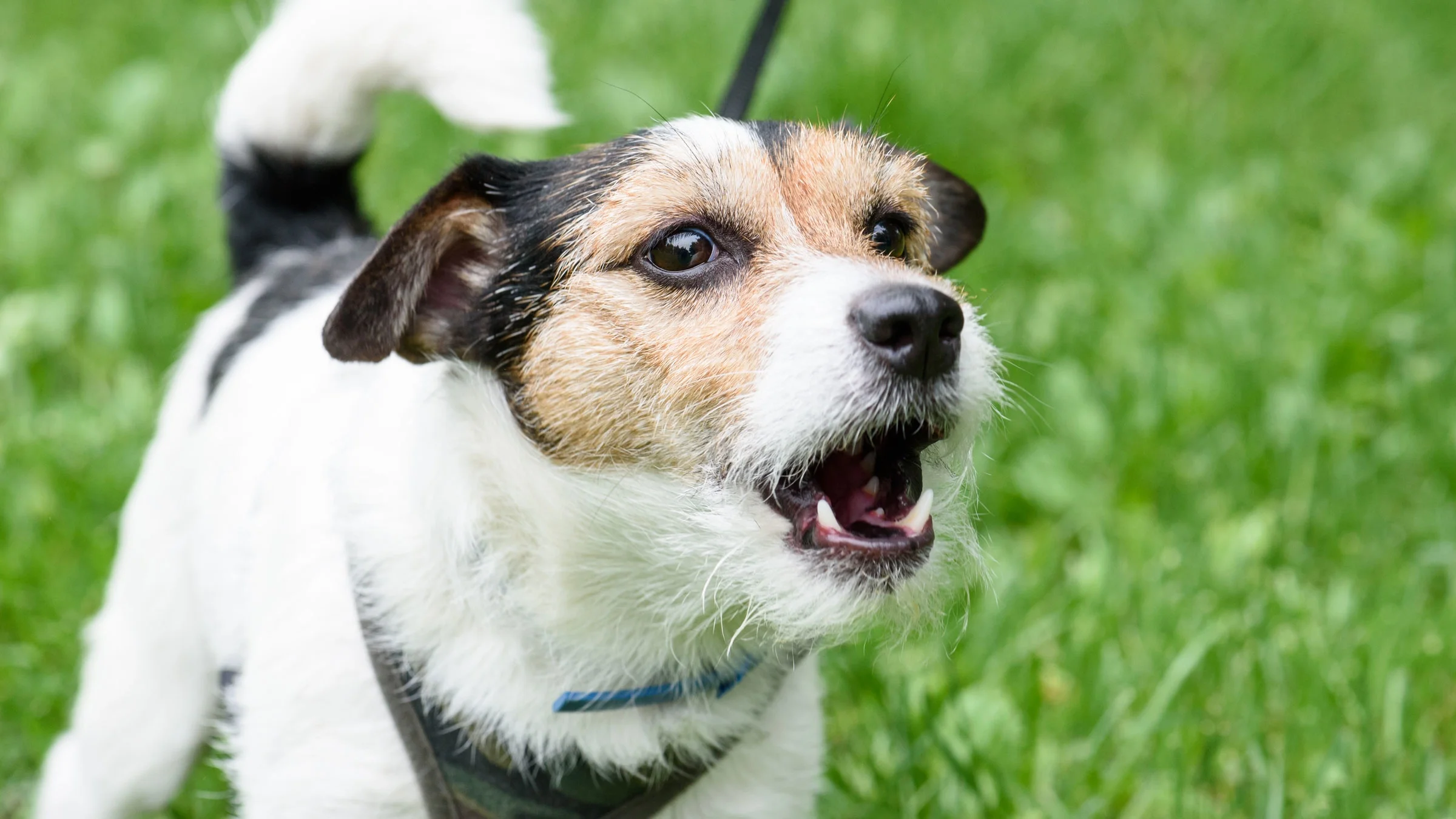
Watch for growling, snapping, or stiff body posture. These signs show your dog feels threatened.
- Bared teeth or snarling
- Raised hackles on the back
- Intense staring or avoiding eye contact
- Sudden barking or lunging
Maintaining Routine
Dogs need a steady schedule to feel secure. Feeding, walks, and playtime should happen daily.
| Activity | Recommended Time |
| Morning Walk | 30 minutes |
| Meal Times | 8 AM and 6 PM |
| Play Session | 15 minutes in the afternoon |
| Evening Walk | 20 minutes |
Seeking Expert Help
If aggression grows or worries you, find a professional trainer or vet. They give advice and training tips.
- Observe your dog's behavior carefully.
- Contact a certified dog trainer.
- Follow the trainer’s guidance consistently.
- Visit a vet to rule out health issues.
Promoting Calm Behavior
Teach your dog to relax with simple tools and calm actions. Patience and rewards help a lot.
- Give your dog a quiet place to rest.
- Use gentle voice tones during training.
- Offer treats for calm actions.
- Practice slow petting and massage.
Frequently Asked Questions
Why Do Small Dogs Show Aggressive Behavior?
Small dogs may act aggressively due to fear, territorial instincts, or lack of socialization. Their size often makes them feel vulnerable, prompting defensive actions. Proper training and early social exposure can reduce aggressive tendencies in small breeds effectively.
How Can I Stop My Small Dog’s Aggression?
Consistent training, socialization, and positive reinforcement help curb aggression. Avoid punishment as it may worsen behavior. Consulting a professional trainer or veterinarian can provide tailored strategies for managing your dog's aggression safely.
Are Small Dogs More Aggressive Than Large Dogs?
Small dogs can seem more aggressive due to their loud barking and defensive behavior. However, aggression depends on individual temperament, training, and environment rather than size alone. Proper care and socialization influence behavior more than breed size.
What Triggers Aggression In Small Dogs?
Triggers include fear, territorial defense, pain, and lack of social interaction. Stressful situations or unfamiliar people may also provoke aggression. Identifying and addressing these triggers early helps prevent aggressive incidents and promotes better behavior.
Conclusion
Small dogs can show aggressive behavior for many reasons. Training and patience help reduce this problem. Understanding your dog’s feelings is very important. Regular exercise and social time calm them down. Consistent rules make dogs feel safe and happy. Watch their body language to prevent trouble early.
Remember, small dogs need love and clear guidance. Taking action early helps everyone enjoy time together.

Emily Barker is the founder of ChillDogLife.com, a space dedicated to helping pup parents discover the best dog products, lifestyle tips, and cozy ideas for happier homes.
A lifelong dog lover, Emily combines her passion for pets with a knack for research to share trusted recommendations on everything from toys and furniture to health and everyday care.
Her goal is simple: to make life easier, stylish, and more joyful for dogs and the people who love them.




